
Industry Insights
Discover the path to Wholesome Design with Garden on the Wall®. As industry leaders in biophilic design, we invite interior designers, owners, and general contractors to explore our thought-provoking articles, insightful blog posts, and extensive resources on Biophilia, Neuroaesthetics, Biomimicry and Neuroarchitecture. Dive deep into the wealth of information to understand why Garden on the Wall® is the top choice for creating sustainable, safe, and healthy human-centric spaces that elevate well-being.
Discover the Benefits of Wholesome Design for Your Space
Wholesome design is one that is agreeable and positive, both superficially and substantially. From Mental Health to Neuroaesthetics, Biophilia, Indoor Environmental Quality, Biomimicry, and Neuroarchitecture, all aspects of human-centric indoor spaces are mindfully curated through wholesome design.
Enhance Your Environment with Biophilic Space Design
Transform Your Space with Nature-Inspired Design Solutions
Craft mindfully designed human-centric healthy environments

Spatial Wellness
The built environments where we live, learn, work, sleep, and heal are shaped by the action and interaction we experience in those designed spaces. The design of an indoor environment influences our mood, cognitive abilities, and even circadian rhythms.
Living Wall vs Preserved Green Wall
Living walls, preserved green walls, moss walls, vertical gardens, and planter inserts all bring nature into , but they differ sharply in infrastructure, maintenance, cost, longevity, material health, and operational burden. This Industry Insights article compares the options so project teams can choose the right solution.
Read the Full Article.webp)
WHAT WE KNOW
Insights from Garden on the Wall®
Explore the latest trends in biophilic design, sustainability, neuroaesthetics & neuroarchitecture
TODAY’S DESIGN principles are informed by the conclusions of scientific studies as well as evidence-based design principles and will continue to evolve. This constant progress will enable designed spaces to better serve the occupants of these built environments.
In-depth studies on human interaction with and stimuli from designed spaces help us understand a deeper level of human emotional response and how to channel good design to limit negative stimuli and amplify positive stimuli.
INTEGRAL TO THE SUCCESS of any designed space is the community that is nurtured in and around it. Occupant quality of life is the end goal of today’s indoor environments. Gone are the days of purely functional spaces, walls, and doors built to the lowest common denominators, with no consideration for aesthetics, materials - other than on a cost basis - acoustics, design harmony, art, lighting, and all the other elements that make a space something desirable, not just survivable. All these factors contribute to positive responses in the built environment.
IN THE LAST CENTURY, designed spaces often sought to achieve exclusivity. A prestigious address, a clublike atmosphere with boardroom sensibilities, and a design meant to impress, intimidate, and thus exclude.
NEURODIVERSITY REFERS to the natural range of differences in how we think, process information, learn, and interact. This includes all the subtle variations in human neurocognitive functioning. It is estimated that 1 in 7 people have some form and degree of a neurodiverse condition, such as ADHD, autism, dyspraxia, dyslexia, or Tourette’s syndrome.
IN THE CURRENT HIGH-END, grade-A commercial real estate biosphere, it is a tenant’s market; building owners and managers are competing for tenants, especially in the workspace arena.In turn, these employer tenants are competing to attract and retain talent – and the bar has most certainly been raised.
Microsoft, Google, Apple, Amazon, and other trendsetting companies have transformed employee expectations of workplaces including recreational spaces, sanctuaries, and other amenities, plus mandatory architectural and design uniqueness, and wow factors, from soaring ceilings to biophilic installations.
BLOG
Garden on the Wall® Blog
Design and trends are everchanging, but good design is always universal. Our blog delves into the fascinating world of biophilic design, sustainability, neuroaesthetics, biomimicry, restorative design, regenerative design, salutogenic design, neuro-inclusivity, neuroarchitecture, and many more exciting concepts. Explore how these principles can be applied to create human centric spaces that positively impact the well-being and productivity of occupants. Discover valuable inspirations that will help you stay at the forefront of design trends and create environments that not only look stunning but also promote health, connection, happiness, and overall well-being by the use of Garden on the Wall®.

The New Luxury Standard: Why Maintenance-Free Nature Defines Premium Commercial Spaces
Explore how preserved gardens and moss walls redefine luxury commercial design through maintenance-free elegance and sustainable sophistication. See how premium environments achieve permanent visual excellence while eliminating operational disruption and protecting long-term asset value.

Smart Biophilia: Integrating IoT Sensors with Preserved Nature Elements
Explore how smart building technology and preserved gardens converge to create intelligent wellness environments. See how IoT integration transforms biophilic design into measurable, adaptive systems that continuously enhance workplace performance and human well-being.
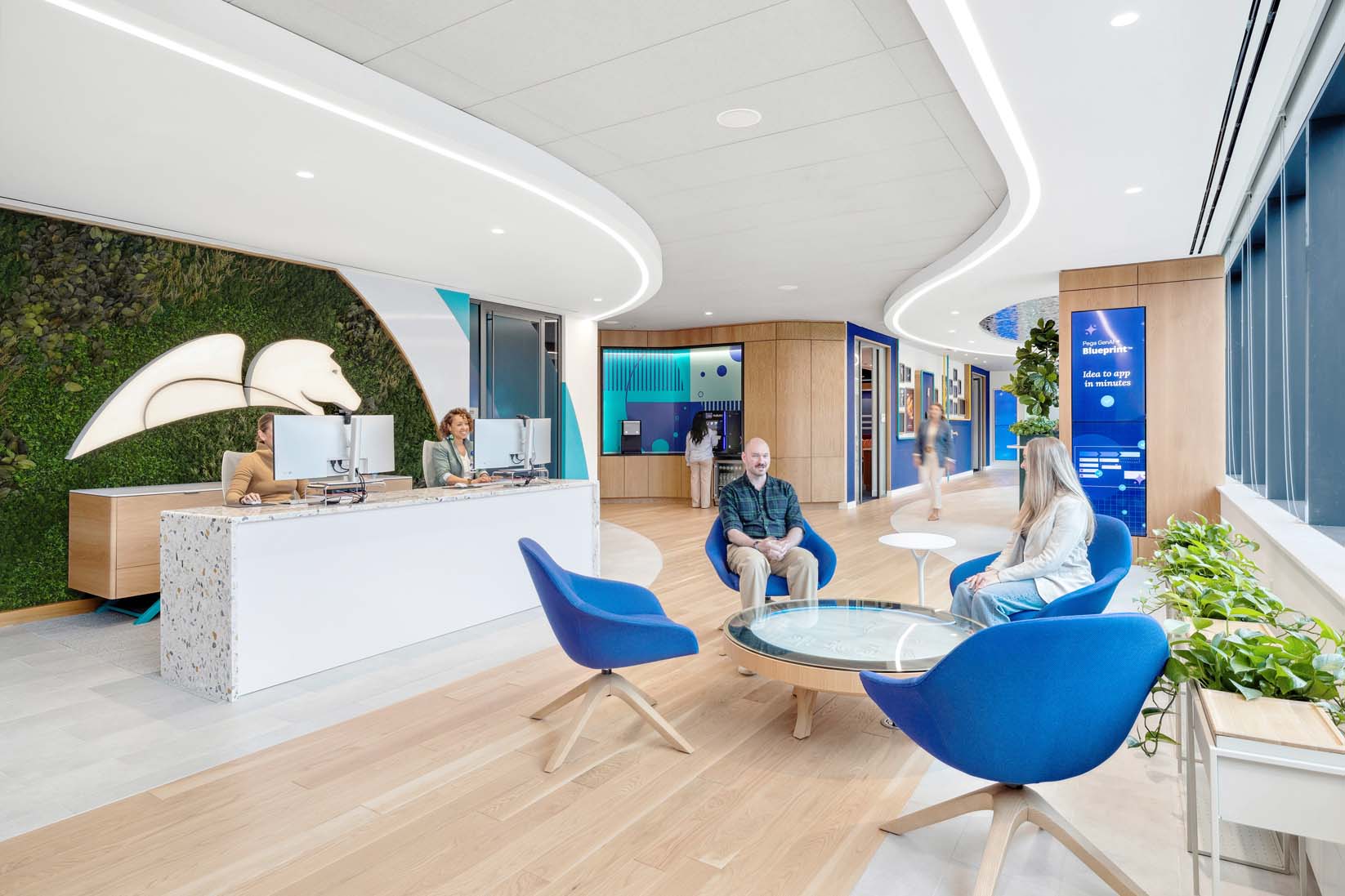
Corporate Real Estate Competitive Advantage: The ROI of Preserved Gardens and Moss Walls in Talent Acquisition
Explore how biophilic workplaces deliver measurable advantages in talent attraction, retention, and property value. Learn how preserved gardens and moss walls function as strategic assets enhancing performance, workplace experience, and long-term real estate competitiveness through evidence-driven design.
Garden on the Wall® White Papers
Our White Papers provide evidence-based research for architects, interior designers, healthcare leaders, workplace strategists, developers, and facility professionals seeking to create healthier, higher-performing built environments. Explore peer-reviewed insights on biophilic design, evidence-based design, neuroaesthetics, biomimicry, regenerative design, restorative design, salutogenic design, neuroarchitecture, sustainability, and other emerging concepts shaping commercial interiors. Each publication translates complex scientific research into practical design strategies, measurable outcomes, and real-world applications. Download the Executive Summary for a concise overview of the key findings, or read the Full White Paper to access the complete research, supporting data, citations, and implementation guidance.
Explore our white papers across a range of building types, including Workplace, Healthcare, Aviation & Transportation, Senior Living, Mixed-Use, Retail, Sports & Entertainment, Spa & Wellness, Institutional, Government, Multi-Family, Law Firm Interiors, Hospitality, and Educational environments.
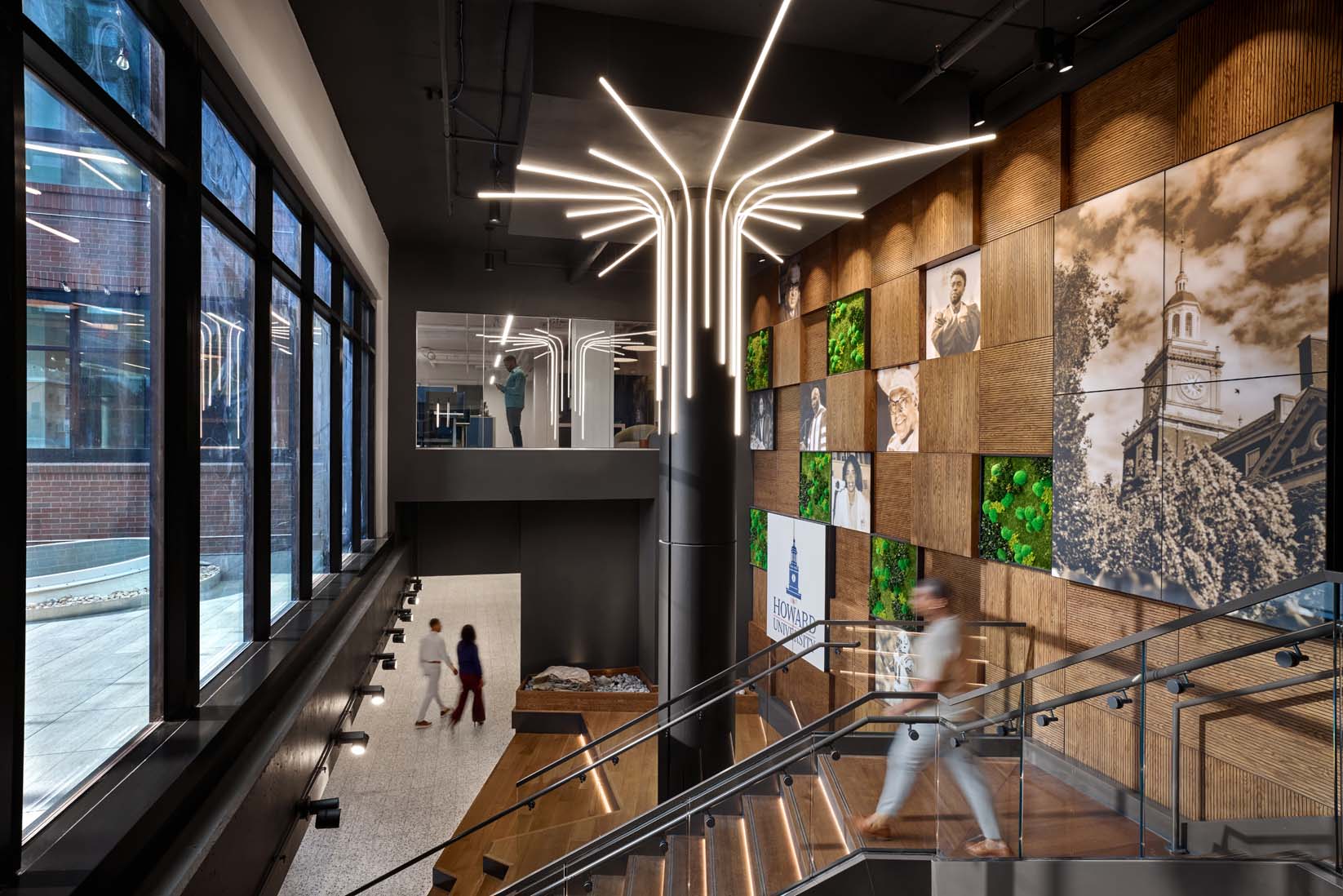
Built to Learn
Educational environments play a critical role in student performance, well-being, and long-term success. Evidence-based biophilic design can introduce authentic natural elements that support attention, cognitive restoration, stress reduction, and academic engagement while creating healthier, more restorative learning environments for students, educators, and staff across K–12 schools, colleges, and universities.

Hidden Cost of Cheap Faux Plants
Artificial greenery is often specified as a low-maintenance approach to biophilic design, but material composition, indoor air quality, lifecycle impact, and neurological response tell a different story. Evidence-based biophilic design prioritizes authentic natural materials that can support measurable human benefits, healthier interiors, long-term sustainability, and lower total cost of ownership across commercial environments.

The Restorative Mandate
Healthcare faces a multibillion-dollar workforce crisis driven by burnout and turnover. Evidence-based biophilic design addresses an often-overlooked operational factor: the built environment. Research shows nature-integrated healthcare spaces reduce caregiver stress, improve patient satisfaction, shorten hospital stays, strengthen staff retention, and deliver measurable operational and financial benefits.
WE CARE
Our Commitments
At Garden on the Wall®, we are committed to the betterment of our planet, environment, and the health of our population. We strive to foster well-functioning communities and employ evidence-based practices for the good of all. These commitments are not merely talking points; they are integral to our identity. Continuous improvement is in our DNA.
We are proud to be committed. . .
...to Research
Evidence Based Design requires empirical studies made on the subject, and Garden on the Wall® is proud to collaborate with Penn Center for Neuroaesthetics.

...to Circular Economy
We believe in leaving a better planet for our next generations. In all processes of Garden on the Wall®, we are committed to reduced landfill. Our take-back program (Re-Leaf) proves our commitment to take back our garden panels at the end of their life-cycle.


...to Social Responsibility
We take pride in our collaboration with non-profit organizations that work to better the planet and the lives of local and global communities today and in the future.




...to Planet Health
Garden on the Wall® is committed to a greener future, integrating eco-friendly practices into the core of our business. By prioritizing recycling, repurposing, and composting, we significantly reduce our environmental impact, safeguarding the planet for generations to come.