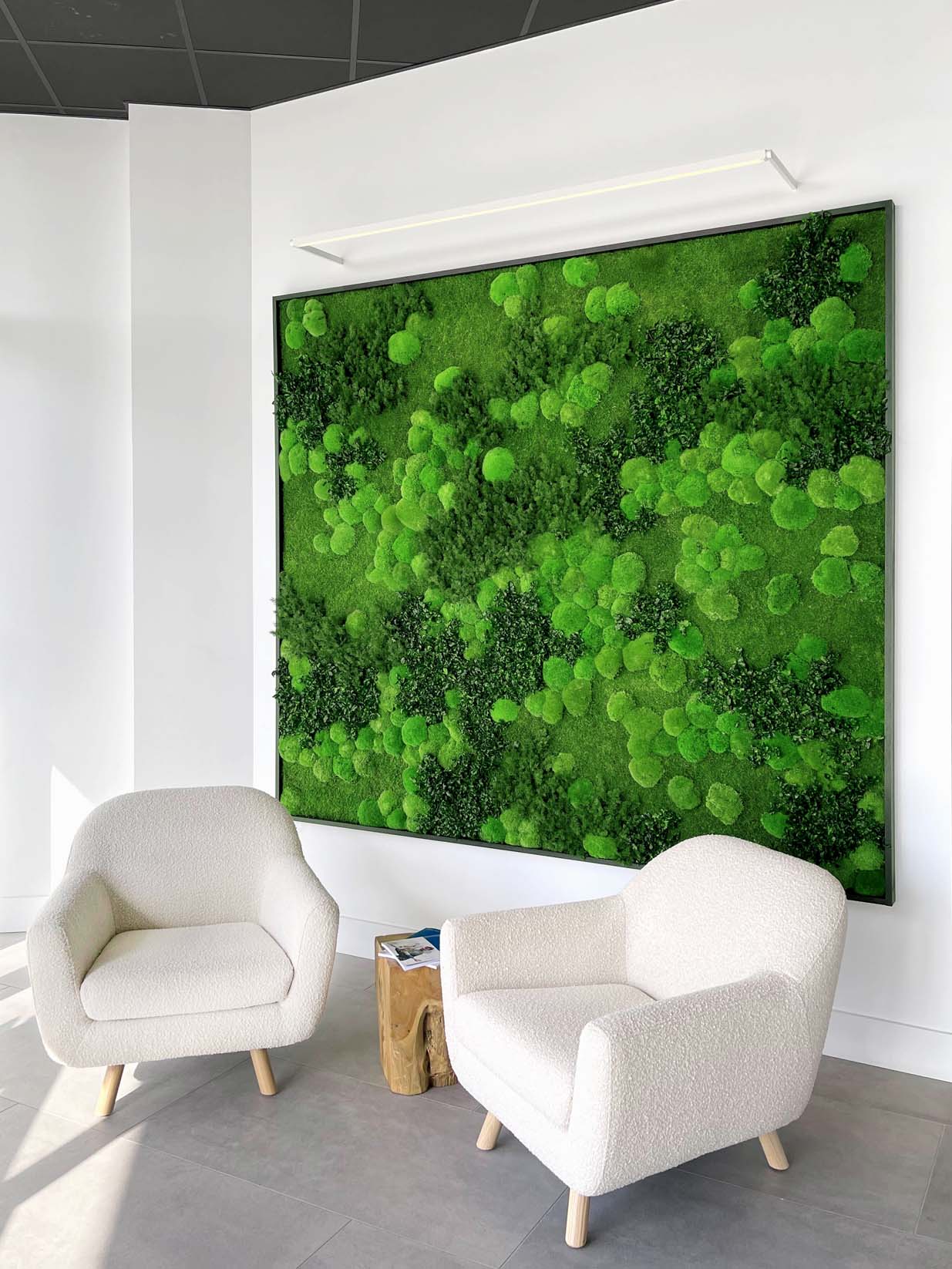
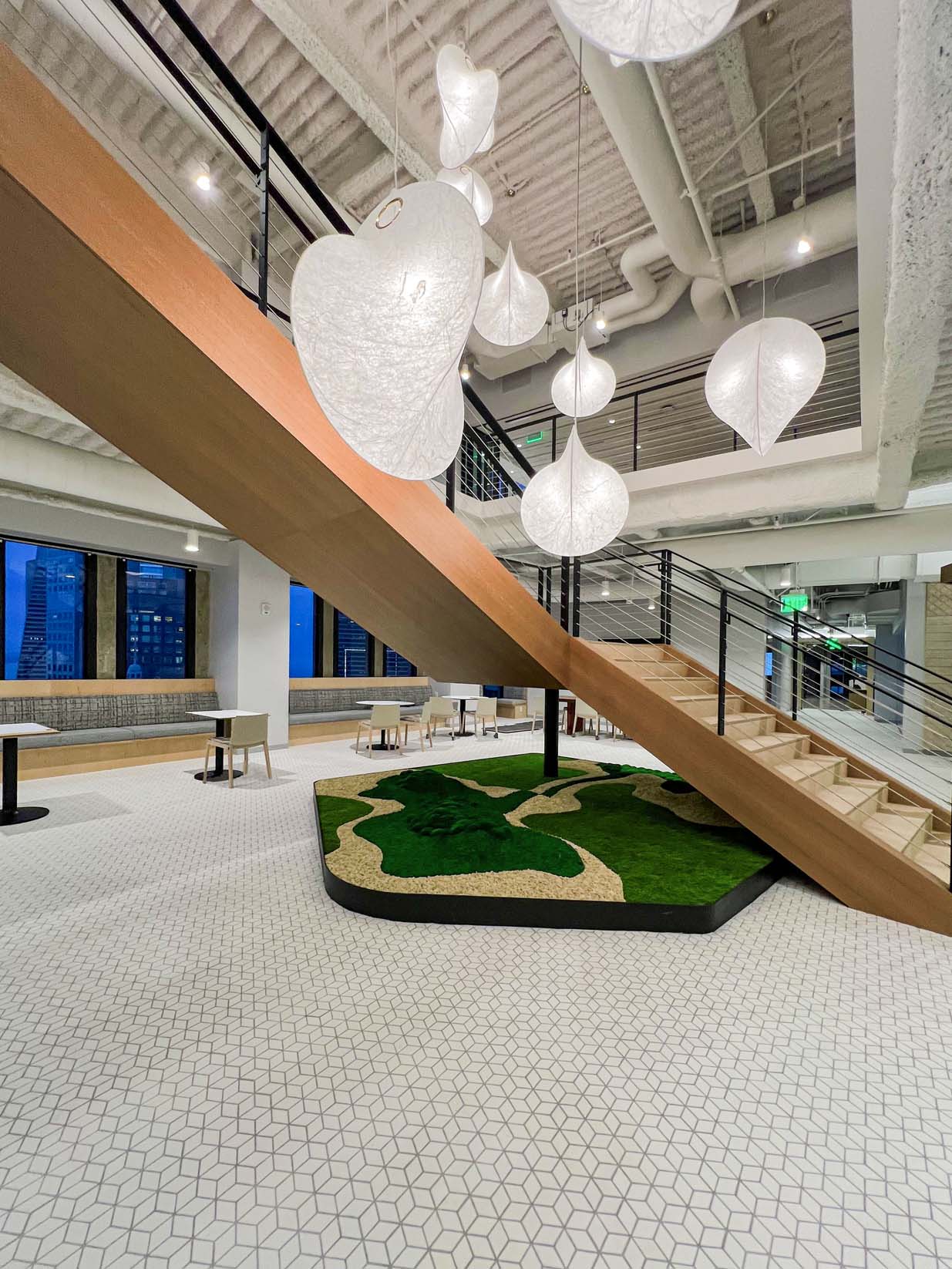
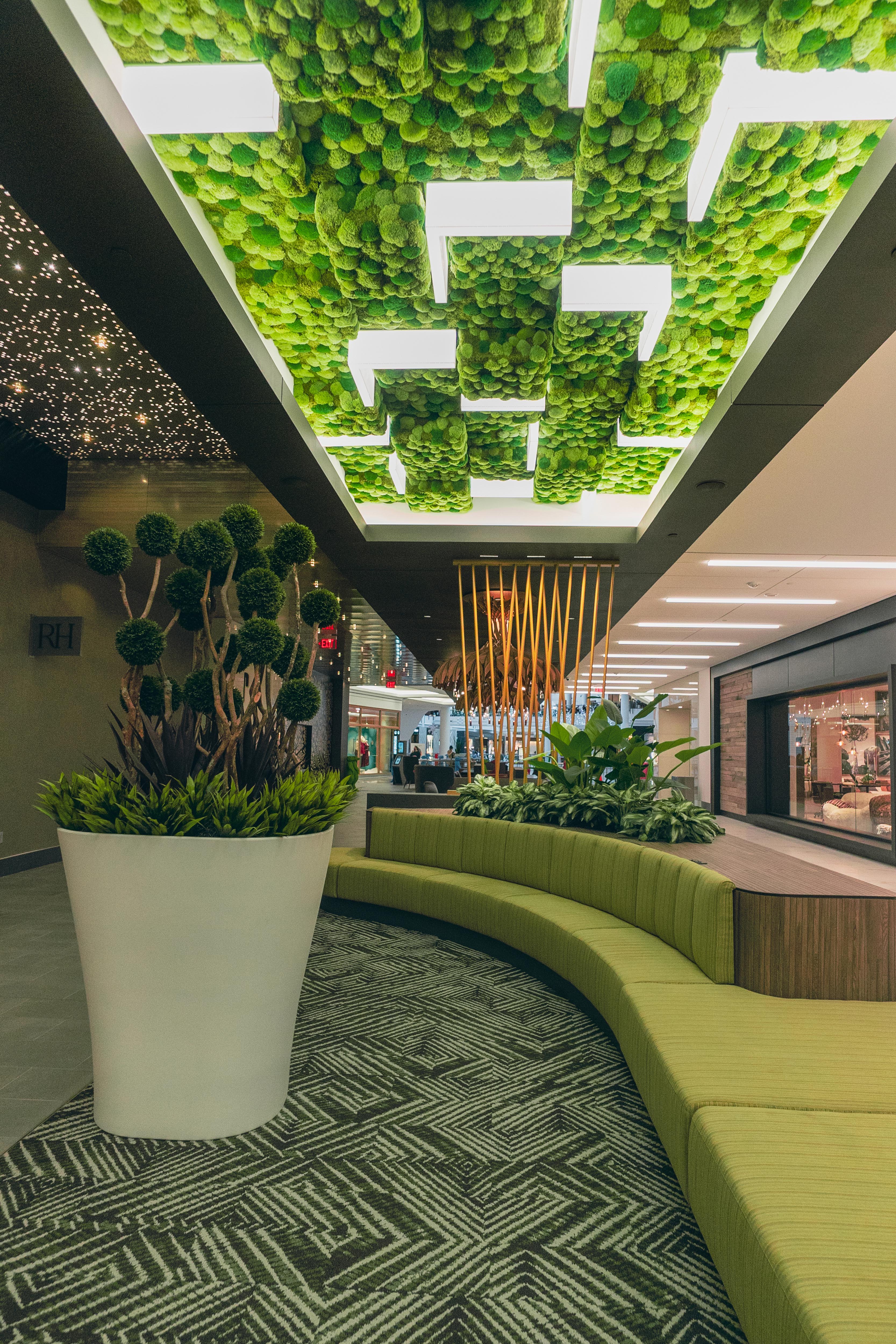
Preserved Gardens, Moss Walls and Planter Inserts in Physical Therapy Centers
Key Takeaways Before You Read the Full Article:
30 Second Executive Summary
Physical therapy environments must support both physical rehabilitation and psychological resilience. Preserved gardens and moss walls create therapeutic spaces that enhance motivation, reduce stress, and improve recovery outcomes.
💪 Motivation Support: Encouraging Patient Engagement
Natural environments help patients stay committed to challenging rehabilitation programs. Visual inspiration supports long-term recovery goals.
🧠 Mind-Body Integration: Enhancing Awareness
Biophilic design promotes mindfulness and body awareness. These elements support more effective movement and recovery processes.
💙 Stress Reduction: Supporting Pain Management
Calming environments reduce anxiety and improve emotional regulation. Lower stress levels contribute to better healing outcomes.
👩⚕️ Therapeutic Environment: Supporting Providers
Healthcare staff benefit from restorative environments that improve focus and resilience. Better environments lead to better care delivery.
🛡️ Clinical Reliability: Safe and Maintenance-Free Design
Preserved installations eliminate maintenance concerns while meeting healthcare standards. This ensures safe, consistent performance in therapy settings.
Ready to see how biophilic design improves rehabilitation environments?
The full article explores how preserved gardens support recovery, motivation, and therapeutic outcomes.
Preserved Gardens, Moss Walls and Planter Inserts in Physical Therapy Centers
Physical therapy environments require specialized design that supports both intensive rehabilitation activities and the psychological resilience necessary for recovery from injury or managing chronic conditions. The integration of preserved gardens, moss walls, and preserved foliage installations creates essential biophilic elements that enhance motivation, reduce stress, and support the mind-body connection crucial for effective rehabilitation outcomes. These natural installations provide various benefits in therapy settings where environmental comfort can significantly impact patient engagement, pain management, and overall treatment success.
The thoughtful incorporation of preserved nature elements in physical therapy facilities acknowledges that recovery involves both physical and psychological healing, requiring environments that support not just exercise and treatment activities but also the emotional resilience and positive mindset essential for successful rehabilitation and long-term health improvement.
Supporting Motivation and Psychological Resilience During Recovery
Physical therapy often involves challenging, sometimes painful exercises that require significant mental determination and emotional resilience from patients recovering from injury or managing chronic conditions. Preserved moss walls and garden installations provide visual inspiration and psychological support that help patients maintain motivation throughout difficult rehabilitation processes.
The natural beauty of preserved foliage installations creates environments that feel less clinical and more supportive of the healing process, helping patients develop positive associations with therapy activities rather than viewing treatment as purely medical intervention. These biophilic elements become particularly valuable for patients facing long-term rehabilitation who need environmental support to maintain engagement and optimism throughout extended recovery periods.
Enhancing Mind-Body Connection Through Natural Elements
Effective physical therapy requires developing awareness of body mechanics, movement patterns, and physical sensations that can be enhanced through environments that support mindful attention and present-moment awareness. Preserved gardens and moss installations provide focal points for mindfulness practices and breathing exercises that complement physical therapy activities while supporting the mind-body integration essential for optimal recovery outcomes.
The organic patterns and textures found in preserved nature installations engage the nervous system in ways that promote relaxation and body awareness, creating environments where patients can develop the internal focus necessary for effective movement re-education and pain management. Planter inserts with preserved greenery and strategically positioned garden elements create spaces where patients can practice the mindfulness techniques that enhance physical therapy effectiveness.
Creating Stress-Reduction Environments for Pain Management
Chronic pain and injury recovery involve significant stress that can interfere with healing processes and treatment effectiveness, making stress reduction environmental interventions particularly valuable for physical therapy settings. Preserved moss walls and garden installations provide immediate calming influences that help patients manage anxiety and stress responses that can exacerbate pain and limit rehabilitation progress.
The stress-reducing properties of natural beauty help create environments where patients can access relaxation responses that support pain management and healing acceleration. Draping preserved greenery and carefully positioned garden installations create calming areas where patients can practice stress management techniques between therapy sessions while benefiting from the inherent pain-reducing effects of biophilic environments.
Supporting Patient Education and Wellness Promotion
Physical therapy involves significant patient education about movement, posture, and lifestyle factors that affect long-term health outcomes, requiring environments that support learning and wellness awareness. Preserved gardens create settings that reinforce health and wellness messages while providing visual metaphors for growth, healing, and natural recovery processes that complement therapeutic education.
The presence of natural elements in therapy environments helps patients develop positive associations with health and wellness concepts while providing environments where educational discussions about lifestyle, nutrition, and self-care feel more natural and engaging. These biophilic installations support the holistic approach to health that characterizes effective physical therapy practice.

Enhancing Therapist Effectiveness and Work Environment Quality
Physical therapy providers work in demanding environments that require maintaining high energy, positive attitudes, and emotional resilience while helping patients through challenging recovery processes. Preserved nature installations in treatment areas, staff spaces, and consultation rooms create work environments that support therapist wellbeing while enhancing the therapeutic relationship quality essential for successful patient outcomes.
The psychological benefits of preserved moss walls and garden installations help therapists maintain the emotional energy and professional optimism necessary for effective patient care while providing environments where therapeutic relationships can develop naturally. These biophilic elements become essential components of therapy facilities that support both patient and provider wellbeing through environmental design that recognizes the interconnected nature of healing relationships.
Maintaining Clinical Standards and Operational Efficiency
Physical therapy environments require exceptional cleanliness and hygiene standards while accommodating equipment, exercise activities, and frequent cleaning protocols that can be challenging to maintain with living plants. Preserved gardens eliminate maintenance concerns while providing all the psychological and aesthetic benefits of natural beauty, ensuring that therapy facilities can incorporate biophilic elements without compromising clinical standards or operational efficiency.
The durability and maintenance-free nature of preserved installations makes them particularly valuable for high-traffic therapy environments where equipment movement, exercise activities, and cleaning protocols require minimal environmental maintenance. Garden on the Wall's proven performance across over 1,880 installations in and comprehensive safety testing provides the reliability essential for clinical environments where patient safety and treatment effectiveness cannot be compromised by design choices that create operational challenges.
Creating Healing Environments That Support Recovery
The integration of preserved gardens, moss walls, and preserved foliage installations in physical therapy centers represents a powerful intervention that supports patient motivation, stress reduction, and healing acceleration through environmental design that addresses both physical and psychological aspects of recovery. These biophilic elements create therapeutic environments that enhance rather than distract from clinical treatment while supporting the holistic healing approach that characterizes effective rehabilitation.
For designers creating physical therapy environments, selecting preserved nature installations requires prioritizing providers who demonstrate industry-leading quality, safety testing, and reliability like Garden on the Wall® is essential for clinical settings where patient outcomes depend on environmental support for healing processes. The rehabilitation journey requires environments that inspire hope, support resilience, and facilitate healing through every design decision that prioritizes patient wellbeing and therapeutic effectiveness.
For more information on this subject, read this article: Multi-Sensory Biophilia: Beyond Visual - Engaging Touch, Scent, and Sound Through Preserved Nature and other related information, please visit our website: www.gardenonthewall.com