Designed to Stay: Biophilic Hospitality and the Science of Guest Experience
Hospitality is increasingly defined by more than service, amenities, or location. The built environment itself has become part of the guest experience - shaping how quickly people settle, how they feel while they are there, and how clearly a place remains in memory after they leave.
Designed to Stay examines the growing body of hospitality research connecting biophilic design with emotional response, subjective well-being, perceived quality and value, restorative experience, and stated patronage intentions. The research points toward a larger opportunity: treating nature not as decoration, but as part of the experiential infrastructure of hospitality.
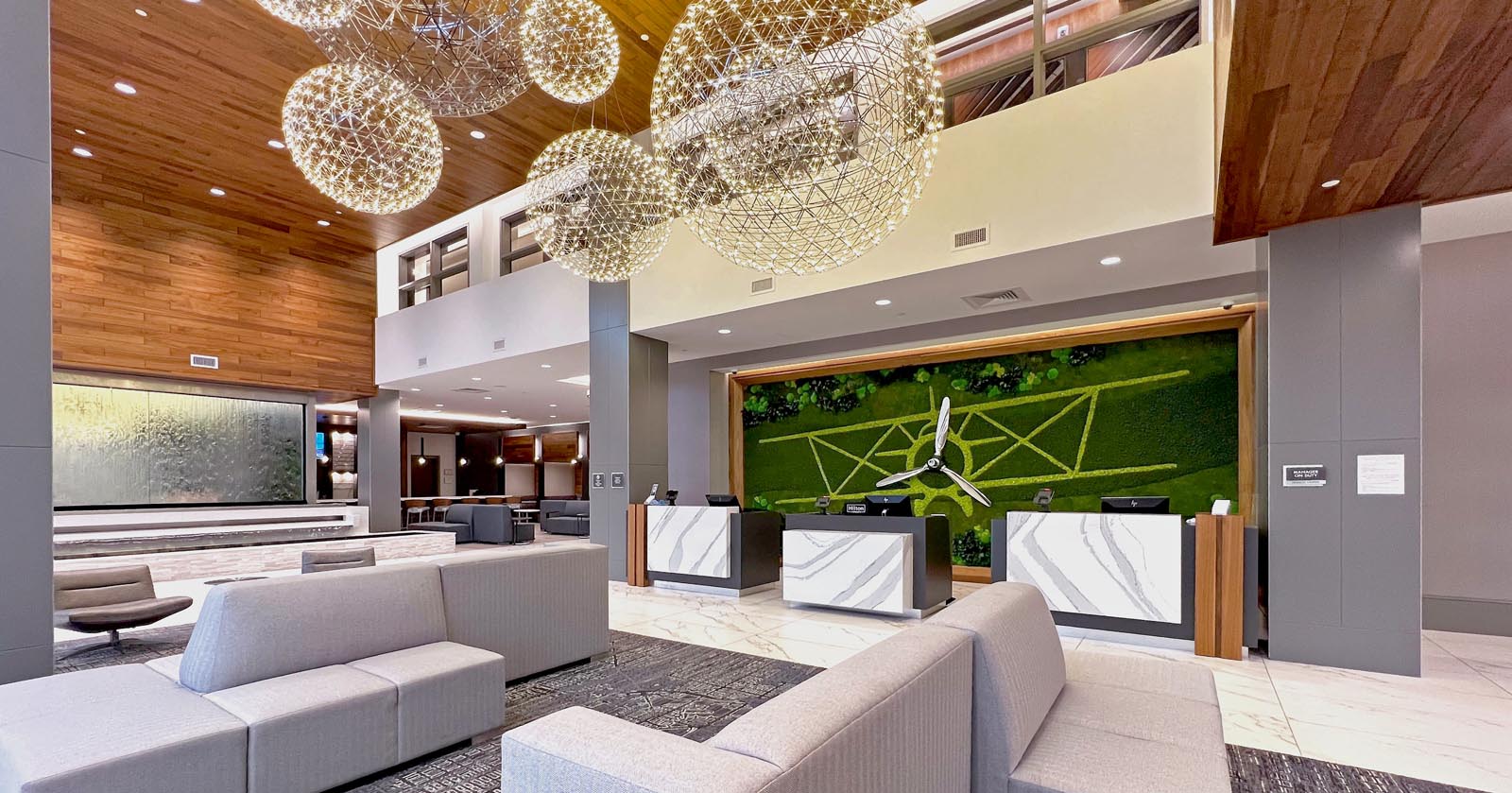
The Hospitality Imperative
Hotels, resorts, restaurants, spas, and wellness destinations are increasingly expected to do more than function well. They must create environments that feel distinctive, emotionally comfortable, restorative, and memorable.
This makes the physical environment a strategic component of hospitality. Guests often arrive carrying the residual effects of travel, crowds, unfamiliar surroundings, schedules, and sensory stimulation. Under these conditions, environmental cues can influence how quickly a guest transitions from vigilance toward ease.
Research reviewed in Designed to Stay associates nature-rich hospitality environments with stronger emotional response, perceived service quality, restorative experience, perceived value, and behavioral intentions. The strongest applications move beyond simply adding greenery and instead integrate nature into the overall composition and experience of the space.

The Experience Case
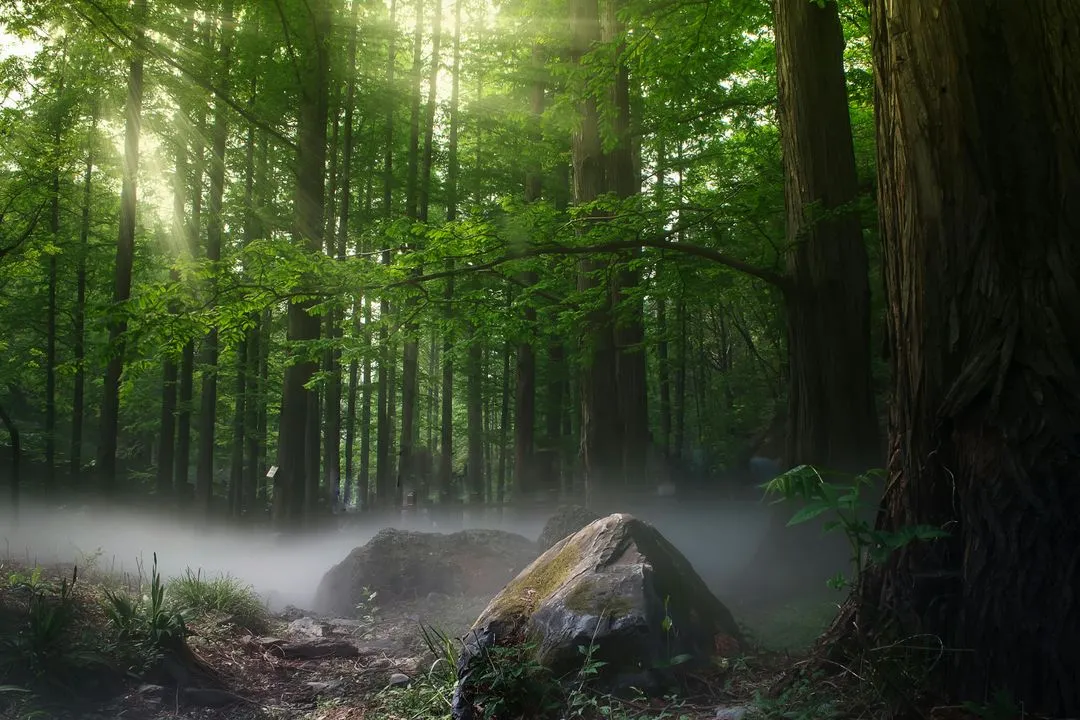
The value of biophilic hospitality design extends beyond visual appeal. Research suggests that natural elements can influence how guests interpret and experience a property.
One useful framework identified in the white paper is coherence, fascination, and hominess - three experiential dimensions associated with how people respond to architectural interiors.
Coherence describes whether a space feels organized, legible, and easy to understand.
Fascination describes the visual richness that captures attention without overwhelming it. Natural texture, variation, depth, organic pattern, and layered botanical compositions can provide this complexity.
Hominess describes whether an environment feels warm, inhabitable, and emotionally accommodating.
Together, these qualities help explain why thoughtfully integrated biophilic environments can feel more grounded and memorable than spaces relying primarily on spectacle or decorative botanical elements.
The Design Response
For institutional clients, corporate real estate professionals, and procurement teams at Fortune 500 companies, the biophilic specification decision is increasingly subject to ESG reporting requirements, LEED documentation, WELL certification, and supply chain transparency mandates. A product that cannot produce third-party verified material health data is not specifiable in the majority of the markets where biophilic investment is highest.
Garden on the Wall® is the only preserved garden and moss wall provider in the world with a published Environmental Product Declaration (EPD) under ISO 14025, providing complete lifecycle environmental impact data independently verified by a third-party program operator. Combined with HPD v3.0 at 100 ppm full disclosure, Declare Label (Red List Free), and CDPH VOC compliance, the GOTW specification package satisfies the documentation requirements of the most rigorous institutional procurement frameworks.
Acoustic Performance: The Overlooked Variable
Open-plan workplace design - still dominant in the post-pandemic hybrid office - creates cognitive load through ambient noise. Preserved garden installations from Garden on the Wall® carry a verified Noise Reduction Coefficient (NRC) rating, providing measurable sound absorption performance that contributes to acoustic comfort without mechanical intervention. For specifiers pursuing WELL Building Standard certification in the Sound concept category, this is a documentable, third-party verified contribution.