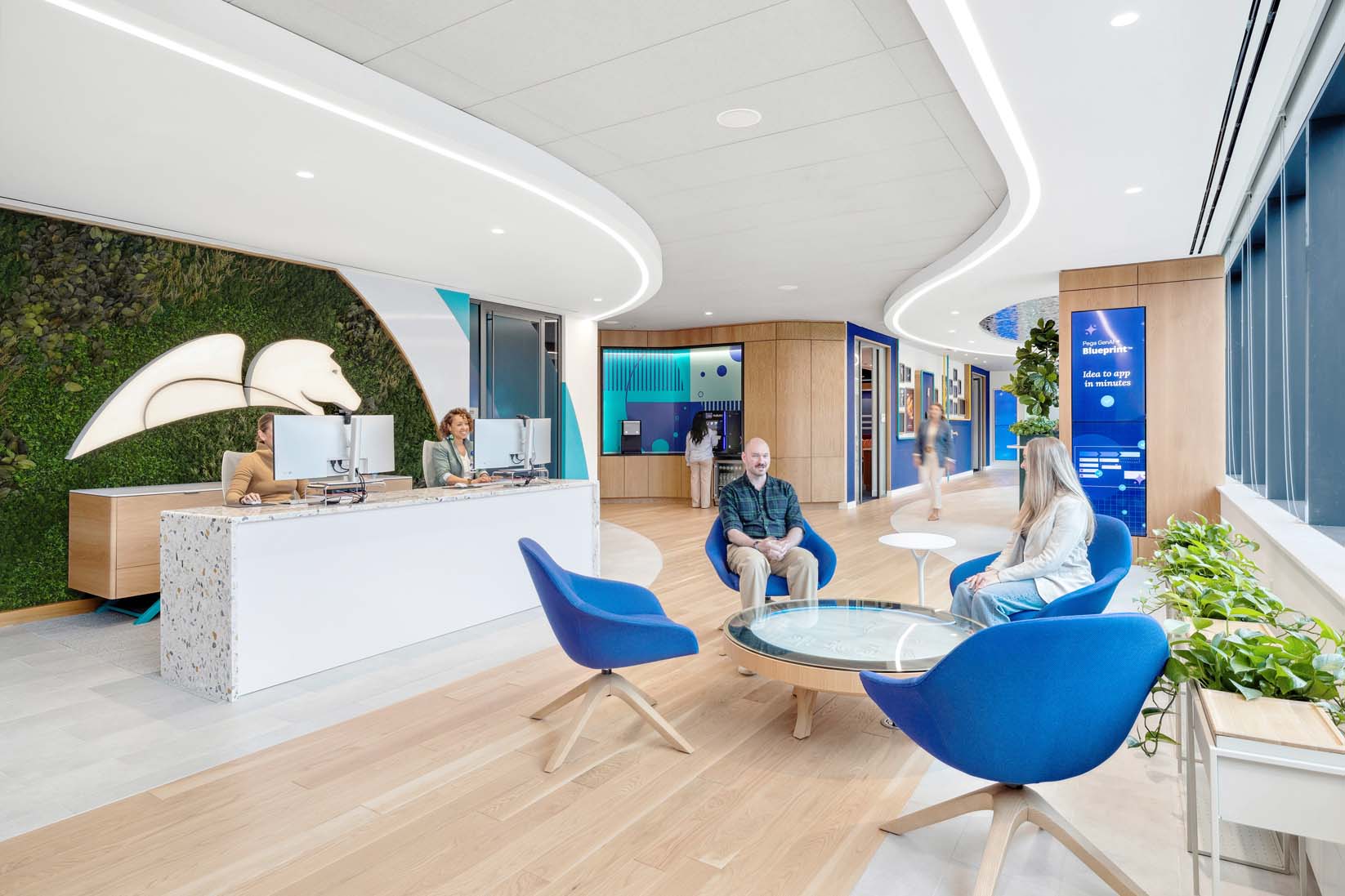
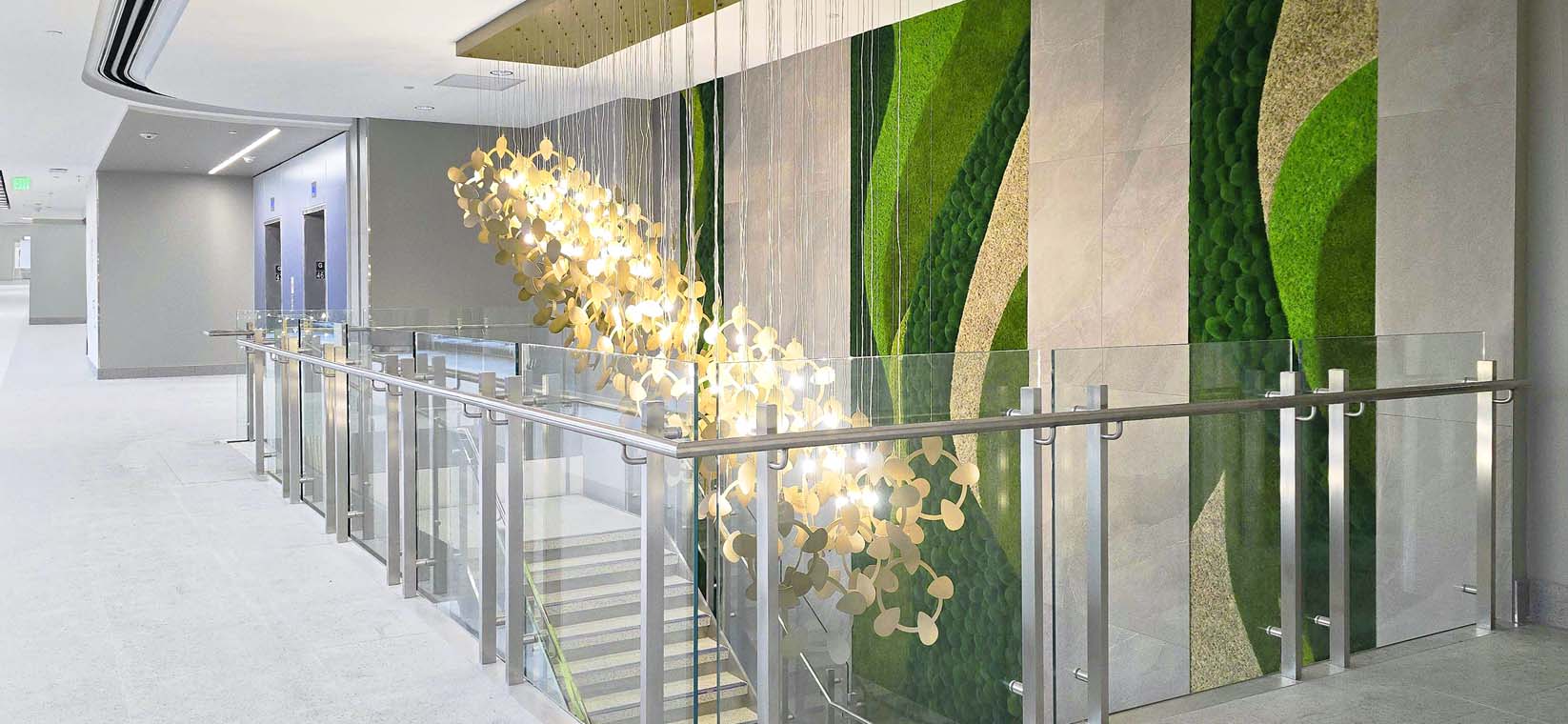
Neuroinclusive Workplace: Creating Sensory-Supportive Environments with Preserved Gardens

Key Takeaways Before You Read the Full Article:
30 Second Executive Summary
Neuroinclusive workplace design creates environments that support diverse ways of thinking, processing, and working. Preserved gardens and moss walls help reduce sensory stress, improve focus, and provide predictable environmental conditions that benefit both neurodivergent and neurotypical employees.
🧠 Inclusion Through Design: Supporting Diverse Minds
Neuroinclusive environments recognize that employees experience workplaces differently. Thoughtful design helps create spaces where a broader range of cognitive styles can thrive.
🔇 Sensory Support: Reducing Environmental Overload
Noise, visual clutter, and unpredictability can create significant barriers for neurodivergent individuals. Preserved gardens and moss walls help provide calming, consistent sensory experiences.
👁️ Predictability and Focus: Creating Stable Work Environments
Consistent visual environments reduce cognitive strain and support concentration. Preserved nature installations offer reliable patterns that remain stable over time.
⚙️ Flexible Accommodations: Adapting to Individual Needs
Effective neuroinclusive workplaces provide options that support varying sensory and attention preferences. Flexible biophilic elements help create adaptable environments without sacrificing design quality.
🤝 Organizational Impact: Unlocking Diverse Potential
Workplaces that support neurodiversity often benefit from increased innovation, collaboration, and employee engagement. Inclusive design helps organizations leverage a wider range of talents and perspectives.
Ready to explore how neuroinclusive design supports sensory wellbeing and workplace performance? The full article examines how preserved gardens and moss walls create environments where every mind has the opportunity to succeed.
Understanding Neuroinclusive Design in Commercial Environments
Neuroinclusive design represents a fundamental shift in creating environments that support neurodivergent individuals - including those with autism, ADHD, dyslexia, and other neurological differences - alongside neurotypical employees. Traditional workplace design often inadvertently creates barriers for neurodivergent individuals through sensory overstimulation, unpredictable lighting, and chaotic visual environments. This oversight represents not only missed opportunities for inclusion but also the underutilization of unique cognitive strengths that neurodivergent employees bring to organizations.
The intersection of neuroinclusive design and biophilic principles offers powerful solutions for creating supportive environments that benefit all occupants. Research in neurodiversity and environmental psychology demonstrates that consistent, nature-based visual elements help regulate sensory processing and reduce environmental stress for neurodivergent individuals. Preserved gardens and moss walls provide predictable, calming visual environments while offering sound-dampening properties crucial for sensory-sensitive individuals, creating spaces where different minds can thrive while contributing their unique perspectives and capabilities.
Environmental Sensitivities and Accommodation Strategies
Environmental accommodations for neurodivergent success extend beyond basic accessibility to encompass comprehensive sensory design strategies. Many neurodivergent individuals experience heightened sensitivity to fluorescent lighting, sudden sounds, visual clutter, and unpredictable environmental changes that can trigger overwhelming sensory responses. Preserved moss walls and garden installations address multiple sensory needs simultaneously by providing consistent visual textures, natural sound absorption, and stable environmental elements that don't change unexpectedly like living plants might through growth or seasonal variations.
Preserved moss walls and garden installations offer unique advantages for neuroinclusive design because they provide consistent, predictable sensory experiences. Unlike living plants that change daily or artificial elements that feel jarring, preserved nature installations maintain stable visual patterns that neurodivergent minds can rely upon. Organic textures offer rich sensory input for those who seek stimulation while remaining visually calm for those who need reduced environmental demands. Research shows that natural patterns and colors have universal calming effects that benefit both neurotypical and neurodivergent individuals.
Creating Predictable Visual Environments
Many neurodivergent employees thrive in environments with predictable visual patterns and consistent stimulation levels. Unexpected changes in visual environment can create anxiety and concentration difficulties that persist long after the trigger has been removed.
Preserved gardens provide exactly the visual consistency that supports neurodivergent success. These installations don't change unpredictably like living plants, don't require maintenance activities that disrupt visual environments, and don't introduce variables that neurodivergent minds must constantly process and adapt to. Draping preserved foliage can create visual boundaries that help individuals with autism or ADHD define their workspace territories without feeling isolated from team activities.
Addressing Acoustic Sensitivities Through Biophilic Solutions
Open office environments create acoustic challenges for many neurodivergent employees. Background conversations, phone calls, and office equipment noise can become overwhelming distractions that prevent the deep focus necessary for complex cognitive work.
Preserved moss walls provide natural sound absorption that creates quieter work zones without requiring major architectural changes. The varied textures and densities in preserved installations break up sound waves more effectively than smooth surfaces, creating acoustic environments that support concentration for noise-sensitive employees. Planter inserts with preserved foliage can be strategically positioned to create acoustic barriers around workstations where noise sensitivity is particularly challenging, providing personalized sound management solutions that don't affect other employees.
Supporting Different Attention and Focus Patterns
Neurodivergent minds often exhibit different attention patterns than neurotypical expectations. Some individuals hyperfocus intensely on specific tasks while struggling with transitional activities. Others need frequent environmental changes to maintain engagement and prevent attention fatigue.
Preserved nature installations support both attention styles by providing consistent visual anchors for hyperfocus periods while offering enough organic complexity to maintain interest during attention shifts. The natural patterns in moss walls provide what researchers call "soft fascination" - visual interest that doesn't demand active attention but supports cognitive restoration during mental breaks. This environmental support helps neurodivergent employees maintain productive focus patterns without forcing conformity to neurotypical attention expectations.
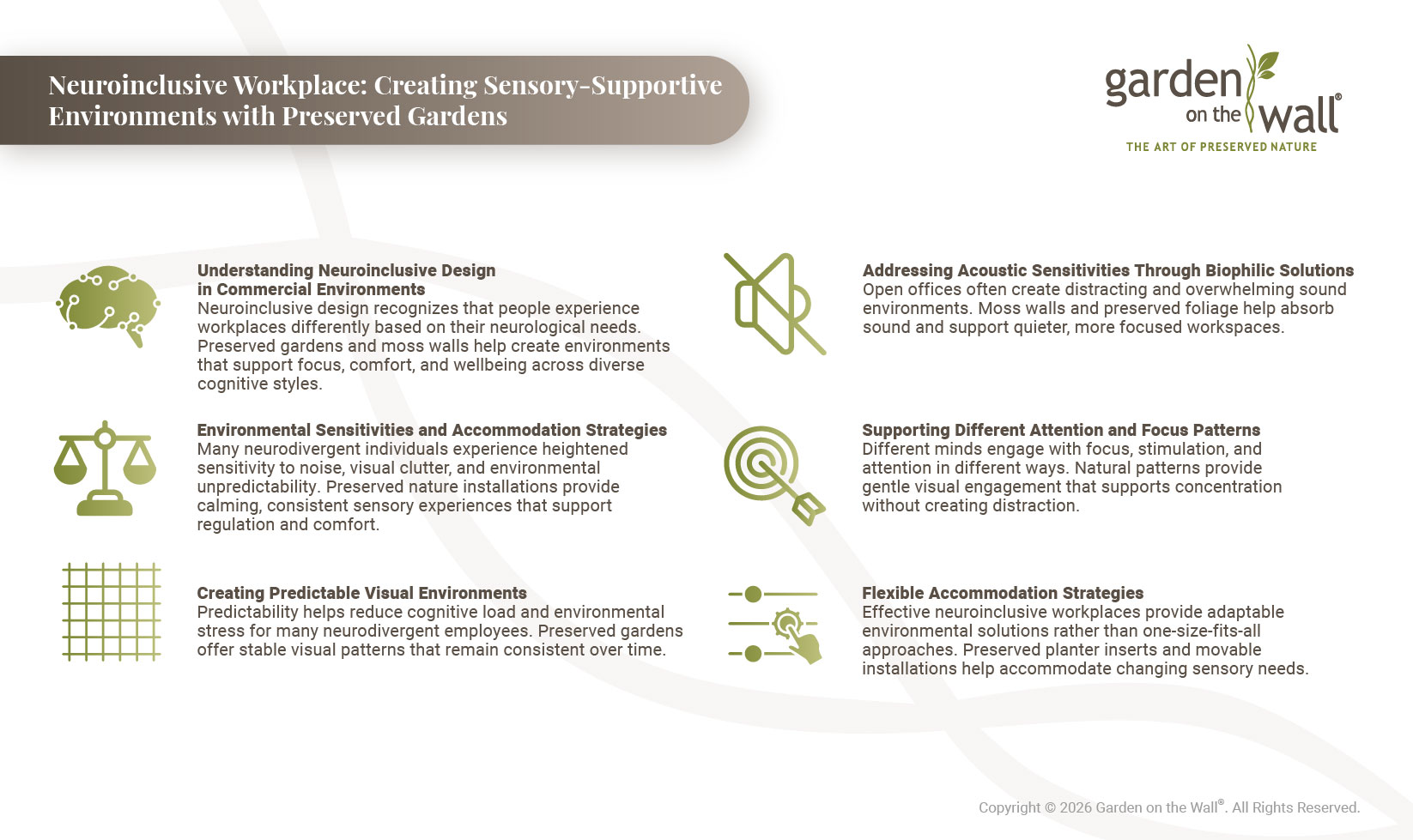
Flexible Accommodation Strategies
Effective neuroinclusive design provides accommodation options that individuals can adjust based on their specific needs rather than one-size-fits-all solutions. Different neurodivergent conditions require different environmental supports, and individual preferences vary even within diagnostic categories.
Mobile planter inserts with preserved foliage offer flexible solutions that employees can position based on their current sensory needs. During high-stimulation periods, these installations can provide visual barriers and acoustic dampening. During low-stimulation periods, they can be repositioned to maintain environmental interest without overwhelming sensitive nervous systems. Garden on the Wall®'s custom design capabilities allow organizations to create preserved installations that specifically address the neurological support needs identified by their neurodivergent employees.
Building Team Understanding Through Environmental Design
Neuroinclusive environments benefit entire teams by demonstrating organizational commitment to diverse minds and different working styles. When neurotypical employees see environmental accommodations for neurodivergent colleagues, they develop greater understanding of neurological diversity and often discover that these accommodations improve their own work experience.
Preserved garden installations create natural conversation starters about different environmental needs and working preferences. Teams working in neuroinclusive environments often report increased collaboration, reduced conflict, and greater appreciation for diverse thinking styles. The presence of accommodating environmental elements signals that the organization values different minds and working approaches, creating psychological safety for all employees to express their authentic working preferences.
Measuring Neuroinclusive Success
The effectiveness of neuroinclusive design interventions can be measured through both neurodivergent employee feedback and broader team performance indicators. Neurodivergent employees can provide direct feedback about environmental comfort, concentration ability, and stress levels in different workspace configurations.
Team performance metrics often improve in neuroinclusive environments as accommodations that support neurodivergent employees frequently benefit neurotypical team members as well. Reduced noise levels, consistent visual environments, and flexible workspace options enhance productivity and satisfaction across neurological differences. Organizations can track innovation metrics, problem-solving success rates, and employee retention to validate the business benefits of neuroinclusive environmental design.
The Future of Neuroinclusive Workplaces
As understanding of neurodiversity advances, organizations recognize that environmental accommodation represents investment in human potential rather than burden. Neurodivergent employees often bring exceptional pattern recognition, creative problem-solving, and analytical capabilities that provide competitive advantages when supported by appropriate environments.
Commercial interior designers have opportunities to create workplaces that unlock the full potential of neurologically diverse teams. Through thoughtful integration of preserved gardens, moss walls, planter inserts, and draping preserved foliage, you can design environments that support different minds while creating beauty for all occupants. The future belongs to organizations that recognize neurological diversity as a valuable resource worthy of environmental investment, creating inclusive spaces where every mind contributes unique strengths to organizational success.
For more information on this subject, read this article: Nature-Inspired Neurodivergent Spaces and other related information, please visit our website: www.gardenonthewall.com.