Nature-Inspired Neurodivergent Spaces

Key Takeaways Before You Read the Full Article:
30 Second Executive Summary
Neurodivergent-inclusive environments benefit from design strategies that support sensory regulation, focus, and emotional comfort. Preserved gardens and moss walls create calming, predictable biophilic environments that enhance wellbeing while accommodating diverse neurological needs.
🧠 Sensory Support: Reducing Overstimulation Through Design
Natural textures and organic patterns help regulate sensory input. Preserved installations provide reliable, calming environmental anchors.
🎯 Focus and Attention: Supporting Cognitive Performance
Biophilic elements improve attention restoration and concentration. Carefully placed preserved gardens support focus without distraction.
⚙️ Inclusive Design: Accommodating Diverse Processing Needs
Flexible biophilic environments can support a range of sensory preferences. Preserved nature helps create spaces that feel supportive and accessible.
🤝 Social Connection: Shared Natural Experiences
Natural focal points can ease interaction and support community building. Preserved gardens help create welcoming, low-pressure social environments.
🛡️ Consistency Matters: Stability Supports Wellbeing
Reliable, maintenance-free installations support routine and predictability. This consistency is especially valuable in neurodivergent-friendly environments.
Ready to see how biophilic design can support neurodivergent-inclusive spaces?
The full article explores how preserved gardens and moss walls help create environments that support focus, regulation, and belonging.
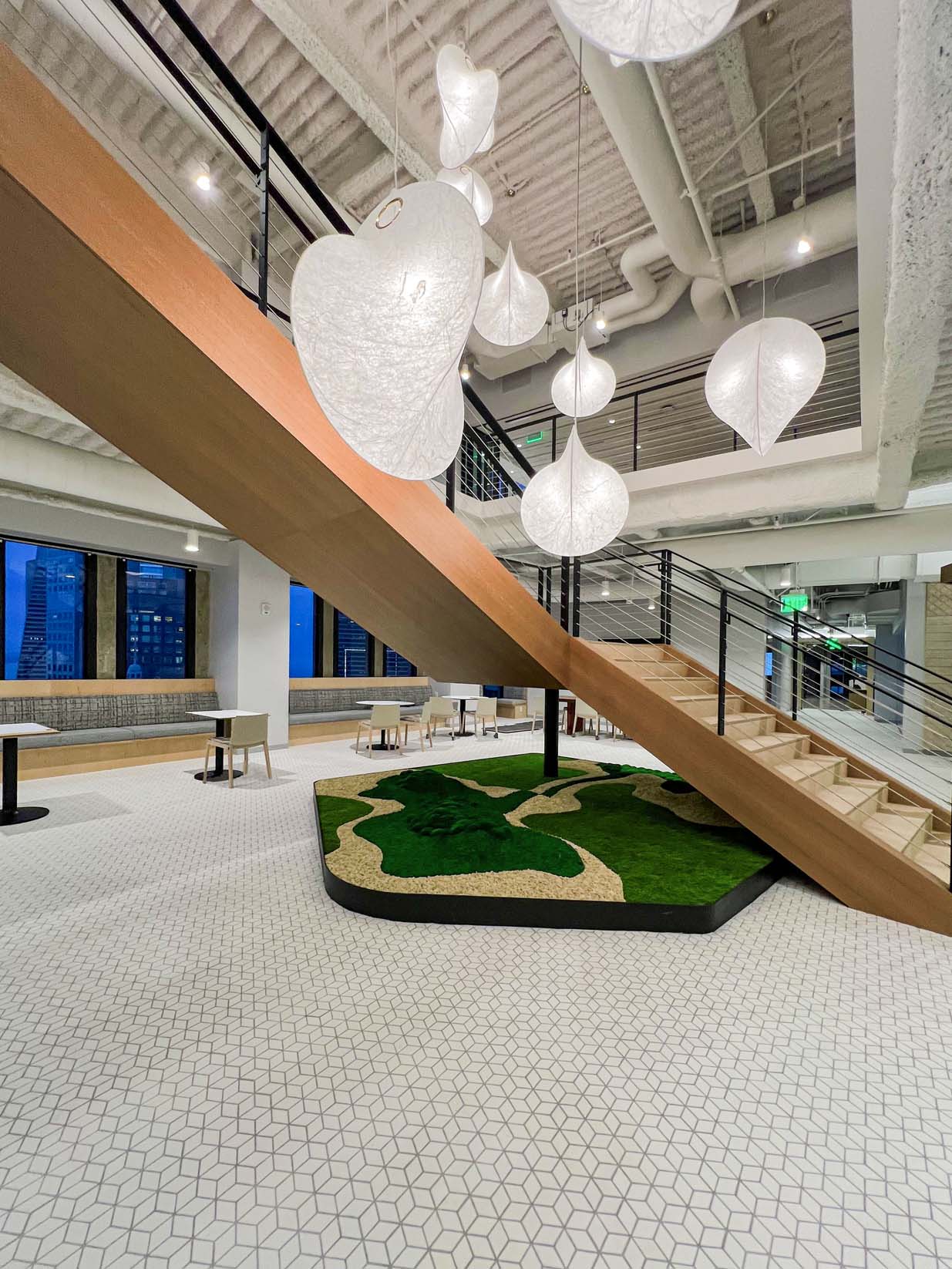
Creating inclusive environments for neurodivergent individuals requires thoughtful consideration of sensory processing differences, cognitive needs, and environmental factors that can either support or overwhelm different neurological patterns. The integration of preserved gardens, moss walls, and carefully selected preserved foliage installations offers powerful tools for designing spaces that accommodate diverse neurological needs while providing the calming, grounding benefits of biophilic design. These natural elements create environments that support focus, reduce overstimulation, and provide sensory regulation opportunities essential for neurodivergent individuals.
The strategic use of preserved nature installations in neurodivergent-friendly spaces acknowledges that traditional design approaches may not meet the unique environmental needs of individuals with autism, ADHD, sensory processing disorders, and other neurological differences. By incorporating preserved greenery and natural textures, designers can create supportive environments that enhance comfort, functionality, and overall wellbeing for all users.
Reducing Sensory Overload Through Natural Elements
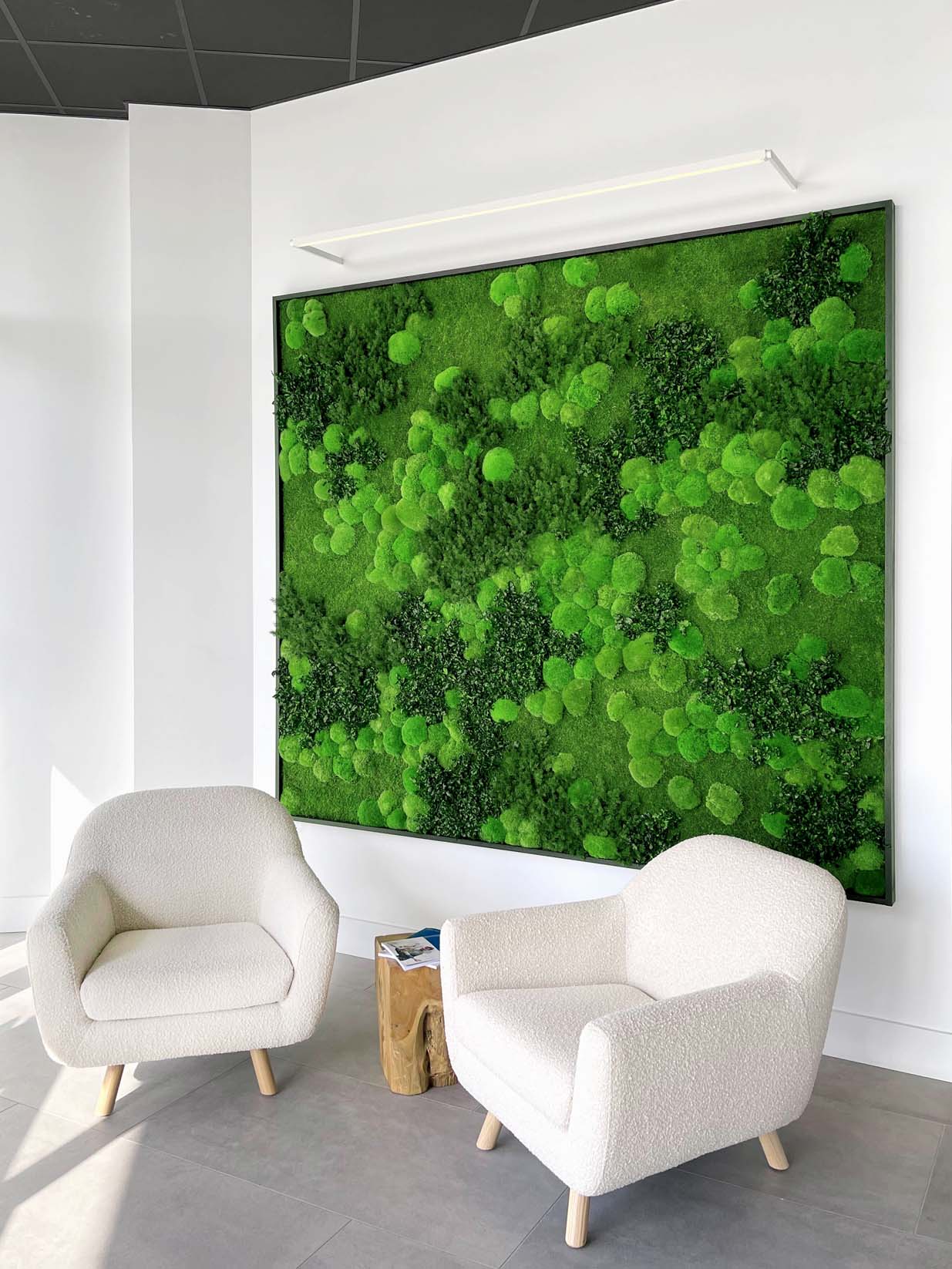
Neurodivergent individuals often experience heightened sensitivity to environmental stimuli, making the calming presence of preserved moss walls and garden installations particularly beneficial for sensory regulation. The organic patterns and muted color palettes found in preserved foliage provide visual stability that contrasts beneficially with potentially overwhelming artificial elements in built environments.
Preserved gardens and moss walls offer consistent sensory input that doesn't change unpredictably, creating reliable environmental anchors that support individuals who thrive with routine and predictability. The natural textures and visual complexity of preserved moss installations engage the senses in gentle, non-threatening ways that can help individuals self-regulate when experiencing sensory overload or environmental stress.
Creating Predictable Visual Environments
Many neurodivergent individuals benefit from environments with predictable visual patterns and consistent aesthetic elements that don't change unexpectedly. Preserved nature installations provide this stability while offering the psychological benefits of natural beauty, creating spaces that support both sensory needs and biophilic wellness.
The unchanging nature of preserved gardens and moss walls eliminates the unpredictability associated with living plants that grow, change, or require maintenance interventions that could disrupt established routines. This consistency makes preserved foliage installations particularly valuable in therapeutic environments, educational settings, and workplaces designed to support neurodivergent individuals who benefit from stable, predictable surroundings.
Supporting Focus and Attention Through Biophilic Design
Research demonstrates that exposure to natural elements can improve attention and focus, benefits that are particularly valuable for individuals with ADHD and other attention-related neurological differences. Preserved moss walls and garden installations provide these cognitive benefits without the distractions or maintenance requirements that might interfere with structured environments.
The strategic placement of preserved gardens creates visual rest areas that support attention restoration without overstimulation, allowing individuals to benefit from nature's cognitive enhancement properties while maintaining the environmental control necessary for optimal functioning. Planter inserts with preserved foliage can be positioned to provide visual breaks during intensive focus periods while supporting sustained attention and cognitive performance.
Providing Sensory Regulation Opportunities
Neurodivergent individuals often require access to sensory regulation tools and environments that help manage sensory processing challenges. Preserved nature installations can serve as components of sensory regulation strategies, providing tactile, visual, and even olfactory experiences that support self-regulation and emotional balance.
The varied textures found in preserved moss and foliage installations offer safe, appropriate sensory input opportunities that can be incorporated into sensory regulation routines. Draping preserved greenery and carefully positioned garden elements create sensory-rich environments that support individual regulation needs while maintaining the safety and cleanliness standards required in therapeutic and educational settings.

Accommodating Processing Differences
Different neurological patterns require different environmental supports, making the versatility of preserved garden installations particularly valuable for inclusive design. The visual complexity of preserved moss walls can be calming for some individuals while potentially overwhelming for others, requiring careful design consideration and strategic placement.
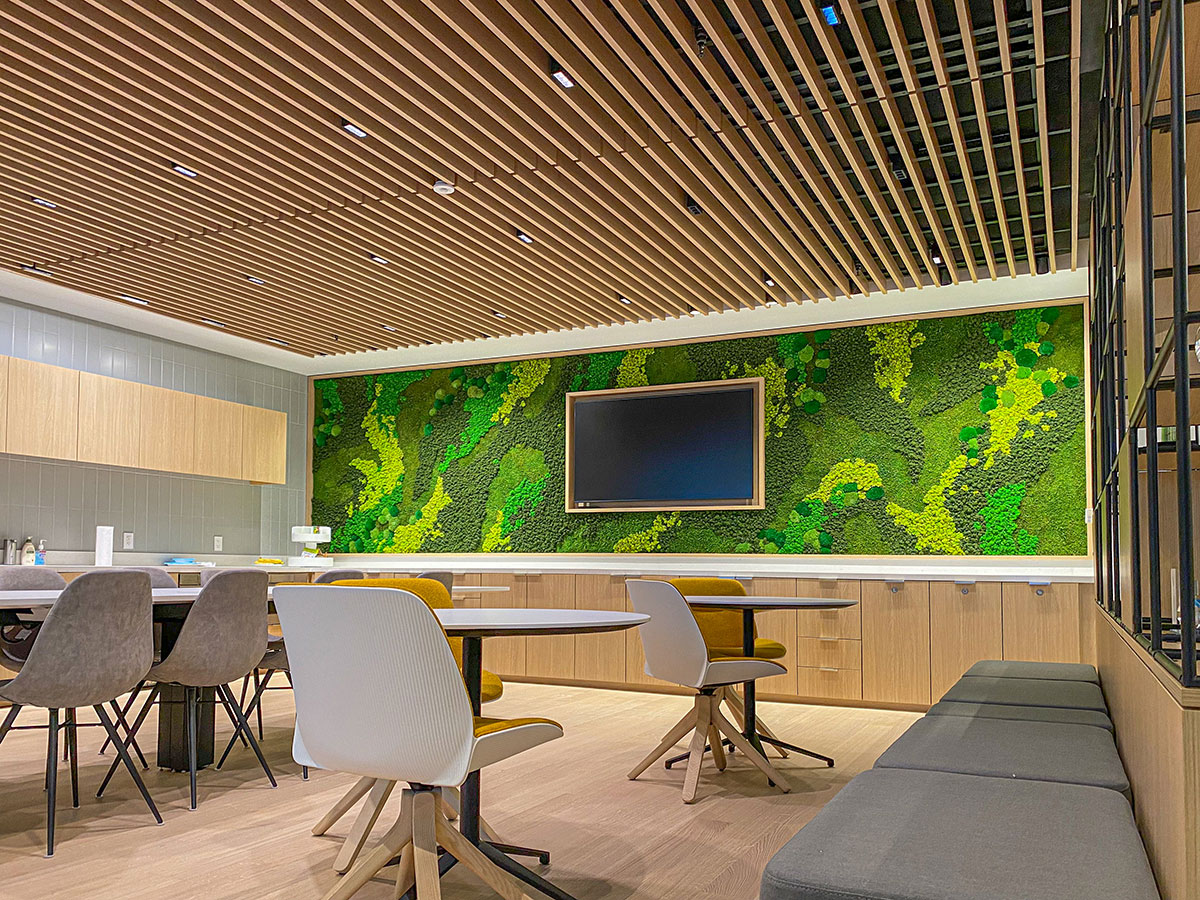
Preserved nature installations offer flexibility in design intensity, from simple, minimalist moss walls that provide gentle natural presence to more complex garden compositions that offer richer sensory experiences. This adaptability allows designers to create graduated sensory environments that can accommodate diverse processing preferences within the same space while maintaining cohesive biophilic design principles.
Building Social Connections Through Shared Natural Experiences
Neurodivergent individuals may face social interaction challenges that can be eased through shared positive experiences with natural environments. Preserved garden installations create natural gathering points and conversation starters that can facilitate social connections in low-pressure, visually appealing settings.
The universal appeal of natural beauty creates common ground for social interactions while providing visual focal points that can ease the anxiety sometimes associated with social situations. Preserved moss walls and garden installations become social facilitators that support community building and peer connections in inclusive environments designed to serve diverse neurological needs.
Advancing Inclusive Design Through Natural Elements
The development of truly inclusive environments requires understanding that neurological diversity is a natural part of human experience that should be celebrated and accommodated through thoughtful design. The integration of preserved gardens, moss walls, and preserved foliage installations represents a significant step forward in creating spaces that support all users while maintaining the aesthetic appeal and functionality essential for successful commercial and institutional environments.
For environments serving neurodivergent populations, the reliability and consistency of preserved nature installations becomes particularly important, as unexpected changes or maintenance disruptions can be especially challenging for individuals who thrive with routine and predictability. Garden on the Wall®'s proven track record with over 1,880 installations and industry-leading longevity of 10-12 years extendable to 20+ years provides the stability essential for neurodivergent-friendly spaces, while their comprehensive safety testing ensures compatibility with therapeutic and educational environments where occupant wellbeing is the primary concern.
Want to learn more? Read Regenerative Office Design: Moving Beyond Net-Zero to Spaces That Actively Restore Human Energy for additional research and insights. Then explore Evidence-Based Design: Restorative Nature for Clinical Outcomes for workplace design strategies, specification resources, and a portfolio of award-winning commercial installations.