Creating Restorative High-Security Spaces with Biophilic Design

Key Takeaways Before You Read the Full Article:
30 Second Executive Summary
High-security environments require a careful balance between safety, control, and human wellbeing. Preserved gardens and moss walls provide biophilic solutions that reduce stress, support mental health, and meet strict operational requirements without compromising security.
🧠 Mental Health Support: Reducing Psychological Strain
Natural elements help mitigate stress and emotional fatigue in controlled environments. Preserved installations provide consistent visual comfort.
💙 Stress Reduction: Creating Calming Environments
Biophilic design reduces agitation and promotes emotional regulation. This contributes to safer and more stable environments.
🛡️ Security Compliance: Designed for Controlled Environments
Preserved gardens eliminate risks associated with maintenance and materials. This ensures safety standards are maintained without compromise.
📈 Rehabilitation Support: Encouraging Positive Behavior
Supportive environments improve engagement and behavioral outcomes. Natural elements contribute to rehabilitation-focused design strategies.
👩💼 Staff Wellbeing: Supporting High-Stress Roles
Restorative environments improve focus and resilience for staff. Better conditions lead to improved operational performance.
Ready to see how biophilic design enhances high-security environments?
The full article explores how preserved gardens support wellbeing while meeting strict safety and operational requirements.
High-security environments present unique design challenges that require balancing stringent safety protocols with human wellbeing needs for both staff and occupants who may spend extended periods in controlled environments. The integration of preserved gardens, moss walls, and preserved foliage installations provides essential biophilic elements that can enhance psychological wellbeing while meeting the rigorous security, safety, and maintenance requirements that characterize correctional facilities, secure healthcare units, and other controlled access environments.
The thoughtful incorporation of preserved nature in high-security settings acknowledges that even the most controlled environments benefit from design elements that support human dignity, stress reduction, and psychological stability while maintaining the operational security and safety standards essential for these specialized facilities.
Supporting Mental Health in Controlled Environments
Extended periods in high-security environments can create significant psychological stress for both staff and occupants, making environmental interventions that support mental health particularly valuable for maintaining stability and wellbeing. Preserved moss walls and garden installations provide visual connections to nature that can help maintain psychological balance and reduce the anxiety, depression, and agitation common in controlled environments.
The natural patterns and organic textures found in preserved foliage installations offer psychological relief from the stark, institutional aesthetics often required by security protocols while providing visual complexity that engages the mind in positive ways. These biophilic elements become essential for creating environments that support human wellbeing while maintaining the security standards necessary for safe facility operations.
Reducing Environmental Stress and Promoting Calm
High-security environments often feature harsh lighting, concrete surfaces, and minimal aesthetic variation that can create sensory deprivation and environmental stress for occupants and staff. Preserved gardens and moss installations provide essential visual relief and sensory variation that help counteract the psychological impact of sterile, institutional environments.
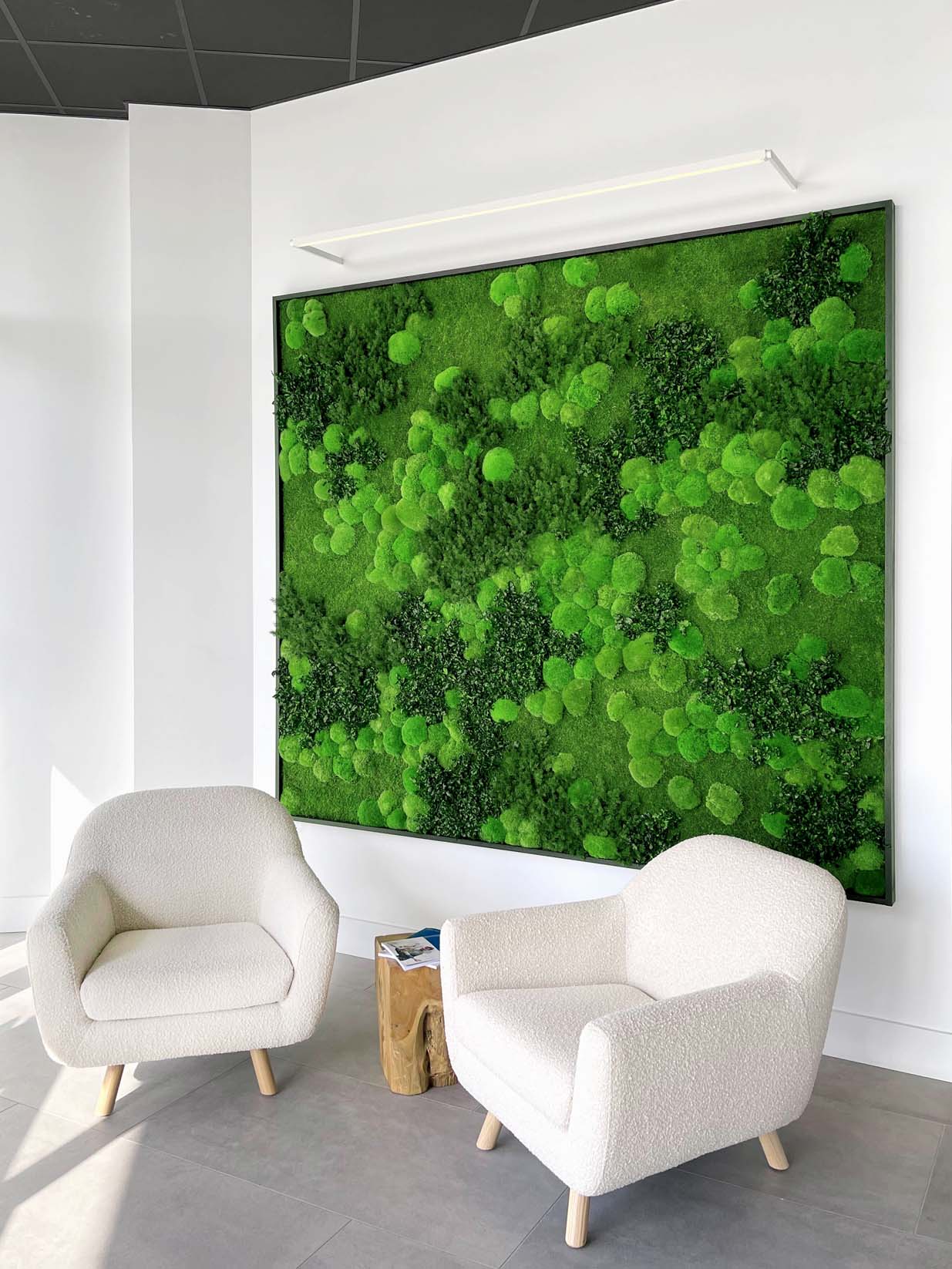
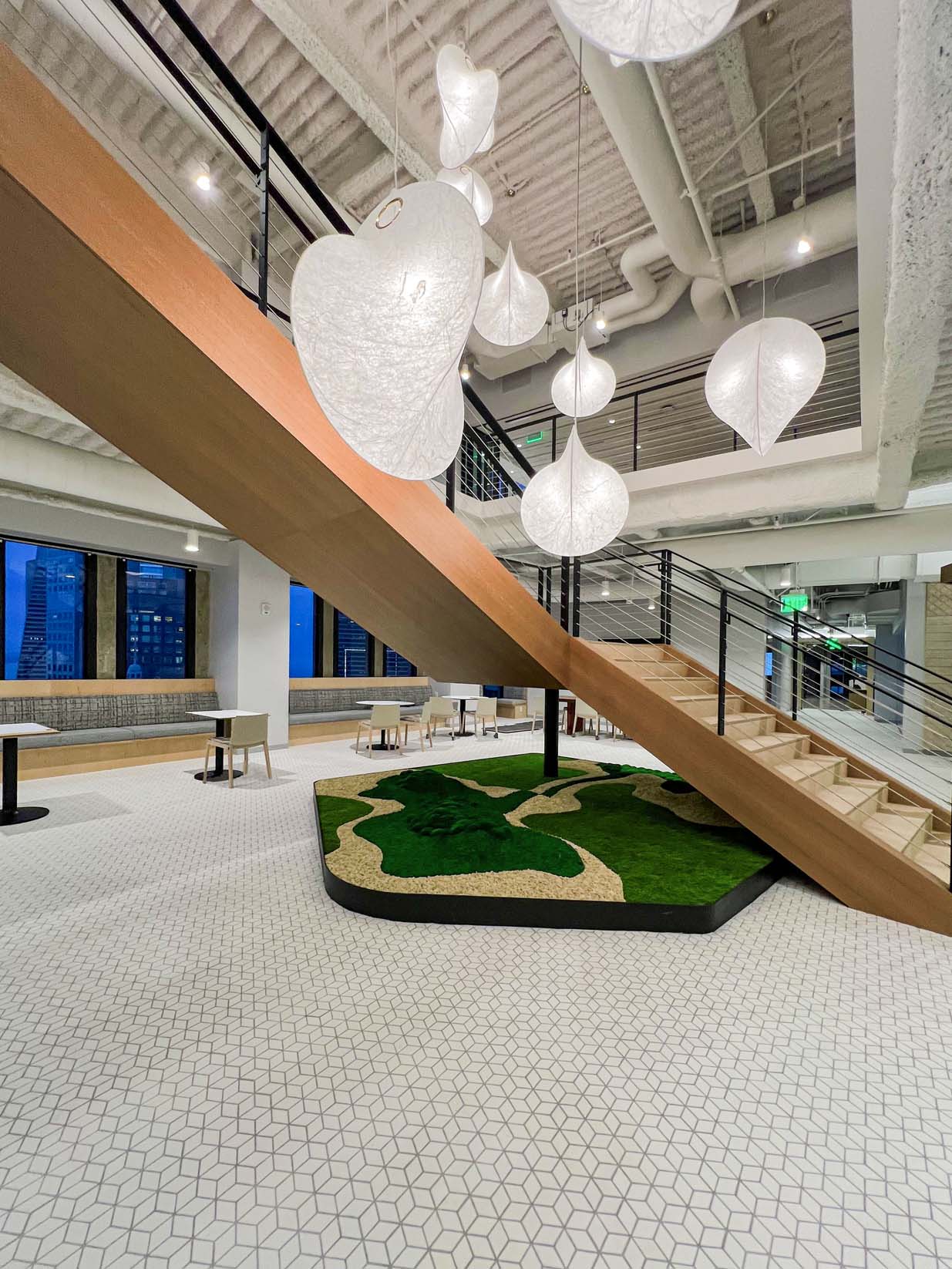
The calming presence of natural beauty helps reduce stress responses and promote emotional regulation that supports both individual wellbeing and facility security through reduced agitation and improved behavioral management. Planter inserts with preserved greenery and strategically positioned garden elements create visual anchors that provide psychological comfort while meeting security requirements for controlled access and minimal maintenance needs.
Meeting Stringent Safety and Security Requirements
High-security environments require materials and installations that cannot be weaponized, hidden behind, or used to compromise facility security, making the selection of appropriate biophilic elements particularly challenging. Preserved gardens offer advantages over living plants by eliminating soil, water, and maintenance access that could create security vulnerabilities while providing natural beauty that supports psychological wellbeing.
The fire safety and material health documentation required for high-security environments demands comprehensive testing and certification that many biophilic products cannot provide. Garden on the Wall®'s extensive third-party testing including ASTM E84 fire ratings, comprehensive safety documentation, and proven performance across over 1,880 installations provides the security-compliant solutions essential for controlled environments where safety cannot be compromised.

Facilitating Rehabilitation and Positive Behavioral Change
Many high-security environments include rehabilitation components that require spaces supporting positive behavioral change, education, and personal development activities. Preserved moss walls and garden installations create environments that feel less punitive and more supportive of personal growth and positive change essential for successful rehabilitation programming.
The presence of natural beauty in rehabilitation spaces helps create positive associations with learning and personal development while providing environments where individuals can practice stress management and emotional regulation skills essential for successful reintegration. These biophilic elements support the therapeutic goals that characterize effective rehabilitation programming while maintaining security requirements.
Supporting Staff Wellbeing and Professional Effectiveness
High-security facility staff face unique occupational stresses that can impact both job performance and personal wellbeing, requiring work environments that provide psychological support and stress reduction opportunities. Preserved nature installations in staff areas, break rooms, and administrative spaces create restorative environments that help security professionals maintain the emotional resilience necessary for effective performance in challenging work environments.
The stress-reducing properties of preserved gardens and moss walls become particularly valuable for staff who must maintain constant vigilance and professional composure while managing potentially volatile situations. Draping preserved greenery and carefully positioned moss installations create staff support areas where psychological restoration can occur during breaks and shift changes while maintaining the operational security essential for facility function.
Addressing Maintenance and Operational Challenges
High-security environments require minimal maintenance interventions and cannot accommodate the care schedules, tools, or access requirements associated with living plants that could create security vulnerabilities or operational disruptions. Preserved gardens eliminate these operational challenges while providing natural beauty that supports psychological wellbeing for both staff and occupants.
The maintenance-free nature of preserved installations makes them particularly valuable for high-security environments where facility access must be strictly controlled, and maintenance activities minimized. The durability and consistency of preserved moss walls ensure that biophilic benefits remain available without creating ongoing operational complexity or security concerns that could compromise facility safety.
Balancing Human Dignity with Security Requirements
The integration of preserved gardens, moss walls, and preserved foliage installations in high-security environments represents a commitment to maintaining human dignity and wellbeing even within the most controlled settings. These biophilic elements demonstrate that security requirements need not eliminate all environmental beauty or natural connection, creating spaces that support both safety and psychological health.
For designers working in high-security environments, the selection of preserved nature installations must prioritize providers who understand the unique requirements of controlled environments and can demonstrate the safety documentation, reliability, and security compliance essential for these challenging applications. When human wellbeing and facility security both depend on environmental design decisions, every specification must reflect the highest standards for safety, reliability, and therapeutic effectiveness that serve both individual dignity and collective security needs.
For more information on this subject, read this article: Regenerative Office Design: Moving Beyond Net-Zero to Spaces That Actively Restore Human Energy and other related information, please visit our website: www.gardenonthewall.com
_Photos%20by%20Jason%20O%27Rear.jpg)