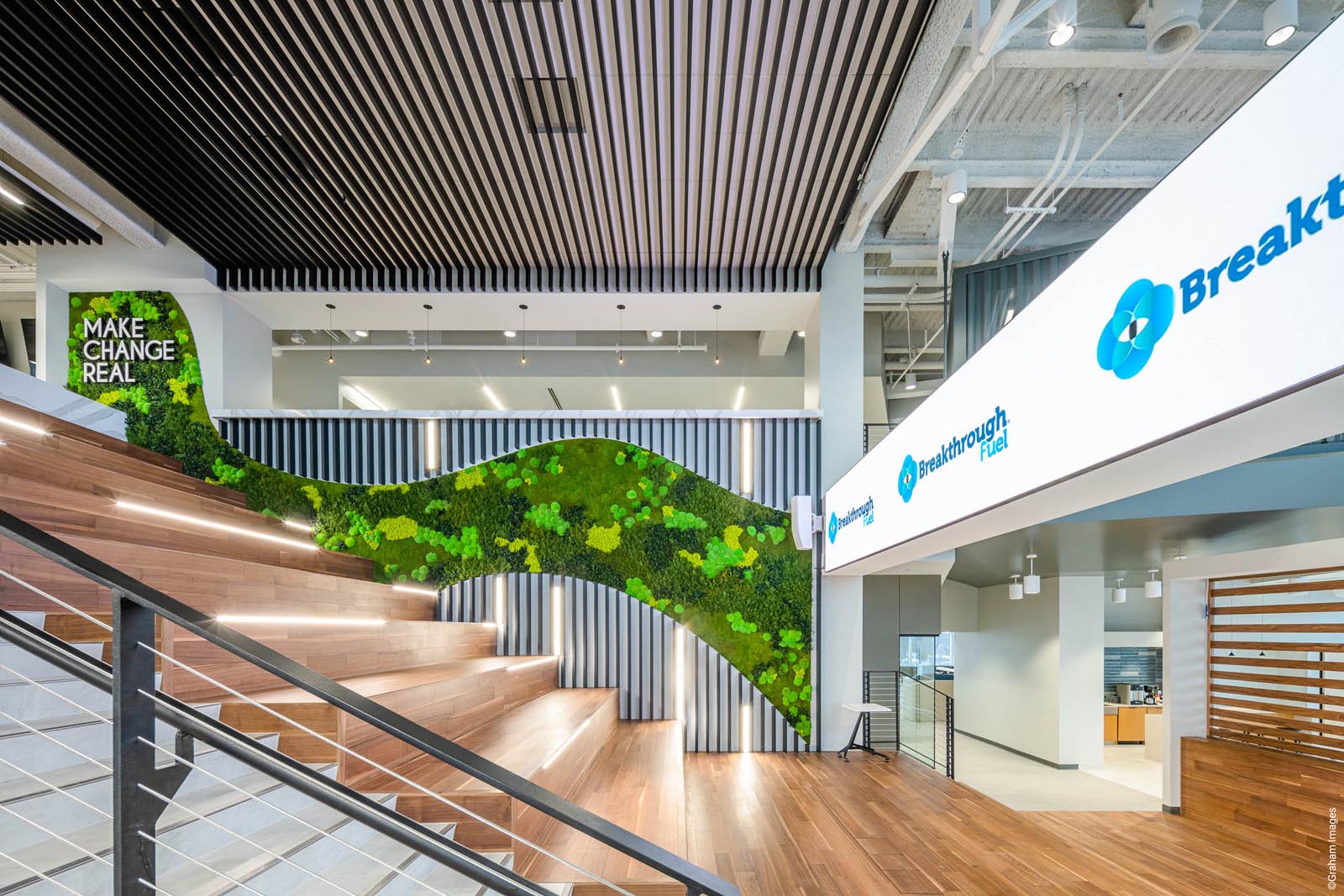
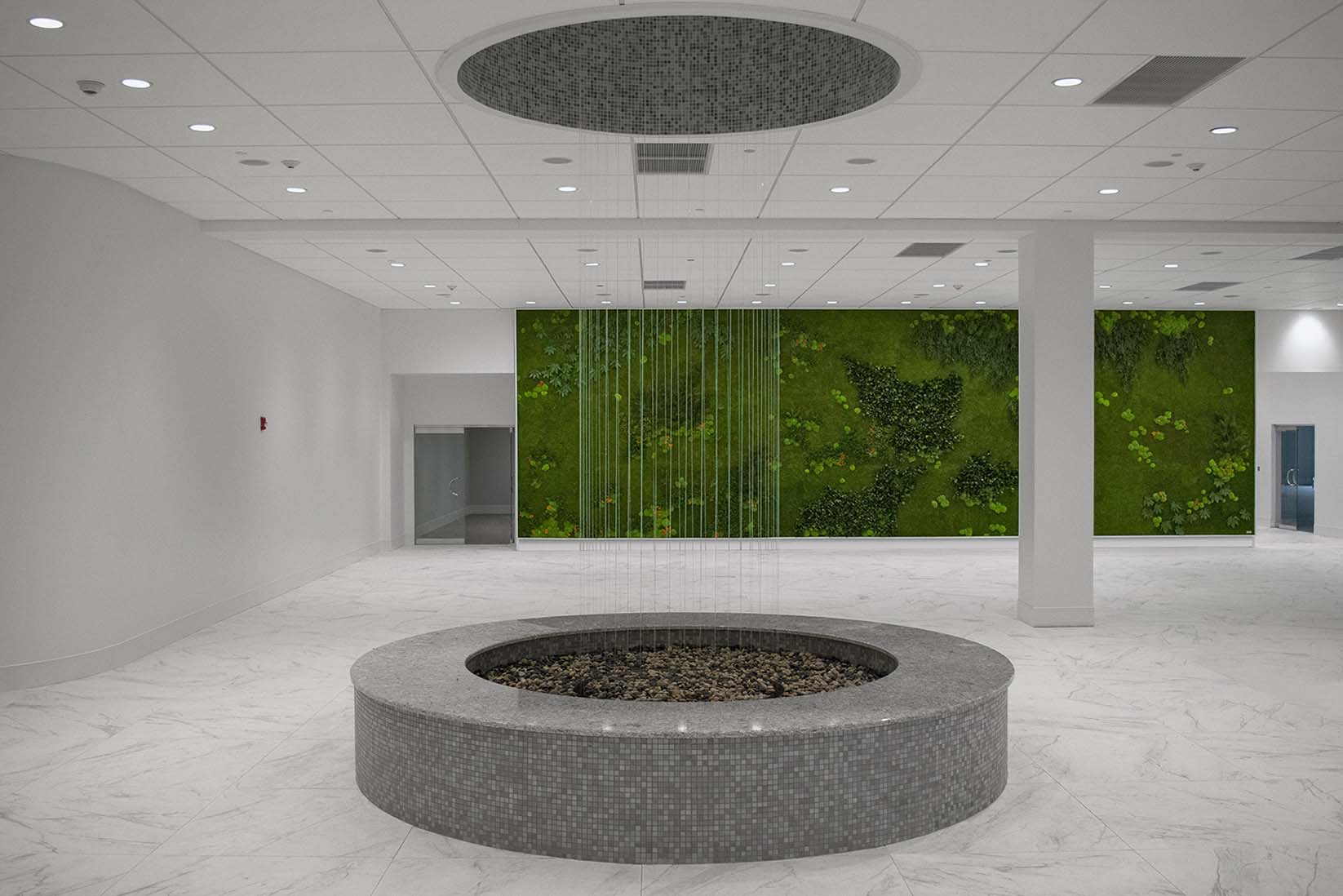
The Art of Difficult Conversations: How Nature Elements Make Hard Talks Easier

Key Takeaways Before You Read the Full Article:
30 Second Executive Summary
Difficult conversations require more than effective communication skills; the physical environment can influence how comfortable people feel expressing concerns, listening, and navigating disagreements. Biophilic design integrates preserved gardens, moss walls, and natural textures into professional meeting spaces to support emotional comfort, psychological safety, and more constructive dialogue.
🧠 Research Foundation: Understanding Defensive Communication
High-stakes conversations can trigger stress responses that interfere with listening, perspective-taking, and problem-solving. Thoughtfully designed environments can help reduce unnecessary environmental stressors while supporting more attentive communication.
🛡️ Psychological Safety: Creating Spaces for Honest Dialogue
Individuals are more likely to participate openly when they feel respected and psychologically safe. Preserved gardens can help create welcoming meeting environments, although organizational behavior and leadership remain essential to establishing genuine psychological safety.
⚖️ Workplace Dynamics: Reducing Perceived Status Barriers
Hierarchical meeting environments can reinforce power differences that discourage open communication. Nature-inspired spaces can provide more neutral surroundings that encourage participation across different organizational levels.
🪑 Environmental Comfort: Supporting Longer Conversations
Extended discussions benefit from comfortable seating, appropriate lighting, acoustic control, and restorative visual elements. Preserved moss walls can contribute to acoustic comfort while creating a more inviting atmosphere for sustained dialogue.
❤️ Emotional Regulation: Supporting Constructive Conflict Resolution
Challenging conversations require individuals to manage strong emotions while remaining receptive to different perspectives. Natural focal points can provide opportunities for visual respite and reflection without interrupting the conversation.
Ready to explore how environmental design can make challenging conversations more constructive? The full article examines how preserved gardens and moss walls can help create meeting spaces that support psychological comfort, attentive listening, emotional regulation, and respectful communication.
Introduction to Communication Challenges in Professional Settings
Difficult conversation facilitation through environmental design represents recognition that physical spaces can dramatically influence communication outcomes by either supporting or undermining the neurological conditions necessary for productive dialogue when stakes are high and emotions run strong. Traditional conference rooms and meeting spaces often amplify rather than ease the inherent stress of challenging conversations through harsh lighting, corporate sterility, and institutional aesthetics that trigger defensive responses before meaningful dialogue can begin. Environmental psychology reveals that certain spatial elements can reduce defensive responses, increase empathy, and create psychological safety that allows honest dialogue to flourish even when addressing sensitive topics or conflicting perspectives.
Communication neuroscience demonstrates that difficult conversations trigger ancient survival mechanisms that prioritize self-protection over understanding, with the amygdala activating fight-or-flight responses that flood systems with stress hormones and make listening, empathy, and collaborative problem-solving nearly impossible. Environmental factors directly influence these stress responses, with harsh artificial environments compounding defensive activation by signaling potential threat to unconscious processing systems. Preserved moss walls and garden installations create environmental conditions that support rather than threaten authentic dialogue by triggering parasympathetic nervous system responses associated with safety and restoration, while organic patterns and natural textures help counteract the defensive stress that often interferes with productive communication during challenging conversations.
The Neuroscience of Defensive Communication
Difficult conversations trigger ancient survival mechanisms that prioritize self-protection over understanding. When individuals anticipate criticism, conflict, or challenging feedback, their amygdala activates fight-or-flight responses that flood the system with stress hormones. This neurological state makes listening difficult, empathy nearly impossible, and collaborative problem-solving unlikely to succeed.
Environmental factors directly influence these stress responses. Harsh, artificial environments compound defensive activation by signaling potential threat to unconscious processing systems. Natural elements, particularly preserved moss walls and garden installations, trigger opposite neurological responses associated with safety and restoration. The organic patterns and textures activate parasympathetic nervous system responses that counteract defensive stress, creating physiological conditions that support rather than undermine productive dialogue.
Research demonstrates that exposure to natural elements reduces cortisol levels and increases oxytocin production, creating neurochemical conditions that enhance empathy and collaborative communication. Preserved gardens provide these neurological benefits consistently without the unpredictability of living plants that might create additional environmental stressors during sensitive conversations. Wall plant art installations create focal points that provide brief visual respite during intense discussions while supporting emotional regulation essential for productive communication outcomes.
Creating Psychological Safety Through Environmental Design
Psychological safety - the belief that one can express thoughts and concerns without risk of humiliation or retaliation - forms the foundation of effective difficult conversations. Traditional conference rooms with their formal, sterile aesthetics often communicate hierarchy, judgment, and professional distance that undermines psychological safety necessary for honest dialogue and collaborative problem-solving.
Preserved nature installations transform these dynamics by introducing elements associated with growth, patience, and natural processes. Organic textures suggest that imperfection and development are natural rather than problematic, while the calming visual presence reduces stress responses that trigger defensive communication patterns. Draping preserved foliage can soften the hard edges of formal meeting spaces, creating more intimate environments that encourage vulnerability and honest expression.
Vertical green walls provide natural backgrounds that reduce the institutional feel of corporate meeting spaces while creating environments that feel more conducive to personal sharing and emotional expression. The consistent presence of natural elements signals organizational commitment to supportive communication rather than punitive evaluation, creating implicit messages that facilitate rather than hinder difficult conversations.
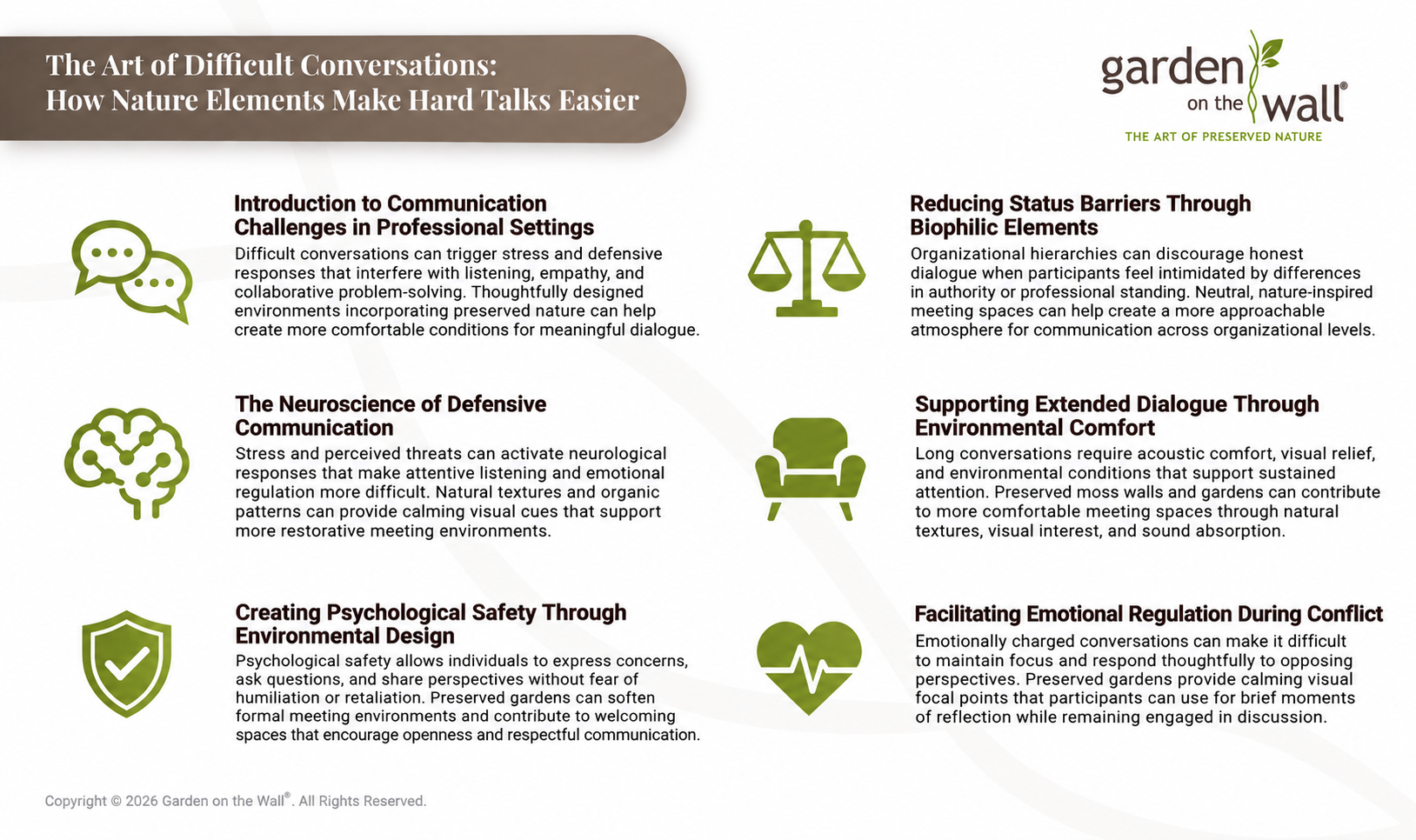
Reducing Status Barriers Through Biophilic Elements
Many difficult conversations involve status differences that create additional communication barriers. Managers delivering feedback to employees, senior professionals mentoring junior colleagues, or executives discussing budget constraints with department heads all navigate complex power dynamics that can inhibit honest dialogue and mutual understanding.
Natural elements have a unique ability to reduce perceived status differences by connecting all participants to universal human experiences. Preserved gardens create common ground that transcends organizational hierarchy - everyone shares the same positive responses to natural beauty and organic patterns. This shared environmental experience can help level conversational playing fields, making it easier for individuals with different organizational status to engage in genuine dialogue rather than performative communication designed to protect position or reputation.
No-upkeep green walls provide consistent environmental quality that doesn't favor particular status levels while creating neutral territory where honest communication can occur without the environmental reinforcement of hierarchical differences that traditional corporate meeting spaces often emphasize through formal design elements.
Supporting Extended Dialogue Through Environmental Comfort
Difficult conversations often require extended time periods to work through complex issues, explore different perspectives, and develop mutually acceptable solutions. Traditional meeting environments often become uncomfortable during longer discussions, as artificial lighting, poor acoustics, and visual sterility create fatigue that undermines conversation quality and participant engagement.
Preserved moss walls provide visual rest for eyes strained by artificial lighting and screen exposure, allowing participants to maintain focus during extended discussions. The acoustic properties of preserved installations help reduce background noise and create more intimate conversational atmospheres that support deeper dialogue. Garden on the Wall® installations provide proven noise reduction capabilities with documented sound absorption characteristics that create optimal acoustic environments for sensitive conversations.
Planter inserts with preserved foliage offer flexible solutions that can be adjusted based on conversation requirements while providing consistent environmental support for extended dialogue. These installations serve as natural focal points that provide brief visual respite during intense conversations without disrupting the flow of discussion or compromising conversational momentum.
Draping preserved foliage creates natural transitions within meeting spaces while providing ongoing environmental support that helps participants maintain emotional regulation and cognitive clarity throughout demanding conversational processes that require sustained attention and emotional intelligence.
Facilitating Emotional Regulation During Conflict
Difficult conversations often involve strong emotions that can either enhance understanding or derail productive dialogue. The ability to experience and express emotions while maintaining behavioral choices requires specific neurological conditions that standard meeting environments rarely support effectively.
Preserved nature installations provide environmental anchors that support emotional regulation during challenging discussions. When conversations become intense, participants can briefly connect with calming natural elements to restore emotional balance without leaving the conversation or disrupting momentum. The consistent presence of organic textures and patterns provides psychological stability that helps individuals navigate emotional complexity while remaining engaged in productive problem-solving.
Moss art installations create visual focal points that provide emotional grounding during difficult conversations while supporting the cognitive flexibility necessary for collaborative exploration of complex interpersonal and organizational challenges. These environmental elements help maintain conversational focus while supporting emotional processing that enhances rather than compromises communication effectiveness.
Conclusion
As organizations recognize the crucial importance of effective communication for business success, environmental design that actively supports difficult conversations becomes increasingly valuable. Spaces that facilitate rather than hinder challenging dialogue create competitive advantages through improved conflict resolution, more effective feedback processes, and stronger professional relationships.
Commercial interior designers have opportunities to create environments that serve as communication laboratories where difficult conversations become opportunities for growth rather than sources of stress and conflict through strategic preserved garden integration.
For more information on this subject, read this article: De-escalative Design Strategies for Conflict Resolution Spaces and other related information, please visit our website: www.gardenonthewall.com.
Frequently Asked Questions
How can biophilic design support difficult conversations?
Biophilic design introduces natural elements that can help reduce environmental stress and create more comfortable settings for communication. Preserved gardens and moss walls provide calming visual features that support attentive listening and constructive dialogue.
Can preserved moss walls help create psychological safety in meeting rooms?
Preserved moss walls can soften formal meeting environments and create a more welcoming atmosphere for sensitive discussions. While psychological safety depends on trust and organizational culture, thoughtful environmental design can support conditions for open communication.
Do preserved gardens help reduce stress during conflict?
Natural textures, organic patterns, and restorative visual elements can provide calming focal points during emotionally demanding conversations. Preserved gardens offer opportunities for brief visual respite that may support emotional regulation without interrupting dialogue.
Where should preserved gardens be installed to support workplace communication?
Conference rooms, mediation spaces, executive meeting areas, and private collaboration zones are suitable locations. Strategically placed preserved gardens can enhance visual comfort, contribute to sound absorption, and create more approachable environments for challenging conversations.