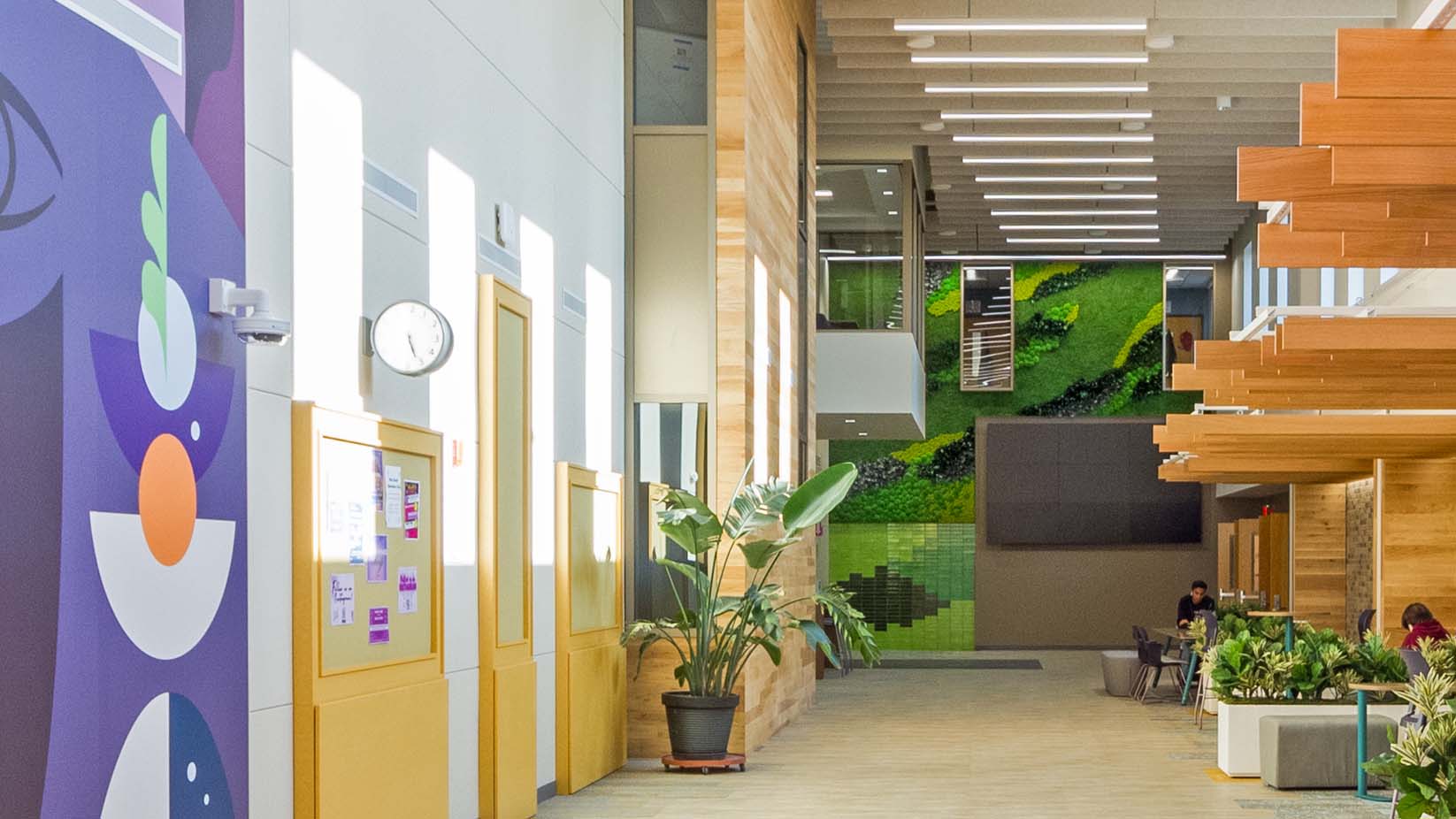
De-escalative Design Strategies for Conflict Resolution Spaces
Key Takeaways Before You Read the Full Article:
30 Second Executive Summary
De-escalative design strategies using preserved moss walls create conflict resolution spaces that reduce tension, promote calm communication, and support productive dialogue through biophilic elements that naturally encourage peaceful interaction.
🔬 Research Foundation: Environmental psychology validates that natural elements reduce aggressive behaviors, lower stress hormones, and promote prosocial interactions that support effective conflict resolution and peaceful communication.
💡 Innovation Edge: De-escalative design incorporates preserved nature elements that create psychologically safe spaces for difficult conversations while providing calming influences that support emotional regulation during conflicts.
🏗️ Project Integration: Preserved moss walls integrate into mediation rooms, counseling spaces, and conflict resolution areas while providing consistent calming benefits without maintenance disruptions that could compromise sensitive processes.
📊 Performance Metrics: Conflict resolution spaces with biophilic design demonstrate improved resolution success rates, reduced escalation incidents, enhanced participant satisfaction, and more productive dialogue outcomes.
Ready to create de-escalative environments that support peaceful conflict resolution? The complete article reveals design strategies using preserved gardens that promote calm communication and successful conflict resolution.
In environments where tensions run high such as crisis centers, courtrooms, mediation rooms, law firm interiors, and emergency departments thoughtful design plays a crucial role in creating atmospheres that naturally promote calm and facilitate resolution.
De-escalative design incorporates elements specifically chosen to reduce stress, lower anxiety, and foster a sense of safety for all occupants. Among these strategies, biophilic features like preserved gardens and moss walls have emerged as powerful tools for diffusing tension and creating environments conducive to peaceful outcomes.
Understanding De-escalative Design
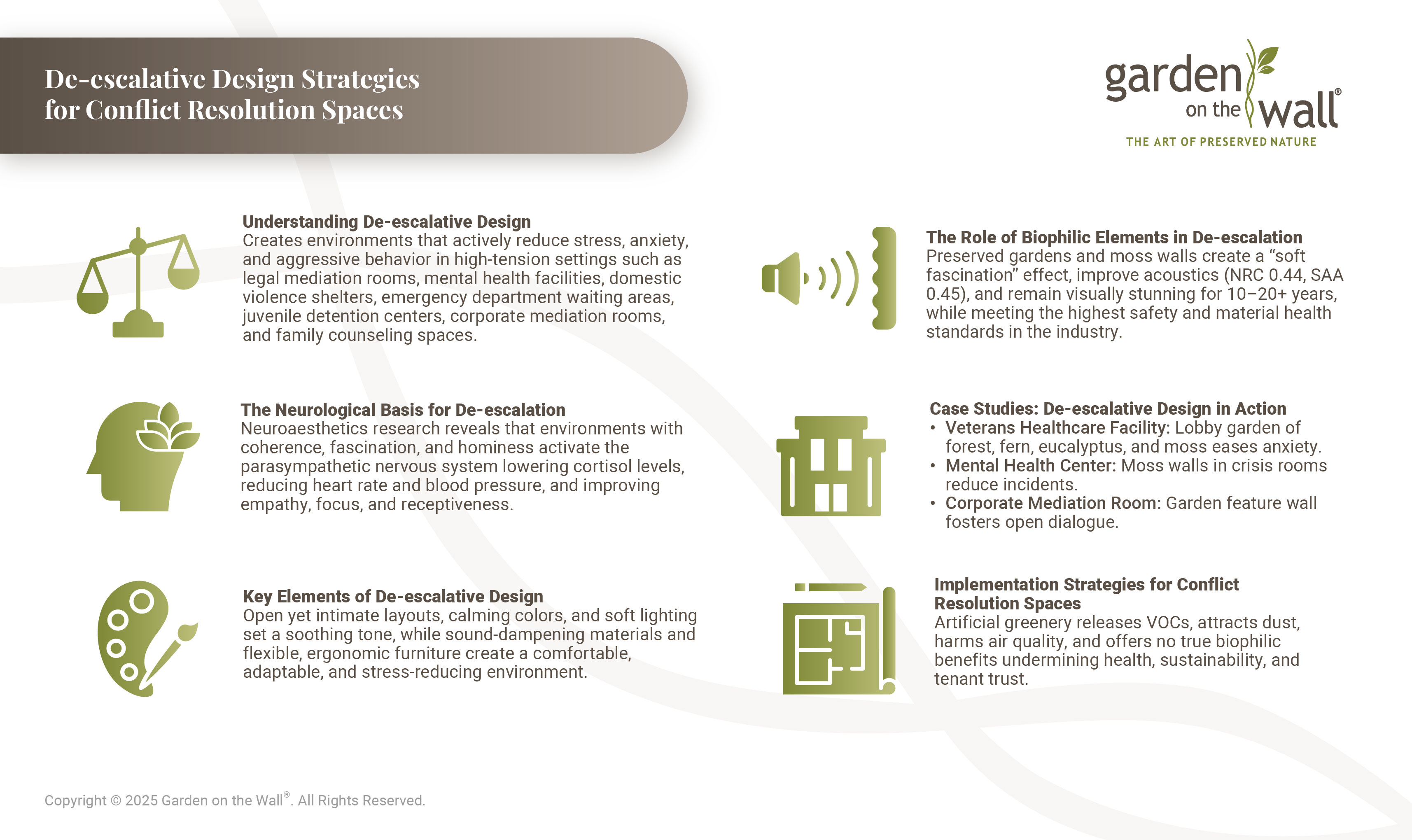
De-escalative design is an approach that uses environmental elements to reduce stress, anxiety, and aggressive behavior. It is particularly valuable in spaces where conflict resolution is a central function, including legal mediation centers, mental health crisis facilities, domestic violence shelters, emergency department waiting areas, juvenile detention centers, corporate mediation rooms, and family counseling centers. At its core, this design philosophy recognizes the influence our physical surroundings have on emotional states and behavior. By intentionally integrating features that promote calm, these spaces can actively help defuse tense situations before they escalate.
The Neurological Basis for De-escalation
Research in neuroaesthetics and neuroarchitecture shows that certain design elements can activate the parasympathetic nervous system our “rest and digest” mode rather than the sympathetic “fight or flight” response.
According to studies led by Anjan Chatterjee at the Penn Center for Neuroaesthetics, environments that rate high in coherence (ease of understanding a scene), fascination (richness and visual engagement), and hominess (personal ease and comfort) produce the most positive neurological responses.
In conflict resolution spaces, the goal is to reduce cortisol levels, increase oxytocin and serotonin production, lower heart rate and blood pressure, enhance cognitive function, and improve empathy and openness to others’ perspectives.
Key Elements of De-escalative Design
Several environmental components work together to create spaces that naturally reduce tension. Spatial layout is essential—open yet intimate configurations with clear sightlines can ease feelings of confinement while maintaining privacy. Seating arranged at angles instead of directly opposite can reduce a confrontational dynamic.
Color psychology also plays an important role, with soft blues and greens encouraging calm, while intense reds and oranges should be used sparingly due to their potential to increase agitation. Lighting that combines natural daylight with warm, diffused artificial sources fosters openness without harsh glare or shadows.
Acoustic considerations are equally vital, as sound-absorbing materials reduce reverberation that can raise stress levels, while subtle background white noise helps maintain privacy without creating discomfort. Finally, comfortable, ergonomic, and movable furnishings give participants a sense of control, allowing them to adjust their personal space as needed.
The Role of Biophilic Elements in De-escalation
Among all the strategies available, biophilic elements features that connect occupants with nature are some of the most effective. The human connection to nature is deeply ingrained, and research consistently demonstrates that exposure to natural elements can reduce stress and improve emotional well-being. Preserved gardens and moss walls are especially well-suited to bringing these benefits indoors.
Garden on the Wall® installations offer a visual calming effect through organic patterns and textures that provide “soft fascination,” gently engaging attention and allowing the mind to recover from fatigue. They also enhance acoustics, with a Noise Reduction Coefficient of 0.44 and a Sound Absorption Average of 0.45, creating quieter environments that encourage clear communication and reduce noise-related anxiety.
Unlike living plants, which require maintenance and can deteriorate, preserved installations remain vibrant for 10–12 years, with longevity extending to 20+ years through a rejuvenation program. In addition, Garden on the Wall® products meet the highest safety and material health standards, including HPD v2.3 disclosure and compliance with California Department of Public Health VOC regulations, ensuring they contribute positively to indoor environmental quality.
Case Studies: De-escalative Design in Action
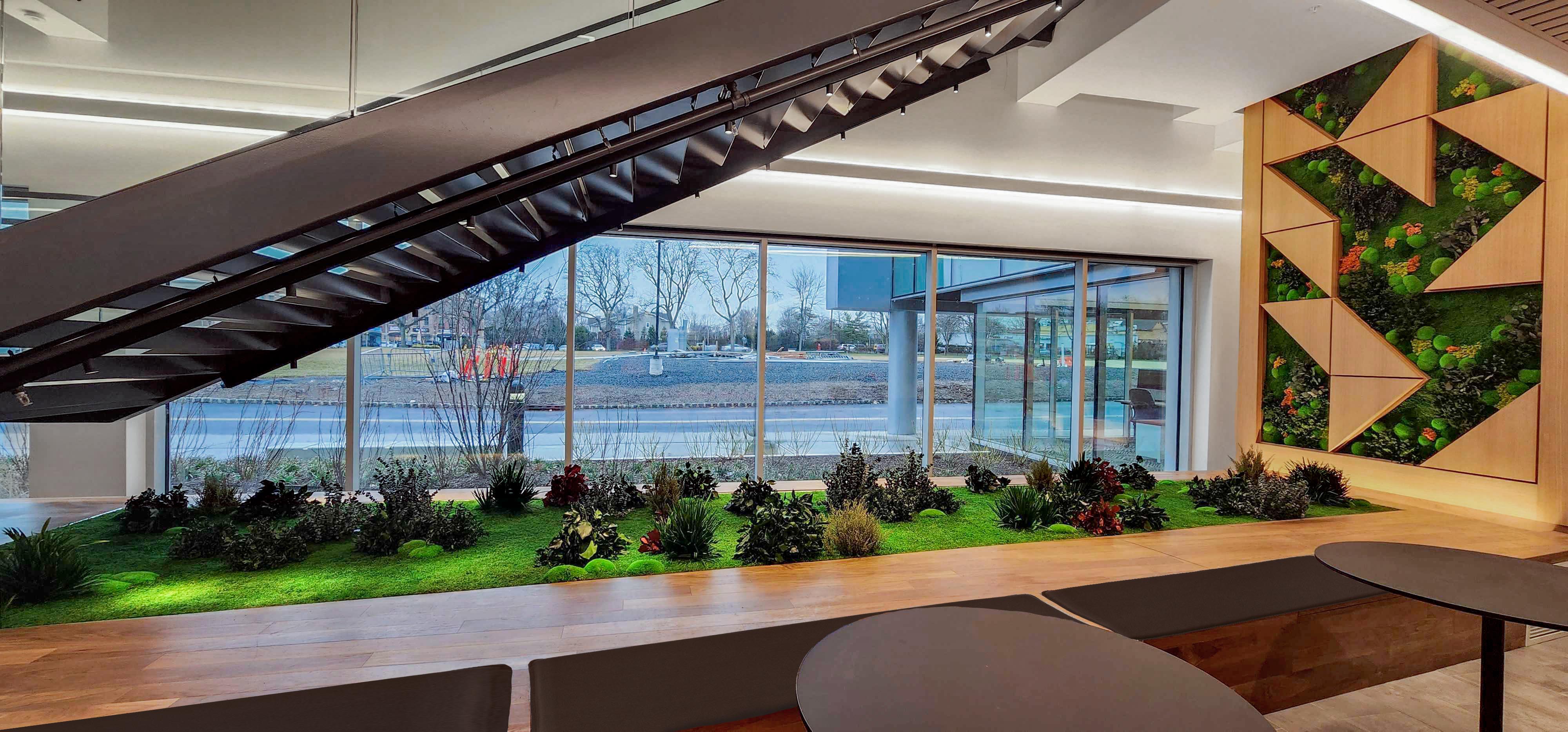
The impact of preserved gardens in conflict resolution environments can be seen in multiple real-world applications. At a Veterans Healthcare Facility - where a lot of mental health patients are being taken care of, a horizontal preserved garden composed of forest, fern, eucalyptus, and moss species creates a calming focal point in the lobby, setting a reassuring tone for visitors.
A community mental health center incorporated preserved moss walls in crisis intervention rooms, providing a soothing backdrop that staff reported helped reduce incidents of escalation. In a corporate setting, a mediation room redesign featuring a preserved garden feature wall created an atmosphere distinct from standard meeting spaces, signaling to participants that the environment was dedicated to open, constructive dialogue.
Law firm interiors present another compelling application.Settlement negotiation and mediation suites benefit from preserved garden installations that soften the formality of a traditional conference room,helping opposing parties approach difficult discussions with less defensiveness. Client-facing conference rooms used for sensitive matters, such as divorce proceedings, estate disputes, or high-stakes litigation strategy sessions, can similarly incorporate preserved moss walls to ease anxiety and project a calmer, more reassuring tone during emotionally charged meetings.
Implementation Strategies for Conflict Resolution Spaces
When incorporating de-escalative design, placement and integration are key. Preserved gardens can define distinct zones, separating waiting areas from meeting rooms or creating smaller conversation spaces within larger areas. In law firm reception areas, a preserved garden installation can establish a calming first impression for clients arriving for difficult appointments, while also visually distinguishing private consultation zones from general waiting space.
They can also guide movement naturally through a space, acting as visual focal points that encourage flow without imposing rigid barriers. Partial preserved garden screens offer visual privacy without creating the sense of confinement that fully enclosed spaces can cause. Ensuring that biophilic features are visible from all seating positions allows every participant to benefit from their calming influence. Designers can also select preserved plant species with cultural significance for the populations served, adding another layer of comfort and connection.
Conclusion: Designing for Resolution
The integration of preserved gardens and moss walls into conflict resolution spaces illustrates the powerful role design can play in influencing emotional and behavioral outcomes. With industry-leading longevity, comprehensive safety certifications, and proven acoustic benefits, Garden on the Wall® installations offer lasting de-escalative benefits with the lowest total cost of ownership. As understanding grows about how environments shape human interaction, preserved nature stands as a compelling design choice for spaces dedicated to guiding tense situations toward peaceful and productive resolution.
Want to learn more? Read Neuroinclusive Workplace: Creating Sensory Supportive Environments with Preserved Gardens for additional research and insights. Then explore The Destination Office: Human-Centric Biophilia for Workplace Excellence for workplace design strategies, specification resources, and a portfolio of award-winning commercial installations.