The 3-Second Rule: How Preserved Gardens and Moss Walls Create Instant Emotional Connection in Commercial Spaces

Key Takeaways Before You Read the Full Article:
30 Second Executive Summary
The first three seconds inside a commercial space shape lasting emotional impressions that influence satisfaction, trust, and future behavior. Preserved gardens and moss walls create immediate biophilic connections that positively affect how people experience workplaces, healthcare facilities, hospitality environments, and commercial interiors.
🧠 Neuroscience: First Impressions Begin Before Conscious Thought
The brain processes environmental cues emotionally before rational evaluation occurs. Preserved nature installations activate positive neurological responses associated with comfort, safety, and wellbeing.
📍 Emotional Anchoring: Creating Memorable Experiences
Strategically positioned preserved gardens become lasting visual landmarks that strengthen emotional attachment to commercial spaces. These positive first impressions influence long-term perceptions of both place and brand.
🌿 Natural Patterns: Why Organic Design Feels Instinctively Comfortable
The brain naturally responds to organic forms, fractal geometry, and natural textures. Preserved moss walls provide visual complexity that captures attention while promoting psychological restoration.
📊 Business Value: Measuring Emotional Performance
Positive emotional experiences translate into measurable business outcomes including increased satisfaction, stronger brand perception, and greater customer loyalty. Biophilic first impressions become valuable commercial assets.
🏢 Long-Term Impact: Consistent Emotional Performance
Maintenance-free preserved gardens maintain their visual quality and emotional influence for years. This long-term consistency helps reinforce positive experiences across every visitor interaction.
Ready to understand how the first three seconds influence every commercial experience? The full article explores how preserved gardens and moss walls create powerful emotional connections that shape perception, behavior, and long-term business success.
Understanding Instant Emotional Response in Commercial Environment Design
The human brain forms initial impressions within three seconds of entering any space, creating lasting emotional associations that influence behavior, satisfaction, and decision-making throughout entire visits. This neurological phenomenon, known as the "3-second rule," represents one of the most critical factors in commercial interior design success, yet many environments fail to optimize these crucial first moments for positive emotional impact. Research in environmental psychology demonstrates that initial emotional responses to spaces significantly predict subsequent user satisfaction, dwell time, and likelihood of return visits.
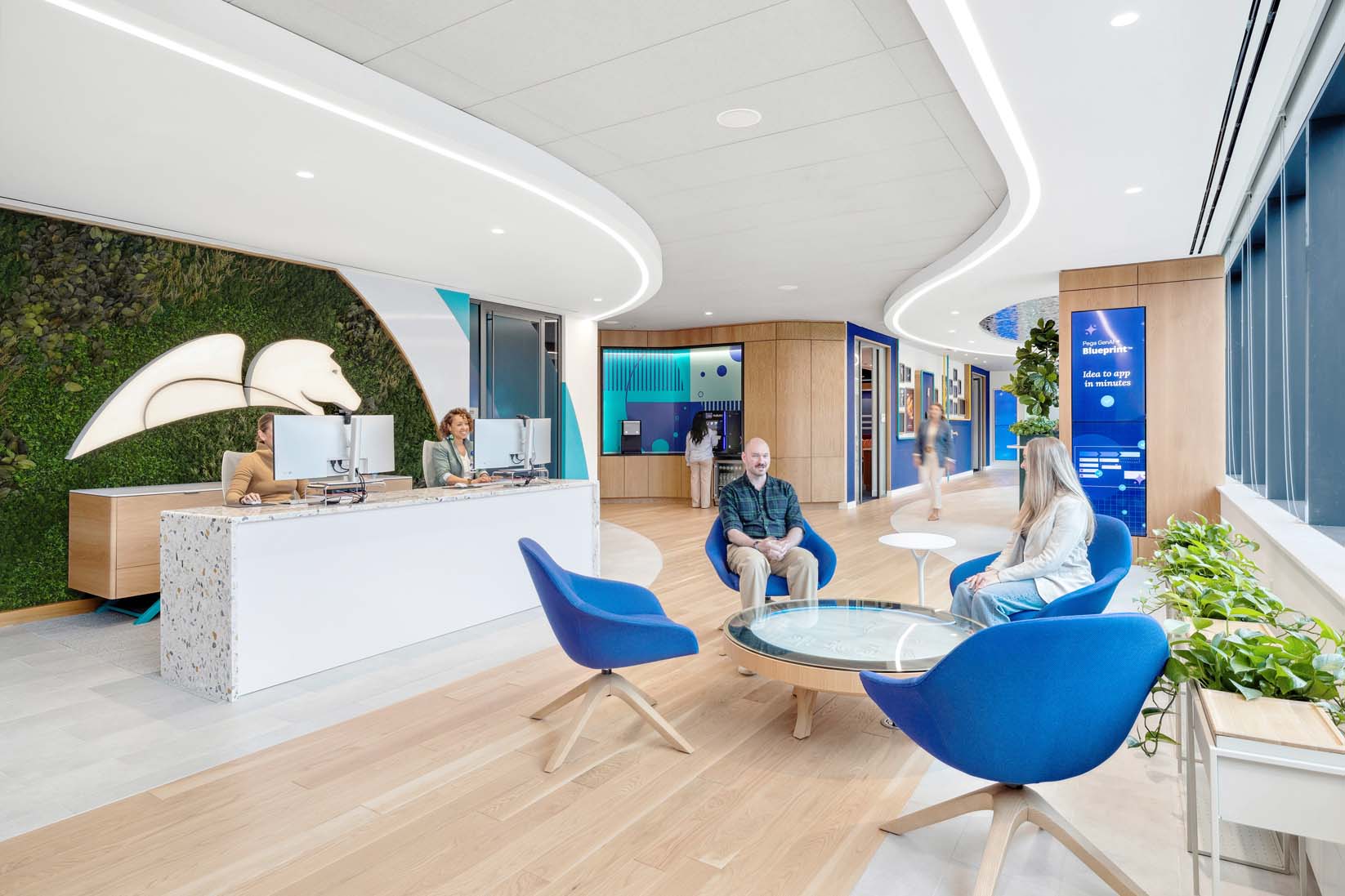
Commercial spaces that master the 3-second rule create immediate emotional connections through strategic environmental elements that trigger positive psychological responses before conscious evaluation begins. Preserved gardens, moss walls, and vertical green walls excel in generating instant positive emotions through their inherent connection to nature's calming and restorative properties. These biophilic installations provide visual complexity, natural textures, and organic patterns that immediately signal safety, beauty, and environmental quality to visitors' subconscious processing systems.
The Neuroscience of First Impressions and Environmental Response
Neuroscientific research reveals that environmental first impressions activate the brain's limbic system before engaging conscious analytical processes, creating emotional responses that influence subsequent rational evaluation. The amygdala processes environmental threats and opportunities within milliseconds, while the prefrontal cortex requires several seconds to begin conscious analysis. This neurological sequence means that emotional responses to spaces precede and influence logical assessment, making immediate visual impact crucial for positive user experience.
Nature elements trigger particularly powerful positive responses through evolutionary programming that associates natural environments with safety, resources, and wellbeing. Preserved moss walls and garden installations activate these deeply rooted psychological associations instantly, creating positive emotional anchoring that enhances subsequent space evaluation. The organic patterns, varied textures, and natural colors found in preserved gardens provide optimal visual stimulation that engages attention without overwhelming cognitive processing capacity.
Studies using neuroimaging technology demonstrate that exposure to nature elements, even in preserved form, activates brain regions associated with pleasure, relaxation, and positive emotion within the first few seconds of viewing. These immediate neurological responses create favorable conditions for all subsequent interactions with commercial spaces, influencing everything from customer satisfaction to employee productivity and retention.
Creating Emotional Anchoring Through Strategic Biophilic Placement
Emotional anchoring occurs when specific environmental elements become associated with positive feelings, creating lasting memories that influence future space perception and user behavior. Strategic placement of preserved gardens and moss walls at key visual focal points maximizes emotional anchoring potential by ensuring that nature elements dominate initial visual impressions. Reception areas, main entrances, and primary circulation paths represent optimal locations for creating immediate emotional connections through biophilic design.
The visual hierarchy principle suggests that larger, more complex natural installations create stronger emotional anchoring than smaller decorative elements. Preserved garden walls that span significant vertical surfaces provide sufficient visual impact to dominate first impressions while creating memorable experiences that differentiate commercial spaces from competitors. These installations become psychological landmarks that visitors associate with positive emotions and environmental quality.
Color psychology research indicates that the natural greens found in preserved moss and foliage installations trigger immediate stress reduction and emotional regulation responses. Green hues activate the parasympathetic nervous system, promoting relaxation and positive mood states that enhance subsequent space interactions. The varied green tones and natural color variations in preserved gardens provide optimal chromatic stimulation for positive emotional response without creating visual fatigue or overstimulation.
The Psychology of Natural Pattern Recognition and Comfort
Human pattern recognition systems evolved to identify and respond positively to natural forms, textures, and organizational principles found in living systems. Preserved gardens and moss walls provide authentic natural patterns that trigger immediate recognition and positive response through fractal geometry, organic asymmetry, and biomorphic forms that align with psychological preferences developed over millennia of evolution.
Fractal patterns found in natural moss formations and preserved foliage create visual interest that maintains attention without causing cognitive overload. These mathematical patterns, repeated at multiple scales within preserved installations, provide optimal visual complexity for sustained positive engagement. Research demonstrates that fractal dimensions between 1.3 and 1.5, commonly found in natural vegetation, produce the most positive emotional responses and sustained visual interest.
The concept of "soft fascination" describes how natural elements capture attention gently without demanding cognitive effort, creating ideal conditions for psychological restoration and positive emotional states. Preserved moss walls exemplify soft fascination through their detailed textures and varied patterns that invite closer examination while remaining visually cohesive and calming. This gentle attention capture enhances rather than competes with primary space functions while providing ongoing emotional benefits.
Measuring Emotional Impact and Commercial Value
Quantifying emotional impact requires both physiological measurements and behavioral observation to validate the commercial value of strategic biophilic placement. Heart rate variability, cortisol levels, and brain activity patterns provide objective measures of emotional response, while user behavior including dwell time, return visits, and satisfaction scores indicate commercial effectiveness. Organizations implementing preserved garden installations often observe measurable improvements in customer satisfaction and employee engagement within the first quarter of installation.
Eye-tracking studies reveal that preserved moss walls and garden installations capture initial visual attention more effectively than synthetic alternatives, creating stronger first impressions and more positive emotional associations. The natural complexity and authentic textures in preserved installations generate longer viewing times and more positive facial expressions compared to artificial alternatives, validating their effectiveness for creating emotional connections.
Customer experience metrics including Net Promoter Scores and satisfaction ratings frequently improve following strategic biophilic installation, demonstrating the commercial value of positive emotional first impressions. Organizations investing in preserved garden installations as emotional anchoring elements typically observe enhanced brand perception and increased customer loyalty that translates to measurable business value over time.
Implementation Strategies for Maximum Emotional Impact
Successful emotional anchoring through preserved gardens requires understanding sight lines, traffic patterns, and visual hierarchy within specific commercial environments. Design professionals should prioritize installations that dominate initial views while complementing rather than competing with essential wayfinding and functional elements. The scale and placement of preserved moss walls must balance visual impact with operational requirements to ensure both emotional effectiveness and practical functionality.
Lighting design significantly influences emotional response to preserved garden installations, with proper illumination enhancing natural textures and colors that trigger positive psychological responses. Warm, diffused lighting that mimics natural illumination conditions optimizes the emotional impact of preserved gardens while maintaining appropriate light levels for commercial operations. Garden on the Wall®'s expertise in lighting integration ensures preserved installations achieve maximum emotional impact through professional illumination design.
The integration of preserved gardens with existing architectural elements requires careful consideration of proportions, materials, and visual relationships that support rather than undermine emotional anchoring potential. Professional design consultation helps optimize preserved garden placement for maximum emotional impact while ensuring seamless integration with commercial space requirements and aesthetic goals.
Long-Term Emotional Benefits and Sustained Impact
The 3-second rule creates initial positive impressions, but sustained emotional benefits require preserved installations that maintain their impact over extended periods without degradation or maintenance disruptions. Preserved moss walls and garden installations provide consistent emotional anchoring throughout their 10-12 year lifecycle, with potential extension to 20+ years through unique rejuvenation programs that maintain visual appeal and emotional effectiveness.
Regular exposure to preserved garden installations creates cumulative emotional benefits as users develop positive associations with specific commercial environments. These sustained positive emotions contribute to brand loyalty, employee satisfaction, and overall environmental quality that supports long-term commercial success. The maintenance-free nature of preserved installations ensures that emotional benefits remain consistent without interruption from care activities or seasonal variations.
Organizations implementing preserved gardens as emotional anchoring elements often observe compound benefits over time as positive word-of-mouth and enhanced reputation attract additional customers and talent. The investment in immediate emotional impact through strategic biophilic design creates lasting competitive advantages that extend far beyond initial installation costs.
For more information on this subject, read this article: What Makes A Design Human-Centric and other related information, please visit our website: www.gardenonthewall.com.