Micro-Moments of Zen: Designing 30-Second Stress Resets with Biophilic Elements
Key Takeaways Before You Read the Full Article:
30 Second Executive Summary
Workplace stress often accumulates through dozens of small demands rather than a single overwhelming event. Micro-recovery design integrates preserved gardens and moss walls into everyday sightlines and transition points, creating brief restorative opportunities that support attention, nervous system regulation, and wellbeing without interrupting workflow.
🧠 Research Foundation: Restoration in Small Moments
Natural patterns can engage soft fascination, giving directed attention systems brief opportunities to recover from cognitive demand. Preserved gardens make these restorative cues continuously available throughout the workday.
📍 Strategic Placement: Designing Around Natural Pause Points
Desks, corridors, elevator banks, reception areas, and transition zones create opportunities for brief visual contact with nature. Strategic placement turns otherwise ordinary moments into environmental stress resets.
👁️ Passive Wellness: Benefits Without Another Task
Micro-recovery does not require employees to schedule a wellness activity or consciously disengage from work. Biophilic elements can become part of the surrounding environment, supporting restoration during normal routines.
🧩 Authentic Nature: Complexity Without Overload
Preserved gardens retain natural textures, irregular patterns, and subtle color variation that create visually engaging yet calming experiences. This combination supports gentle attention rather than adding another source of stimulation.
🔄 Workplace Strategy: From Wellness Programs to Wellness Infrastructure
Micro-recovery embeds restorative opportunities directly into the physical workplace rather than relying exclusively on scheduled interventions. Over time, repeated moments of restoration can help create environments designed around sustained human performance and wellbeing.
Ready to explore how 30 seconds of environmental restoration can change the rhythm of the workday? The full article examines how strategically placed preserved gardens and moss walls can transform everyday micro-moments into opportunities for stress recovery and attention restoration.
The Cumulative Cost of Micro-Stress
The human brain wasn't designed for the relentless pace of modern commercial environments. Every ping, deadline, and decision creates micro-accumulations of stress that build throughout the day like sediment in a riverbed. By closing time, what started as manageable pressure has transformed into overwhelming mental fatigue. But what if the solution isn't another wellness program or meditation app? What if relief could be found in something as simple as a strategically placed preserved garden that offers instant nervous system regulation?
Welcome to the emerging field of micro-recovery design - the practice of creating environmental interventions that provide rapid stress relief without requiring occupants to leave their immediate workspace or disrupt their workflow.
The Neuroscience of Micro-Stress Recovery
Research in environmental psychology reveals that the human nervous system can shift from sympathetic activation (stress mode) to parasympathetic restoration (rest mode) in as little as 20-30 seconds when exposed to specific visual stimuli. Nature imagery, particularly organic textures and patterns, triggers what researchers call the "soft fascination response" - a gentle capture of attention that allows the prefrontal cortex to recover from directed attention fatigue.
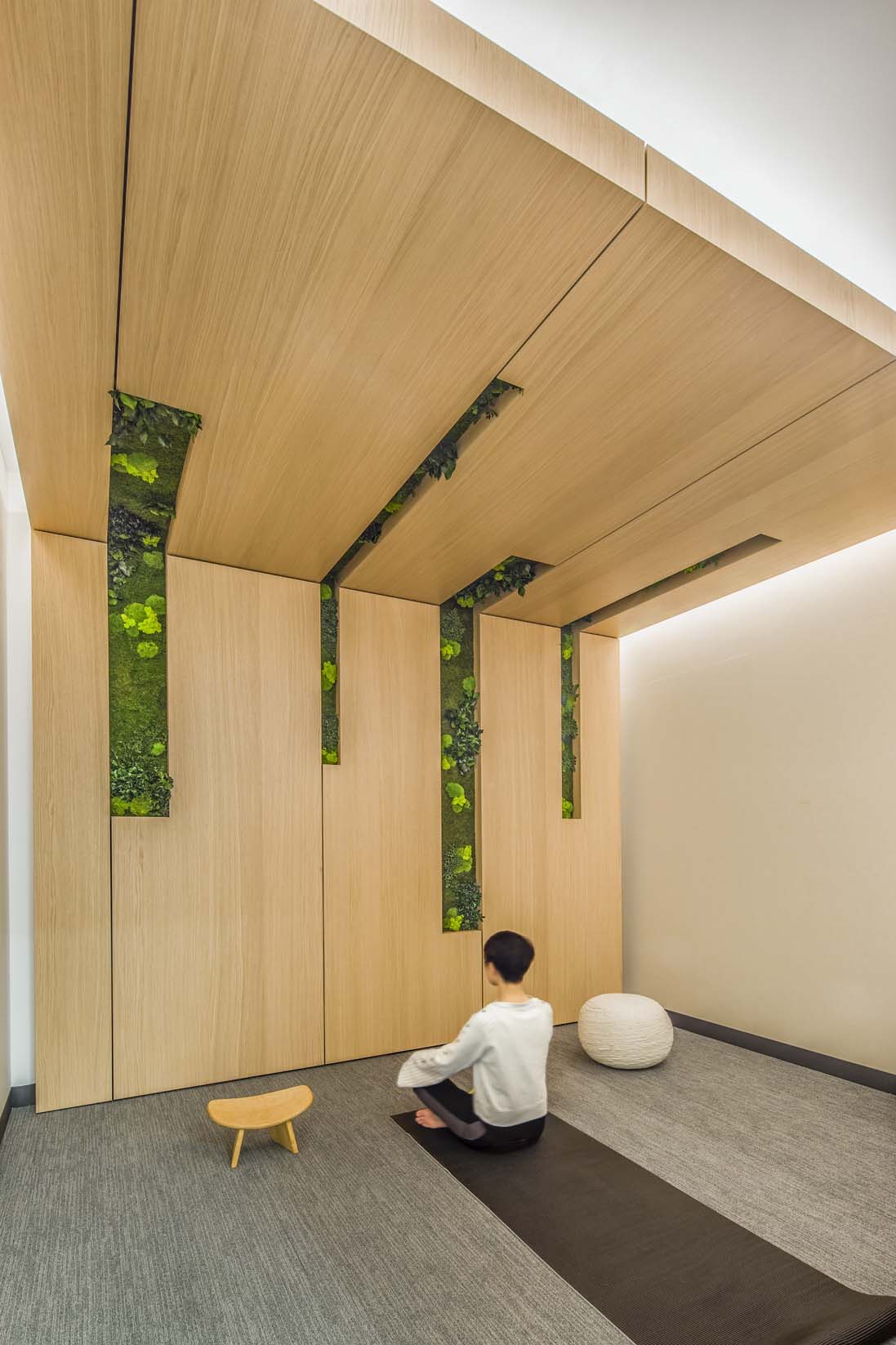
This physiological reset happens below the threshold of conscious awareness. Employees don't need to actively engage with preserved moss walls to benefit from them. Simply having these installations within their peripheral vision creates ongoing micro-recovery opportunities throughout the day, while planter inserts and draping preserved foliage provide flexible solutions that adapt to changing workspace configurations.
Strategic Placement for Maximum Impact
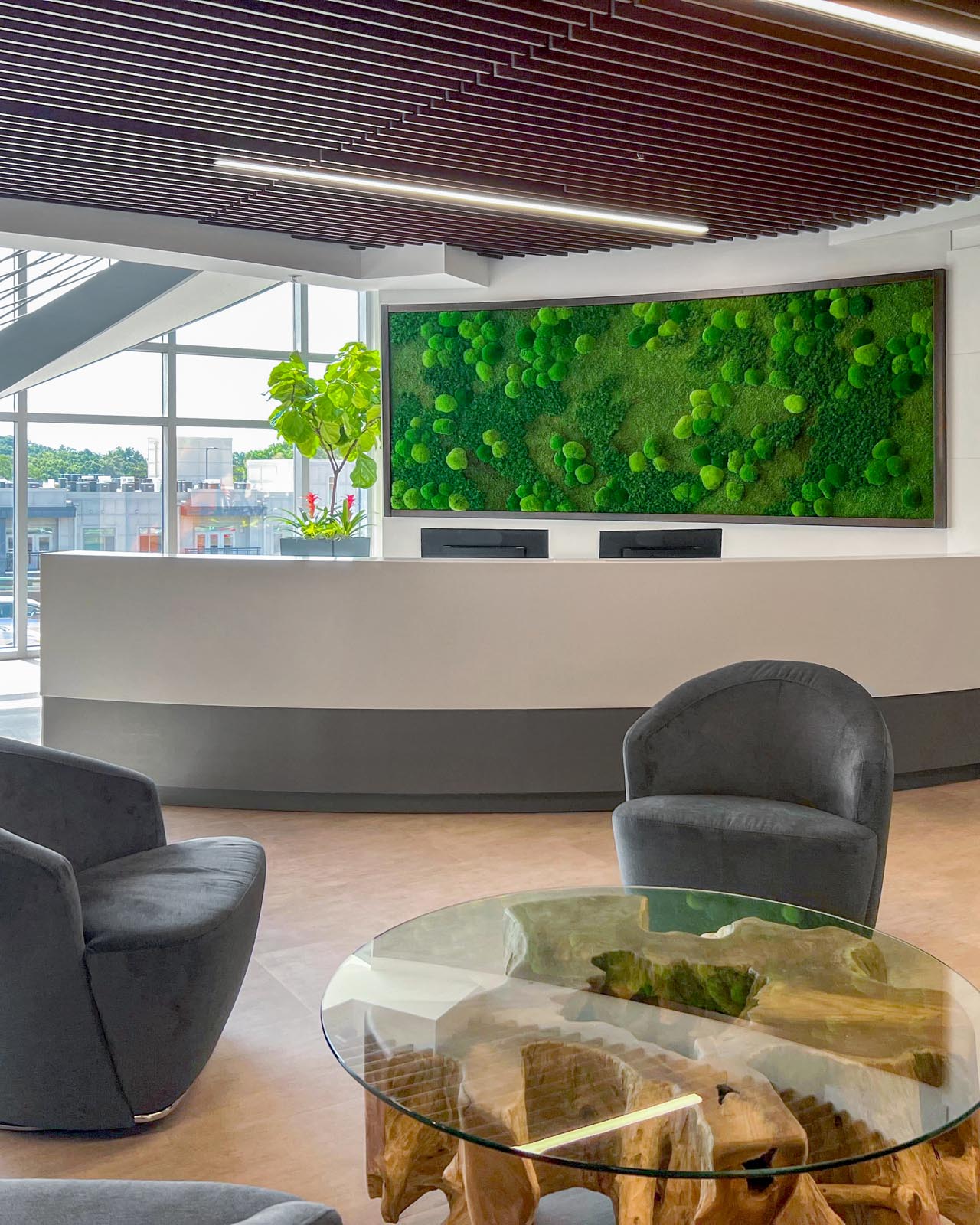
The art of micro-recovery design lies in identifying natural pause points within daily workflows where brief visual contact with nature can provide maximum benefit. Reception areas offer obvious opportunities, but the real power emerges in unexpected locations - the preserved garden visible when someone looks up from their computer screen, or the moss wall that catches peripheral vision during phone calls.
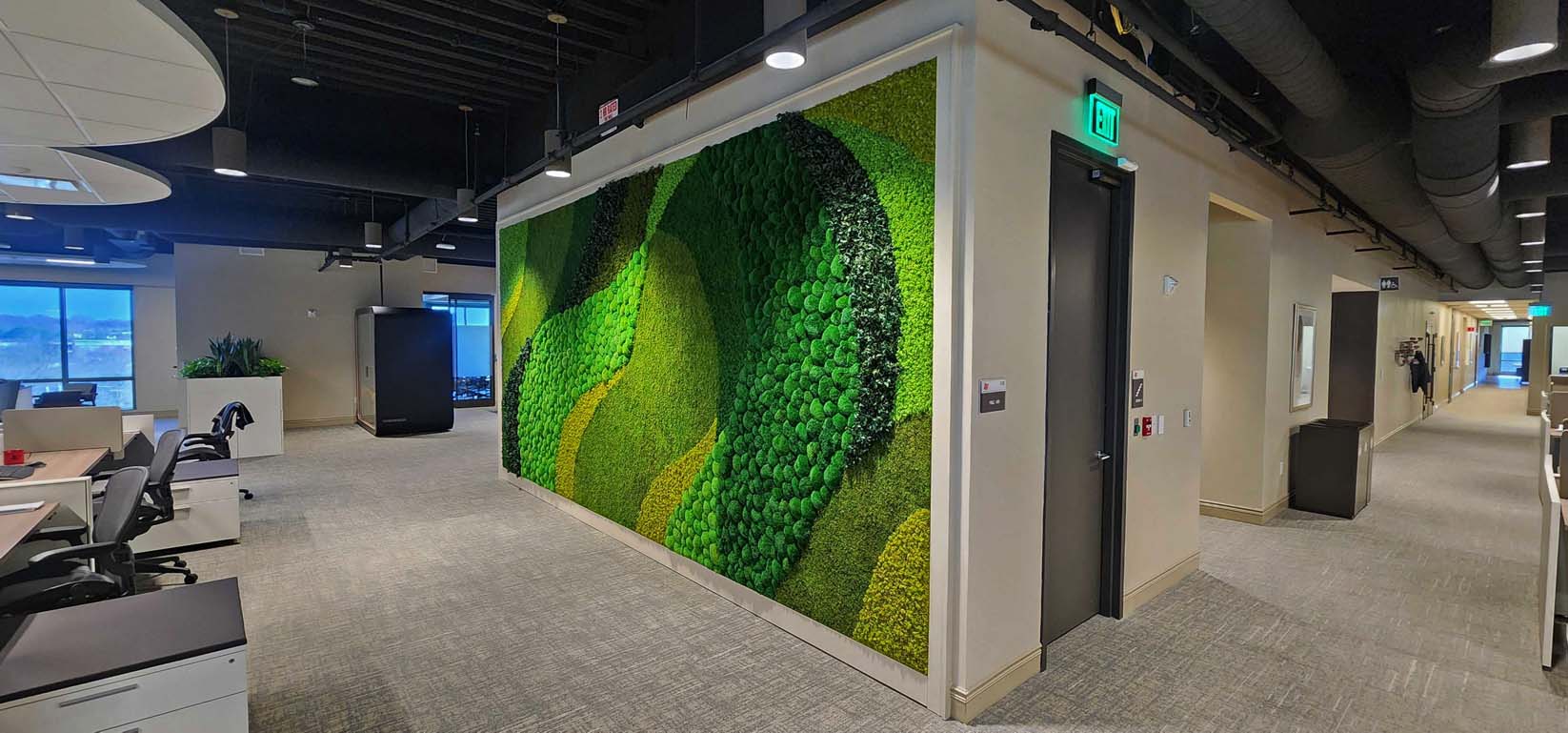
Elevator banks represent particularly powerful micro-recovery zones. During those brief moments of transition between floors, preserved gardens offer natural stress reset opportunities. The vertical format of moss walls makes them ideal for these spaces, transforming utilitarian transit areas into restorative micro-environments that support nervous system regulation without disrupting productivity.

The Authenticity Factor in Stress Response
Not all green elements trigger beneficial stress responses. Artificial plants and synthetic materials often create subtle cognitive dissonance - the unconscious recognition that something appears natural but lacks authentic biological characteristics. This incongruence can actually increase mental fatigue rather than reduce it.
Preserved gardens, moss walls, and preserved foliage installations maintain the complex textures, irregular patterns, and subtle color variations that characterize authentic natural materials. These elements retain the biophilic triggers that promote genuine stress relief while eliminating the maintenance challenges that make living installations impractical in commercial environments. Garden on the Wall® has pioneered preservation techniques that maintain these crucial biophilic characteristics for decades, ensuring that stress-relief benefits remain consistent throughout the installation's 20+ year lifespan.
Designing for Unconscious Wellness
The most effective micro-recovery environments work below the threshold of conscious awareness. Occupants shouldn't need to actively engage with biophilic elements to receive benefits. Instead, these installations provide ongoing environmental support that gradually reduces stress accumulation throughout the day.
Color psychology plays a crucial role in unconscious stress regulation. The varied green tones found in preserved moss walls trigger evolutionary associations with safety, growth, and restoration. Unlike the uniform colors of artificial materials, preserved nature installations offer subtle gradations and natural variations that engage the visual system without overwhelming it, while acoustic benefits from preserved installations create pockets of relative quiet that support nervous system restoration.
Implementation Strategies for Commercial Spaces
Successful micro-recovery design requires understanding traffic patterns, sightlines, and natural pause points within existing workflows. Begin by mapping employee movement patterns and identifying locations where brief nature contact would provide maximum benefit without disrupting productivity.
Pilot installations in high-stress areas offer opportunities to test effectiveness and gather feedback. Emergency departments, trading floors, customer service centers, and intensive work environments provide ideal testing grounds for microrecovery interventions. Monitor stress indicators, employee feedback, and productivity metrics to validate the impact of preserved nature installations while ensuring maintenance considerations support rather than burden daily operations.
The Future of Workplace Wellness
Micro-recovery design represents the evolution of workplace wellness from program-based interventions to environmental infrastructure. Rather than asking employees to find time for wellness activities, these approaches embed restoration opportunities directly into the built environment.
As commercial interior designers, you have the power to create spaces that actively support human nervous system regulation throughout the day. Strategic placement of preserved gardens, moss walls, planter inserts, and draping preserved foliage can transform ordinary commercial environments into supportive ecosystems that enhance both wellbeing and productivity. The next time you design a workspace, consider the micro-moments between major tasks - those brief seconds when the human nervous system seeks restoration. With thoughtful biophilic interventions, you can transform these fleeting opportunities into powerful tools for ongoing stress management and occupant support.
For more information on this subject, read this article: The Impact of Nature Inspired Design on Workplace Productivity and other related information, please visit our website: www.gardenonthewall.com.