Restorative Design Principles in Modern Workplace Planning
Key Takeaways Before You Read the Full Article:
30 Second Executive Summary
This article explores how preserved gardens and moss walls support restorative workplace design, enhancing employee well-being, cognitive performance, and sustainability. By integrating natural elements into the built environment, workplaces can create spaces that reduce stress, foster focus, and promote long-term wellness.
🌿 Cognitive Restoration: Preserved nature installations provide “soft fascination,” helping employees recover from mental fatigue while passively interacting with natural elements throughout the workday.
🪴 Stress Reduction & Emotional Well-Being: Exposure to preserved gardens and moss walls supports neurological health, boosting oxytocin levels, reducing cortisol, and enhancing overall mood.
🎨 Design Flexibility: Installations can define restorative zones, create visual and acoustic separation, and accommodate individual or group spaces, aligning with biophilic and neurodivergent-friendly design principles.
💡 Sustainable & Long-Lasting: High-quality preserved gardens can last 10–12 years (up to 20+ with rejuvenation programs), providing consistent biophilic benefits without ongoing maintenance or environmental impact.
🏢 Evidence-Based & Biomimetic: Using third-party tested preserved nature installations ensures measurable restorative benefits, while biomimetic design principles make spaces intuitive, psychologically supportive, and visually harmonious.
Ready to see how preserved gardens and moss walls can transform workplaces into restorative, human-centered environments? The full article details the science, design strategies, and sustainable solutions that make these installations essential for modern offices.
Understanding Restorative Design
The modern workplace demands more than just functional space—it requires environments that actively support employee well-being and recovery from mental fatigue. Restorative design principles, rooted in environmental psychology and neuroscience, focus on creating spaces that replenish cognitive resources and reduce stress through thoughtful integration of natural elements.
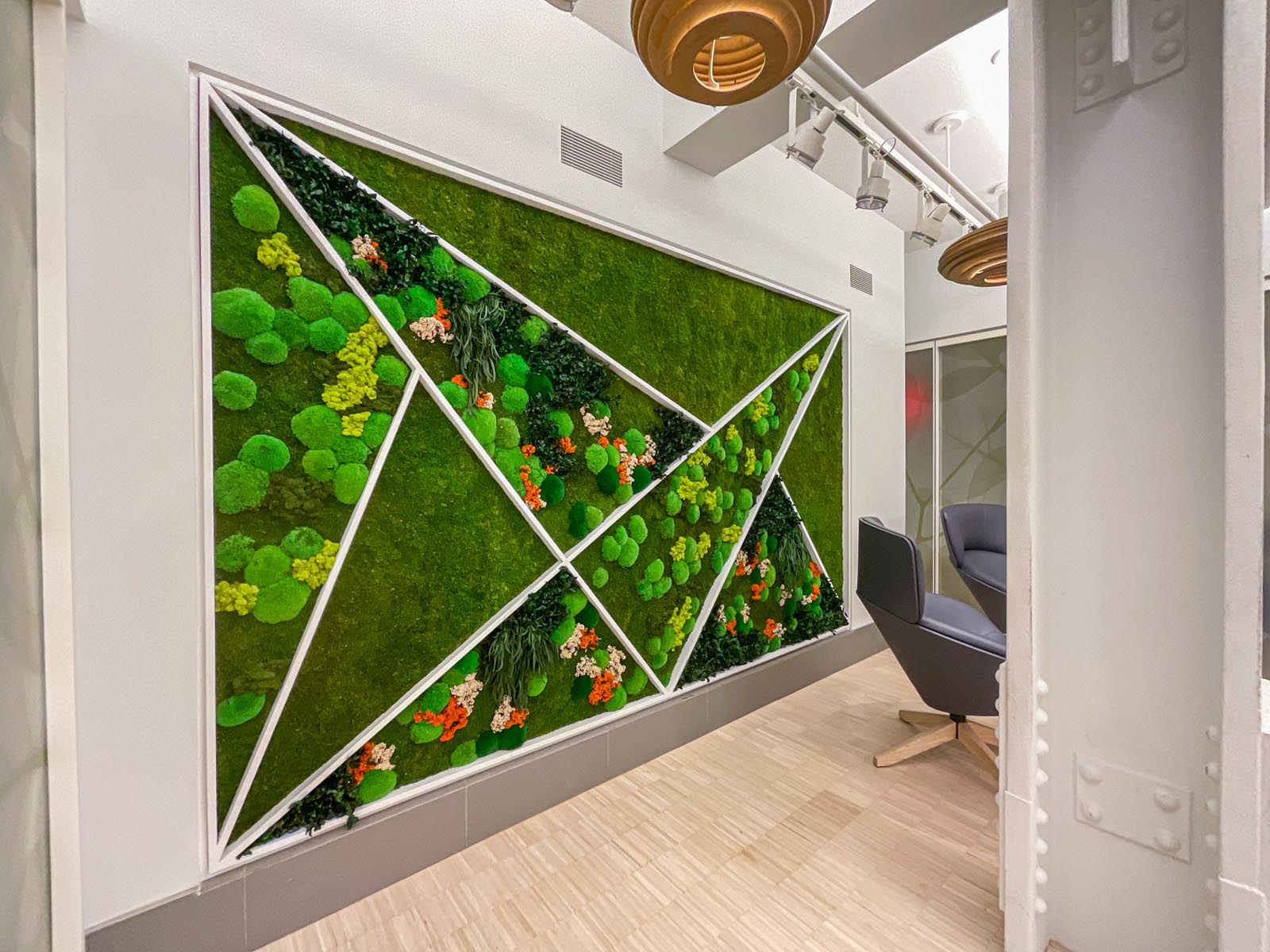
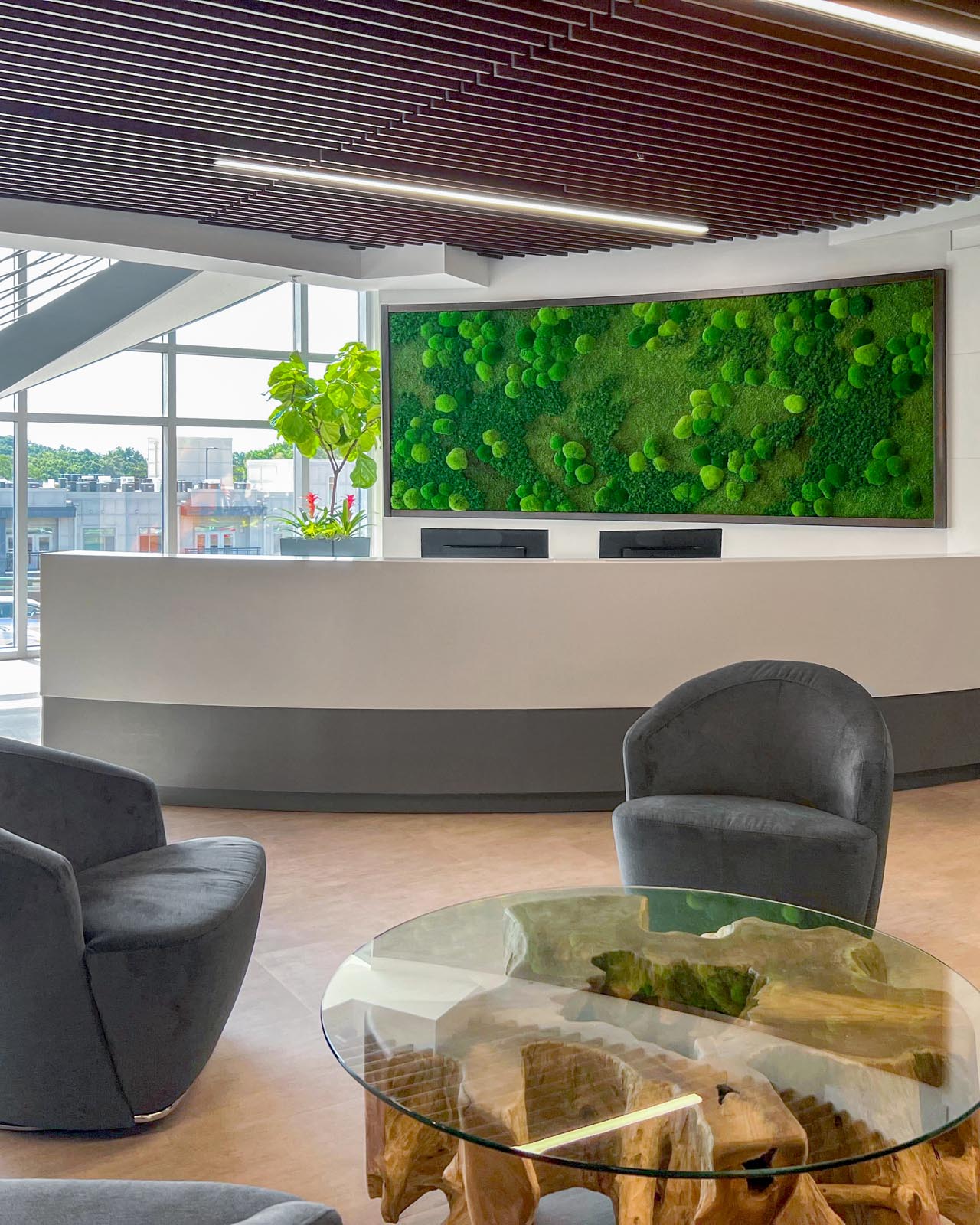
Preserved gardens and moss walls emerge as powerful tools in implementing restorative design, offering the cognitive benefits of nature without the maintenance demands of living plants. These installations create opportunities for "soft fascination," allowing minds to rest and recover while maintaining a connection to the natural world.
The Science of Mental Restoration
Research in neuroaesthetics and environmental psychology demonstrates that exposure to nature, even in preserved form, can significantly impact cognitive function and stress recovery. Studies show that biophilic elements trigger positive neurological responses, including increased oxytocin production and reduced cortisol levels, supporting both emotional well-being and cognitive performance.
These findings highlight the importance of integrating natural elements into workplace design through solutions like preserved gardens and moss walls. Such installations provide consistent access to nature's restorative properties, helping maintain optimal cognitive function throughout the workday while supporting sustainable design practices.
Creating Zones for Recovery
Modern workplace design must accommodate various work modes while providing dedicated spaces for mental restoration. Preserved nature installations can define these zones effectively, creating calming areas that support both individual reflection and small group interactions without demanding extensive maintenance or resources.
The strategic placement of preserved gardens and moss walls helps create these restorative spaces, offering visual and acoustic separation while maintaining a connection to nature. This approach aligns with both biophilic design principles and the needs of neurodivergent individuals, who may require more controlled sensory environments for optimal functioning.
Supporting Cognitive Function Through Design
The integration of preserved nature elements in workplace design goes beyond aesthetics to actively support cognitive performance. These installations create environments that facilitate attention restoration, allowing employees to maintain focus and productivity throughout the day through passive interaction with natural elements.
By incorporating preserved gardens strategically throughout the workspace, designers can create environments that support both focused work and mental recovery. This balanced approach helps prevent cognitive fatigue while fostering creativity and problem-solving capabilities through consistent exposure to biophilic elements.

Sustainable Solutions for Lasting Impact
The longevity of preserved gardens lasting 10-12 years and extendable to 20+ years through rejuvenation programs makes them an ideal solution for creating sustainably restorative environments. This durability ensures consistent access to nature's benefits while minimizing resource consumption and maintenance requirements.
These installations exemplify the principles of regenerative design by providing lasting psychological benefits without ongoing environmental impact. Their ability to maintain visual and therapeutic qualities over extended periods supports both environmental sustainability goals and long-term wellness initiatives.
Biomimetic Approaches to Workplace Wellness
Incorporating biomimicry principles through preserved nature installations helps create more intuitive and psychologically supportive work environments. These elements tap into our innate understanding of natural patterns and forms, promoting a sense of comfort and ease within the built environment.
The integration of preserved gardens and moss walls supports this biomimetic approach while offering practical advantages in terms of maintenance and longevity. This combination of natural design principles with sustainable materials creates spaces that actively contribute to occupant well-being.
Measuring Success in Restorative Design
The effectiveness of restorative design can be evaluated through various metrics, including employee satisfaction, stress levels, and cognitive performance. Preserved nature installations contribute to these outcomes by providing consistent access to biophilic elements that support mental restoration and well-being.
By choosing high-quality, third-party tested preserved gardens, designers can ensure these installations deliver their intended restorative benefits while maintaining indoor environmental quality. This evidence-based approach to design supports both immediate wellness goals and long-term organizational success.
Conclusion
The implementation of restorative design principles through preserved nature installations represents a significant advancement in workplace design. By creating environments that actively support mental restoration while maintaining sustainable practices, these solutions help organizations meet both their wellness and environmental goals.
The integration of preserved gardens and moss walls offers a practical path toward creating more restorative workplaces, supporting employee well-being through evidence-based design solutions that stand the test of time. This approach demonstrates how thoughtful design choices can create lasting positive impacts on both people and the environment.
For more information on this subject and other related information, please visit our website: www.gardenonthewall.com