Memory Anchors: How Preserved Nature Creates Cognitive Landmarks for Navigation
Key Takeaways Before You Read the Full Article:
30 Second Executive Summary
Navigating complex commercial environments depends on the brain's ability to recognize landmarks, remember spatial relationships, and develop reliable mental maps. Preserved gardens and moss walls can function as distinctive cognitive landmarks that support intuitive wayfinding, reduce navigation uncertainty, and create memorable environmental experiences for first-time and returning visitors.
🧠 Research Foundation: How the Brain Creates Cognitive Maps
Human navigation relies on recognizable landmarks and spatial relationships to establish mental representations of environments. Preserved gardens provide distinctive visual features that can help visitors identify locations and remember routes.
🧭 Navigation Strategy: Supporting Different Ways of Finding Direction
People rely on different navigation approaches, from following recognizable landmarks to remembering sequences of turns. Strategically placed moss walls and preserved gardens can support these approaches through consistent environmental reference points.
😌 Cognitive Comfort: Reducing Navigation Stress and Uncertainty
Complex layouts and unfamiliar surroundings can create anxiety and increase mental demands. Memorable natural landmarks can help visitors navigate more confidently while reducing the effort required to recognize their surroundings.
🌍 Inclusive Design: Creating Recognizable Landmarks Across Cultures
Distinctive visual landmarks can complement language-based signage and support more intuitive navigation for diverse populations. Preserved nature provides a consistent architectural reference that can be integrated into accessible, multilingual wayfinding strategies.
📍 Long-Term Value: Building Lasting Spatial Memory
Repeat visitors benefit from environmental features that remain recognizable across multiple visits. Maintenance-free preserved gardens provide consistent visual landmarks that can support familiarity, spatial memory, and long-term navigation confidence.
Ready to explore how preserved nature can make complex commercial environments easier to navigate? The full article examines how moss walls and preserved gardens support cognitive mapping, spatial memory, navigation comfort, and more intuitive wayfinding through strategic biophilic design.
Understanding Cognitive Mapping and Environmental Memory
Cognitive navigation in commercial environments depends fundamentally on distinctive environmental features that create memorable cognitive maps, yet modern facility design often eliminates these natural wayfinding aids in favor of geometric uniformity that impairs rather than supports human spatial processing systems. Human wayfinding evolved through relationships with distinctive natural landmarks including rock formations, distinctive trees, and water features that provided reliable reference points for mental mapping and confident navigation. Contemporary commercial spaces frequently rely on signage systems that demand conscious attention and literacy skills rather than leveraging the unconscious spatial memory systems that support intuitive navigation through environmental recognition and landmark relationships.
Environmental psychology research demonstrates that cognitive mapping relies on the brain's ability to create mental representations of spatial environments through distinctive visual landmarks that serve as anchor points for spatial memory and navigation decision-making. Natural elements create particularly strong memory anchors because they engage multiple sensory systems simultaneously while providing the visual complexity and distinctiveness that facilitate robust memory formation throughout extended use periods. Preserved moss walls and garden installations offer ideal cognitive landmarks because they combine natural appeal with temporal consistency, allowing individuals to develop reliable mental associations that support long-term navigation confidence without the variability that seasonal changes or maintenance requirements might introduce.
Human navigation relies on cognitive mapping - the brain's ability to create mental representations of spatial environments that support orientation and route planning. These mental maps develop through distinctive visual landmarks that serve as anchor points for spatial memory and navigation decision-making while reducing stress associated with environmental disorientation.
Understanding Cognitive Mapping and Environmental Memory
Effective cognitive landmarks must be visually distinctive, spatially unique, and memorable enough to support reliable mental mapping. Traditional commercial wayfinding often relies on signage systems that demand conscious attention and literacy skills rather than leveraging unconscious spatial memory systems that support intuitive navigation through environmental recognition.
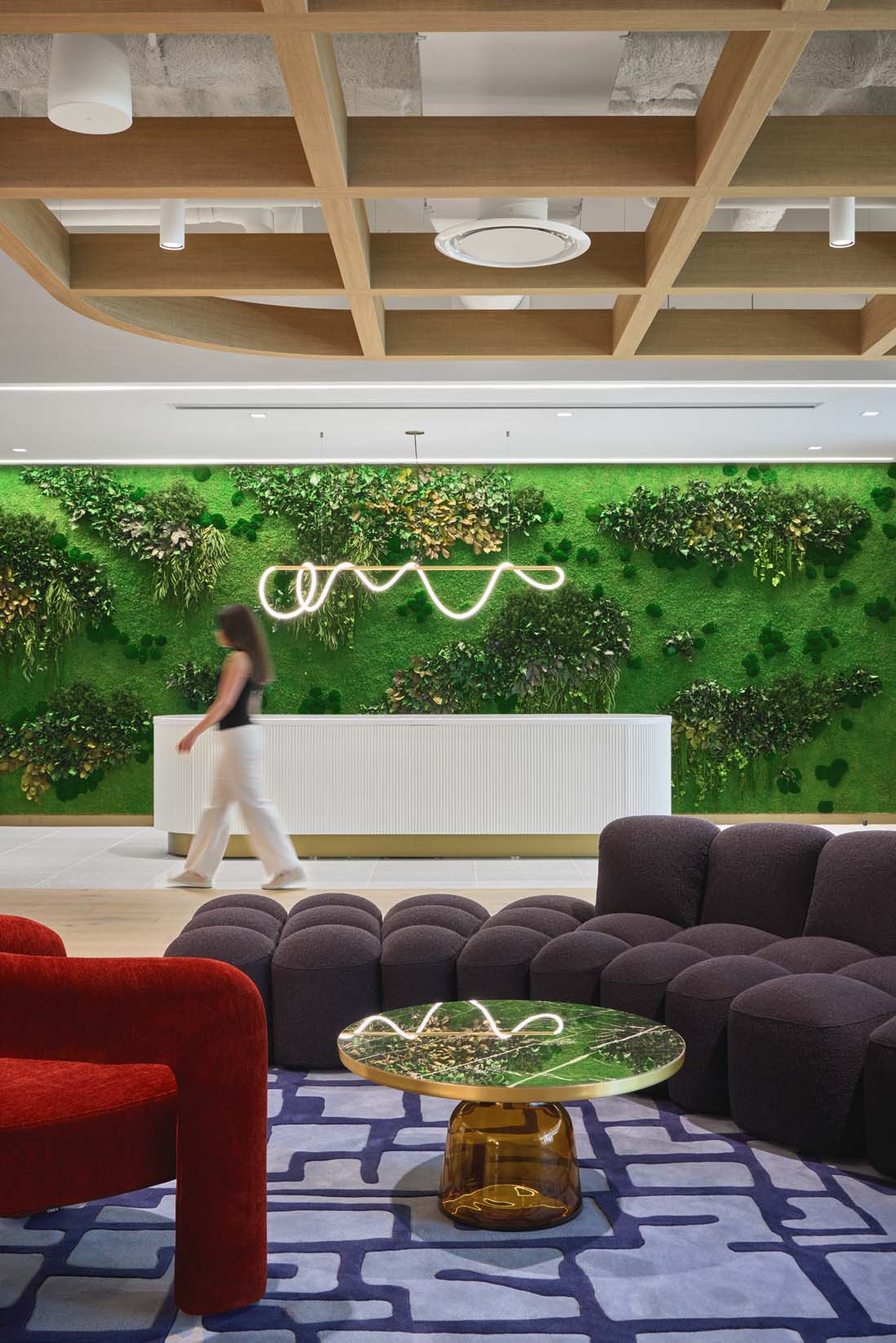
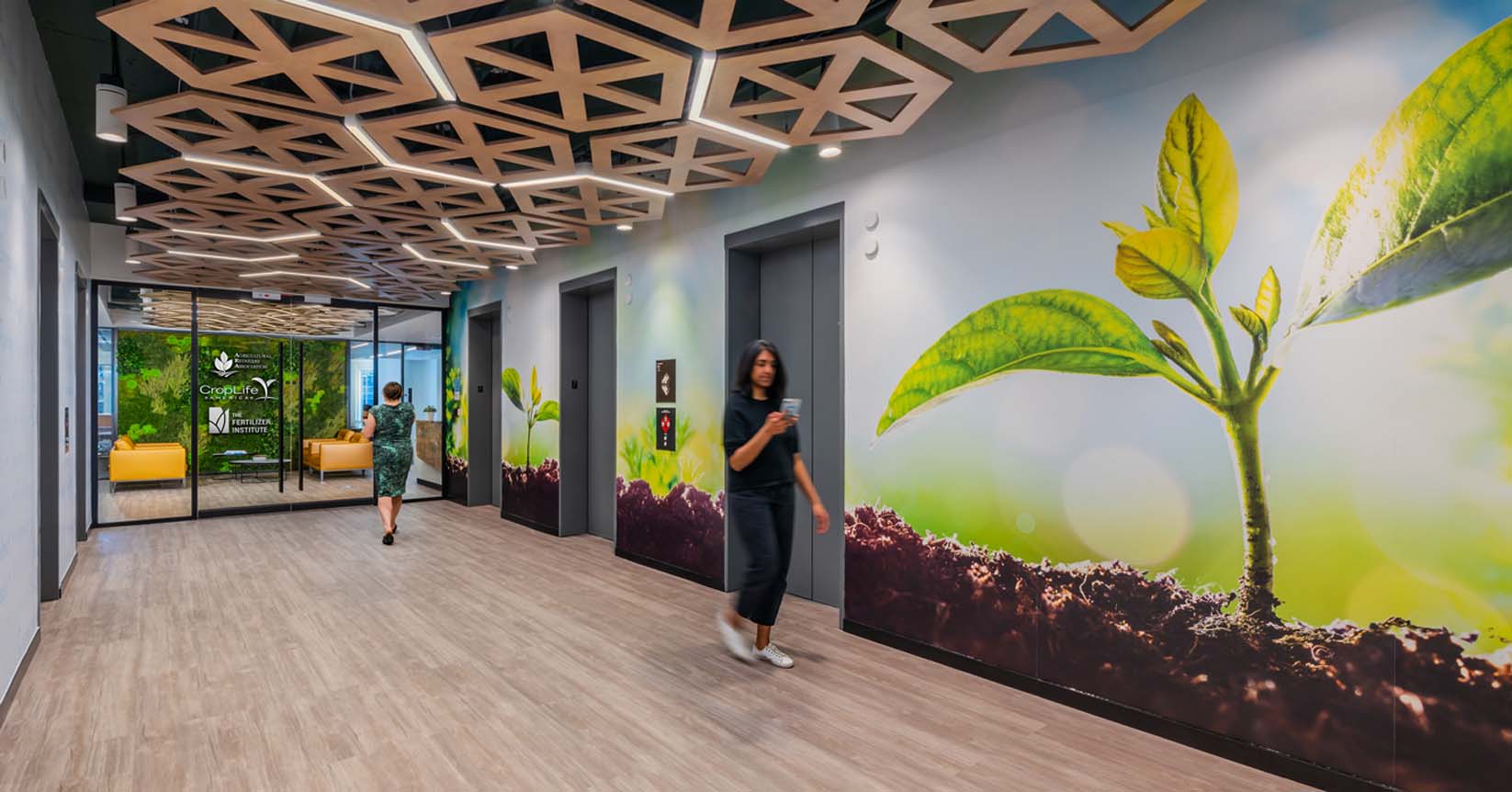
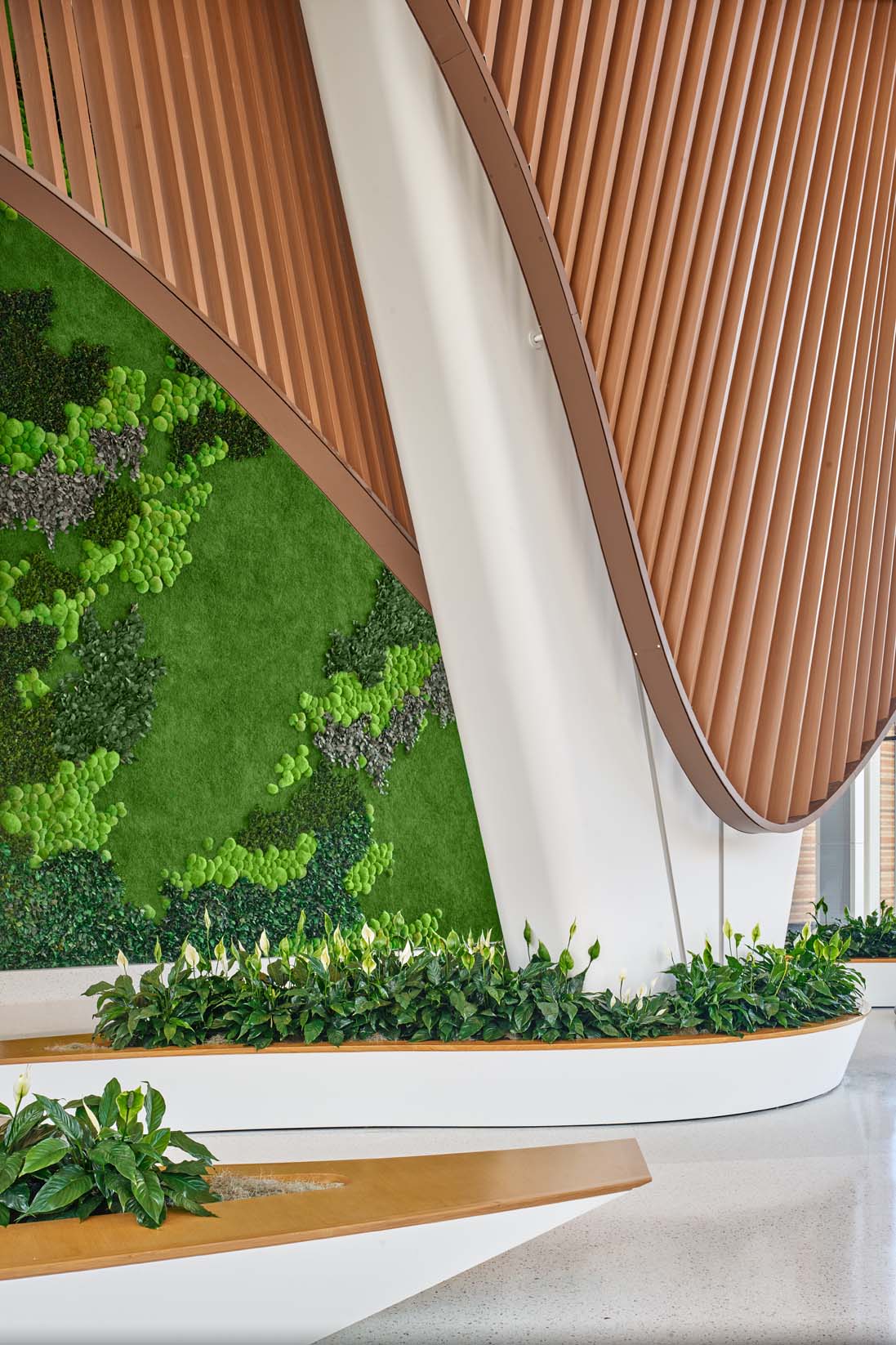
Preserved nature (moss walls, preserved gardens, planter inserts and draping foliage with preserved greenery) installations create distinctive environmental features that register automatically in spatial memory without requiring conscious effort or interpretation. The organic textures, varied patterns, and natural color variations provide rich visual information that helps distinguish one location from another. Unlike artificial decorative elements that may feel interchangeable, preserved gardens develop unique character through their specific composition and arrangement.
Wall plant art and moss art installations provide memorable visual anchors that support cognitive mapping while offering aesthetic appeal that enhances rather than compromises commercial environment quality. These installations create distinctive navigation points that work with rather than against natural human spatial processing systems.
Supporting Different Navigation Styles and Abilities
Individuals vary significantly in their preferred navigation strategies and spatial processing abilities. Some people excel at landmark-based navigation while others prefer route-based or survey-based approaches. Effective wayfinding environments must accommodate these different cognitive styles while remaining accessible to individuals with varying spatial abilities and cultural navigation preferences.
Natural landmarks appeal to landmark-based navigators who rely on distinctive environmental features for orientation and route planning. Preserved moss walls provide consistent visual anchors that support this navigation style while remaining visible and recognizable from multiple angles and distances. The installations also benefit route-based navigators by providing memorable turning points and decision nodes that help establish reliable route sequences.
No-upkeep green walls maintain their navigation effectiveness throughout extended periods without visual changes that could disrupt established mental maps. Garden on the Wall® provides flexible design solutions and custom capabilities that enable navigation landmarks to be tailored to specific facility requirements and user populations.

Reducing Navigation Anxiety and Cognitive Load
Wayfinding challenges create stress and anxiety that can significantly impact primary activities that bring people to commercial environments. Getting lost in medical facilities can delay crucial appointments and increase health anxiety, while navigation difficulties in business environments can undermine professional confidence and effectiveness.
Preserved garden and moss wall installations reduce navigation anxiety by providing reliable environmental anchors that support confident orientation and movement through space. The calming presence of natural elements helps regulate stress responses that can interfere with spatial memory and navigation decision-making. When individuals feel confident about their ability to navigate environments successfully, they can dedicate more cognitive resources to their primary objectives.
Planter inserts with preserved foliage offer flexible navigation support that can be adjusted based on traffic patterns and user feedback while providing consistent visual landmarks that support spatial orientation throughout facility use.
Creating Cultural and Universal Navigation Support
Navigation preferences and spatial processing can vary across cultural backgrounds, age groups, and individual differences in spatial abilities. Effective wayfinding solutions must provide navigation support that works across these differences while respecting cultural diversity and accessibility needs throughout diverse user populations.
Natural elements provide universal navigation support because spatial relationship with natural features represent shared human experience that transcends cultural and linguistic differences. Preserved installations create navigation landmarks that work for individuals regardless of their cultural background, literacy level, or language proficiency while supporting inclusive facility use.
The visual distinctiveness of preserved gardens supports navigation for individuals with varying visual processing abilities, while their consistent presence provides navigation stability for individuals who may visit environments infrequently or irregularly. Draping preserved foliage creates natural wayfinding transitions that support intuitive navigation across different cultural navigation preferences.
Long-Term Navigation Memory and Repeat Visitors: Biophilia’s Role in Cognition
Many commercial environments serve repeat visitors who benefit from developing long-term spatial memory and navigation confidence over multiple visits. Environments that support robust cognitive mapping help regular users develop navigation expertise that improves their experience and reduces ongoing wayfinding stress while supporting efficient facility operations.
Preserved installations provide stable navigation landmarks that support long-term memory development because they maintain consistent appearance and spatial relationships over extended time periods. Unlike seasonal decorations or frequently changed displays that can disrupt established mental maps, preserved gardens provide reliable navigation anchors that visitors can depend upon across multiple visits.
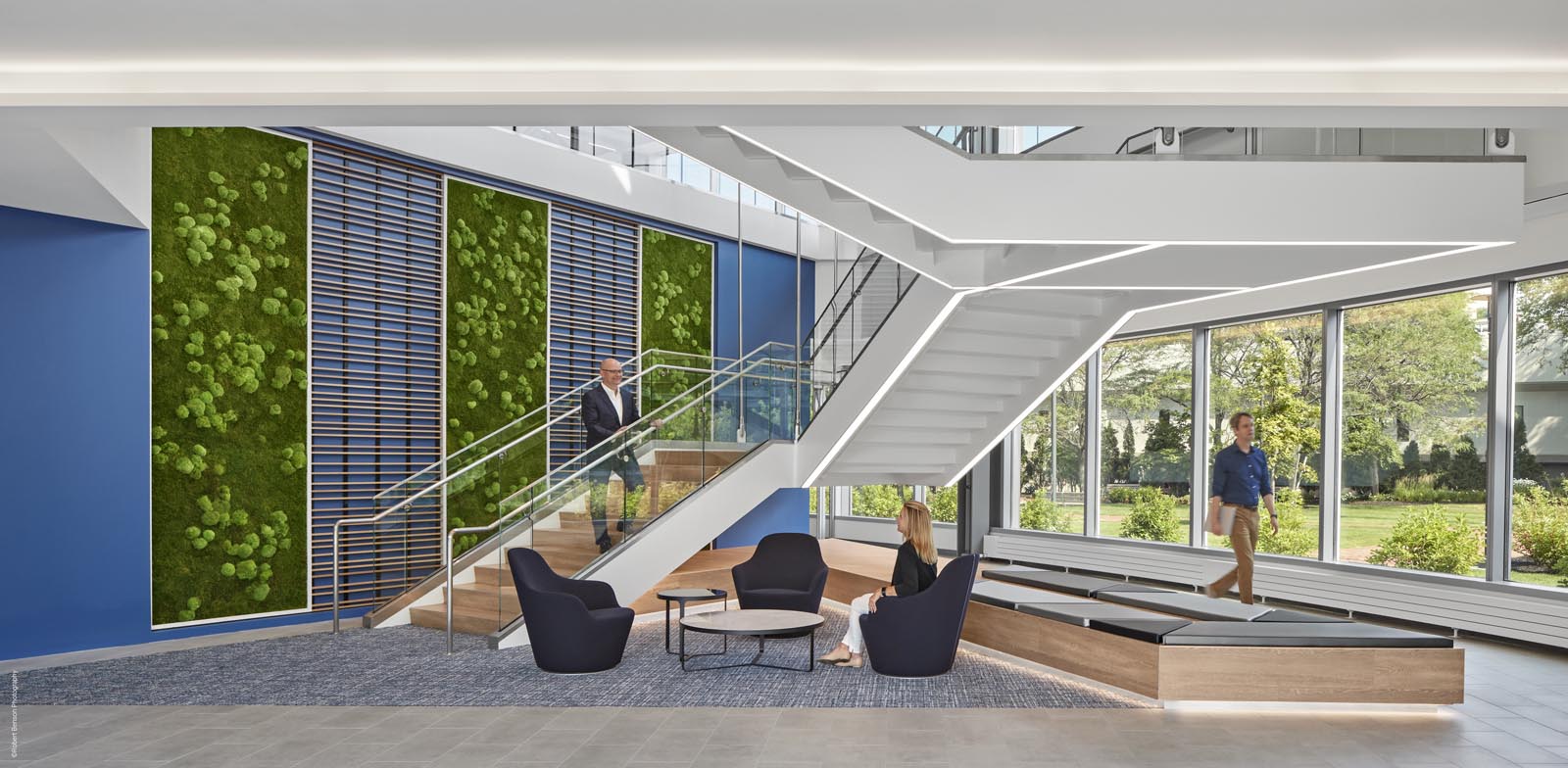
Vertical green walls create prominent navigation landmarks that remain memorable throughout extended periods while providing aesthetic benefits that enhance overall facility experience for both first-time and repeat visitors.
Conclusion
As commercial environments become increasingly complex and diverse populations require navigation support, environmental design that leverages rather than works against natural human spatial processing becomes increasingly valuable. Commercial interior designers have opportunities to create environments that feel naturally navigable rather than requiring conscious effort and external assistance for successful wayfinding through strategic preserved garden, moss wall, or planter insert placement.
For more information on this subject, read this article: Nature-Inspired Wayfinding Intuitive Navigation in Complex Spaces and other related information, please visit our website: www.gardenonthewall.com.