Invisible Wellness: How Strategic Moss Walls & Preserved Gardens Improve Health Without Occupants Knowing

Key Takeaways Before You Read the Full Article:
30 Second Executive Summary
Invisible wellness integrates restorative environmental cues directly into everyday spaces so occupants can benefit without scheduling, opting into, or consciously engaging with a wellness program. Strategically positioned preserved gardens and moss walls create passive opportunities for nature connection, cognitive restoration, acoustic comfort, and stress regulation throughout normal workplace routines.
🧠 Research Foundation: Wellness Below Conscious Awareness
Natural patterns and textures can engage restorative neurological processes without demanding focused attention. Preserved nature allows these environmental cues to remain consistently present throughout the workday.
📍 Strategic Placement: Wellness Built Into Everyday Movement
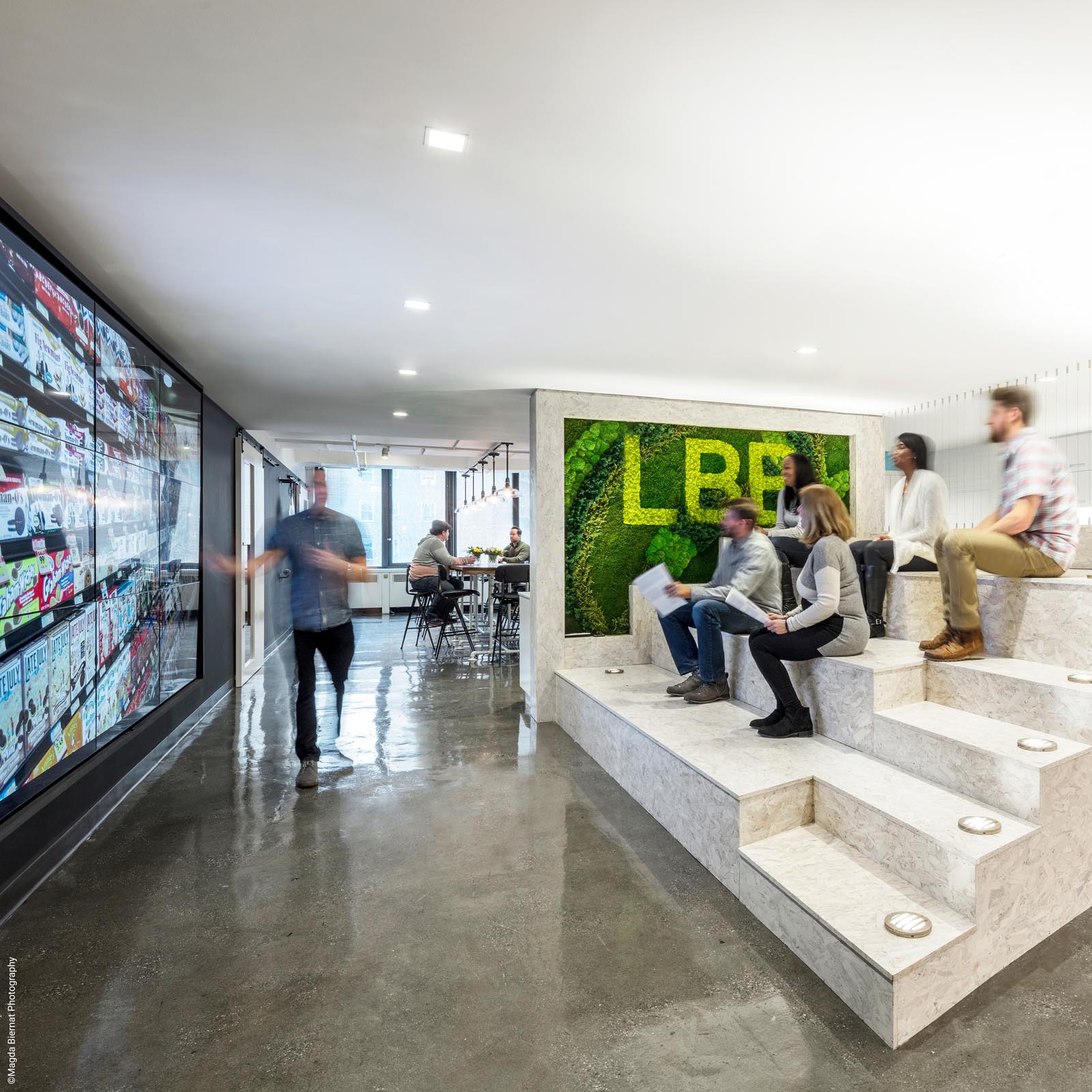
Peripheral sightlines, corridors, transition zones, and natural pause points provide repeated opportunities for passive nature exposure. Instead of asking occupants to seek restoration, the environment brings restorative cues into their existing routines.
🔊 Acoustic Comfort: Supporting Wellbeing Through Sound
Preserved moss walls can contribute to quieter, more comfortable acoustic conditions by absorbing sound and reducing harsh reflections. These improvements can support concentration and reduce environmental fatigue without becoming an obvious wellness intervention.
🧠 Cognitive Restoration: Supporting Attention in the Background
Organic complexity provides soft fascination that gently engages visual processing while allowing directed attention to recover. The result is an environment designed to support focus and mental stamina without interrupting primary work activities.
🏢 Wellness Infrastructure: Moving Beyond Programs
Invisible wellness reframes employee wellbeing as a property of the environment rather than another activity employees must complete. Biophilic design becomes continuous environmental infrastructure supporting occupants simply through everyday use of the space.
Ready to explore what happens when wellness becomes part of the environment rather than another item on the calendar? The full article examines how preserved gardens and moss walls can provide subtle, continuous support for stress regulation, acoustic comfort, cognitive restoration, and human wellbeing.
Introduction to Invisible Wellness Through Environmental Design
Invisible wellness represents the pinnacle of environmental design where biophilic interventions provide profound health benefits without requiring conscious awareness or behavioral change from occupants. This sophisticated approach to workplace wellness operates through fundamental human relationships with environmental stimuli, creating health improvements that feel natural and effortless rather than programmatic or imposed. Unlike traditional wellness programs that demand active participation, invisible wellness works continuously through strategic placement of preserved gardens, moss walls, and vertical green walls that influence unconscious biological processes regulating stress, attention, and emotional equilibrium.
Environmental wellness occurs when spaces provide subtle cues that promote physiological restoration and optimal nervous system function without occupants realizing the source of their improved wellbeing. Human nervous systems evolved in natural environments and remain exquisitely sensitive to environmental signals that indicate safety, restoration, and optimal conditions for thriving. These responses operate below conscious awareness through ancient biological systems that continuously monitor surroundings for indicators of wellbeing or threat, making preserved nature installations ideal for subliminal health support.
The Science of Subliminal Environmental Wellness
Human nervous systems evolved in natural environments and remain exquisitely sensitive to environmental cues that signal safety, restoration, and optimal conditions for thriving. These responses operate below conscious awareness through ancient biological systems that continuously monitor surroundings for indicators of wellbeing or threat. Environmental wellness occurs when spaces provide subtle cues that promote physiological restoration and optimal nervous system function.
Preserved moss walls and garden installations trigger these unconscious wellness responses by providing authentic natural patterns, textures, and colors that signal environmental safety to primitive brain systems. The organic complexity engages visual processing in ways that promote neural restoration without requiring focused attention. Research in environmental psychology shows that even peripheral exposure to natural elements produces measurable improvements in stress hormones, attention capacity, and emotional regulation - all without occupants' conscious awareness of the intervention.
Neurological studies demonstrate that exposure to natural elements activates the default mode network in the brain, promoting cognitive restoration and creative thinking through unconscious processing pathways. Wall plant art and moss art installations provide these neurological benefits consistently while remaining peripheral to conscious attention, creating conditions where wellness improvements occur naturally through environmental exposure.
Strategic Placement for Maximum Subliminal Impact
The effectiveness of invisible wellness depends on positioning preserved nature installations where they can influence occupants without demanding conscious attention. The most powerful placements work within natural sightlines and movement patterns rather than creating focal points that require active engagement. Peripheral vision zones offer particularly effective opportunities for subliminal wellness interventions that work below conscious awareness thresholds.
Preserved gardens positioned slightly outside direct visual focus continue influencing nervous system responses while allowing occupants to concentrate on work tasks. Corridor installations provide repeated brief exposures as people move through buildings, creating cumulative wellness benefits through multiple low-level interventions rather than single intense experiences. These strategic placements ensure that wellness benefits accumulate naturally through daily facility use.
No-upkeep green walls positioned at natural pause points provide wellness benefits during brief transitional moments when occupants' attention shifts between activities. Planter inserts integrated into existing furniture and architectural features create subliminal nature exposure that supports wellbeing without disrupting workflow or requiring conscious engagement with wellness interventions.
Acoustic Wellness Through Natural Sound Absorption
Beyond visual benefits, preserved moss walls provide acoustic wellness improvements that often go unnoticed yet significantly impact occupant stress levels and cognitive performance. The sound-absorbing properties of preserved installations reduce background noise pollution that creates chronic low-level stress even when individuals don't consciously perceive the noise as problematic or disruptive to their work activities.
The acoustic improvements create environments that feel mysteriously more comfortable and less fatiguing without obvious explanations. Employees working near preserved installations often report improved concentration and reduced end-of-day exhaustion without connecting these benefits to environmental modifications. The natural materials absorb harsh acoustic reflections while maintaining enough ambient sound to prevent the uncomfortable silence that can occur in over-dampened spaces.
Draping preserved foliage provides flexible acoustic solutions that can be adjusted based on space requirements while maintaining consistent sound absorption characteristics that support subliminal wellness through improved acoustic environments. These installations create acoustic comfort that contributes to overall wellbeing without requiring conscious awareness or behavioral adaptation from occupants.
Supporting Circadian Rhythm Health Through Natural Visual Cues
Modern commercial environments often disrupt natural circadian rhythms through artificial lighting and lack of environmental variation that normally signals time passage and seasonal changes. These disruptions contribute to sleep difficulties, energy fluctuations, and mood irregularities that occupants may not connect to environmental factors affecting their daily experience and long-term health outcomes.
Preserved nature installations provide subtle visual cues that support healthy circadian functioning by offering natural color variations and organic patterns that connect occupants to biological rhythms. The varying textures and natural gradations in preserved gardens create visual environments that feel more aligned with natural systems, helping maintain circadian health even in windowless or artificially lit spaces where natural time cues are absent.
Garden on the Wall® preservation techniques maintain these natural variations indefinitely, providing consistent circadian support throughout 10-12 year lifecycles with potential extension to 20+ years through rejuvenation programs. This longevity ensures that circadian wellness benefits remain available regardless of facility management changes or organizational transitions that could affect other wellness program continuity.
Vertical green walls create natural focal points that provide visual connection to organic cycles and natural patterns while supporting circadian rhythm regulation through consistent environmental cues that feel inherently natural and biologically appropriate for human wellbeing.
Cognitive Enhancement and Environmental Stress Inoculation
Attention restoration theory identifies "soft fascination" as crucial mechanism for cognitive recovery and enhanced mental performance. Unlike "hard fascination" that demands focused attention, soft fascination gently engages visual processing in ways that allow conscious attention systems to restore capacity while remaining available for primary tasks and work responsibilities.
Preserved moss walls provide ideal soft fascination experiences through their organic complexity and natural irregularity. The intricate patterns offer enough visual interest to engage restoration processes without overwhelming cognitive resources needed for work activities. This creates conditions where occupants experience improved focus, enhanced creativity, and greater mental stamina without realizing that environmental elements are contributing to their cognitive performance improvements.
Chronic low-level stress often results from environmental unpredictability and subtle threat cues that trigger continuous defensive responses. Preserved nature installations provide environmental stability and safety cues that help nervous systems relax into more restorative baseline states. The consistent presence of natural elements signals safety and stability at unconscious levels, reducing energy expenditure required for environmental monitoring and threat assessment while creating surplus mental energy that occupants experience as improved wellbeing.
Future of Subliminal Environmental Health
Successful invisible wellness requires careful integration that maximizes benefits while maintaining the subtle, unconscious nature of the interventions. The installations should feel natural and inevitable rather than obvious or attention-seeking additions to existing environments. Begin with high-traffic areas where brief repeated exposures can create cumulative benefits throughout daily facility use.
As understanding of environmental psychology deepens, invisible wellness represents evolution toward sophisticated environmental health interventions that work with rather than against natural human responses to surroundings. Commercial interior designers have opportunities to create environments that serve as wellness infrastructure supporting human health through basic human-environment relationships rather than requiring conscious participation or behavior change.
The future belongs to invisible wellness that supports human flourishing through environmental excellence rather than programmatic intervention, creating spaces where wellbeing emerges naturally from thoughtful environmental design.
For more information on this subject, read this article: Biophilia and Human Connection: Bringing People Together in Post Pandemic Workplaces and other related information, please visit our website: www.gardenonthewall.com.