Designing for Human Well-Being and the Biophilia Approach
Key Takeaways Before You Read the Full Article:
30 Second Executive Summary
This article explores how the biophilia approach in design enhances human well-being by reconnecting people with nature through preserved gardens, moss walls, and planter inserts. It highlights how these sustainable, maintenance-free installations promote mental clarity, creativity, and emotional balance across diverse environments.
🏗️ Design Evolution: Modern interiors are evolving beyond aesthetics to prioritize health, comfort, and emotional wellness as core design outcomes.
🧠 Science of Biophilia: Research in neuroscience and environmental psychology confirms that natural elements reduce stress, improve focus, and enhance overall cognitive function.
🌿 Preserved Nature, Real Benefits: Preserved gardens and moss walls deliver the restorative qualities of living plants without water, sunlight, or upkeep ideal for urban, high-traffic spaces.
🎨 Neuroaesthetics in Action: Natural textures and color gradients in preserved installations stimulate relaxation and empathy, turning interiors into spaces of calm and creativity.
🏢 Across Every Environment: From workplaces and schools to healthcare and hospitality, preserved biophilic design improves satisfaction, recovery, and engagement for all occupants.
♻️ Sustainable Longevity: With zero irrigation, no pesticides, and long-term durability, preserved installations align with green building goals and sustainable design practices.
✨ Future of Human-Centered Design: As design increasingly centers on well-being, preserved nature offers a path to create restorative, sustainable interiors that nurture both people and planet.
Ready to discover how designing with biophilia and preserved nature can transform interior spaces into environments that restore, inspire, and sustain well-being? The full article uncovers the science, sustainability, and design innovation driving the future of biophilic interiors.
The Evolution of Design for Well-being
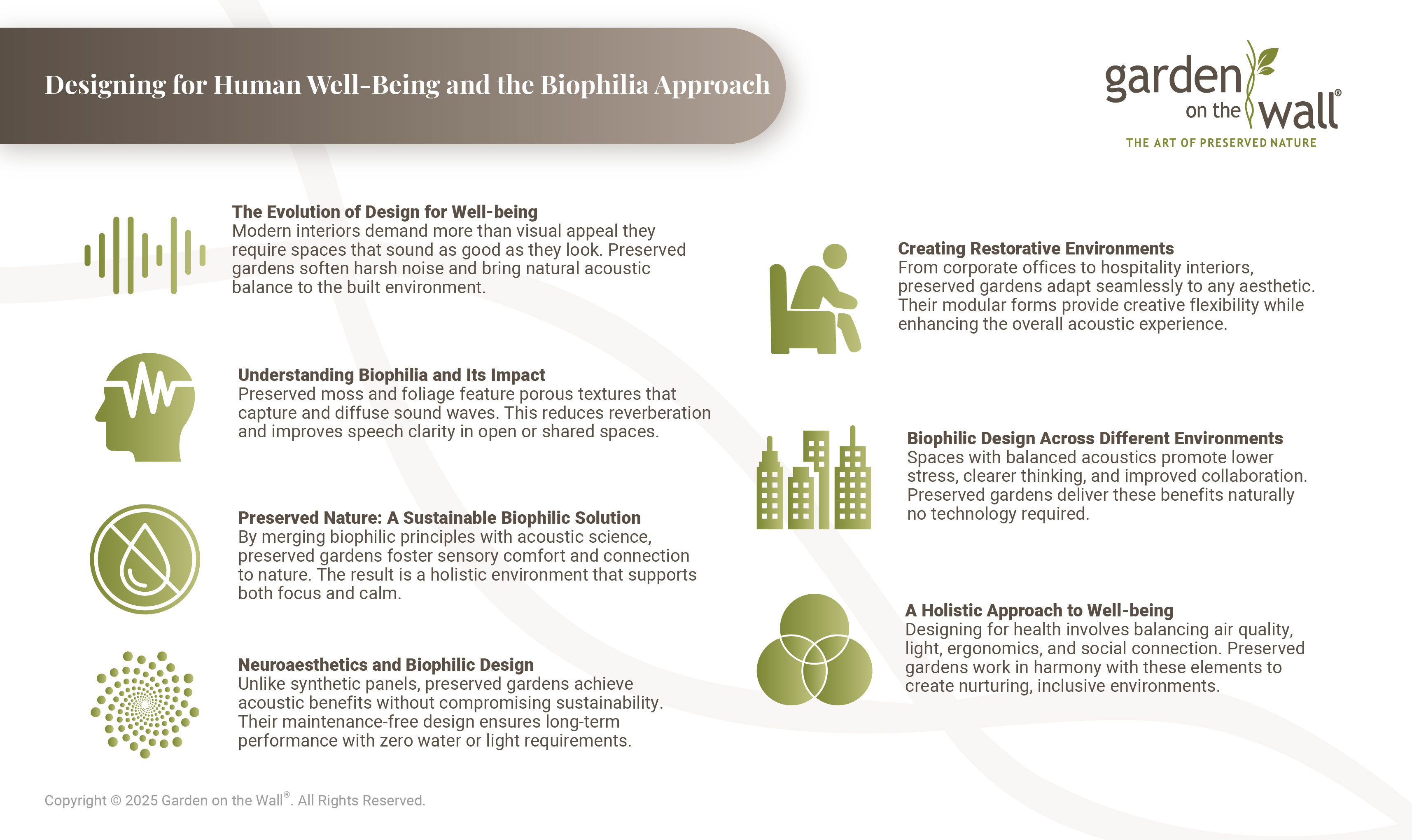
In recent years, architecture and interior design have undergone a profound transformation. The focus has shifted beyond functionality and aesthetics toward a more holistic goal designing for human well-being. At the core of this movement lies the biophilia approach, which recognizes our innate connection to nature and seeks to integrate natural elements into built environments. This philosophy has reshaped how designers think about interiors, emphasizing that human health and happiness thrive when spaces nurture our connection to the natural world. In this article, we’ll explore how designing with biophilia and well-being in mind can transform modern interiors, with a focus on the role of preserved gardens, moss walls, and planter inserts with preserved foliage.
Understanding Biophilia and Its Impact
Biophilia, a term popularized by biologist Edward O. Wilson, refers to the human inclination to seek connection with nature. The biophilia hypothesis suggests that this bond is deeply rooted in our evolutionary history and remains essential to our mental and physical well-being. In design, the biophilic approach manifests as creating spaces that satisfy our need for nature contact, even within urban or enclosed settings. Research in environmental psychology and neuroscience has shown that exposure to natural elements can reduce stress and anxiety, improve cognitive function and creativity, enhance mood, and boost productivity in workplace settings. In healthcare environments, it has even been shown to accelerate healing and recovery.
Preserved Nature: A Sustainable Biophilic Solution
While living plants have traditionally been used to bring nature indoors, they present challenges in maintenance, lighting, and climate control especially in large commercial or high-traffic spaces. Preserved gardens, moss walls, and planter inserts with preserved foliage offer an innovative and sustainable alternative. These installations provide the same visual and psychological benefits as living plants without requiring water, sunlight, or regular care. Their longevity and versatility allow designers to introduce lush greenery into spaces where live plants may not thrive, ensuring that the restorative power of nature is accessible to all kinds of interior environments.
Neuroaesthetics and Biophilic Design
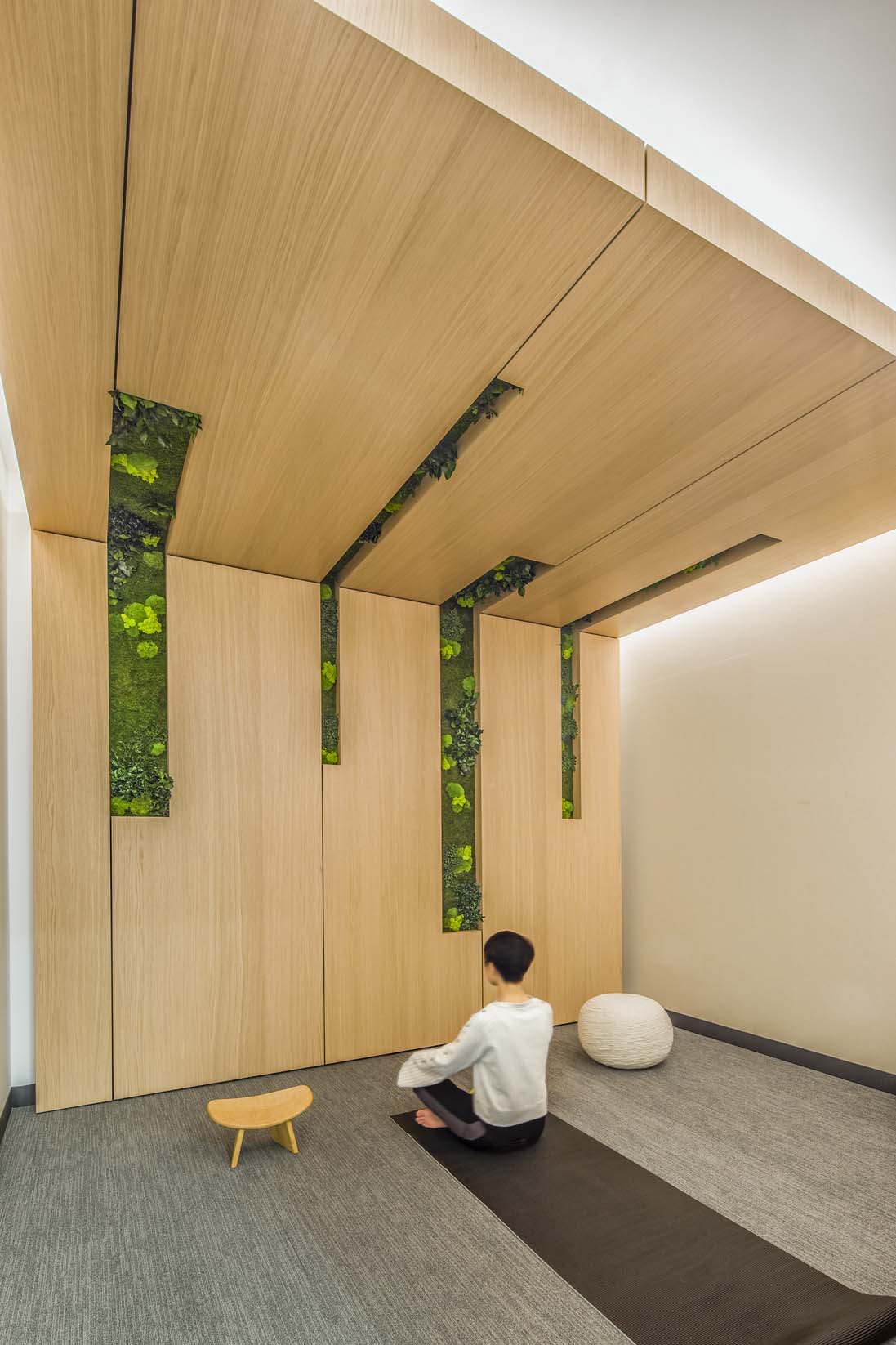
The field of neuroaesthetics the study of how aesthetic experiences influence brain function and behavior offers valuable insight into why biophilic design is so effective. Viewing natural elements activates areas of the brain associated with empathy, calm, and positive emotion. Preserved moss walls and gardens, with their soft textures and organic color gradients, engage the visual system in ways that promote relaxation and mental restoration. These installations can transform high-stress environments such as offices, hospitals, and classrooms into spaces that inspire clarity, creativity, and emotional balance.
Creating Restorative Environments
A central goal of designing for human well-being is to create restorative spaces places that help individuals recover from mental fatigue and emotional stress. Preserved nature installations can provide subtle visual “micro-breaks” throughout the day, allowing the mind to rest and reset. They foster a sense of refuge and escape within busy or overstimulating environments and offer sensory richness that engages the eye without overwhelming it. Additionally, preserved gardens contribute to acoustic comfort by naturally absorbing sound, creating quieter, more focused environments. These qualities make preserved nature a powerful design tool for supporting emotional and cognitive restoration across a range of settings.
Biophilic Design Across Different Environments
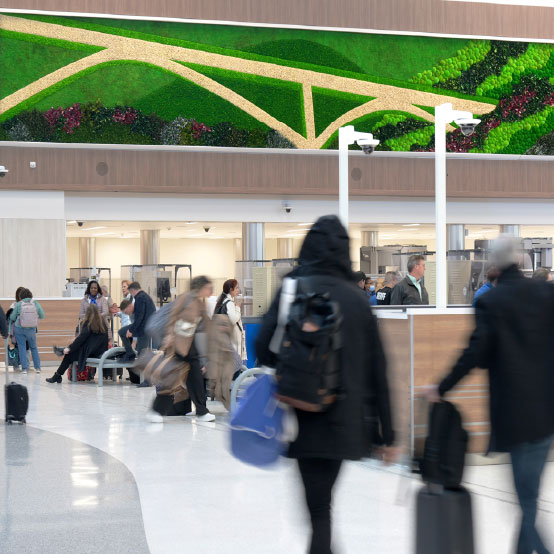
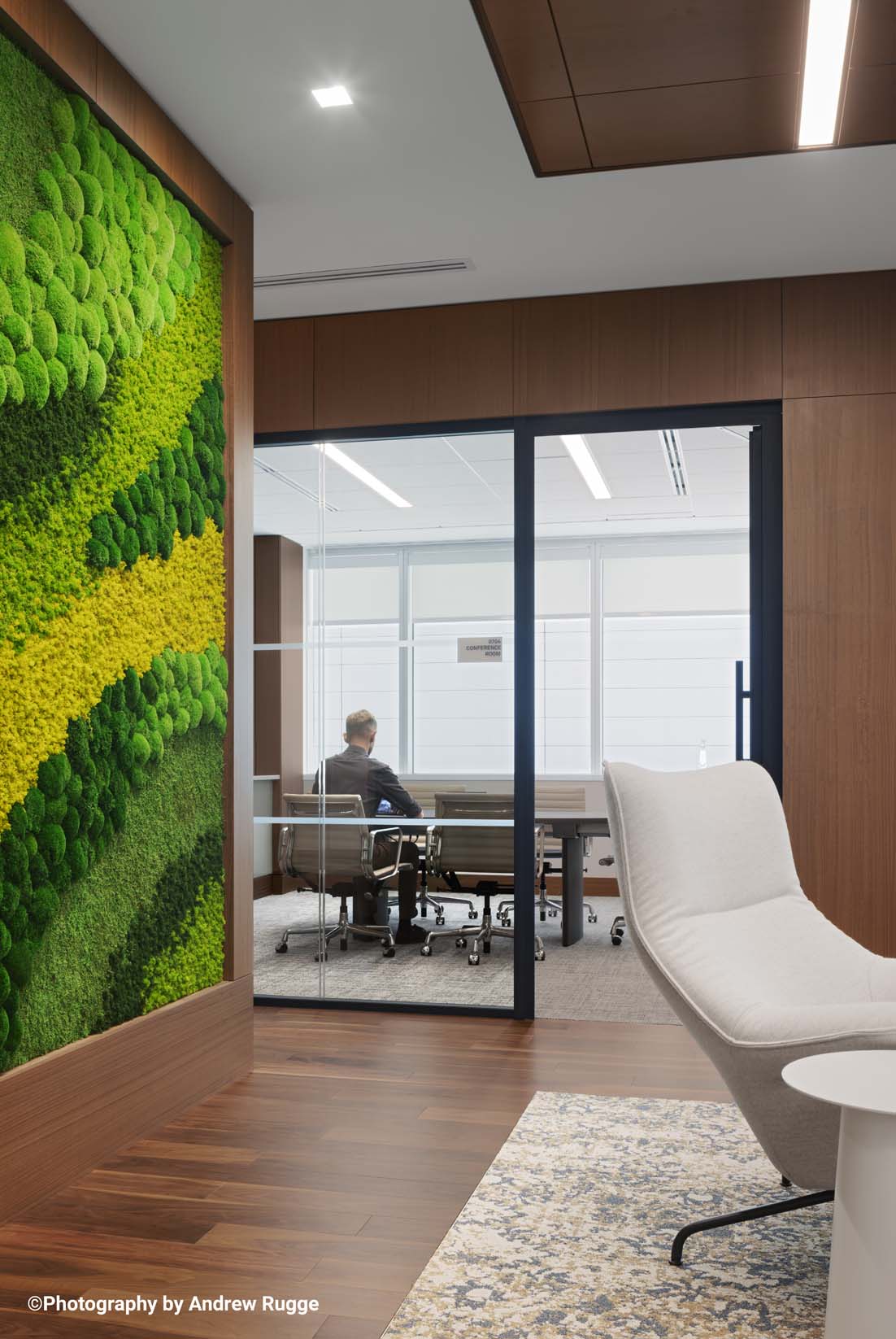
The principles of biophilia can be adapted to nearly any environment, with unique benefits for each. In corporate spaces, preserved gardens have been shown to improve employee productivity, reduce absenteeism, and enhance overall satisfaction by creating workplaces that feel both inspiring and restorative. In healthcare facilities, moss walls placed in waiting areas or patient rooms can ease anxiety and support faster recovery by providing a calming connection to nature. Educational settings also benefit planter inserts with preserved foliage create serene study zones that support focus and concentration. In hospitality environments, preserved greenery enhances guest experiences and creates visually memorable, “Instagram-worthy” spaces. Even residential interiors can embrace preserved nature, allowing homeowners to enjoy the beauty of greenery in urban settings without the maintenance demands of live plants.
A Holistic Approach to Well-being
True design for human well-being extends beyond adding greenery; it encompasses a holistic approach to how people interact with their surroundings. Air quality, lighting, ergonomics, and social engagement all contribute to the sense of comfort and balance within a space. Although preserved plants do not filter air like live plants, they are allergen-free and require no pesticides or chemicals, supporting cleaner indoor environments. Lighting whether natural or designed to mimic daylight rhythms can enhance the visual appeal of preserved gardens and reinforce the restorative experience. Ergonomic furnishings and thoughtful spatial layouts work in harmony with biophilic elements to reduce physical strain and promote ease of movement. Finally, preserved nature installations can help define inviting communal zones that encourage social interaction, collaboration, and connection key aspects of well-being in both workplaces and public spaces.
Sustainability and Longevity
Beyond their aesthetic and psychological advantages, preserved nature installations align closely with sustainability goals. They significantly reduce water consumption compared to living plants, eliminate the need for fertilizers and pesticides, and last for years without replacement. This longevity not only minimizes environmental impact but also reduces the total cost of ownership, making them a practical solution for eco-conscious design. By enabling designers to introduce greenery into spaces that lack the conditions for live plants, preserved nature expands the reach of biophilic design and ensures that more environments can benefit from its positive effects.
A Future Focused on Well-being
As awareness grows about the powerful link between environment and human health, designing for well-being through biophilia is becoming a central focus in architecture and interior design. Preserved gardens, moss walls, and planter inserts represent a forward-thinking evolution of this approach one that combines sustainability, beauty, and functionality. They allow designers to create interiors that not only look stunning but actively nurture the body and mind.
By embracing these natural elements, we can shape environments that enhance mood, focus, and creativity while reducing stress and environmental strain. The spaces of the future will be defined not just by innovation and style, but by how deeply they care for the people who inhabit them. When nature preserved or living is thoughtfully integrated into our interiors, it reminds us of our roots and reconnects us to the rhythms that sustain well-being. Designing for human flourishing means designing with nature at heart, ensuring that every space becomes a sanctuary for restoration, inspiration, and connection.
For more information on this subject, read this article: Biophilic Design in the Workplace: Nature’s Recipe for Health and Well-Being and other related information, please visit our website: www.gardenonthewall.com