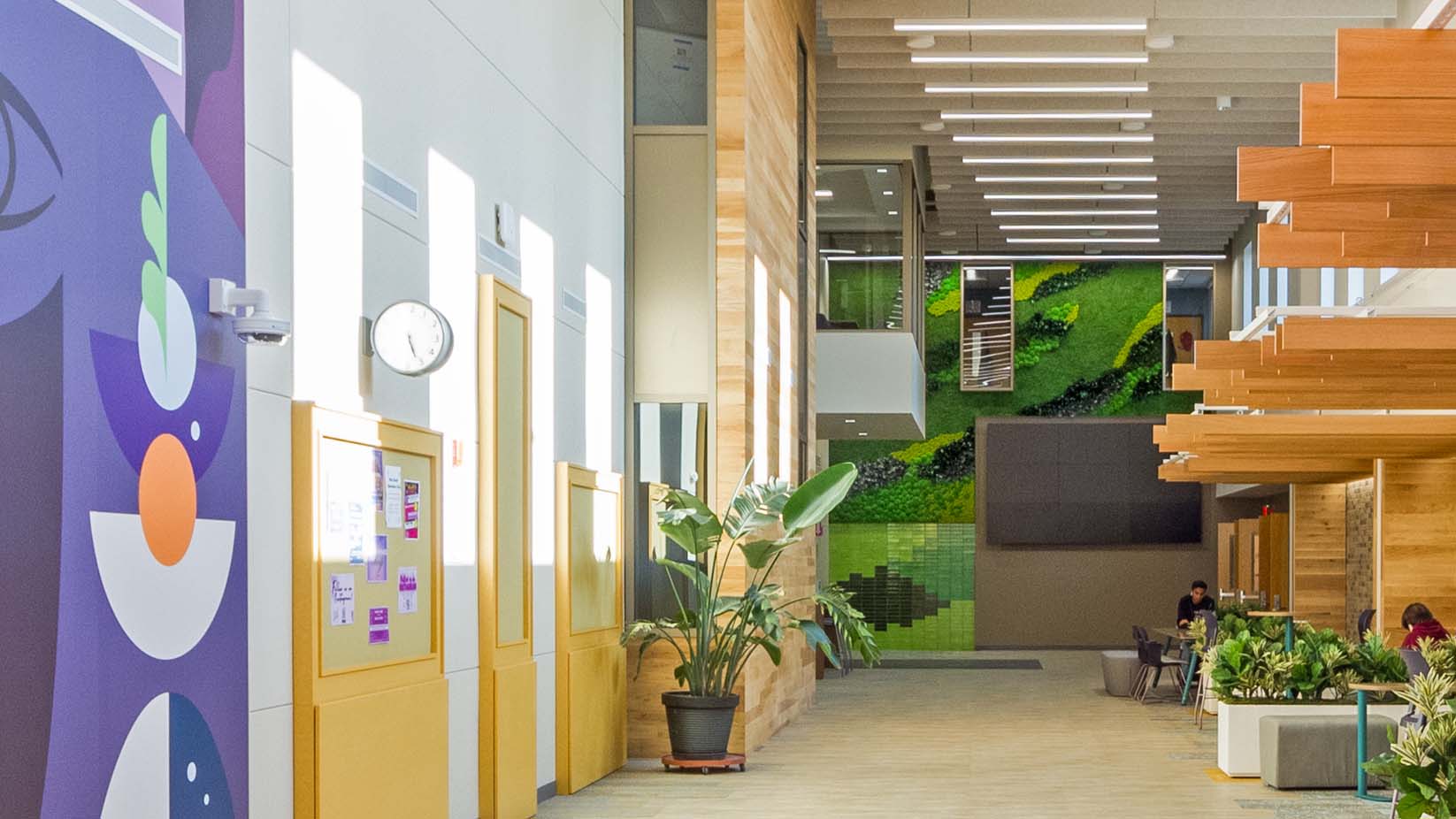
Crafting Tranquil Spaces with Preserved Moss Walls and Foliage Art
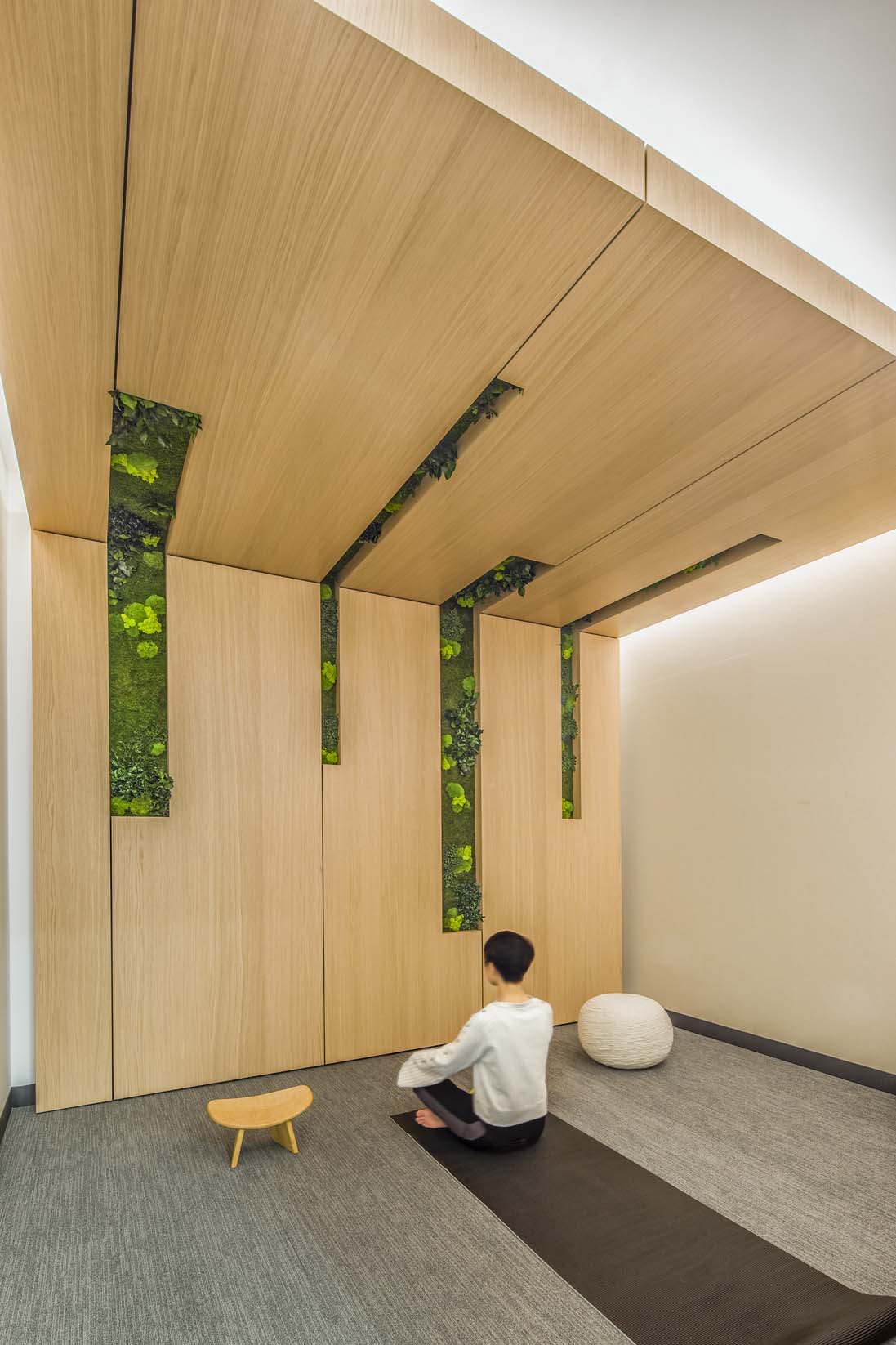
Tranquil spaces through preserved gardens enhance well-being by providing nature-based stress relief, acoustic improvement, and psychological restoration while maintaining aesthetic excellence and operational simplicity in diverse environmental applications.
🌿 Wellness Focus: Tranquility Creation Preserved gardens create zones of tranquility that support mental restoration and emotional well-being through authentic natural elements that provide consistent therapeutic benefits without operational complications.
🔗 Client Connection: Personal Restoration Tranquil spaces featuring preserved gardens provide essential respite from demanding environments while supporting emotional regulation and stress management through authentic nature connection and visual appeal.
📊 Performance Metrics: Well-Being Enhancement Spaces featuring preserved garden installations demonstrate measurable improvements in occupant stress levels, satisfaction scores, and overall well-being indicators through professional environmental assessment protocols.
🎯 Specification Confidence: Reliable Tranquility Preserved gardens maintain tranquil space benefits throughout their operational lifespan without performance degradation or maintenance complications that compromise therapeutic value or aesthetic appeal.
Ready to craft tranquil spaces through preserved gardens that enhance well-being and provide reliable stress relief? The complete article reveals design strategies for creating therapeutic environments that support mental restoration.
In today’s fast-paced world, the buildings we inhabit for work, study, healing, lounging, and entertainment also need to become sanctuaries of calm and tranquility for overall health and well-being. Preserved moss walls and plant foliage art are emerging as pivotal elements in creating serene spaces that not only beautify our surroundings but also enhance our well-being. Dive into how these elements of nature can transform interior designs into oases of peace.
The Rise of Biophilic Design in Modern Interiors
Biophilic design, which seeks to connect our innate need to affiliate with nature in modern interior environments, is not just a trend but a movement toward more sustainable and health-focused living spaces. Incorporating elements like preserved moss walls redefines the concept of living spaces by blurring the lines between the outdoors and the indoors, creating a seamless interaction with nature.
This design philosophy supports not only environmental sustainability but also enhances our psychological well-being, providing a serene backdrop to our daily lives. The application of biophilic principles in design has been shown to reduce stress, enhance creativity, and improve overall health. The presence of natural elements like plant foliage and moss walls in interior spaces is scientifically proven to improve air quality, increase cognitive function, and foster a peaceful atmosphere. Thus, incorporating these elements into modern interiors reflects the growing recognition of their impact on human health and productivity.
Exploring the Benefits of Preserved Moss Walls
Preserved moss walls offer an exceptional blend of aesthetic appeal and health benefits. These living walls act as natural air purifiers, absorbing toxins and releasing oxygen, which enhances the air quality of the surrounding space. Moreover, the lush greenery of moss walls introduces a calming natural element into interiors, reducing stress levels and promoting mental well-being. The low maintenance of preserved moss, which requires no watering or sunlight, makes it an ideal choice for adding a touch of green to any interior design without the hassle of regular upkeep.
In terms of design flexibility, preserved moss walls can be customized to fit any space, style, or branding requirement, making it a versatile option for residential and commercial spaces alike. The possibilities are limitless, from logos embedded in moss walls for corporate spaces to intricate patterns and shapes that elevate the design of homes. This adaptability, combined with the substantial wellness benefits, underscores the popularity of preserved moss walls in creating healthier, more inviting spaces.
How Plant Foliage Art Contributes to Mental Well-being
Plant foliage art goes beyond mere decoration; it brings the soothing effects of nature into our daily environments. Research indicates that interacting with plant life can significantly lower stress and anxiety levels, enhance mood, and foster a sense of well-being. By integrating plant art, such as green walls, terrariums, and potted plant arrangements, designers can create spaces that not only look beautiful but also offer tangible health benefits.
The visual appeal of plant foliage, with its varying textures, colors, and forms, provides a sensory experience that can stimulate creativity and productivity. In office settings, plant art can lead to more satisfied and productive employees. In homes, these green additions can transform living areas into calming retreats conducive to relaxation and recovery. The psychological benefits of being in close proximity to nature underscore the importance of incorporating plant foliage art in interior designs.

Practical Tips for Integrating Moss and Plant Art in Your Space
Incorporating preserved moss and plant foliage art into your space requires thoughtful consideration to maximize their aesthetic and well-being benefits. Selecting the right type of plants or moss that complement your personal style and the functional needs of your space is crucial. Understanding the light conditions, available space, and overall design theme will guide your choices in plant and moss varieties, ensuring they enhance rather than detract from your interior design.
Maintenance is another key aspect to consider. While preserved moss is relatively low maintenance, it’s essential to follow specific care instructions to maintain its vibrant look and longevity. For living plant art, choosing species that match your lifestyle and commitment level to plant care will ensure that your green additions thrive and continue to bring joy and tranquility into your space.
Finally, consider the placement of your plant and moss art carefully. Strategic placement can optimize the health benefits, such as placing plant art in areas where you spend most of your time to enjoy the air purification and stress-reducing properties. Using moss and plant art as focal points or to create visual separations in open-plan spaces can also enhance the functionality and aesthetics of your interior design.
Spotlight on Successful Moss Wall and Plant Art Projects
One notable example of a successful integration of preserved moss walls and plant foliage art is seen in commercial spaces like eco-friendly hotels and wellness spas. These spaces have utilized moss walls to create striking visual impacts that immediately convey a message of peace and sustainability. In offices, moss walls have been used to delineate spaces and provide a calming backdrop for employees, proving that functional design can also be exceptionally beautiful and beneficial for well-being.
Embracing Nature’s Palette for Well-being
Integrating preserved moss walls and plant foliage art in interior designs not only brings a piece of the outside world in but also significantly contributes to our mental and physical well-being. As we continue to explore the intricate relationship between nature and interior spaces, it becomes clear that creating tranquil environments is much more than an aesthetic choice—it’s a pathway to a healthier and more mindful way of living. With each leaf and every patch of moss, we not only enhance the beauty of our spaces but also invest in our well-being.
For more information on this subject and other related information, please visit our website: www.gardenonthewall.com