Institutional, Cultural & Civic Spaces
Museums, libraries, nonprofit headquarters, civic centers, and faith spaces must welcome diverse audiences while demonstrating responsible stewardship. Institutions function as social infrastructure: places where people meet, learn, reflect, and build community.
Garden on the Wall® designs, fabricates, and installs preserved gardens, moss walls, and planter inserts for commercial interiors nationwide. Its authentic botanical installations require no irrigation, soil, grow lighting, or routine horticultural maintenance, offering a practical solution for institutional, cultural & civic spaces.

The Only Choice: Why Specification Matters Here
Museums, libraries, nonprofit headquarters, civic centers, and faith spaces must welcome diverse audiences while demonstrating responsible stewardship. Living walls require ongoing care that may be difficult under restricted budgets; artificial greenery may undermine material authenticity. Preserved gardens offer real botanical material without irrigation or routine horticultural maintenance, supported by documented material and environmental performance.

The Connection Advantage: Spaces That Bring People Together
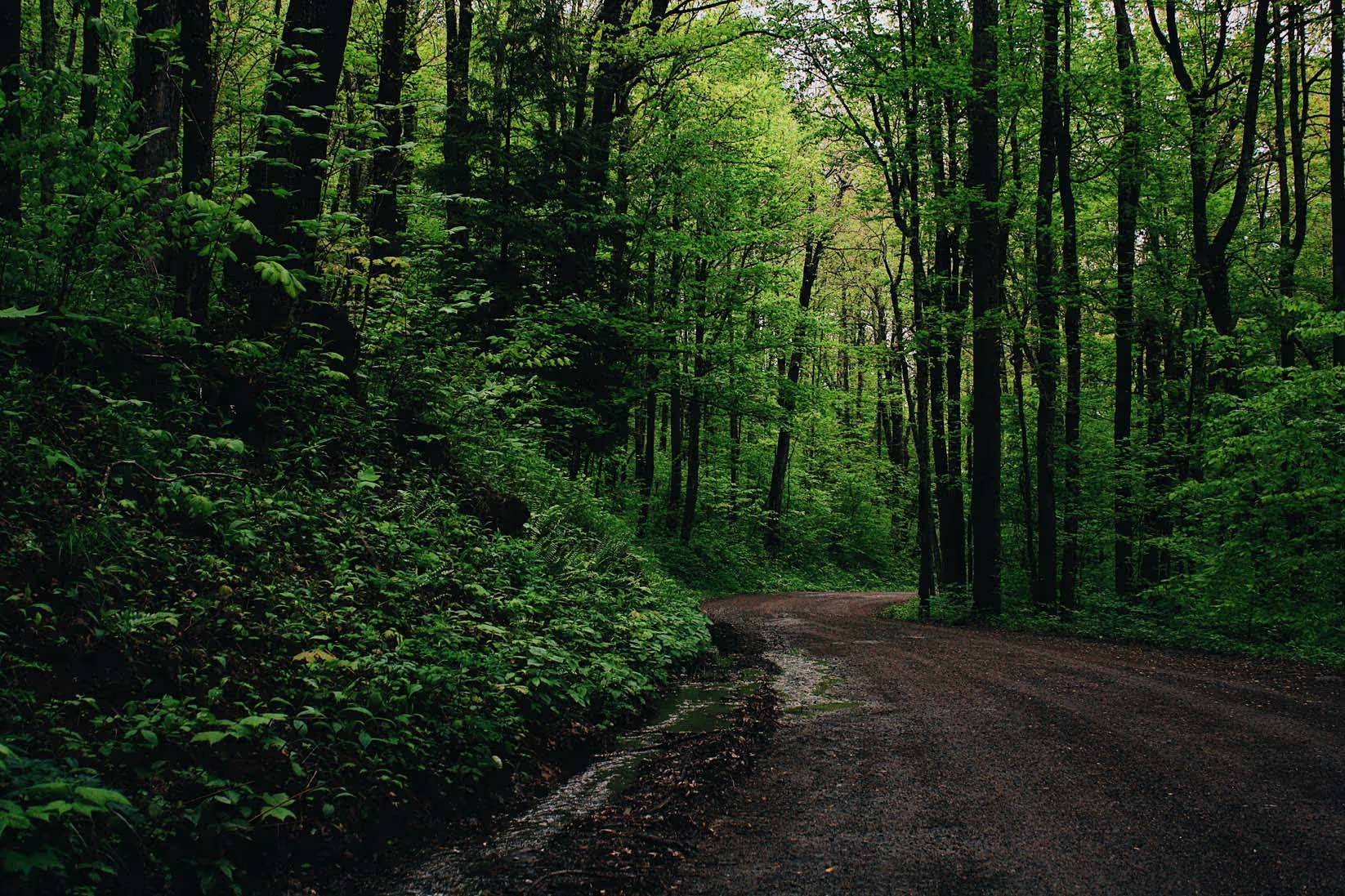
Institutions function as social infrastructure: places where people meet, learn, reflect, and build community. Research in residential common areas associates vegetation with stronger use and social ties, while a study of 2,440 U.S. residents links neighborhood green space with civic engagement partly through outgroup trust. These findings offer relevant mechanisms for institutional design, though they do not directly test preserved gardens in museums or libraries.
The Institutional Mandate: Designing for Trust and Belonging
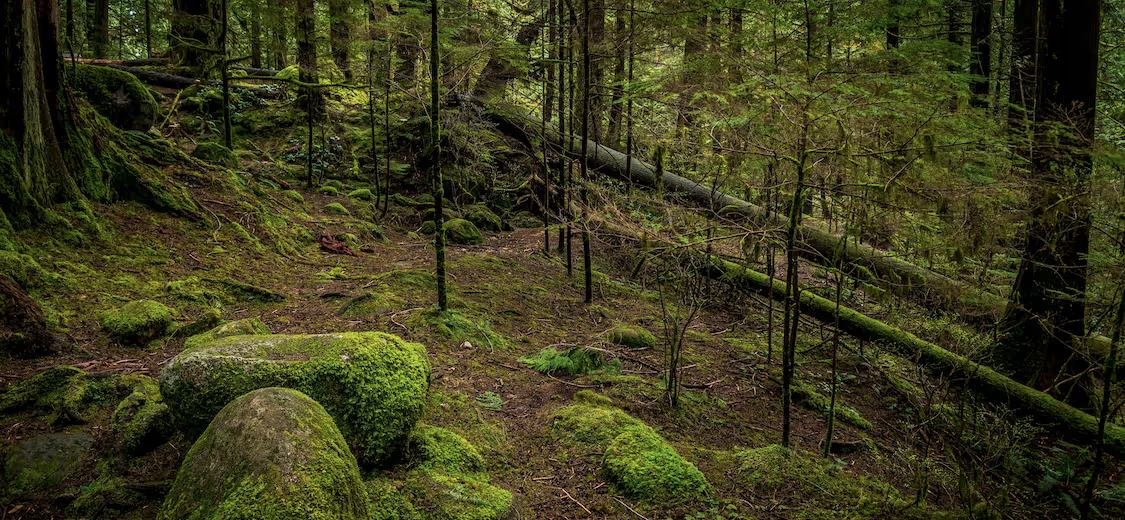
Institutional success depends on public confidence, repeat visitation, accessibility, and community participation. Museum research connects the physical environment with satisfaction and intention to return; neuroinclusive design research emphasizes prospect, refuge, and sensory coherence. Where Strangers Become Community brings these strands together with the need for defensible, low-maintenance specification.
Download the Executive Summary