
Where Strangers Become Community: The Institutional Case for Biophilic Design
Museums, libraries, civic centers, nonprofit organizations, and faith-based institutions serve a purpose that extends beyond the walls of their buildings. They bring people together, foster meaningful connections, and create spaces where communities can gather, learn, and belong. Unlike commercial environments, their success is measured not simply through financial performance, but through public trust, participation, and lasting engagement.
Evidence-based biophilic design offers a strategy for creating more welcoming, restorative, and inclusive institutional environments. For architects, interior designers, and institutional leaders, the opportunity extends beyond aesthetics—connecting environmental quality with social interaction, visitor satisfaction, accessibility, and responsible stewardship.
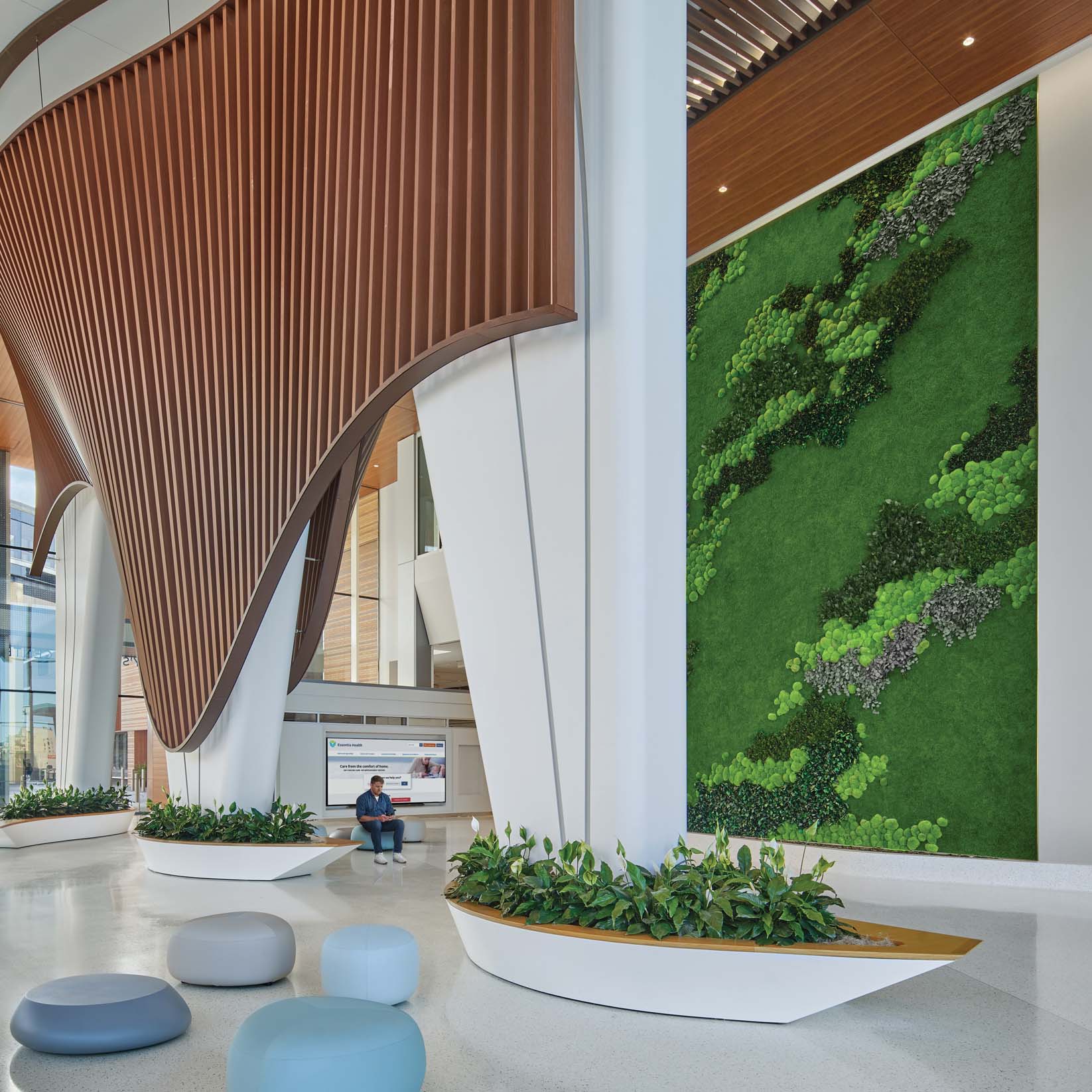
The Value of Connection: Designing Spaces That Bring People Together
Institutional buildings function as social infrastructure—places where individuals from different backgrounds gather, interact, and form connections. The quality of these shared environments can influence how frequently people use them, how comfortable they feel, and whether they choose to return. Research involving residents of architecturally similar housing developments found that vegetation in common spaces was associated with greater use of those spaces and stronger neighborhood social ties. A separate study involving 2,440 U.S. residents connected neighborhood green space with civic engagement and trust across social groups. For institutions, these findings reinforce the value of environments that encourage gathering, support belonging, and strengthen the connections that sustain communities.
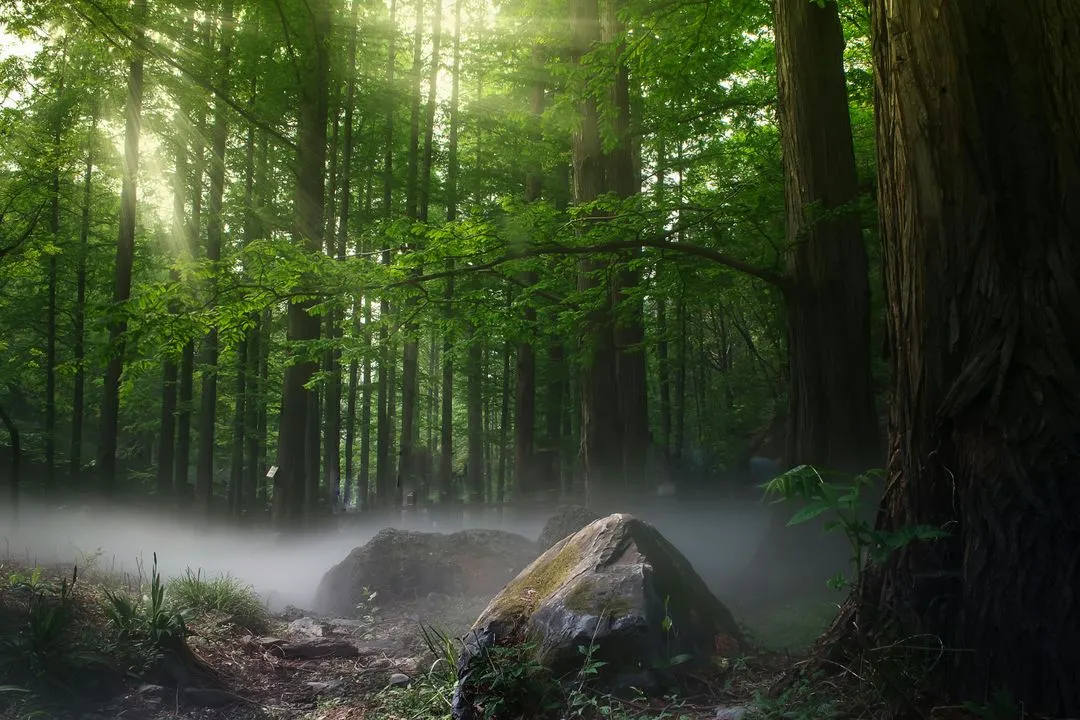

The Science of Belonging, Restoration, and Trust
The relationship between nature and human connection extends beyond visual appeal. Environmental psychology research demonstrates that natural elements can support attention restoration, reduce cognitive fatigue, and contribute to more positive experiences in shared spaces. Attention Restoration Theory explains how natural environments engage the mind through effortless fascination, allowing depleted attention to recover. Research examining nature imagery has also documented neurological responses associated with visual engagement and reduced cognitive demand. These findings are particularly relevant to museums, libraries, and cultural institutions, where visitors navigate stimulating environments, extended periods of attention, and diverse sensory experiences. Integrating restorative natural elements can help create opportunities for pause, comfort, and meaningful interaction.
Designing for Everyone Who Walks In
Public-facing institutions must accommodate people with diverse cognitive, sensory, social, and emotional needs. From museum galleries and library reading rooms to civic gathering spaces and nonprofit headquarters, inclusive design begins with environments that support comfort, orientation, and accessibility. Research examining neurodivergent visitor preferences in museums and galleries identifies prospect, refuge, and spatial coherence as important design considerations. These principles overlap with established biophilic design strategies, creating opportunities to support more inclusive experiences through natural materials, organized environments, and restorative spaces. Preserved gardens, moss walls, and botanical installations can introduce authentic natural elements into reception areas, gathering spaces, circulation routes, and quiet zones—supporting welcoming environments without irrigation, soil, or routine horticultural maintenance.
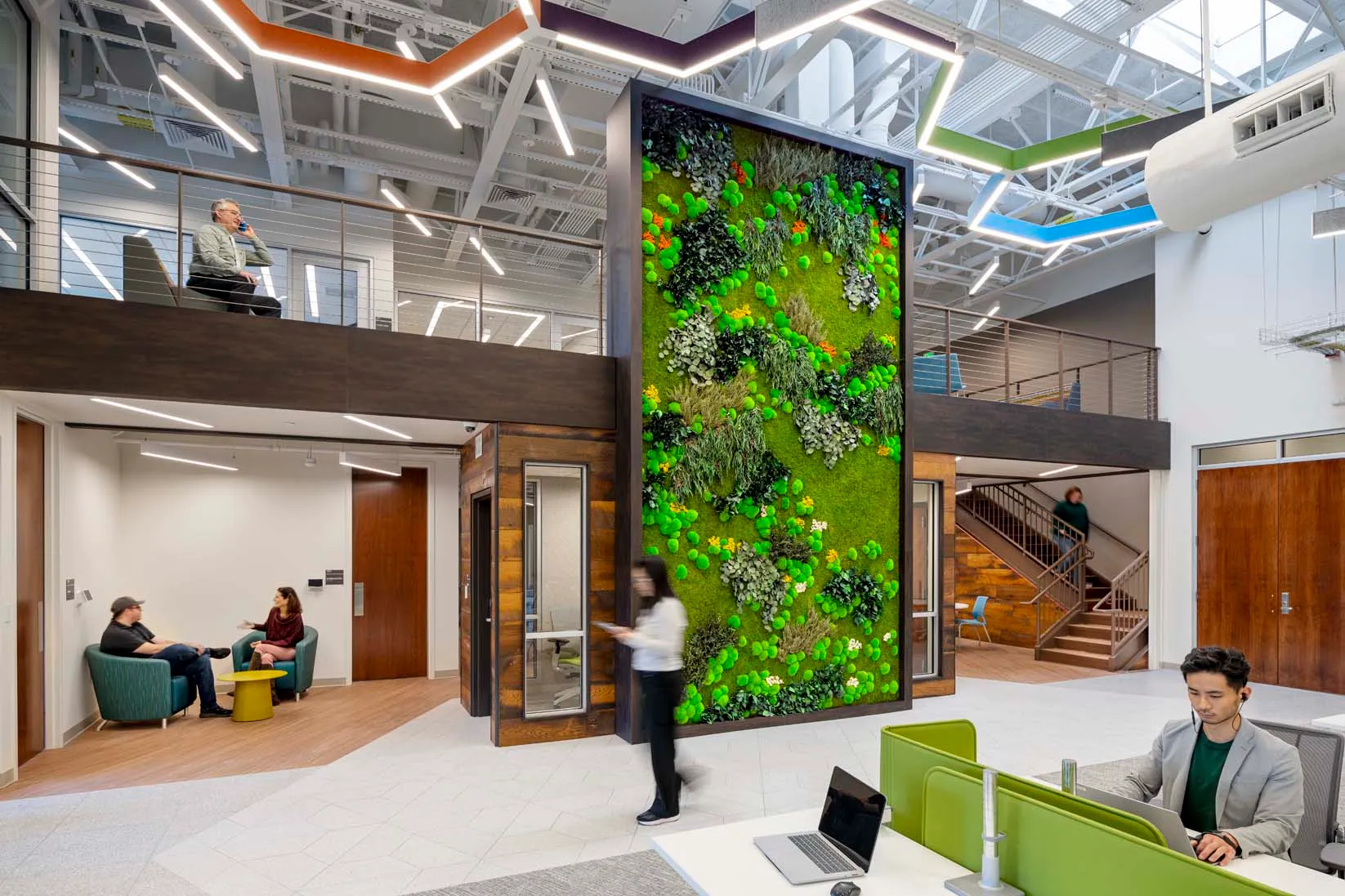
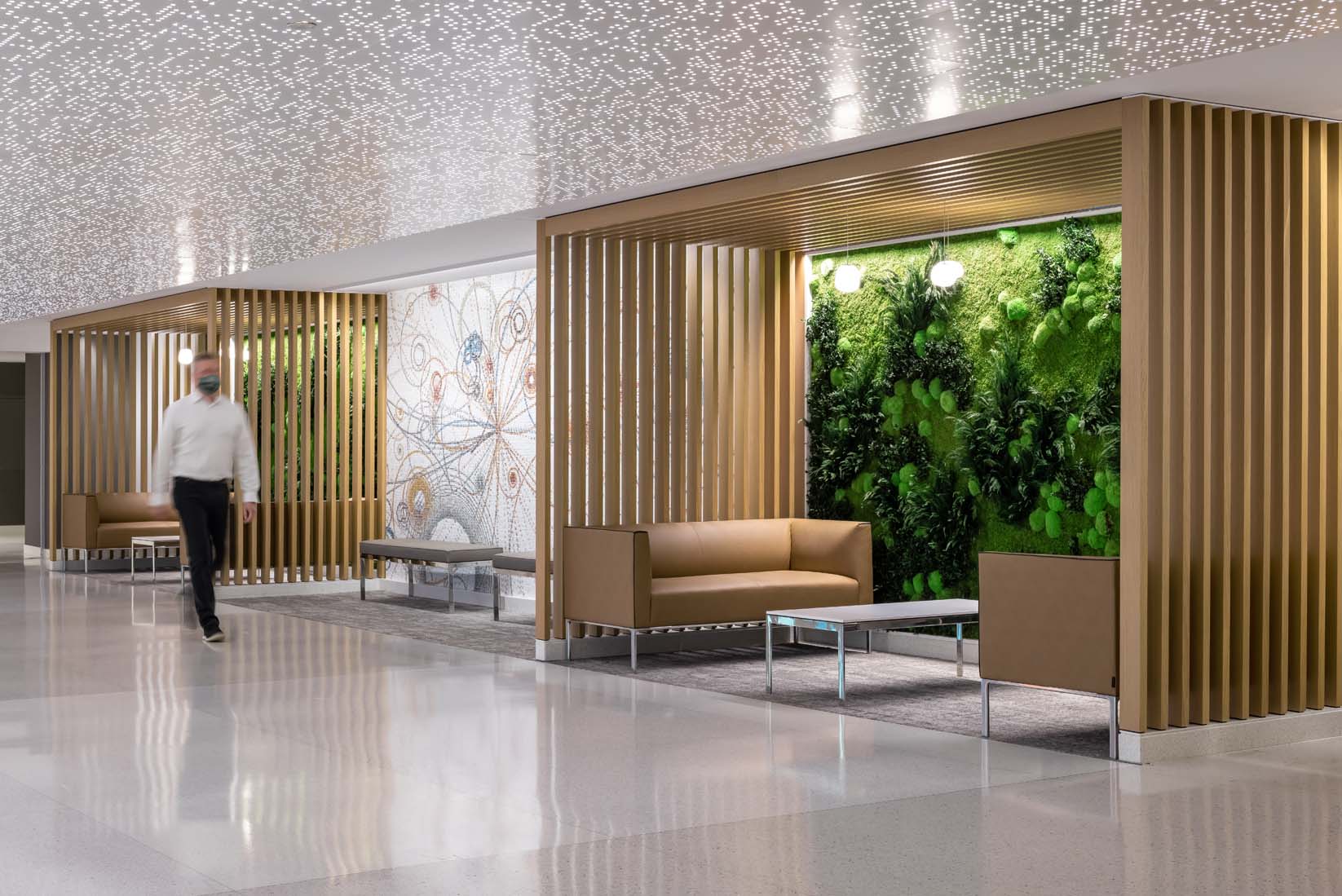
Authentic Nature. Responsible Stewardship.
Institutional environments carry a responsibility that extends beyond design quality. Public funding, donations, grants, and community support require materials that demonstrate long-term value, transparency, and responsible resource management. Garden on the Wall® preserved botanical systems combine authentic natural materials with third-party verified material-health, environmental, and fire-performance documentation. With a 7-year warranty and a lifecycle extendable to 20+ years through the Rejuvenation Program, these installations offer a practical approach to integrating nature into public-facing environments. For institutional leaders and design professionals, preserved botanical design provides a balance of visual distinction, operational simplicity, and documented performance—supporting environments that remain welcoming while respecting the resources entrusted to them.
Access the Full White Paper
Where Strangers Become Community examines how biophilic design intersects with institutional trust, social connection, visitor satisfaction, neuroinclusive accessibility, and responsible stewardship. Explore the research connecting natural environments with stronger social ties, restorative experiences, and meaningful engagement—and discover how evidence-based design can support museums, libraries, civic centers, nonprofit organizations, and faith-based institutions.