Why Commercial Interiors Are Replacing Live Plants with Preserved Planter Inserts
Key Takeaways Before You Read the Full Article
30 Second Executive Summary
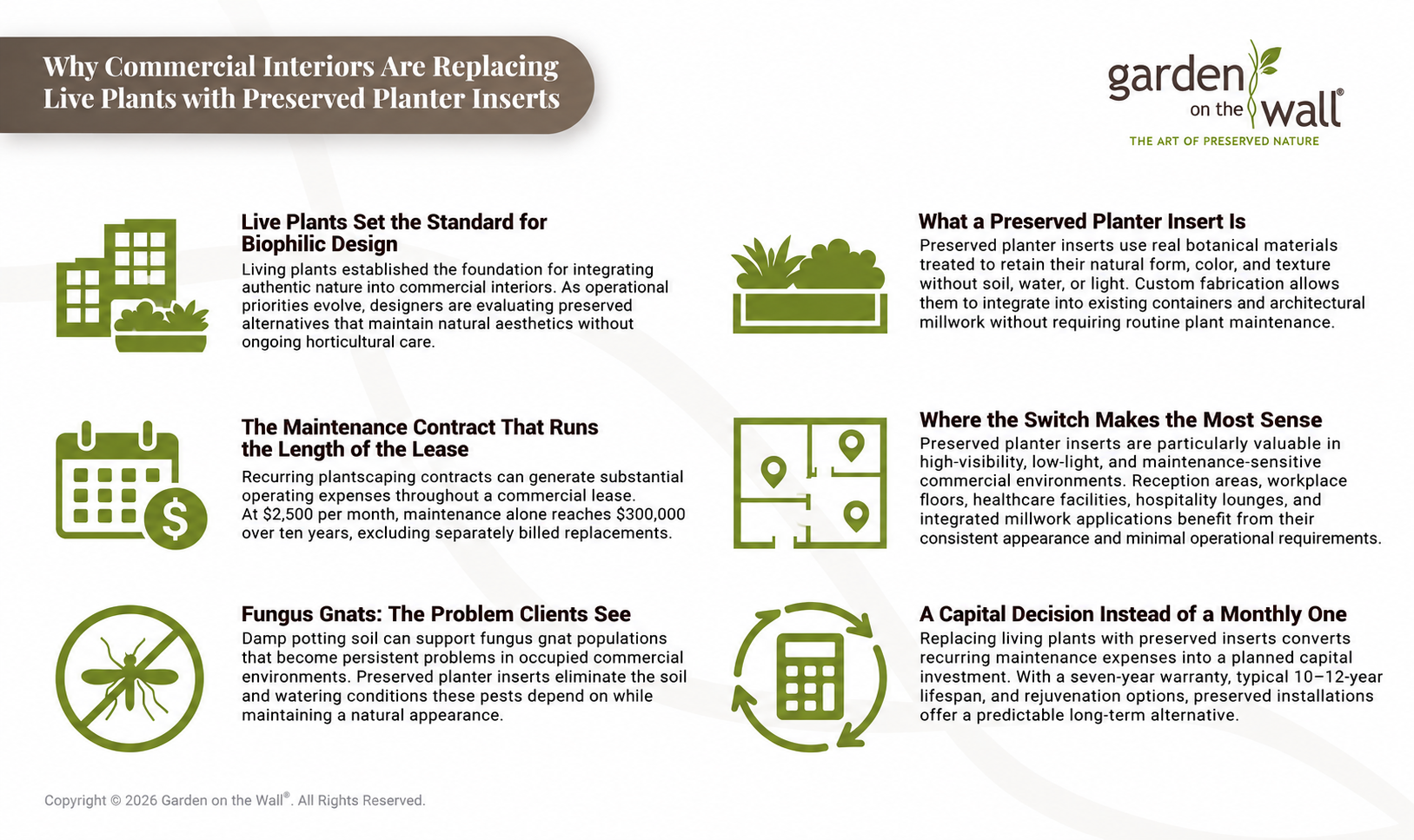
🌿 Nature Connection: Live Plants Earned Their Place
For decades, potted plants were the most direct way to bring nature into designed space. Research links contact with real plants to lower stress and to better mood and focus.
💰 Total Cost of Ownership: The Contract Runs as Long as the Lease
A plant maintenance contract runs as long as the plants live. One client reports saving more than $5,000 a month after replacing its live planters, which is $600,000 over a ten-year lease.
🛡️ Risk Reduction: Gnats Follow the Soil
Fungus gnats breed in damp potting soil and reproduce indoors all year. Take away the soil and the watering, and the breeding site goes with them.
📍 Strategic Placement: Same Planters, Same Locations
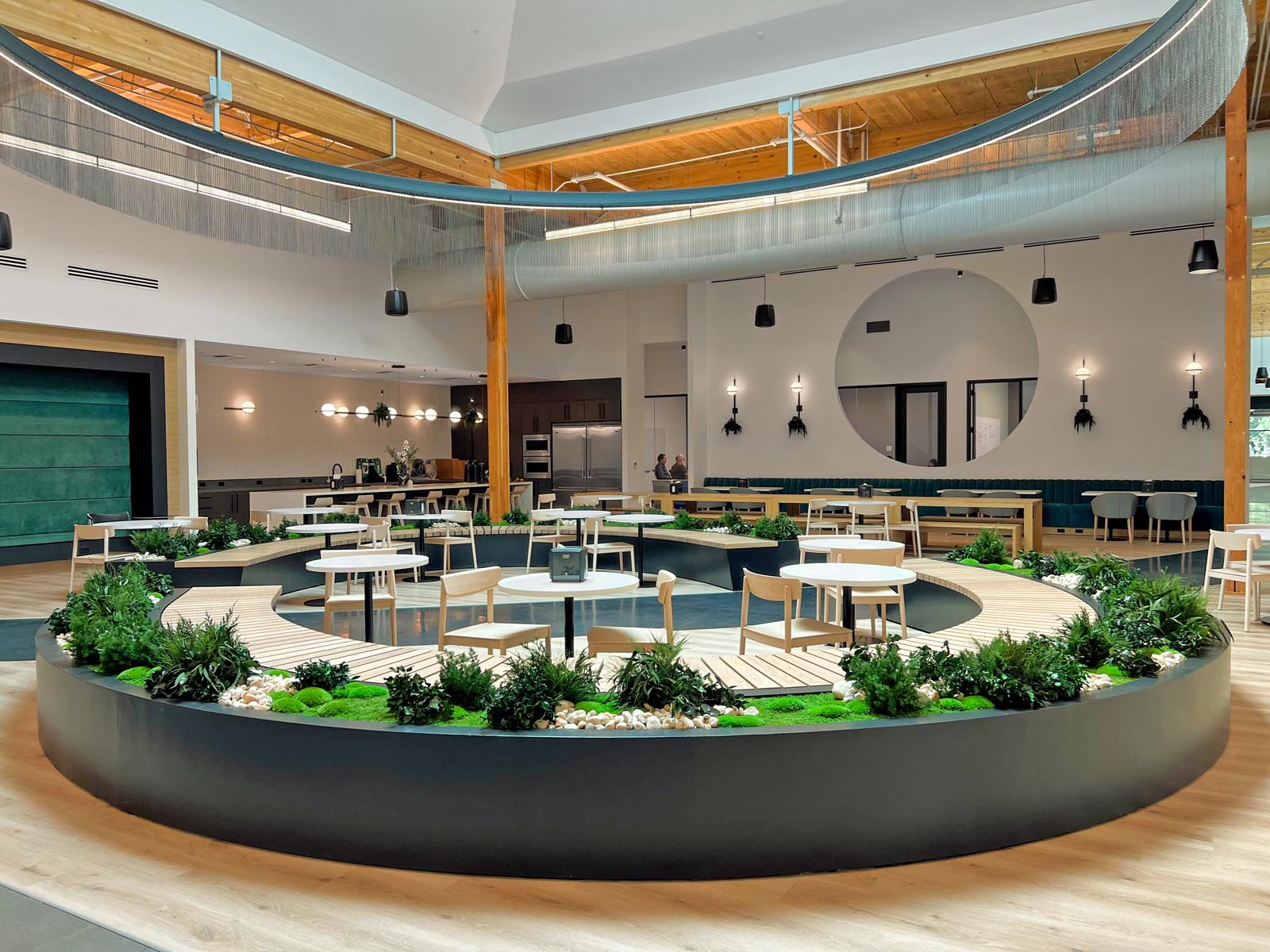
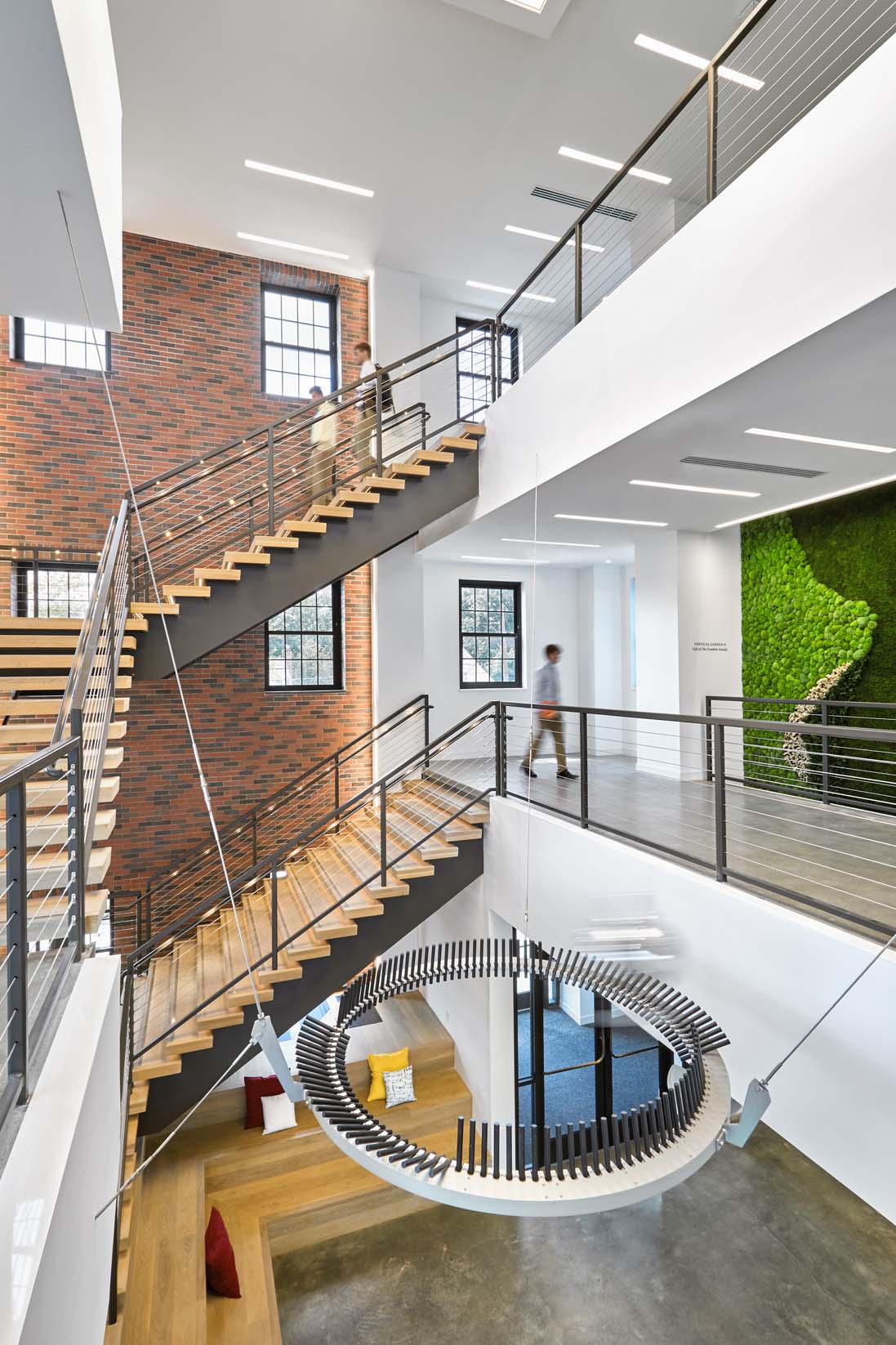
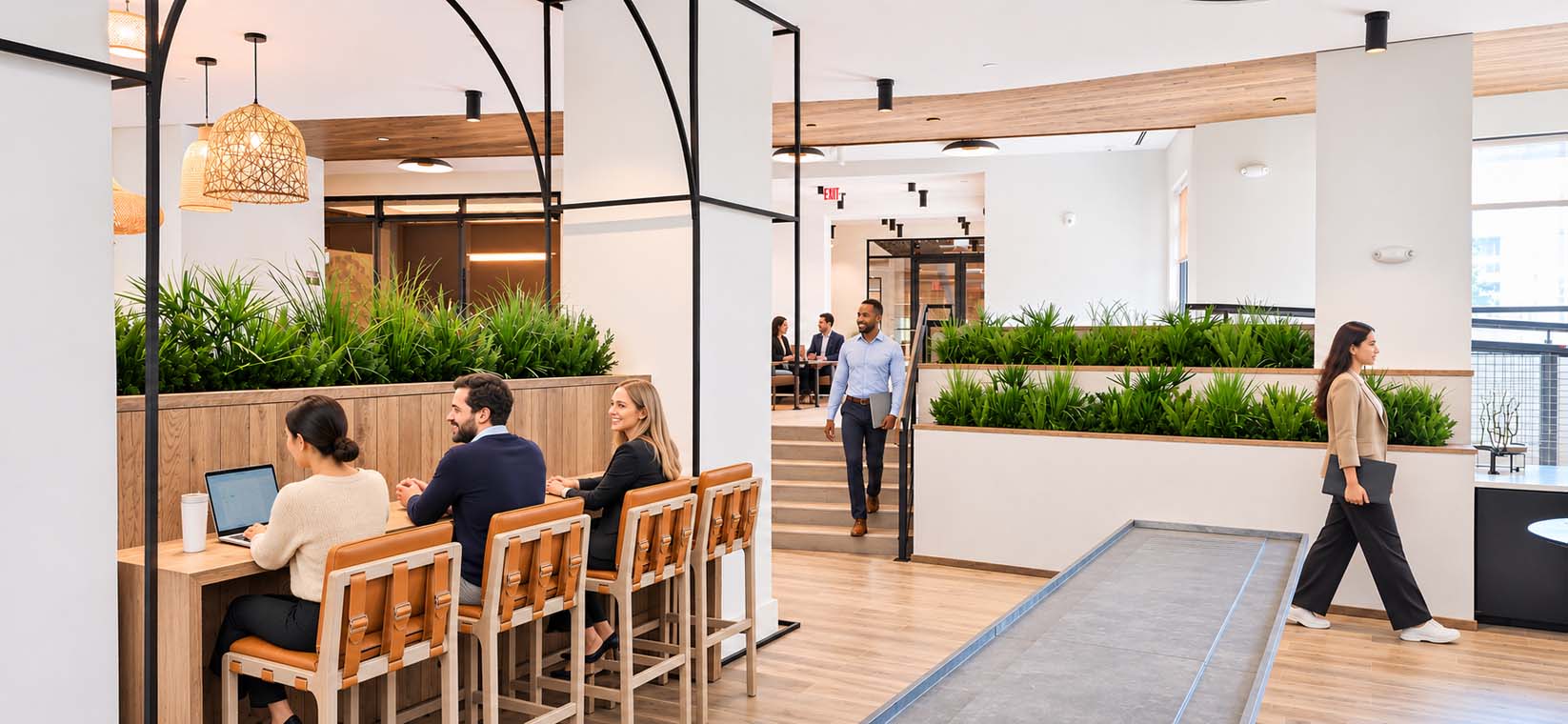
Preserved planter inserts fit the planter boxes already in the drawings or already on the floor. The greenery stays at desk height and along circulation paths, close to the people it is there for.
📈 Long-Term Value: One Installation, No Service Visits
Preserved inserts need no water, light, soil or maintenance contract. Garden on the Wall® backs its work with a 7-year warranty and a 20+ year lifecycle with rejuvenation.
Ready to explore how environmental design can support compassion and understanding? The full article examines how preserved gardens and moss walls can contribute to spaces that encourage shared experiences, deep listening, psychological comfort, and meaningful human connection.
Live Plants Set the Standard for Biophilic Design
Biophilic design brings natural elements into buildings because people respond to them. For years the potted plant was the most direct way to do it. A planter beside a workstation, along a corridor or in a reception area puts real foliage within sight of the people who spend their day there.
The research behind that habit is substantial. Studies of indoor contact with nature report lower cortisol, the body's main stress hormone, along with changes in the neurochemistry tied to mood, motivation and social bonding: serotonin, dopamine and oxytocin. Designers surround occupants with plants because these responses can support calm, focus and a sense of belonging. That case still holds. The part real estate teams now question is the cost of keeping the plants alive.
The Maintenance Contract That Runs the Length of the Lease
Commercial real estate costs keep climbing, and real estate and facilities teams now read every recurring line item. Plant maintenance is one of them.
Live plants in a commercial interior need a plantscaping contract. A technician drives to the site every week, on some programs twice a week, to water, prune, clean and check each planter. The contract lasts as long as the plants do, which in practice means as long as the lease.
The math takes one step: multiply the monthly fee by 120. The contracts clients have shared with Garden on the Wall® run around $2,500 a month for a floor with 10 to 15 planters, which is $30,000 a year and $300,000 over a ten-year lease. That figure covers service alone. Plants decline, get sick and die indoors, and the soil needs changing. Where the contract bills replacements separately, they sit on top of the base fee, and over a decade they can carry the total toward $500,000.
Larger programs scale with it. One technology company reports saving more than $5,000 a month after replacing its live planters with preserved inserts, or $600,000 over a ten-year lease. Another client, which replaced two living walls and 30 to 40 planters at a single office, reports savings above $180,000 a year. These figures come from the contracts of Garden on the Wall® clients. Each building's number differs, so the useful exercise is to pull the current contract and run the same multiplication.
Each service visit is also a vehicle trip. A company that added plants as part of its sustainability story ends up paying for 50 to 100 drives a year to keep them alive.
Fungus Gnats: The Problem Clients See
Cost shows up in a budget review. Gnats show up in the meeting.
Fungus gnats breed in damp potting soil, the condition regular watering creates. A generation matures in about ten days, and indoors the insects reproduce all year. Pest control guidance for office buildings treats them as a known side effect of interior plantscapes, and the treatment options inside an occupied building are limited. Once a population settles in, a technician can spend months drying out soil, setting traps and swapping plants.
The business cost is hard to put in a spreadsheet. Picture a law firm negotiating a $20 million engagement while the client across the table watches small flies circle the conference room planter. The scenario is close to real: an international law firm had Garden on the Wall® replace its live plants with preserved planters because of gnats and flies.
What a Preserved Planter Insert Is
A preserved planter insert is real plant material. Growers harvest the foliage, and a preservation process keeps its natural form, texture and color without water, light or soil. Because the material is authentic, research suggests people respond to it as nature, which is the response that put live plants in buildings to begin with.
The fabricator builds each insert to the dimensions of the planter, whether that is a millwork planter box in the drawings or an existing container on the floor, and installs it once. An insert has no soil and takes no water, so fungus gnats have nowhere to breed. No watering also means no leak risk to millwork or flooring, and no technician on a weekly route.
One limit belongs in the specification conversation. Preserved plants are not alive. They do not grow, and they do not clean the air. They are for interior use only. Their value is the visual and sensory connection to nature, and they deliver it without upkeep.
Where the Switch Makes the Most Sense
• Reception areas and client-facing conference rooms, where visitors see a declining plant or a gnat first
• Open workplace floors with planters built into benching, banquettes and storage runs
• Low-light corridors, elevator lobbies and interior meeting rooms, where live plants struggle
• Healthcare and senior living common areas, where facilities teams restrict soil and standing water
• Hospitality lounges and amenity floors that must look the same every day of the year
Designers specify preserved planter inserts under Division 12, Interior Plants (12 92 00), so the scope sits in the construction documents and the planter arrives finished.
A Capital Decision Instead of a Monthly One
Replacing live planters turns an open-ended operating expense into a one-time installation. Garden on the Wall® designs, fabricates and installs preserved planter inserts that need no watering, no light and no maintenance contract. A 7-year warranty backs the work, the inserts last 10 to 12 years before rejuvenation, and rejuvenation extends the lifecycle past 20 years. At end of life, the Re-Leaf take-back program keeps retired material out of the landfill.
The reason designers put plants in buildings is as strong as it was. For a ten-year lease, facilities teams are choosing the form of nature that asks nothing of them after installation day: real plants, in the same planters, close to the same people.
For more information on this subject, read this article: What Makes A Design Human-Centric and other related information, please visit our website: www.gardenonthewall.com.
Frequently Asked Questions
Are preserved planter inserts real plants?
Yes. They are real foliage, preserved after harvest so it keeps its natural form and color without water, light or soil. They are not alive and do not grow.
Do preserved planter inserts attract fungus gnats?
Fungus gnats breed in damp potting soil. Preserved planter inserts contain no soil and take no water, so they give gnats no place to breed.
How long do preserved planter inserts last?
Garden on the Wall® preserved planter inserts carry a 7-year warranty, last 10 to 12 years before rejuvenation, and reach a 20+ year lifecycle with rejuvenation.
Can preserved inserts go into existing planters?
Yes. Inserts are fabricated to the planter's dimensions, for new millwork planter boxes or for existing containers.