The Science Behind Preserved Gardens, Moss Walls and Preserved Foliage Planter Inserts
Key Takeaways Before You Read the Full Article:
30 Second Executive Summary
Biophilic design is reshaping modern interiors by introducing nature into offices, healthcare, education, hospitality, and residential spaces. Preserved gardens, moss walls, and planter inserts deliver natural beauty, wellness benefits, and sustainability while removing the maintenance and complexity of traditional living greenery.
🔬 Research Foundation:
Neuroscience, neuroaesthetics, and environmental psychology show that natural elements improve mood, reduce stress, and enhance focus. Preserved installations provide restorative “micro-moments” that support cognitive and emotional well-being without allergens, watering, or ongoing upkeep.
💡 Innovation Edge:
Preserved greenery lasts 10–20+ years, can be rejuvenated, and uses verified, low-impact materials. Compatible with LEED, WELL, and Fitwel standards, these installations are low-maintenance, sustainable, and future-ready design solutions.
📊 Performance Metrics:
Biophilic interiors deliver measurable value, including higher employee retention, reduced absenteeism, improved tenant attraction, and long-term cost savings over living walls.
🏗️ Project Integration:
Customizable palettes, patterns, and layouts allow preserved gardens to fit any space. They enhance acoustics, define areas, align with brand identity, and comply with building safety and accessibility requirements.
Ready to see how interiors can nurture people and the planet? The full article explores how preserved greenery supports wellness, sustainability, and performance, creating spaces that are healthier, more productive, and visually inspiring.
Introduction to Biophilic Design and Preserved Plant Walls
In recent years, the integration of nature into built environments has gained significant momentum. Decorative plant walls especially preserved gardens and moss walls have become popular, scientifically supported ways to reconnect people with nature indoors. This approach stems from biophilic design, a philosophy recognizing our innate bond with the natural world and our biological need to experience it in daily life.
Preserved plant walls offer a sustainable, low-maintenance means to bring the outdoors in. They embody the essence of biophilic design while addressing modern needs for longevity, aesthetics, and performance all without the upkeep of living plants.
Neuroscience of Nature: Neuroaesthetics and Neuroarchitecture
The benefits of preserved gardens extend beyond aesthetics they’re deeply rooted in neuroscience. The fields of neuroaesthetics and neuroarchitecture explore how the brain responds to beauty and spatial design, respectively. Studies reveal that exposure to natural elements, even in preserved form, stimulates positive neurological responses that elevate mood, lower stress, and sharpen cognitive performance.
When biophilic design aligns with evidence-based neuroscience, it creates environments that support health, creativity, and emotional balance. This is the foundation of salutogenic design, which promotes well-being by focusing on factors that enhance human health such as coherence, manageability, and meaning rather than those that cause disease.
Physiological Benefits: Oxytocin Increase and Cortisol Reduction
Decorative plant walls influence not just our minds, but our physiology. Research shows that interacting with nature or even viewing natural textures and forms can boost oxytocin, the “love hormone” that fosters social connection and relaxation.
Preserved moss walls and foliage installations stimulate this same response, deepening people’s connection to themselves, their environment, and one another. Simultaneously, these natural elements help lower cortisol, the stress hormone linked to anxiety and burnout.
By integrating preserved gardens, moss walls, and planter inserts into interior spaces, designers can create human-centric, salutogenic environments that actively promote well-being and calm.
Regenerative and Restorative Design: A Holistic Approach
Preserved gardens and moss walls perfectly illustrate regenerative and restorative design philosophies:
- Restorative design minimizes harm to human and environmental health while enhancing our connection with nature.
- Regenerative design goes further, replenishing ecological systems and maintaining relationships between humans and the living world.
Through these principles, preserved installations become more than décor they serve as active contributors to occupant wellness and planetary health. This holistic approach aligns seamlessly with sustainability objectives and the growing emphasis on designing for long-term human and environmental benefit.
Material Health and Occupant Well-being
The material composition of preserved gardens plays a critical role in occupant health. While many suppliers make sustainability claims without verifiable data, Garden on the Wall® leads the field in third-party verified transparency and material safety.
GOTW’s entire system moss, foliage, substrates, adhesives, and installation components is HPD v2.3 compliant (to 100 ppm disclosure), Declare-labeled, Red List Free, and meets the California Department of Public Health VOC Standards. As of May 2025, it remains the only company in the industry with this level of certified disclosure.
Such transparency ensures compliance with wellness and materiality requirements across LEED, WELL, and Fitwel frameworks guaranteeing that design professionals can specify GOTW products with confidence.
Greenwashing remains rampant in the preserved garden market, making it vital for designers to demand documentation. Without verified VOC and toxicity data, installations risk compromising Indoor Environmental Quality (IEQ) and can contribute to Sick Building Syndrome. Garden on the Wall®’s independently tested systems eliminate that risk entirely.
Sustainability and Third-Party Certifications
Preserved plant walls offer a sustainable, long-lasting alternative to live greenery. By removing the need for irrigation, soil, and fertilizers, they drastically reduce resource consumption while providing enduring visual and psychological benefits.
Garden on the Wall®’s preserved moss and foliage installations are Declare-labeled, 100% biobased, and possess a 3E Exchange Passport, aligning with the Common Materials Framework for verified material health and sustainability. These certifications underscore GOTW’s leadership in transparency and its commitment to measurable environmental responsibility setting a benchmark unmatched in the industry.

De-escalating Design and Normative Environments
Preserved moss walls and green walls with preserved foliage contribute to what’s known as de-escalating environments spaces intentionally crafted to reduce stress, anxiety, and tension. Through soothing textures, organic patterns, and natural hues, these installations evoke calm and emotional balance.
In high-pressure settings such as offices, healthcare facilities, or government buildings, these environments counteract the sterile, artificial feel of conventional design. They also help establish normative environments, which foster a sense of familiarity, safety, and behavioral regulation.
Uniformly integrating preserved gardens, moss walls, and foliage planters across a space helps achieve this effect, providing subtle visual continuity that promotes comfort and groundedness in occupants.
The Versatility of Preserved Plant Gardens, Moss Walls and Planters with Preserved Foliage
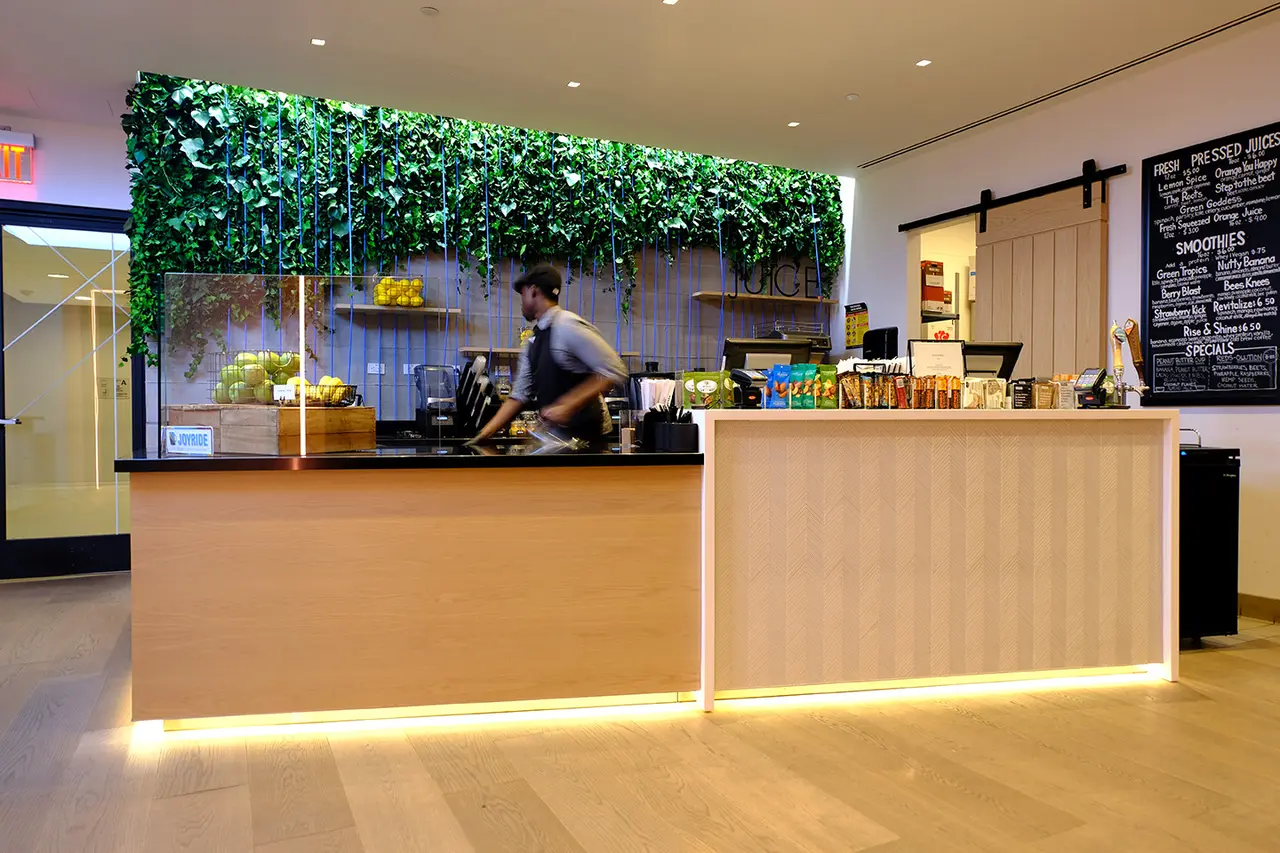
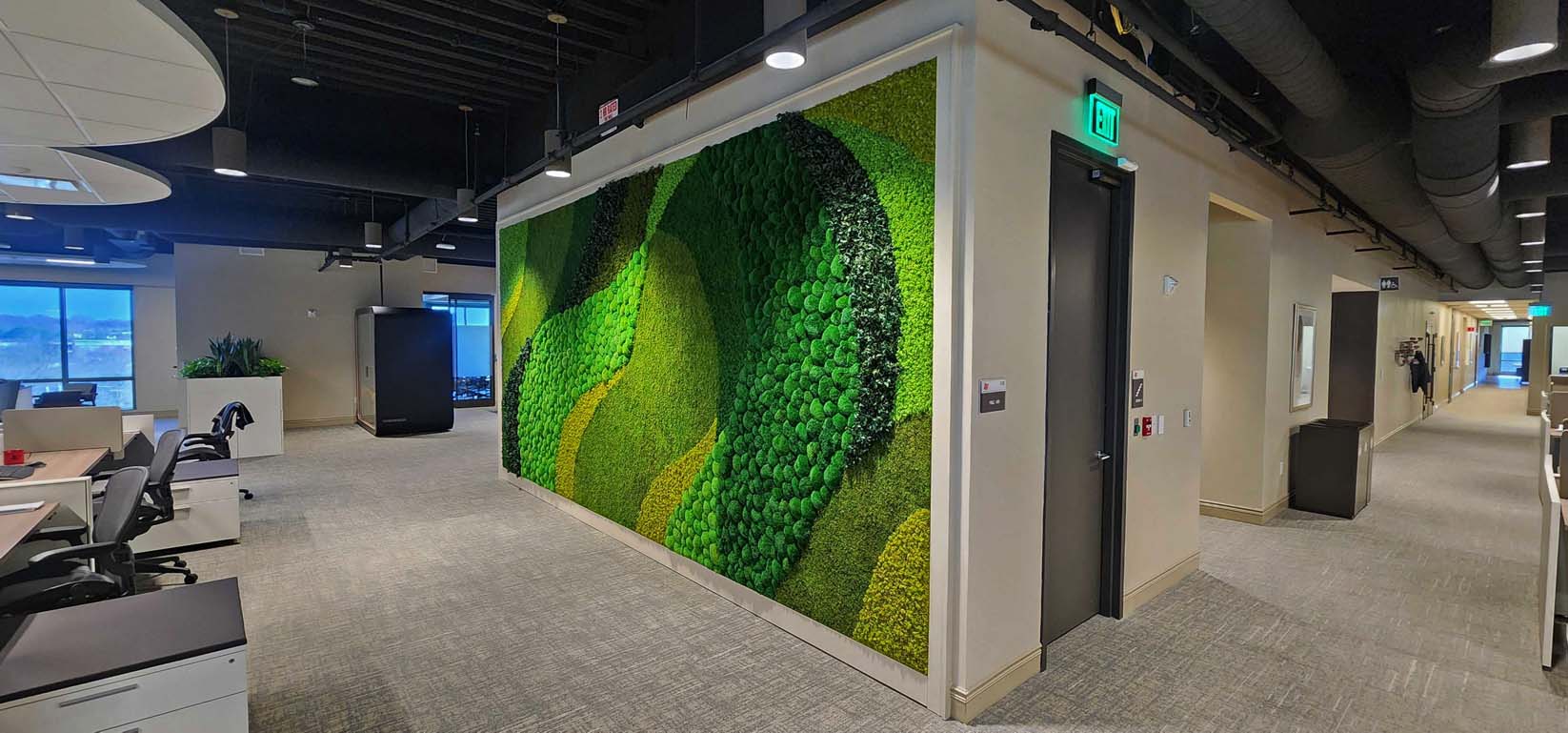
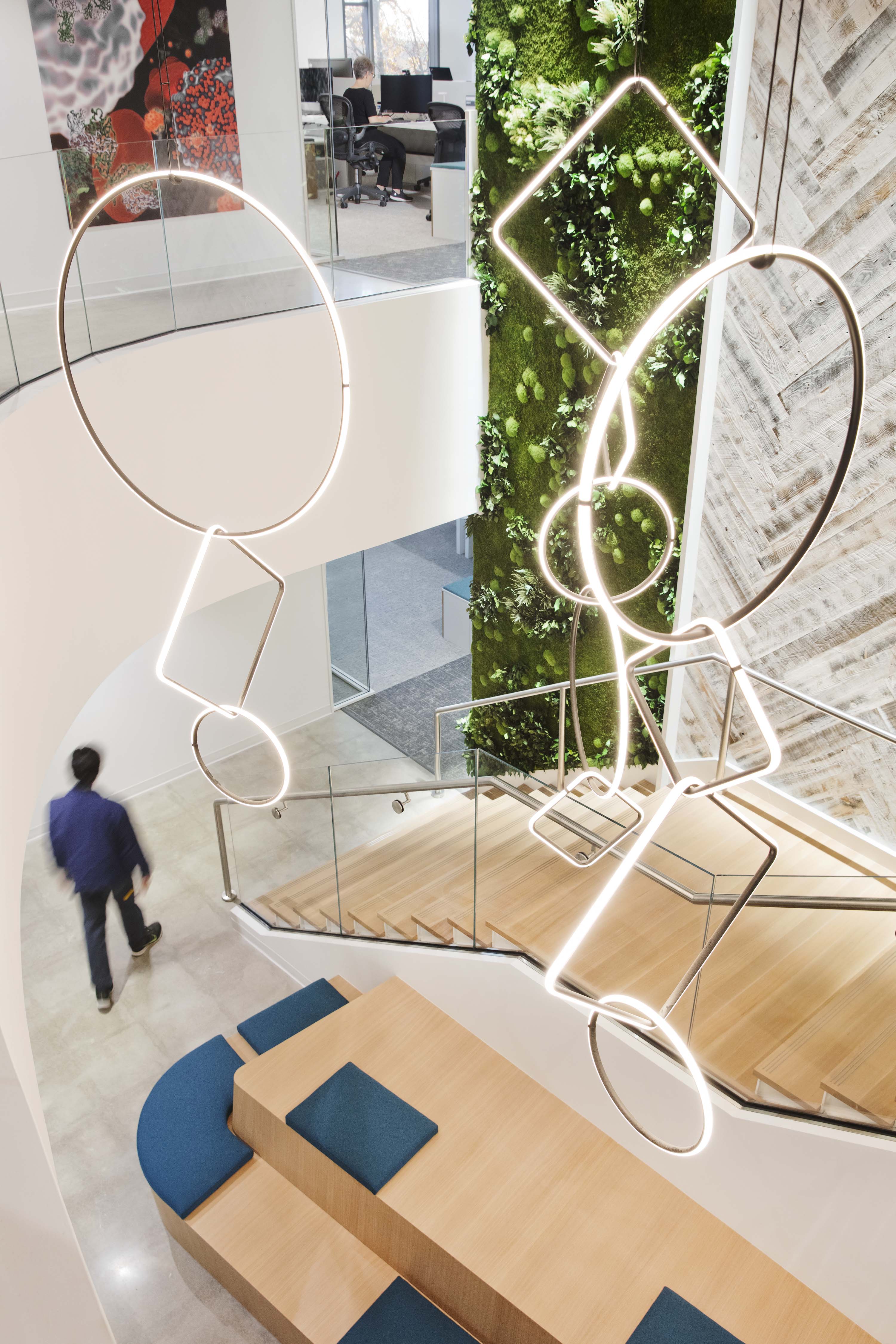
Preserved installations are incredibly versatile, offering limitless design possibilities. With only about one inch of depth, they can be installed on nearly any vertical surface even as Day 2 additions after project completion.
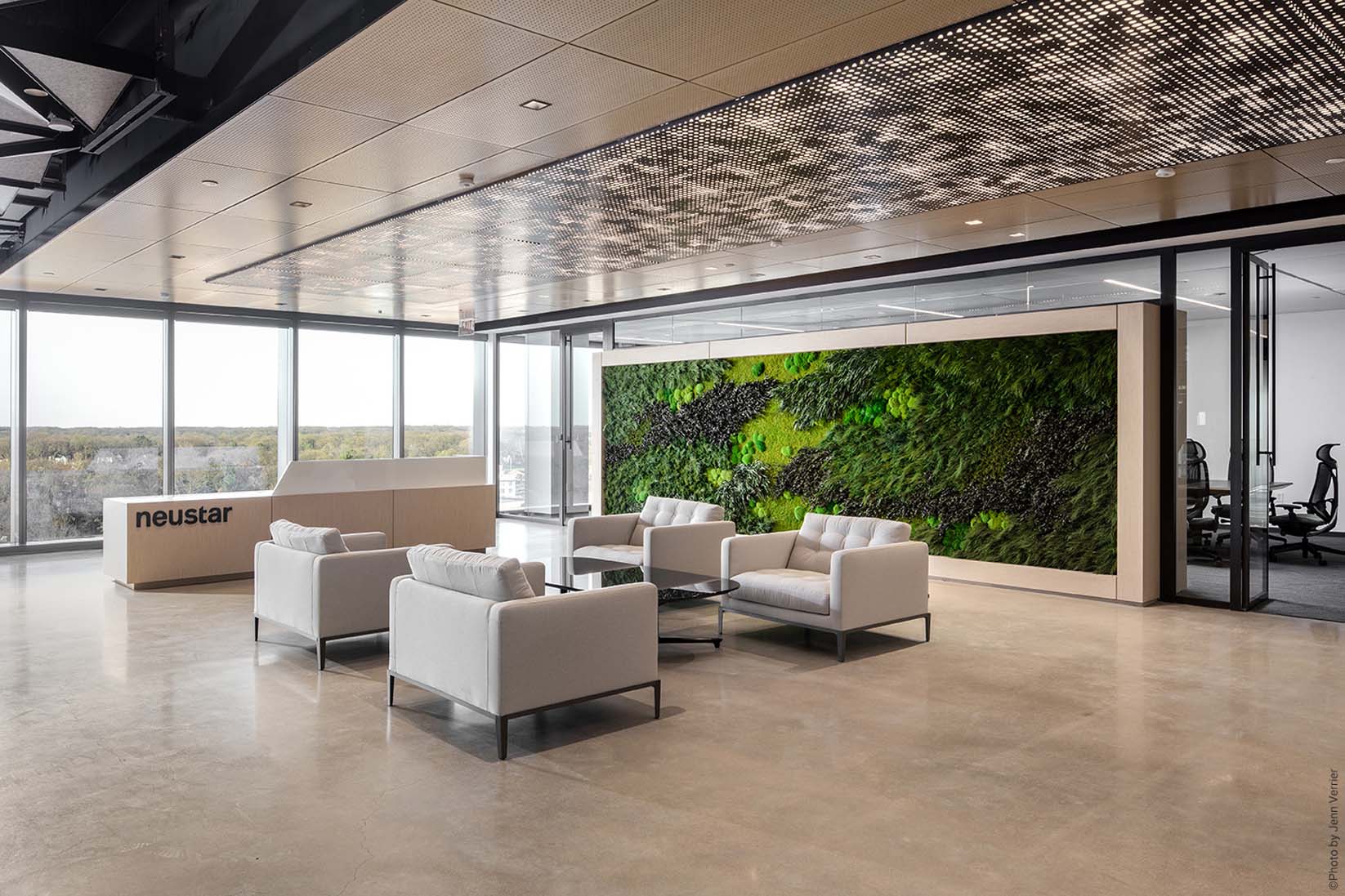
Designers can tailor compositions to suit any scale from intimate artful accents to expansive feature walls making them ideal for corporate offices, hospitality environments, healthcare settings, educational spaces, and residences alike. This adaptability allows biophilic design principles to flourish across all sectors, enhancing both aesthetics and emotional experience.
Maintenance and Longevity
Unlike living plants, preserved gardens require no watering, pruning, or light only simple environmental stability. Their longevity depends on supplier quality. While many preserved walls fade or degrade within two years, Garden on the Wall® installations are engineered for endurance.
GOTW’s preserved gardens, moss walls, and planter inserts come with a 7-year warranty and a 10–12-year life expectancy, extendable beyond 20 years through rejuvenation programs. This durability translates to the lowest cost of ownership in the industry and ensures lasting aesthetic and biophilic benefits.
Long-term reliability makes GOTW installations not just a design choice, but an investment in sustainable wellness maintaining beauty, performance, and occupant satisfaction for decades.
Conclusion: A Science-Backed Solution for Modern Spaces
The science behind preserved gardens, moss walls, and foliage installations is clear: they enhance well-being, reduce stress, and support healthier environments. By combining neuroscience, salutogenic design, and material health transparency, Garden on the Wall® transforms interior spaces into sustainable sanctuaries that nurture human connection and creativity.
As the understanding of biophilic and neuroaesthetic design deepens, these preserved installations stand at the intersection of art, science, and sustainability. They represent a future where spaces are not merely designed to be seen but to be felt, experienced, and healed by.
Garden on the Wall® remains the trusted, verified leader in bringing this vision to life helping designers create interiors that are not only beautiful, but scientifically proven to be good for people and the planet.
For more information on this subject, read this article: Why Faux Greenery is the Opposite of Biophilia and Sustainability and other related information, please visit our website: www.gardenonthewall.com