The Mental Health Benefits of Sustainable Indoor Nature
Key Takeaways Before You Read the Full Article:
30 Second Executive Summary
This article explores how preserved gardens, moss walls, and other biophilic elements can significantly enhance mental health, cognitive function, and overall well-being. Drawing on research in neuroaesthetics, neuroarchitecture, and environmental psychology, it highlights how thoughtfully integrated preserved nature creates restorative, stress-reducing environments without the challenges of maintaining living plants.
🌿 Nature Connection in Urban Spaces: Even brief exposure to natural elements lowers cortisol and improves emotional regulation. Preserved installations ensure a lasting connection to nature in dense, built environments.
🧠 Boosting Creativity & Cognitive Function: Natural patterns and organic forms stimulate the brain, improving attention span, mental clarity, and problem-solving while supporting productivity.
🪷 Mindfulness & Mental Clarity: Preserved greenery offers calming focal points that provide visual respite, reduce fatigue, and encourage mindfulness throughout the day.
🏢 Indoor Environmental Quality: Certified, chemical-free preserved materials support healthy, sustainable interiors, aligning with wellness-focused design strategies.
💚 Stress Reduction Through Biophilia: Multi-sensory, naturalistic design elements actively promote stress relief and emotional balance in high-pressure environments.
🌱 Fostering Achievement & Belonging: Spaces rich with natural elements help boost employee satisfaction, purpose, and engagement, reinforcing organizational well-being goals.
✨ Restorative Design That Lasts: With consistent, low-maintenance greenery, designers can create enduring environments that actively promote recovery and relaxation.
Ready to explore how preserved gardens and moss walls can transform spaces into inclusive, sensory-supportive environments? The full article dives deeper into creating human-centered spaces designed for every brain.
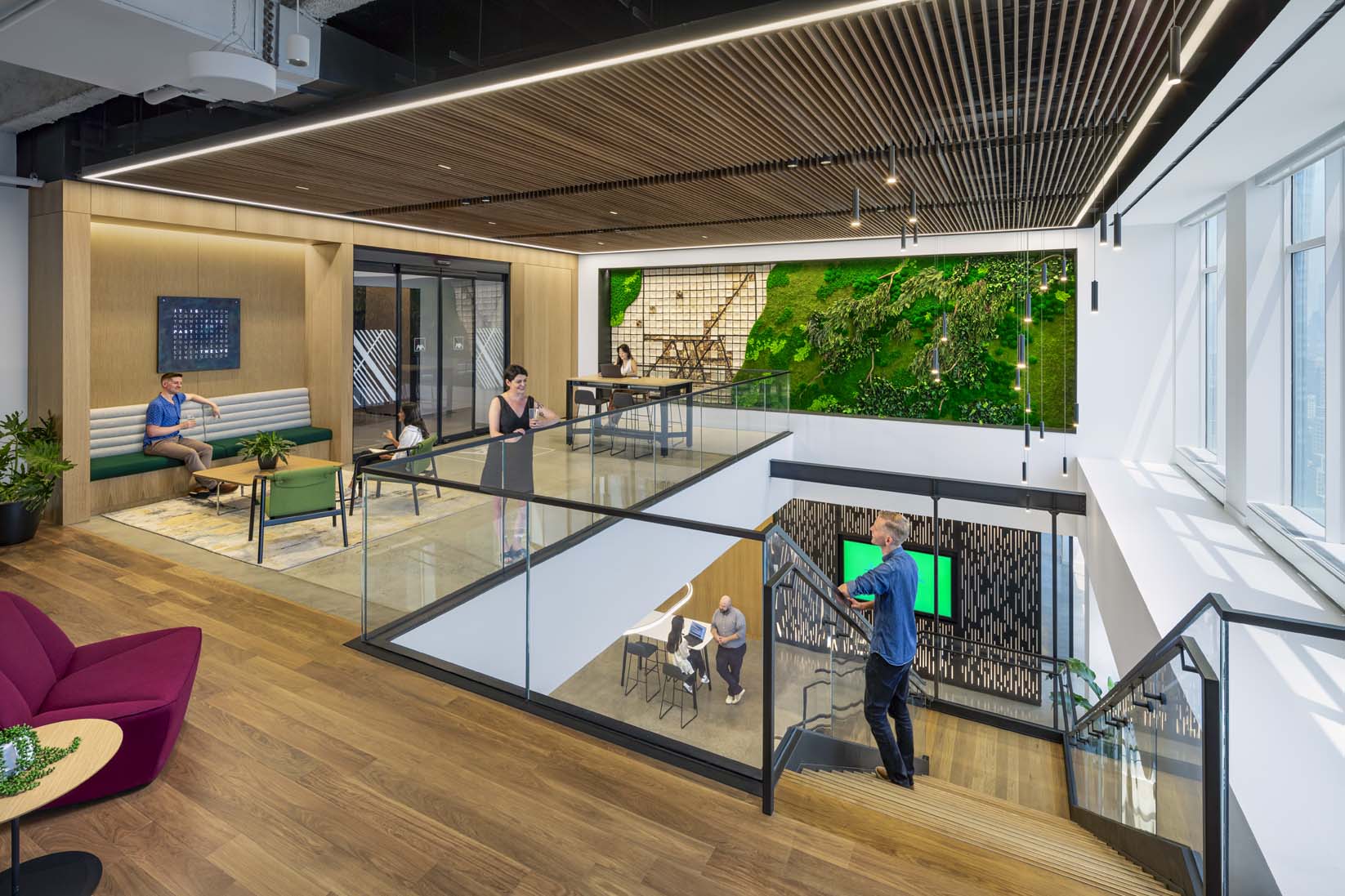
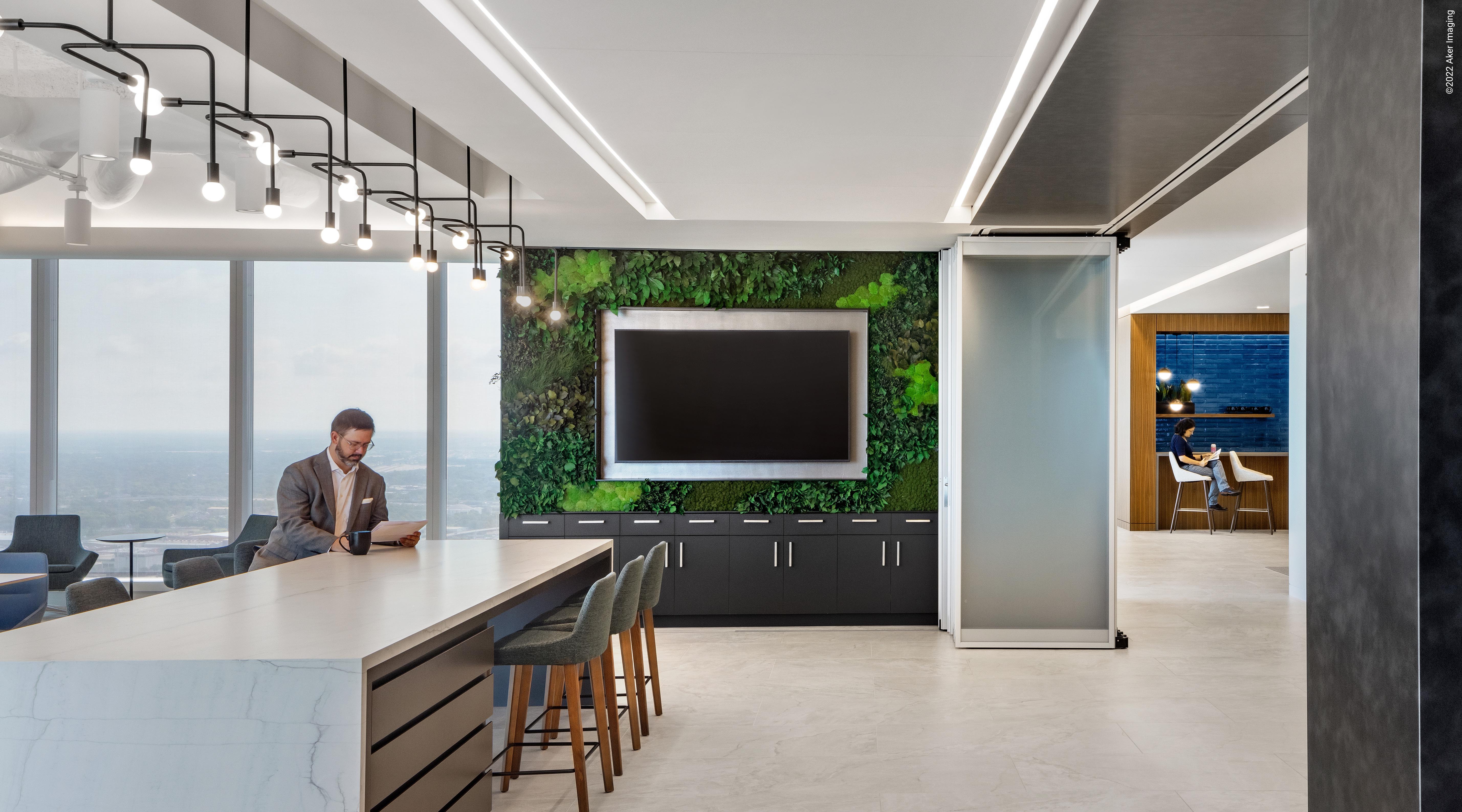
Integrating nature into indoor environments through preserved gardens and biophilic design elements can significantly impact mental well-being. Research in neuroaesthetics and environmental psychology demonstrates how connecting with nature, even in preserved form, can enhance cognitive function, reduce stress, and improve overall psychological health.
1. Nature Connection in Urban Environments
The integration of preserved nature elements in urban spaces can create powerful psychological benefits. Studies show that even brief exposure to natural elements can lower cortisol levels and improve emotional regulation. Preserved gardens and moss walls offer a sustainable way to maintain this vital connection to nature in urban settings.
Research in biophilic design indicates that incorporating natural elements into indoor spaces can create environments that support mental restoration and emotional balance. These installations serve as visual anchors that remind us of our innate connection to the natural world, even in the midst of urban landscapes.
2. Enhanced Creativity and Cognitive Function
Natural elements in workspaces have been shown to stimulate creative thinking and improve problem-solving abilities. The presence of preserved gardens and botanical elements can enhance cognitive performance by providing the brain with organic patterns and forms that support neural processing.
Studies in neuroarchitecture reveal that exposure to natural elements can improve attention span and mental clarity. The integration of preserved nature in work environments offers these cognitive benefits while maintaining a professional aesthetic that supports productivity.
3. Supporting Mindfulness and Mental Clarity
The presence of natural elements in indoor environments can facilitate mindfulness and mental clarity. Preserved gardens create opportunities for momentary meditation and cognitive restoration throughout the day, offering visual respite that helps regulate stress responses.
Research indicates that environments incorporating natural elements can improve focus and concentration while reducing mental fatigue. These benefits can be particularly valuable in high-stress environments where mental clarity is essential.

4. Environmental Quality and Well-being
While preserved plants don't actively filter air like their living counterparts, high-quality preserved nature installations can contribute to indoor environmental quality by eliminating the need for maintenance chemicals and reducing dust accumulation. When sourced from reputable providers with proper certifications, these installations can support both aesthetic and health goals.
The selection of preserved nature elements with appropriate safety certifications and testing ensures that these installations contribute positively to indoor environmental quality. This careful consideration of materials supports both physical and psychological well-being.
5. Stress Reduction Through Biophilic Elements
Scientific research demonstrates that exposure to natural elements can significantly reduce anxiety and stress levels. Preserved gardens and moss walls provide consistent access to nature's calming effects without the additional stress of maintenance requirements.
The incorporation of varied textures and natural forms through preserved nature installations can create multi-sensory experiences that support stress reduction and emotional regulation. These elements work together to create environments that actively promote psychological well-being.
6. Supporting Achievement and Purpose
Thoughtfully designed spaces incorporating preserved nature can foster a sense of purpose and connection. The presence of these elements in workplace environments has been shown to increase job satisfaction and engagement.
Studies in environmental psychology indicate that spaces with strong connections to nature can enhance feelings of belonging and purpose. These emotional benefits contribute to overall psychological well-being and professional satisfaction.
7. Creating Restorative Environments
The strategic placement of preserved nature elements can transform ordinary spaces into restorative environments that support mental health. Research in neuroaesthetics demonstrates how natural elements can create spaces that actively contribute to psychological restoration.
These installations can be particularly effective in creating zones for relaxation and recovery within busy environments. The consistency of preserved nature elements ensures these spaces maintain their restorative qualities over time.
Conclusion
The integration of preserved nature elements in indoor environments represents a science-based approach to supporting mental health and well-being. By incorporating these elements thoughtfully and selecting high-quality, certified products, spaces can be transformed into environments that actively support psychological health while maintaining practical functionality.
As our understanding of the relationship between environment and mental health continues to evolve, the role of preserved nature in creating supportive indoor spaces becomes increasingly important. These installations offer a sustainable way to maintain connection with nature while supporting the psychological well-being of space occupants.
For more information on this subject and other related information, please visit our website: www.gardenonthewall.com