Nature Inspired Interiors, and its Effect on Human Psyche
Key Takeaways Before You Read the Full Article:
30 Second Executive Summary
This article explores how biophilic design using preserved gardens, moss walls, and planter inserts creates beautiful, psychologically restorative interiors. By blending nature’s calming presence with modern design, spaces become sustainable, low-maintenance sanctuaries that support mental health, creativity, and community.
🏡 Nature Meets Design: Biophilic interiors reconnect us with nature, satisfying our innate need for natural elements even in urban and commercial settings.
🌿 Preserved Nature Advantage: Real preserved plants maintain their fresh look for years, offering a sustainable, maintenance-free alternative to live greenery.
🧠 Psychological Benefits: Exposure to natural elements—live or preserved—reduces stress, improves mood, and boosts cognitive performance and creativity.
🛋️ Restorative Spaces: Moss walls and preserved greenery foster calm, help restore mental energy, and create visually engaging, meditative environments.
👥 Community & Healing: Green design strengthens social connections and improves well-being in workplaces, healthcare facilities, and shared spaces.
🌱 Practical & Future-Ready: Preserved installations align with modern sustainability goals, offering long-term beauty without the care demands of live plants.
Ready to explore how nature-inspired interiors can transform our built environments into sustainable sanctuaries that enrich mental health, creativity, and connection? The full article dives deeper into design strategies shaping the future of indoor spaces.
Introduction: The Power of Nature in Interior Design
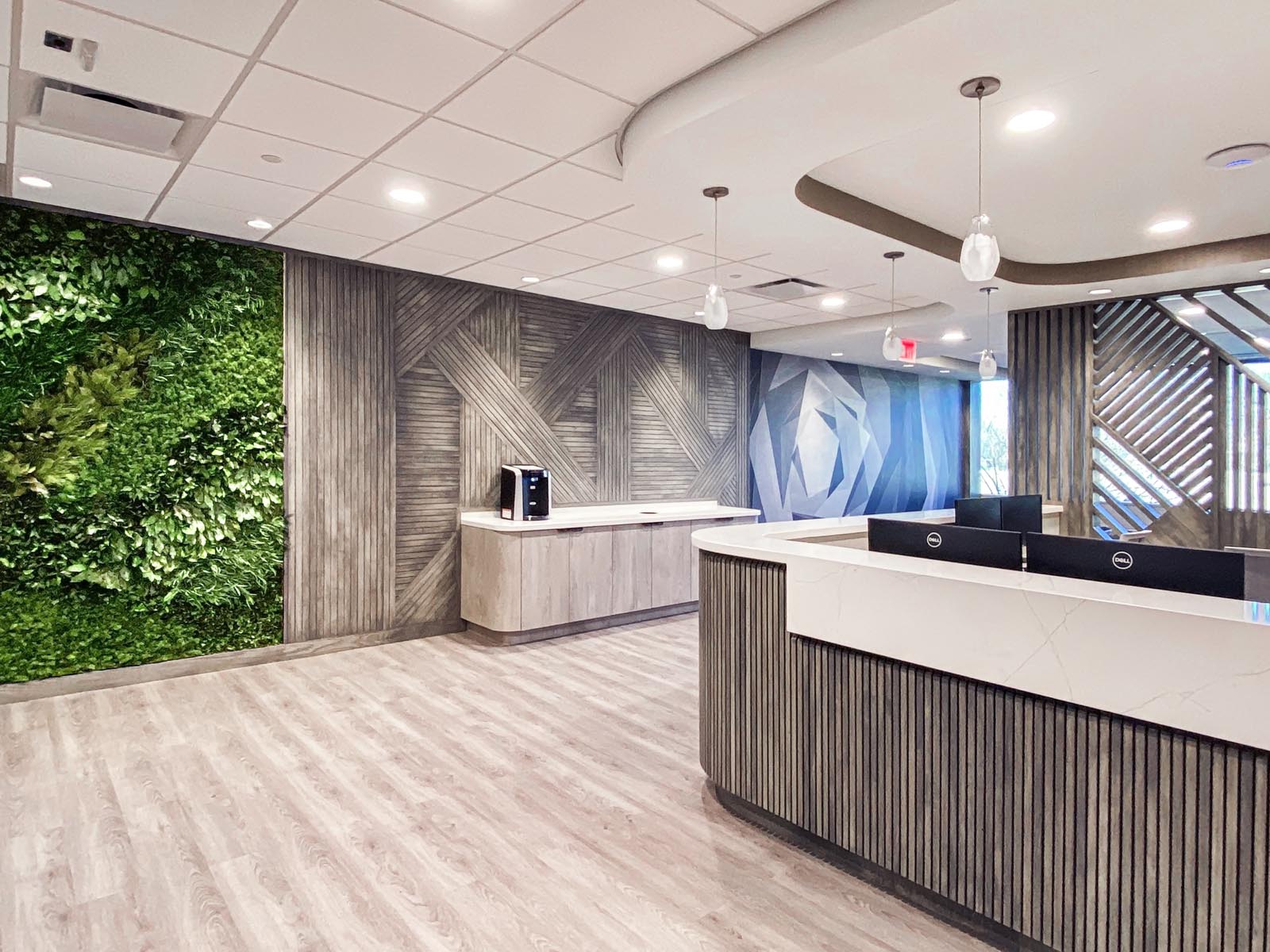
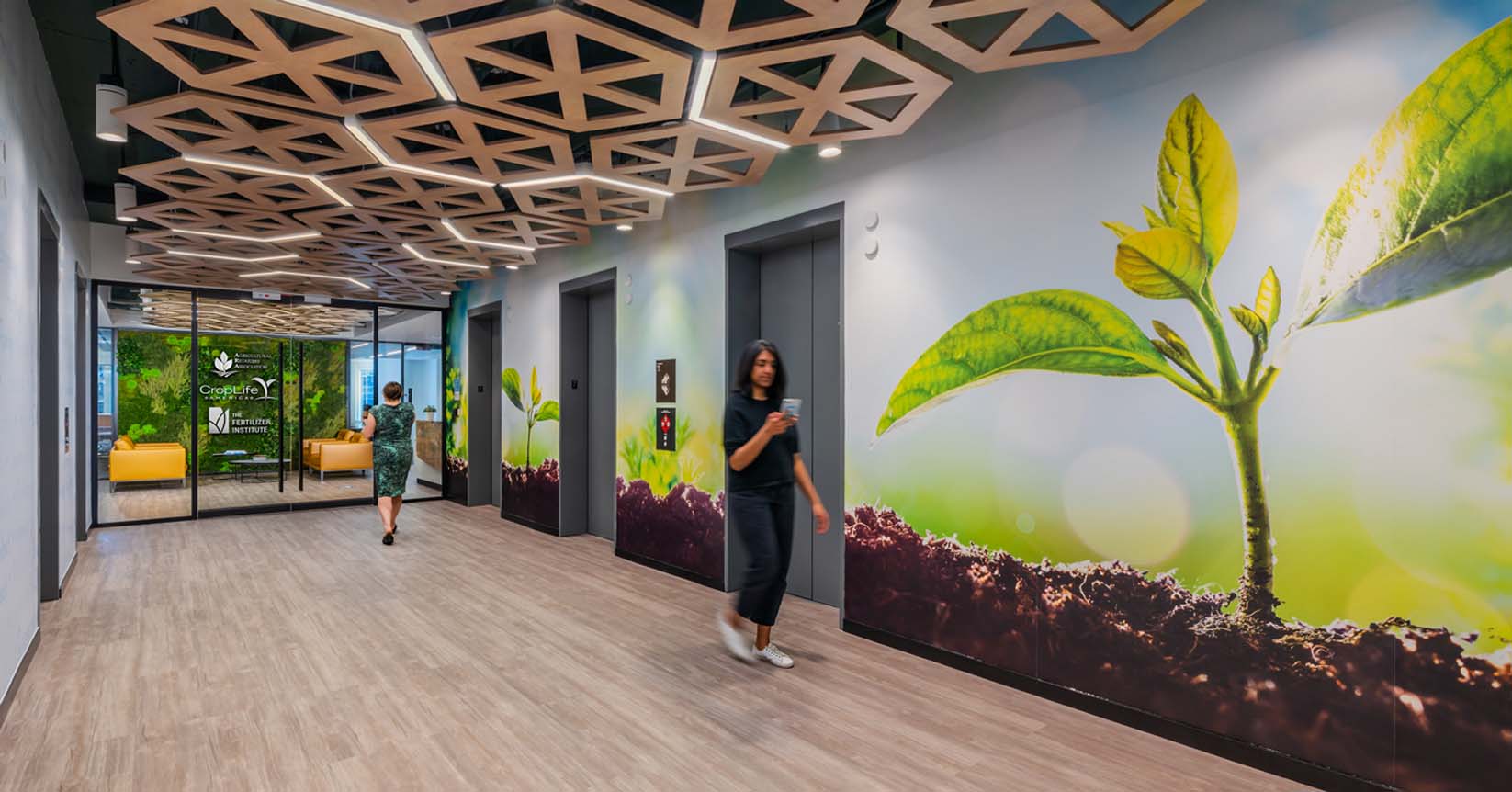
In the realm of interior design, a revolutionary approach is gaining momentum: nature-inspired interiors. This concept goes beyond mere aesthetics, tapping into the profound impact that natural elements have on the human psyche. By incorporating biophilic design principles, designers are creating spaces that not only look beautiful but also nurture our mental and emotional well-being. At the forefront of this movement are preserved gardens, moss walls, and planter inserts with preserved foliage, offering a seamless blend of nature's beauty and modern design sensibility.
The human connection to nature, known as biophilia, is deeply rooted in our evolutionary history. Even in our most urban environments, we crave a link to the natural world. Nature-inspired interiors satisfy this innate need, creating spaces that resonate with our deepest instincts and promote overall well-being.
Biophilic Design: Bridging Nature and Architecture
Biophilic design is the intentional incorporation of natural elements into our built environments. This approach recognizes that humans have an inherent affinity for nature and seeks to bring the outdoors inside. By doing so, it creates spaces that are not only visually appealing but also psychologically and physiologically beneficial.
Research in the fields of neuroaesthetics and neuroarchitecture has shown that exposure to natural elements can have a profound impact on our brain function and overall health. The presence of greenery, natural textures, and organic shapes can reduce stress, improve cognitive function, and enhance mood. These findings underscore the importance of integrating nature into our daily environments.
Preserved Nature: A Sustainable Solution
While living plants have long been the go-to solution for bringing nature indoors, they come with significant maintenance challenges, especially in commercial spaces. Watering, pruning, and pest control can be time-consuming and costly. This is where preserved gardens and moss walls offer an innovative and practical alternative.
Preserved plants retain the beauty and many of the benefits of living plants without the high maintenance requirements. They are real plants that have been carefully treated to maintain their fresh appearance and soft texture for years. This makes them an ideal choice for busy commercial environments, healthcare facilities, and modern homes where the benefits of nature are desired without the associated upkeep.
The Psychological Benefits of Green Spaces
The impact of green spaces on the human psyche is profound and multifaceted. Studies have shown that exposure to nature, even in preserved form, can lead to:
- Reduced stress and anxiety
- Improved mood and overall well-being
- Enhanced cognitive function and creativity
- Better sleep quality
- Increased productivity and job satisfaction in workplace settings
These benefits stem from our innate connection to nature and the calming effect that natural elements have on our nervous system. By incorporating preserved gardens and moss walls into interior spaces, we can harness these psychological benefits in environments where traditional landscaping is not feasible.

Creating Restorative Environments
Nature-inspired interiors create restorative environments that allow individuals to recover from mental fatigue and stress. The concept of attention restoration theory suggests that natural environments have a unique ability to capture our attention in a gentle, bottom-up manner, allowing our directed attention abilities to replenish.
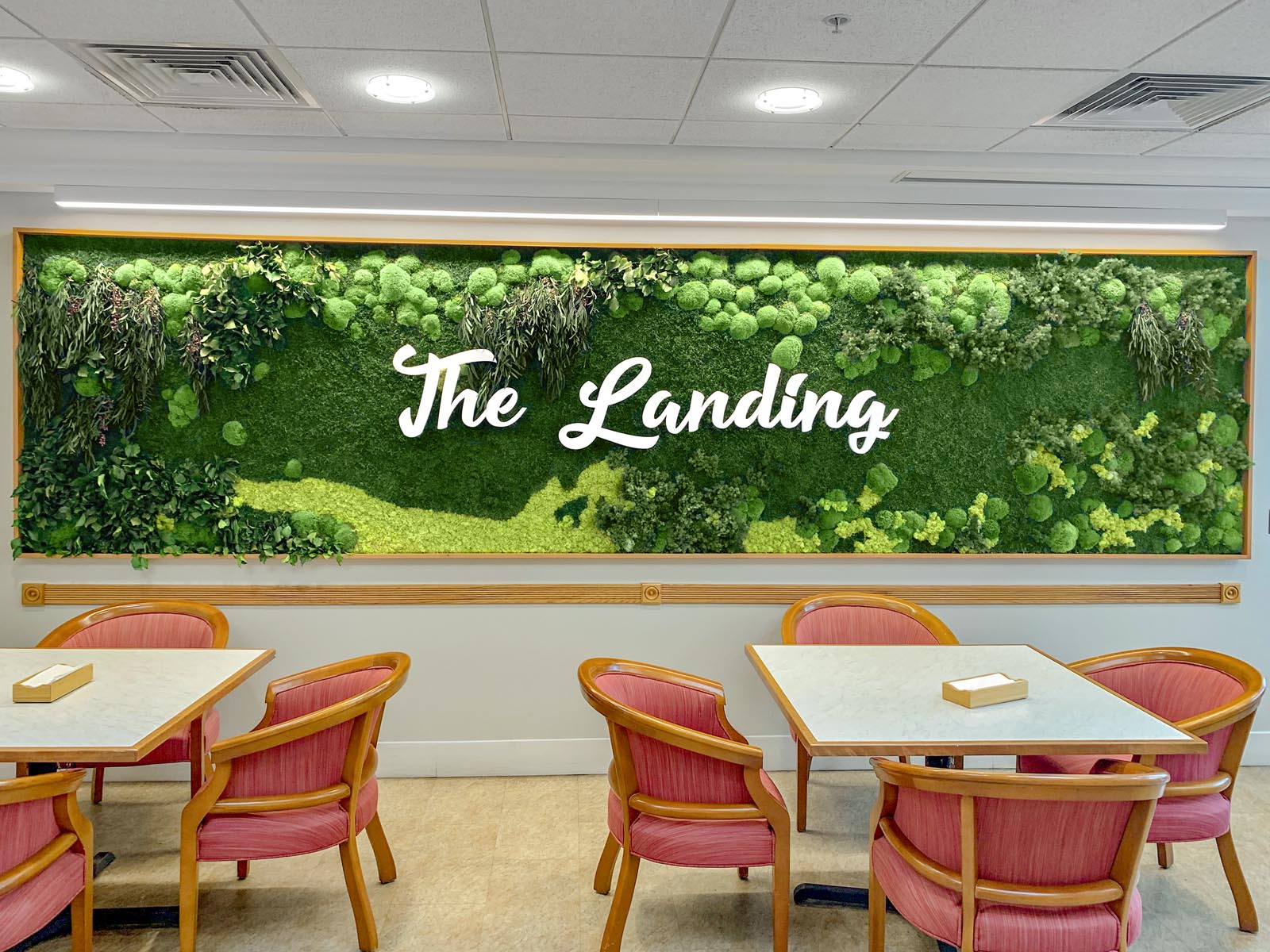
Preserved moss walls, in particular, offer a visually captivating and texturally rich focal point that can serve as a meditative element in a space. The varied textures and subtle color variations of moss provide a complex yet soothing visual experience that can help reduce mental fatigue and promote a sense of calm.
Enhancing Cognitive Performance and Creativity
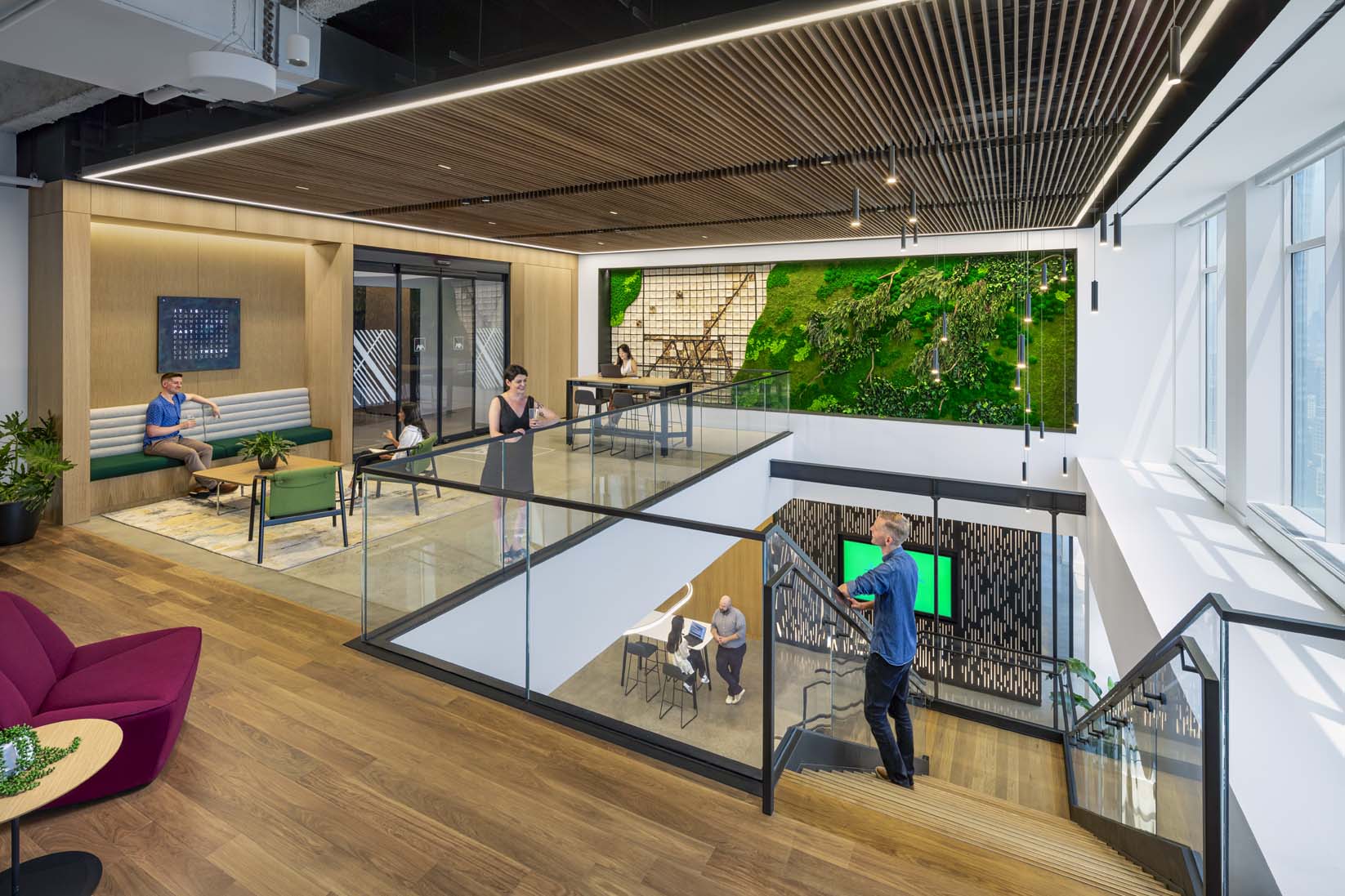
Beyond their restorative qualities, nature-inspired interiors have been shown to enhance cognitive performance and boost creativity. The presence of natural elements can improve concentration, memory, and problem-solving abilities. This makes preserved gardens and planter inserts particularly valuable in educational and workplace settings.
By creating a more stimulating and visually interesting environment, nature-inspired interiors can also spark creativity and innovation. The organic shapes and patterns found in preserved foliage can serve as inspiration for creative thinking and problem-solving.
Fostering Social Connection and Well-being
Nature-inspired interiors also play a crucial role in fostering social connections and overall well-being. Shared green spaces, even when created with preserved plants, can serve as gathering points that encourage interaction and community building. In healthcare settings, exposure to nature has been linked to faster recovery times and reduced need for pain medication.
The use of preserved gardens in these environments offers a low-maintenance way to create calming, natural settings that benefit both patients and healthcare providers. The presence of greenery can reduce stress for visitors and staff alike, contributing to a more positive and healing atmosphere.
Conclusion: Embracing Nature for Mental Health
As we continue to spend more time indoors, the importance of creating nature-inspired interiors cannot be overstated. By incorporating preserved gardens, moss walls, and planter inserts with preserved foliage, we can bring the psychological benefits of nature into our daily lives, even in urban or commercial settings.
These biophilic design elements offer a sustainable and practical way to create environments that nurture our mental health, boost our cognitive abilities, and enhance our overall well-being. As we move forward in interior design, let us embrace the power of nature to create spaces that not only look beautiful but also support and enrich the human psyche.
By prioritizing nature-inspired interiors, we can transform our built environments into havens that satisfy our innate need for connection with the natural world. In doing so, we create spaces that truly enhance the human experience, promoting health, happiness, and harmony in our increasingly indoor lives.
For more information on this subject and other related information, please visit our website: www.gardenonthewall.com