From Trauma to Triumph: How Preserved Gardens Support Community Healing
CC_U.jpg)
Key Takeaways Before You Read the Full Article:
30 Second Executive Summary
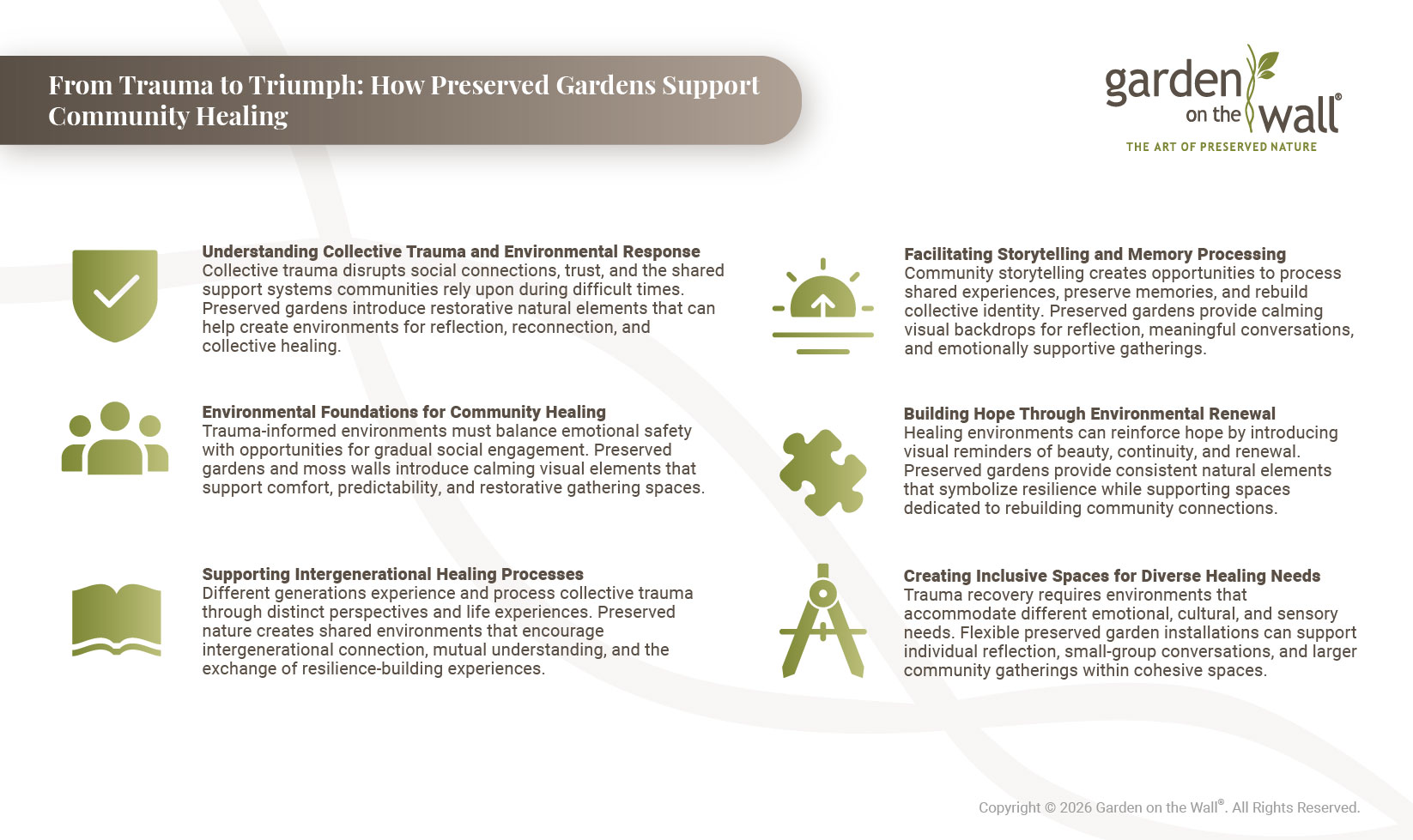
Community healing extends beyond individual recovery to rebuilding trust, social connections, and collective resilience following shared traumatic experiences. Trauma-informed biophilic design uses preserved gardens, moss walls, and nature-inspired environments to create restorative spaces that support emotional comfort, meaningful interaction, and opportunities for communities to reconnect.
🤝 Community Healing: Restoring Trust and Social Connection
Collective trauma can weaken the relationships and support networks that sustain communities during difficult times. Preserved gardens help create welcoming environments where individuals can reconnect, share experiences, and gradually rebuild social bonds.
🛡️ Emotional Safety: Creating Restorative Environments
Trauma-informed spaces prioritize predictability, comfort, and opportunities for individuals to engage at their own pace. Preserved nature introduces consistent visual elements that can help create calmer settings for reflection and community interaction.
💬 Shared Experiences: Supporting Storytelling and Intergenerational Healing
Community recovery often depends on sharing experiences, preserving memories, and exchanging knowledge across generations. Biophilic gathering spaces provide supportive environments for meaningful conversations and collective reflection.
🌅 Hope and Renewal: Rebuilding Through Nature Connection
Restorative environments can communicate continuity, resilience, and the possibility of renewal following difficult experiences. Preserved gardens provide enduring natural beauty that reinforces positive environmental associations throughout the recovery process.
🌍 Long-Term Value: Designing for Inclusive Community Resilience
Effective healing environments accommodate diverse cultural, emotional, and sensory needs while supporting both individual reflection and collective gathering. Thoughtful biophilic design contributes to community infrastructure that encourages connection, inclusion, and long-term wellbeing.
Ready to explore how biophilic design can support communities moving from trauma toward healing and renewal? The full article examines how preserved gardens and moss walls help create restorative environments that encourage emotional safety, shared experiences, intergenerational connection, and collective resilience.
Understanding Collective Trauma and Environmental Response
Community trauma recovery represents a complex healing process that extends beyond individual therapy to encompass collective restoration of social bonds, trust, and shared resilience. Traditional approaches to trauma recovery focus primarily on individual interventions and programmatic support, often overlooking the crucial role that physical environments play in either supporting or hindering the delicate process of collective healing. Environmental design becomes essential infrastructure for community recovery, creating spaces that can hold both grief and hope while supporting gradual restoration of community connections.
Collective trauma differs fundamentally from individual trauma because it disrupts the social fabric that normally provides support during difficult times, creating cascading effects that can persist for years after initial traumatic events. When entire communities experience loss simultaneously, usual networks of mutual aid and emotional support become overwhelmed, requiring environmental interventions that can support community gathering, storytelling, and the gradual rebuilding of trust. Preserved gardens, moss walls, and biophilic installations provide environmental elements that signal growth, renewal, and the possibility of beauty emerging from difficult circumstances through authentic nature connection.
Community trauma differs fundamentally from individual trauma because it disrupts social fabric that normally provides support during difficult times. When entire communities experience loss simultaneously, usual networks of mutual aid and emotional support become overwhelmed, creating cascading effects that can persist for years after initial traumatic events. Environmental factors play crucial roles in either supporting or hindering collective healing processes.
Environmental Foundations for Community Healing
Trauma-affected communities often struggle with basic trust and social connection. Survivors may feel hypervigilant in group settings, while grief and loss can make social interaction emotionally overwhelming. Healing environments must provide both safety and invitation for gradual re-engagement with community life while supporting diverse trauma responses and recovery needs.
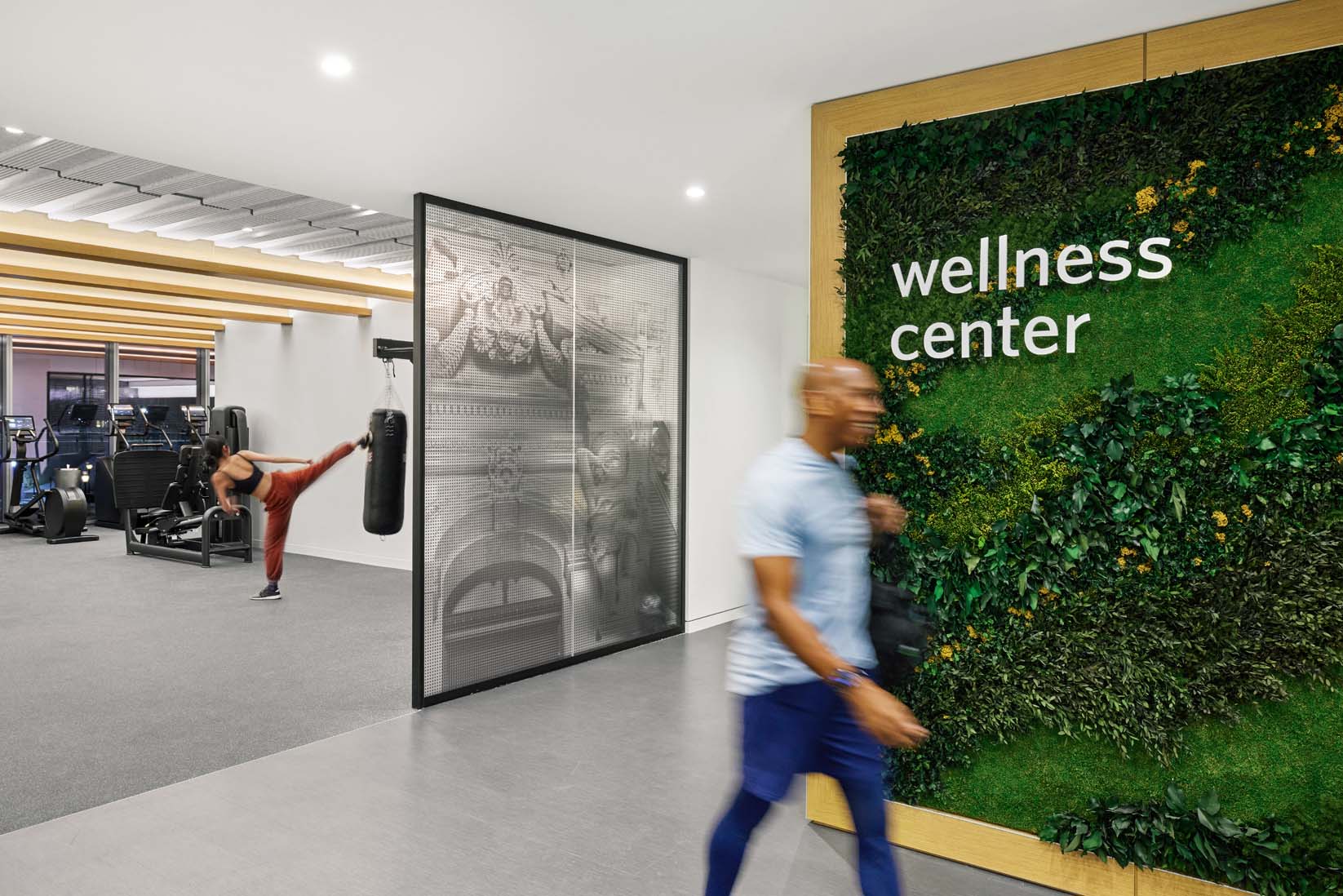
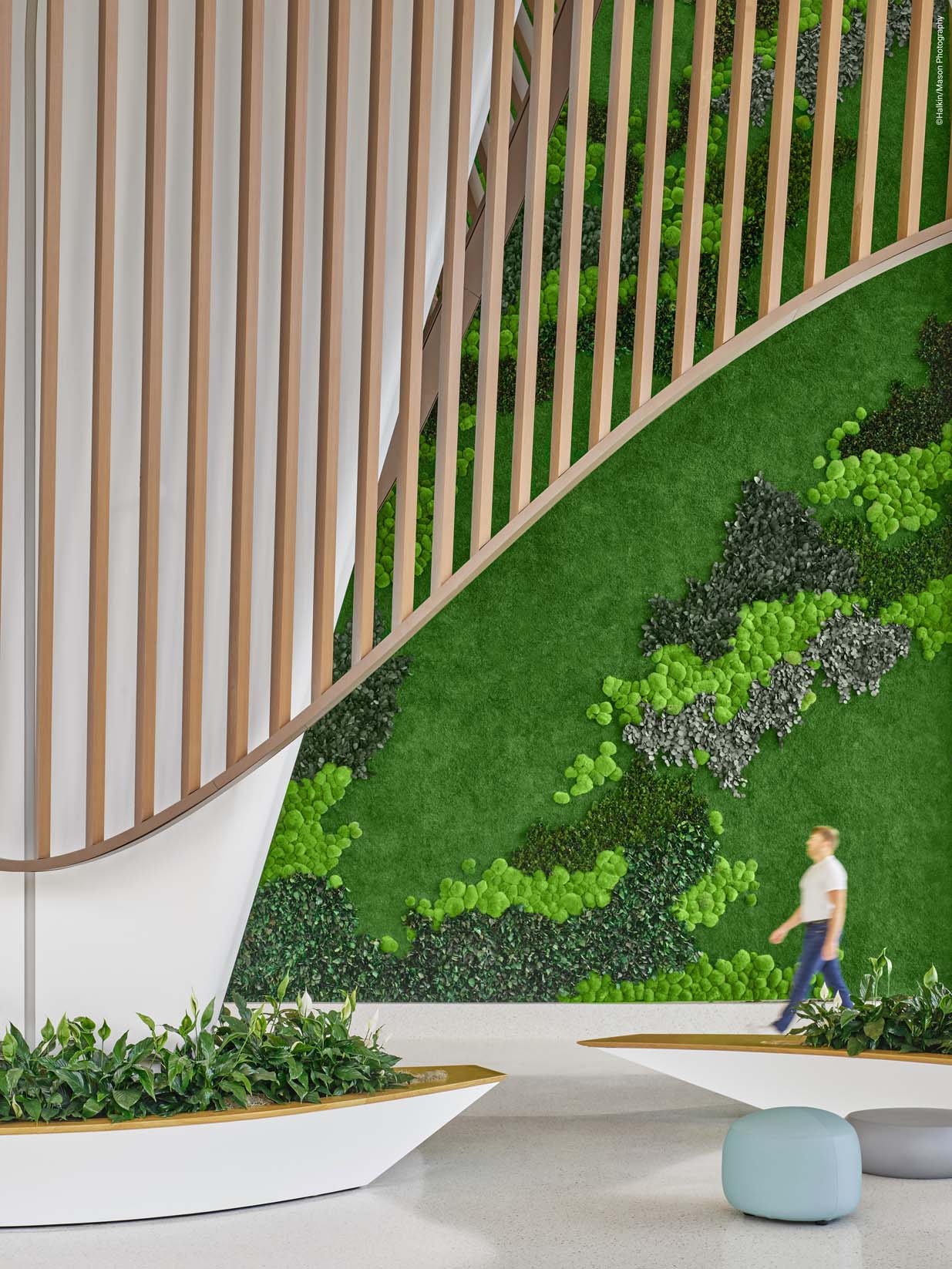
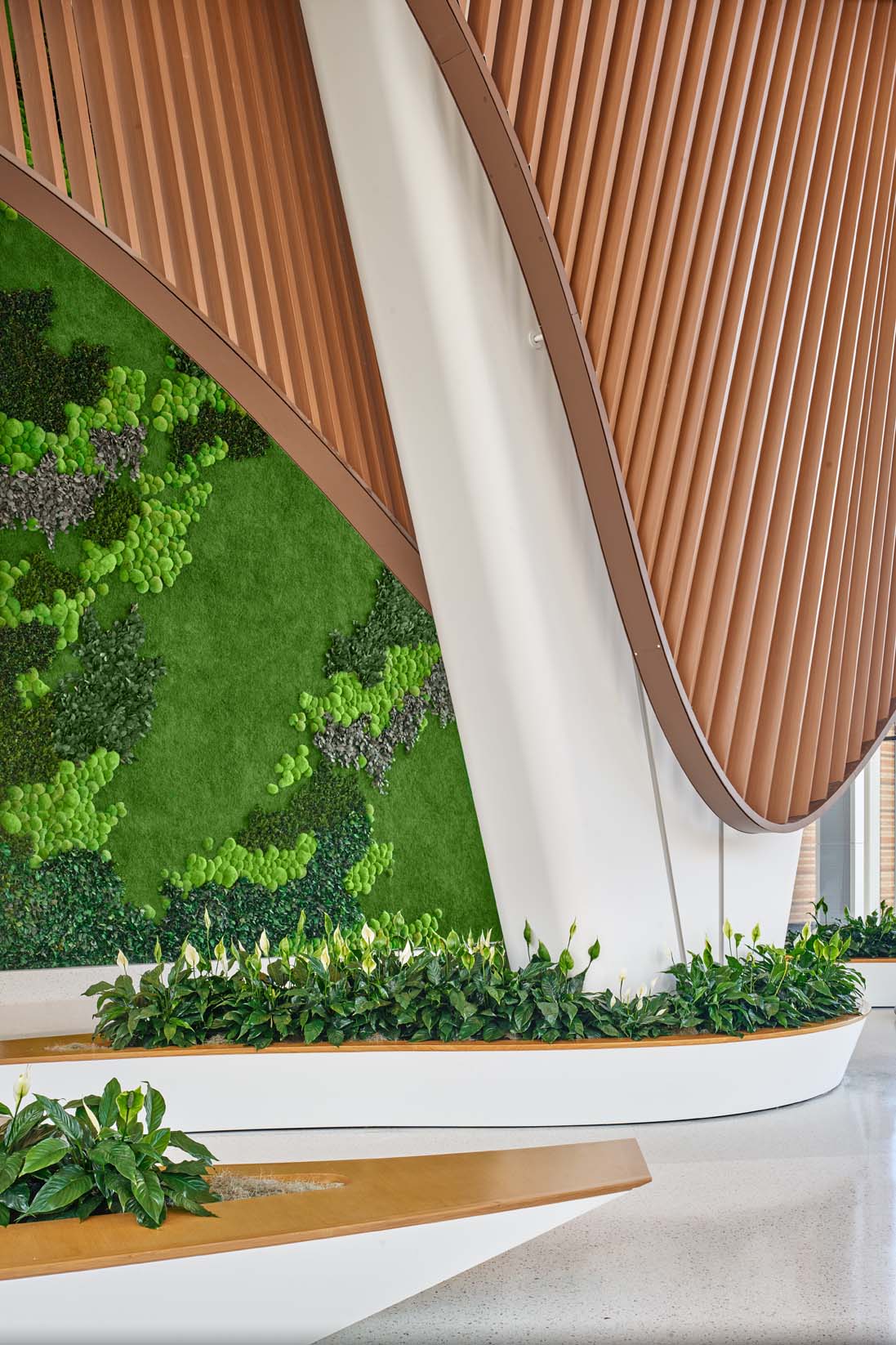
Preserved nature installations create calming atmospheric conditions that help regulate nervous systems activated by trauma responses. The visual softness and organic forms provide environmental cues of safety that can help trauma survivors feel more comfortable in group settings. Draping preserved foliage can create partially enclosed spaces within larger community rooms, offering options for social engagement that don't feel overwhelming while maintaining connection to broader community activities.
No-upkeep green walls provide consistent environmental quality that supports community gathering without maintenance disruptions that could affect trauma survivors' need for environmental predictability. Garden on the Wall® provides 2,500 square feet monthly production capability with shortest lead times even for largest community projects, ensuring trauma recovery environments can be established quickly when communities need immediate environmental support for healing processes.
Supporting Intergenerational Healing Processes
Community trauma often affects different generations in distinct ways, with older adults drawing on historical resilience while younger people may experience trauma as their first major life challenge. Healing environments must support both wisdom of experience and energy of renewal that different age groups bring to recovery processes while fostering intergenerational understanding and mutual support.
Natural elements appeal universally across generational lines because they connect to fundamental human experiences that transcend specific cultural or historical contexts. Preserved gardens provide common ground where different generations can gather around shared appreciation for beauty and growth, creating opportunities for wisdom transfer and mutual support. The timeless quality of preserved installations suggests continuity that can be particularly comforting to communities struggling with disrupted traditions and uncertain futures.
Wall plant art installations create focal points that appeal to different generational aesthetic preferences while providing shared positive experiences that can help bridge age-related differences in trauma processing and recovery approaches. Moss art installations offer opportunities for creative healing expression that engages multiple generations in collaborative recovery activities.
Facilitating Storytelling and Memory Processing
Community healing often involves collective storytelling that helps process shared experiences and develop new narratives about community identity and future possibilities. These conversations require environments that encourage both speaking and listening, individual expression and group reflection while supporting emotional safety during vulnerable memory sharing.
Preserved moss walls create acoustic environments that support intimate conversation while providing visual anchors that can help speakers maintain emotional regulation during difficult storytelling. The natural textures offer sensory grounding that can be particularly helpful for trauma survivors who may dissociate during emotional conversations. Garden installations can serve as focal points that provide emotional stability while allowing community members to share experiences at their own pace and comfort level.
Vertical green walls create natural gathering spaces where informal storytelling can occur organically while providing calming visual backgrounds that support emotional processing without overwhelming sensory input during challenging conversations about trauma experiences and recovery progress.
Building Hope Through Environmental Renewal
One of the most challenging aspects of community trauma recovery involves developing hope and vision for positive future possibilities when current reality feels overwhelming. Environments that model renewal and growth can provide crucial inspiration for communities working to rebuild not just infrastructure but collective spirit and shared optimism about future possibilities.
Preserved nature installations demonstrate that beauty and vitality can be maintained even in challenging circumstances, offering powerful metaphors for community resilience. Unlike living plants that might struggle in indoor environments or require resources that trauma-affected communities may not have available, preserved gardens provide consistent beauty and growth imagery regardless of external circumstances.
Planter inserts with preserved foliage offer flexible solutions that can be adapted as communities progress through different phases of healing while maintaining consistent environmental support for hope development. These installations provide visual examples of renewal and adaptation that can inspire community members working to rebuild their collective future.
Creating Inclusive Spaces for Diverse Healing Needs
Trauma affects community members differently based on individual circumstances, cultural backgrounds, and personal resources. Healing environments must accommodate diverse needs while maintaining cohesive community identity and shared purpose that supports collective recovery rather than fragmenting healing efforts across different groups.
Flexible preserved installations can be configured to support different types of healing activities - from large group gatherings to small support circles to individual reflection time. Planter inserts with preserved foliage offer adaptable solutions that can be repositioned based on changing community needs and evolving healing priorities throughout extended recovery processes.
The universal appeal of natural elements helps create inclusive environments that welcome community members regardless of their specific trauma experiences or cultural backgrounds. Draping foliage with preserved plants creates natural transitions between formal and informal spaces, supporting diverse healing approaches while maintaining visual continuity that appeals to different cultural aesthetic preferences.
Implementation and Future of Trauma-Informed Environmental Design
Successful integration of healing-supporting biophilic elements requires understanding specific trauma impacts and cultural characteristics of each community. Different types of traumatic events create different environmental needs, while cultural factors influence how communities prefer to gather and process difficult experiences throughout their recovery journey.
As understanding of collective trauma deepens, environmental design that actively supports community healing becomes increasingly recognized as essential infrastructure. Communities that invest in healing environments often experience faster recovery and greater long-term resilience than those relying solely on programmatic interventions. Commercial interior designers working with community organizations have opportunities to create environments that serve as foundations for collective renewal and hope through strategic preserved foliage integration into designed spaces.
For more information on this subject, read this article: Trauma-Informed Design and the Healing Power of Biophilia and other related information, please visit our website: www.gardenonthewall.com.