
The Atmosphere Advantage: How Biophilic Design Shapes Experience in Physical Retail
Physical retail is evolving from a place of transaction into a destination for experience, discovery, and brand connection. As e-commerce continues to grow, stores must offer something digital channels cannot fully replicate: meaningful interaction with products, people, and the physical environment.
Biophilic design offers an evidence-informed approach to creating more engaging retail environments. For retailers, developers, and design professionals, natural elements can contribute to the atmosphere that shapes customer perceptions, encourages exploration, and communicates brand value.
The Business Case: When Experience Becomes the Product
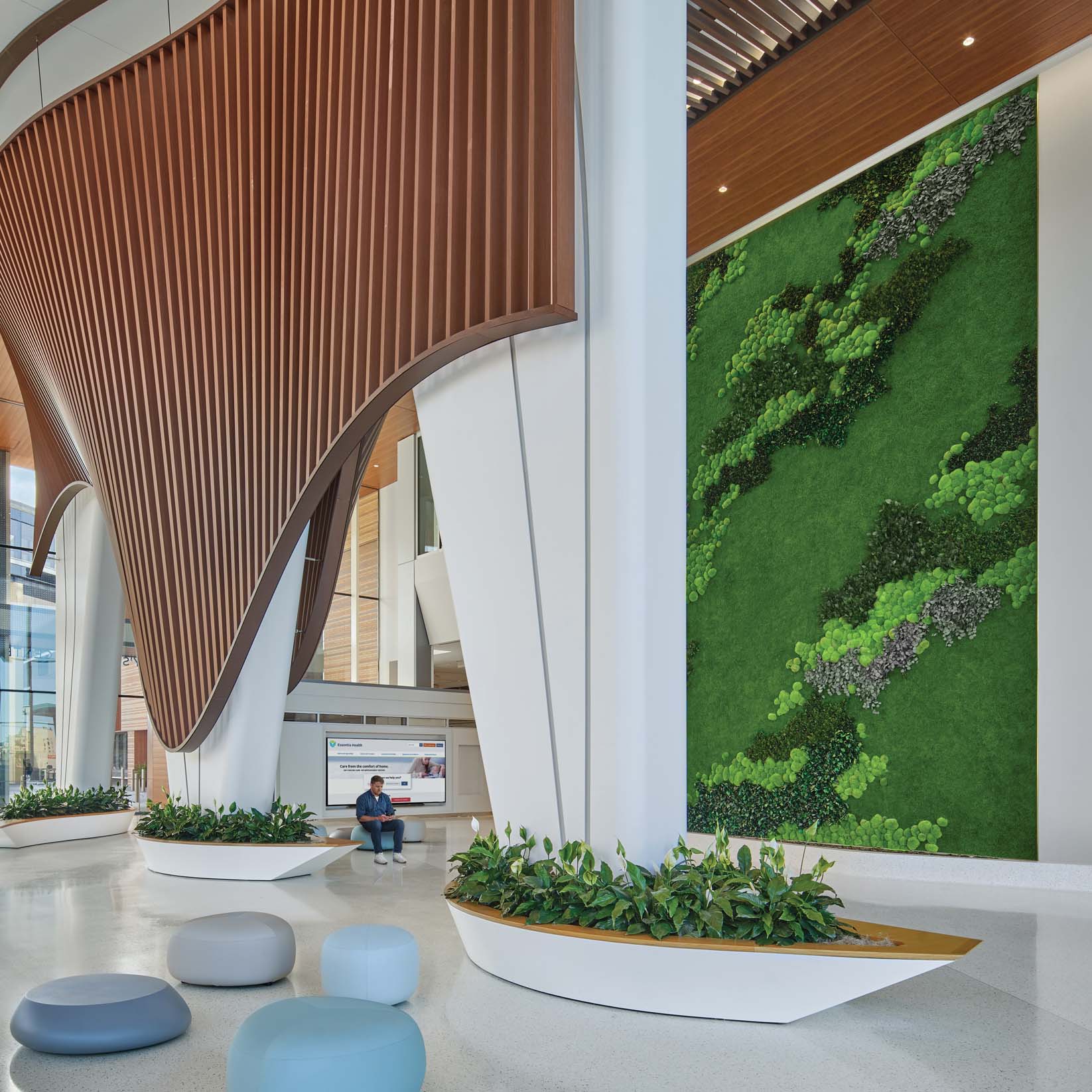
Physical stores remain central to retail. Forrester projects that brick-and-mortar locations will account for approximately $4.4 trillion in U.S. retail spending by 2030, using its non-automotive, non-gas market definition. The competitive advantage of physical retail increasingly depends on the experience surrounding the product. Research examining retail greenery has identified associations with longer visits, stronger environmental preferences, and greater stated willingness to pay. These findings position store atmosphere as a strategic consideration in customer experience and brand differentiation, although they do not establish guaranteed sales increases from botanical installations.

The Science of Atmosphere, Perception, and Consumer Behavior
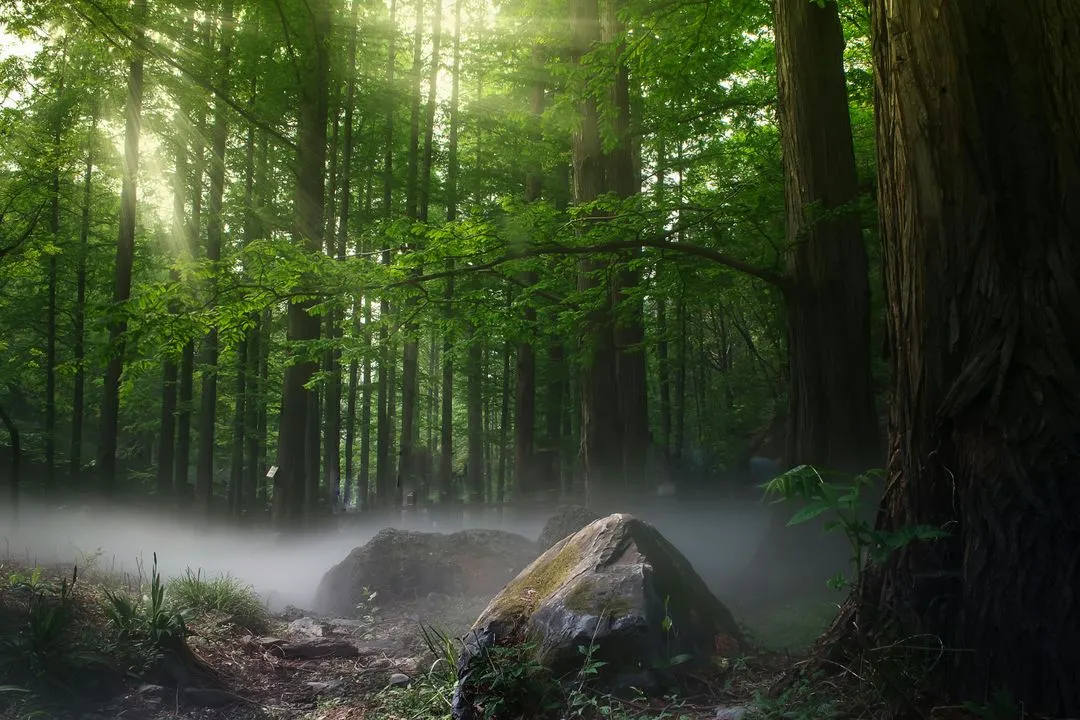
Retail atmospherics research demonstrates that physical surroundings influence how customers perceive and respond to commercial environments. Lighting, layout, materials, and natural elements can shape emotional responses and behavioral intentions. Research on greenery in retail settings has associated vegetation with more favorable shopping experiences and stated willingness to spend more. Experimental research has also connected biophilic attributes with perceptions of luxury and aesthetic value, particularly when natural elements are introduced intentionally rather than excessively. For retailers, these findings reinforce the importance of thoughtful placement, material authenticity, and environmental quality in shaping the customer experience.
Designing Retail Environments Worth Visiting
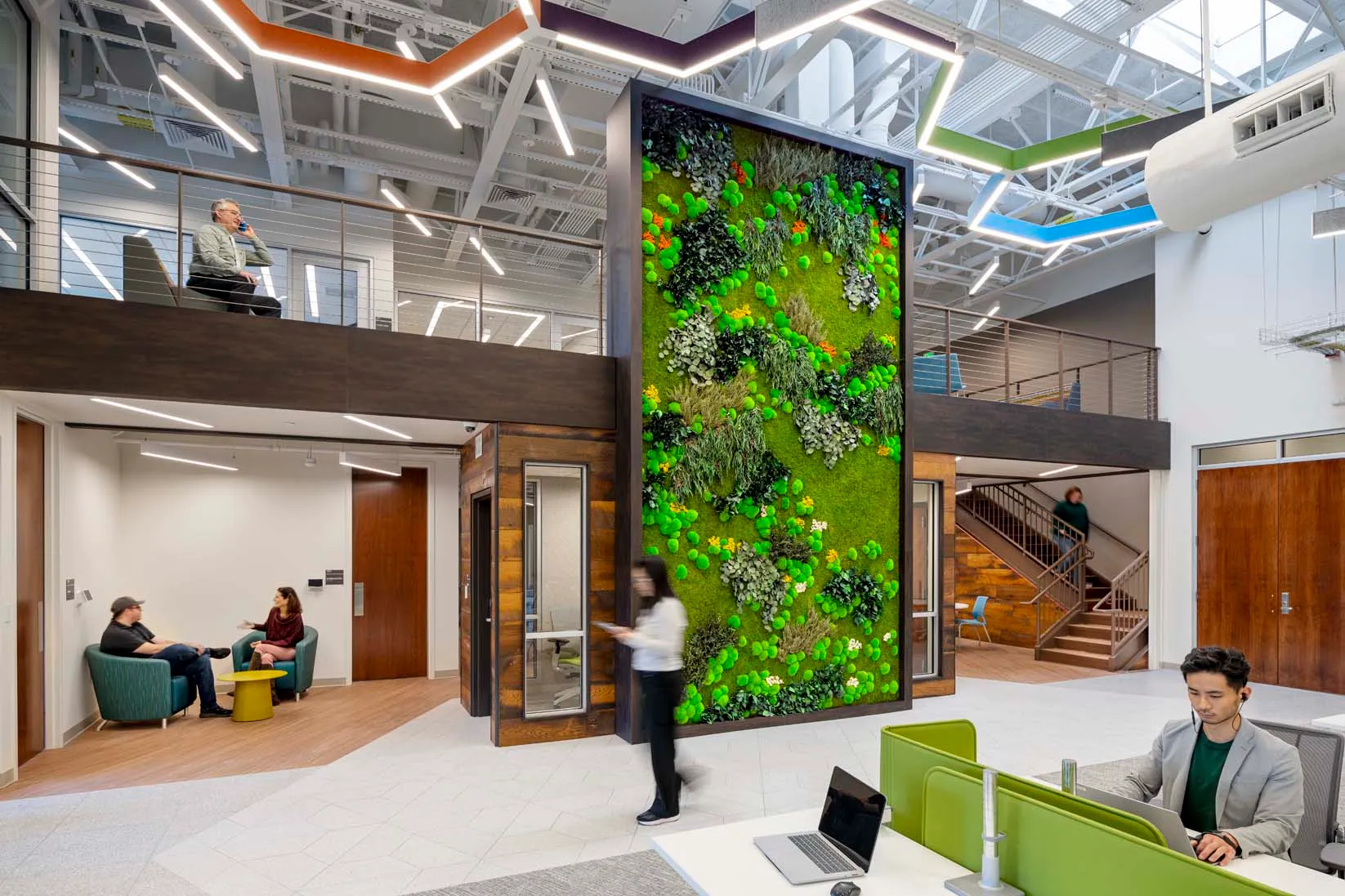
Effective biophilic retail design begins with identifying the moments that shape customer perception: storefronts, arrival sequences, product displays, circulation areas, and hospitality spaces. Preserved botanical installations can function as architectural focal points, create distinctive backdrops for merchandising, and reinforce a consistent visual identity as seasonal displays change. Garden on the Wall® preserved gardens, moss walls, and botanical installations introduce authentic natural materials without irrigation, soil, or grow lighting. Placement should account for direct customer contact, with more delicate materials protected or positioned outside high-touch zones.
Authentic Nature. Enduring Brand Value.
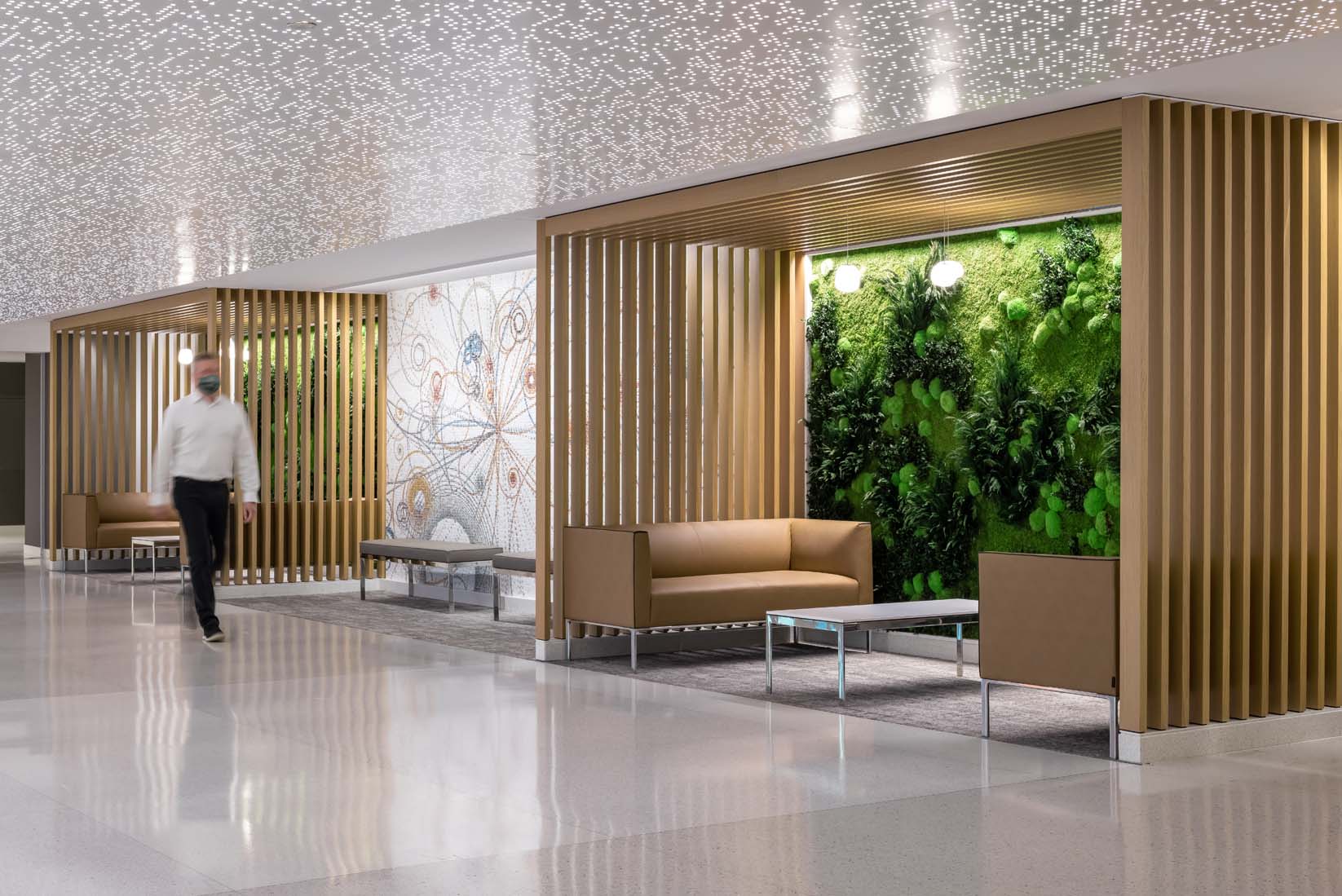
Retail environments require materials that remain visually compelling through frequent customer visits, merchandising changes, and demanding operational schedules. Garden on the Wall® combines authentic preserved botanical materials with third-party verified environmental, material-health, and fire-performance documentation. Its systems carry a 7-year warranty and an expected lifecycle of 20+ years under appropriate conditions, with rejuvenation options available. For retailers and design teams, preserved botanical installations offer a long-term architectural feature that can support brand consistency without ongoing horticultural maintenance.
Access the Full White Paper
The Atmosphere Advantage examines how retail environments influence customer perceptions, dwell-time intentions, perceived product value, and the experience of physical shopping. Explore the research behind retail atmospherics and the specification strategies for creating distinctive, nature-integrated stores.