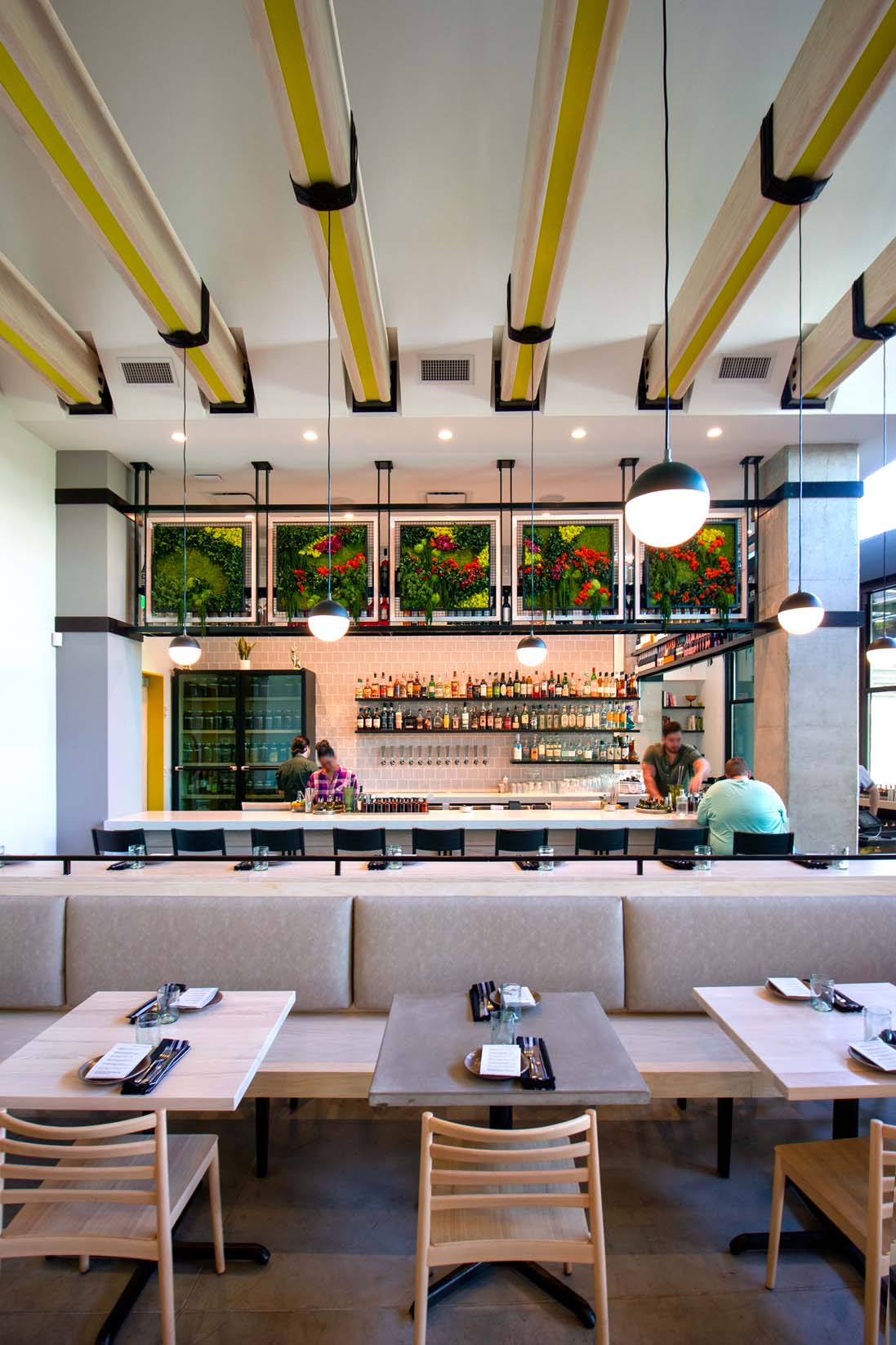
Designing for Peak Performance: Recovery as the New Product in Sports & Entertainment Venues
Sports and entertainment venues are designed to generate intensity. From the sensory stimulation of packed stadiums to the physical demands of athletic competition, these environments place fans and athletes under heightened physiological stress. As premium hospitality and athletic performance facilities evolve, recovery is becoming an increasingly important consideration in venue design.
Evidence-based biophilic design offers a strategy for introducing restorative natural elements into these high-performance environments. For architects, interior designers, venue operators, and sports organizations, the opportunity extends beyond aesthetics - connecting fan experience, athlete recovery, premium hospitality, and long-term operational performance.

Business Impact: Recovery as a Revenue and Performance Strategy
Sports and entertainment venues are increasingly defined by two priorities: delivering premium spectator experiences and supporting athlete recovery. While serving different audiences, both depend on environments that balance heightened stimulation with opportunities for restoration.
Premium clubs, suites, and lounges have become significant revenue assets, with luxury seating generating up to 50% of ticketing revenue at some venues despite representing approximately 20% of available seats. As these spaces expand beyond game-day use, their design quality becomes an important consideration in hospitality differentiation and commercial value.
Recovery-centered design is emerging as a strategy for supporting both human performance and premium venue experiences.
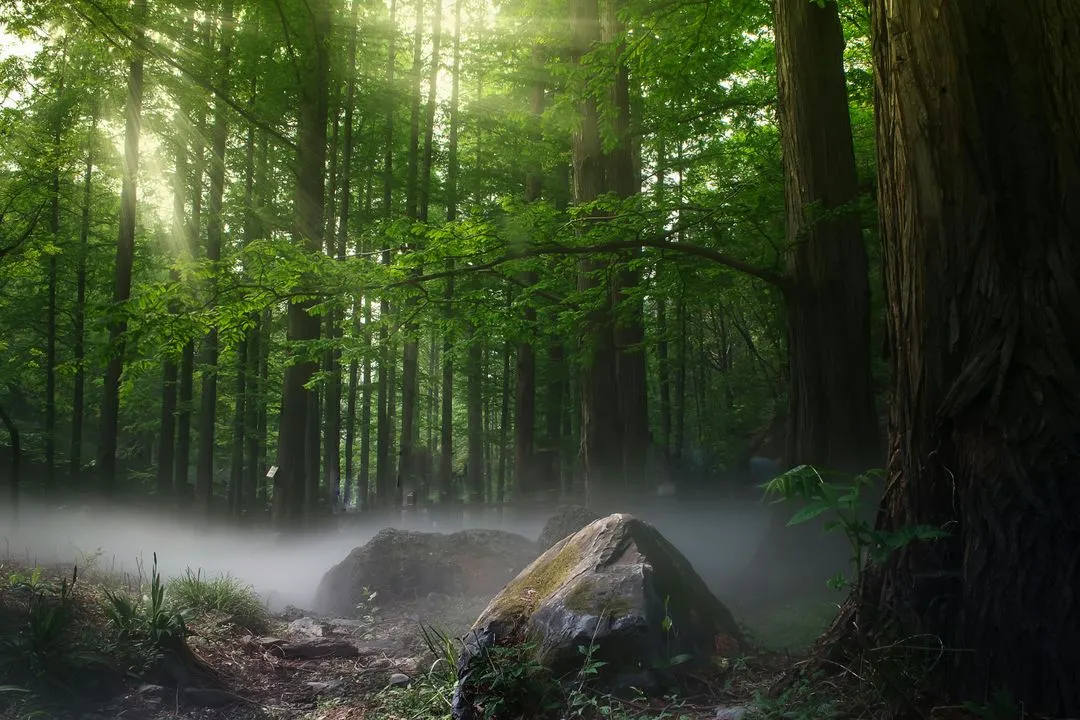

Research Foundation: The Science of Recovery: Nature, Stress, and Performance
Research in environmental psychology demonstrates that exposure to nature can support physiological stress recovery and restore depleted attention. Stress Recovery Theory and Attention Restoration Theory explain how natural environments may help the body transition from heightened arousal toward restoration.
A meta-analysis of 47 studies documented measurable reductions in physiological stress markers associated with nature exposure compared with urban environments. Research involving collegiate athletes also found that more than 80% considered nature views motivating during exercise, reinforcing the relevance of biophilic design in athletic environments.
For sports facilities, these findings support integrating restorative natural elements into spaces designed for recovery, mental clarity, and performance readiness.
Strategic Implementation: Designing for Fans, Athletes, and the Spaces Between
Sports and entertainment environments require different approaches to restoration depending on how each space is used.
For fans, premium lounges, suites, and hospitality areas offer a retreat from crowd noise, visual stimulation, and the intensity of live events. For athletes, performance centers, training facilities, and recovery spaces can integrate natural materials and restorative visual elements to complement physical and psychological recovery strategies.
Garden on the Wall® preserved gardens, moss walls, and planter inserts introduce authentic botanical material into these environments without irrigation, soil, grow lighting, or routine horticultural maintenance - supporting biophilic design within demanding operational settings.