
The Restoration Economy: Biophilic Design for Wellness, Spa, and Fitness Environments
Wellness, spa, and fitness environments are built around a shared objective: helping people improve how they feel and recover from physical and psychological demands. As consumers increasingly prioritize holistic well-being, the quality of the built environment has become an important part of the wellness experience.
Biophilic design offers a research-informed approach to creating restorative spaces through natural materials, visual complexity, acoustics, and multisensory design. For operators, architects, and interior designers, the opportunity is to align the physical environment with the experience of recovery these facilities seek to provide.
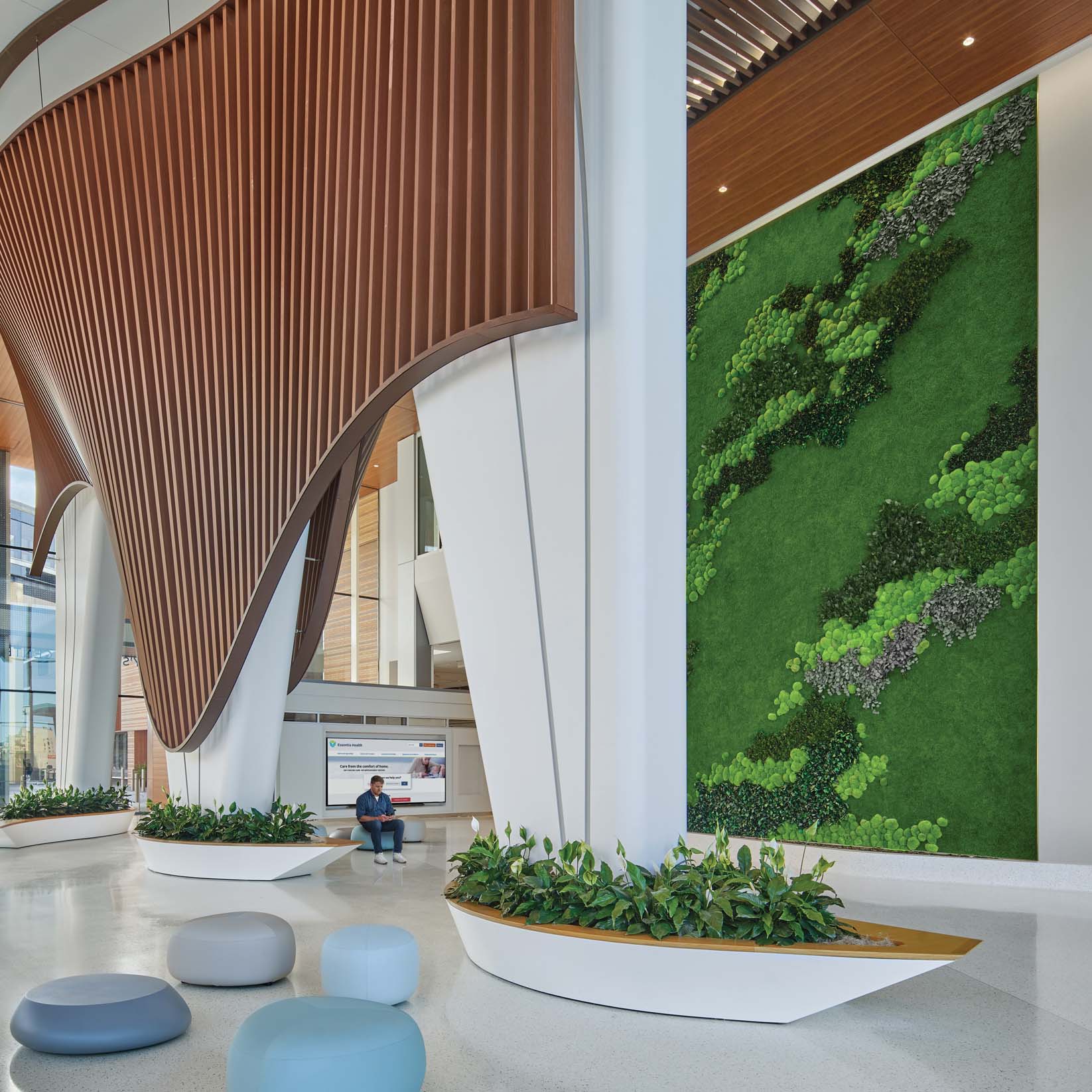
The Business Case: When Recovery Becomes the Experience
The wellness economy continues to expand as consumers place greater emphasis on stress management, recovery, and experience-driven services. According to the Global Wellness Institute, wellness real estate reached approximately $876 billion in 2025 and is projected to grow to $1.8 trillion by 2030. Within this expanding market, fitness studios, spas, and recovery facilities increasingly compete on the quality of the experience surrounding their core services. Biophilic design offers a way to connect environmental quality with the restorative purpose of these facilities, helping operators create spaces that communicate wellness through their architecture and material choices.
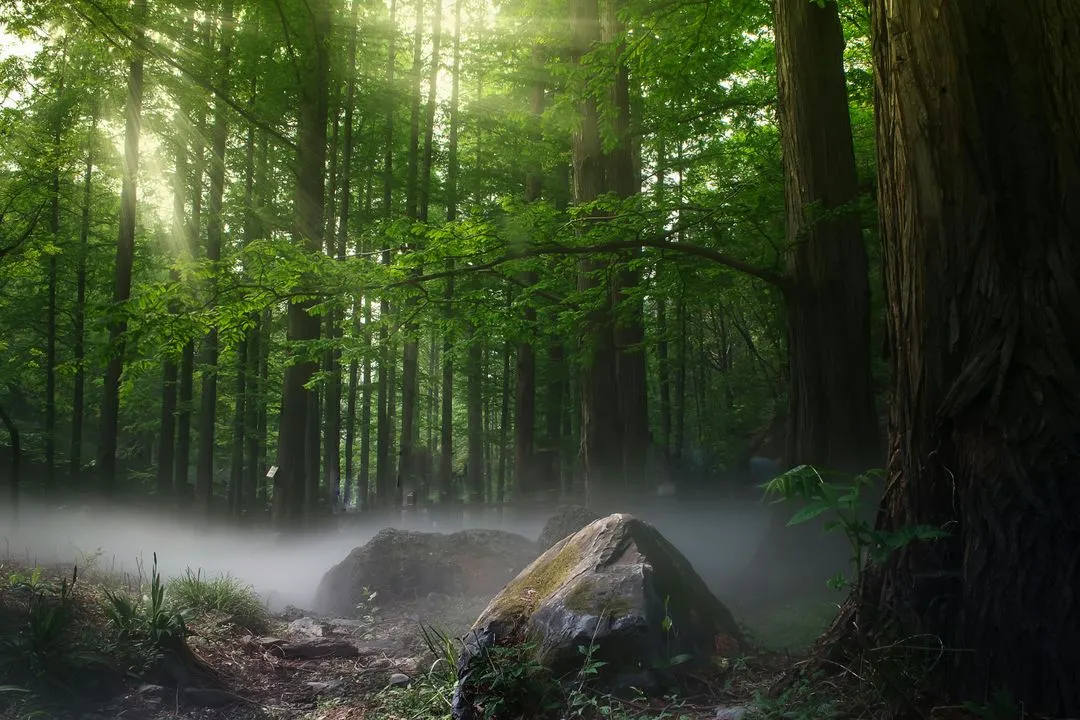

The Science of Recovery: Nature and the Nervous System
Research into nature exposure identifies physiological mechanisms relevant to wellness environments, including autonomic regulation, stress recovery, and attention restoration. Heart rate variability (HRV) is one measure used to study the balance between physiological stress and recovery. Controlled research has found favorable changes in autonomic activity during tasks involving foliage plants, while separate studies have documented HRV improvements from nature-based soundscapes. Research into green exercise also suggests that natural visual environments can reduce perceived exertion under certain conditions. Together, these findings support the integration of natural sensory cues into wellness design, without establishing equivalent measured outcomes for preserved botanical installations specifically.
Designing for Every Stage of Recovery
Wellness facilities contain different environmental conditions, from active fitness studios to quiet treatment and relaxation areas. Effective biophilic design responds to these differences through intentional placement and multisensory coordination. Preserved botanical installations can create natural focal points in reception areas, relaxation lounges, treatment corridors, and climate-controlled recovery spaces. When coordinated with appropriate lighting and soundscape design, these elements can contribute to a cohesive restorative atmosphere. Garden on the Wall® preserved gardens, moss walls, and botanical installations require no irrigation or grow lighting. They should be specified away from steam rooms, showers, pools, and other high-moisture areas, with material selection and placement accounting for humidity and direct contact.
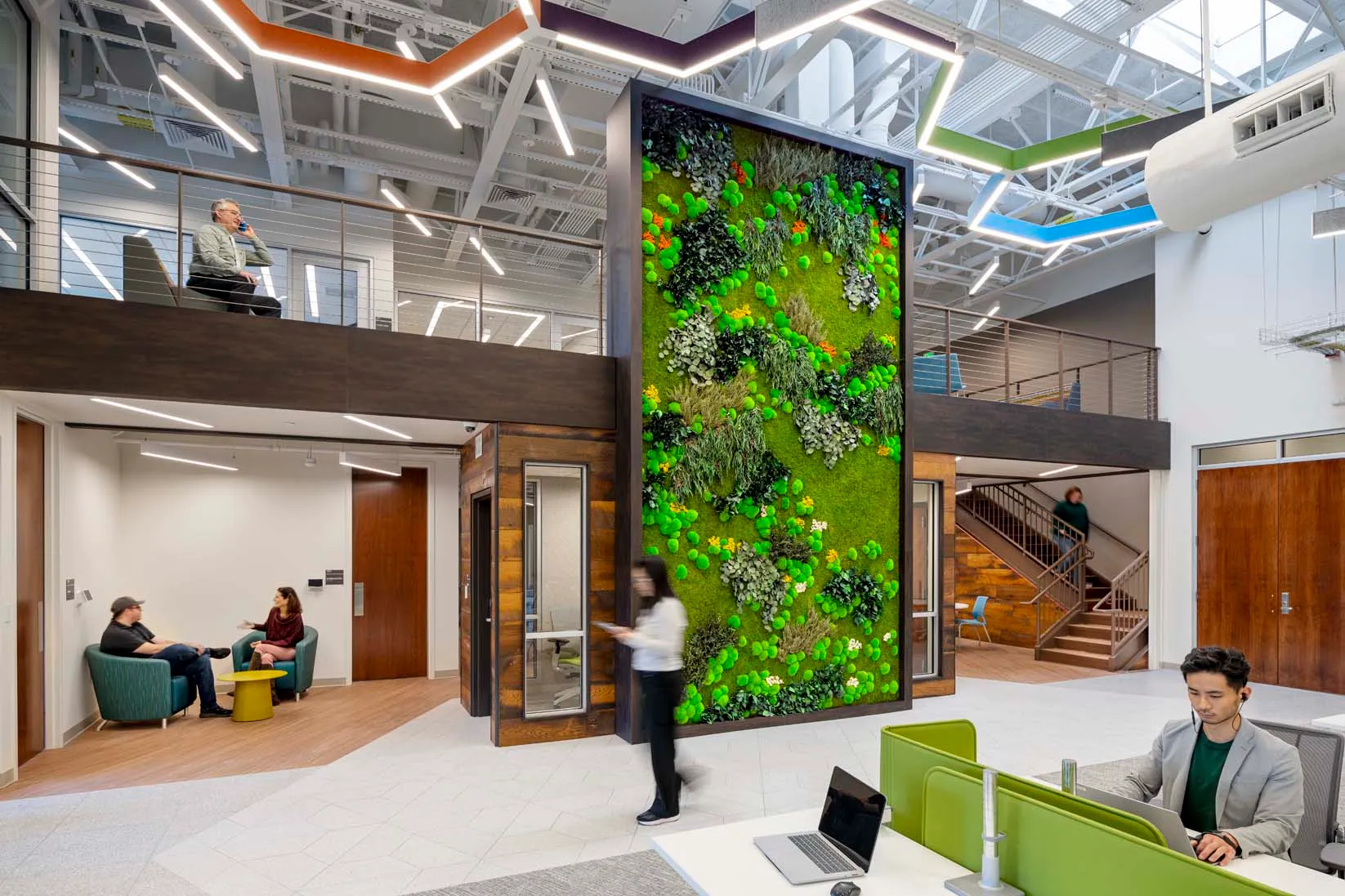
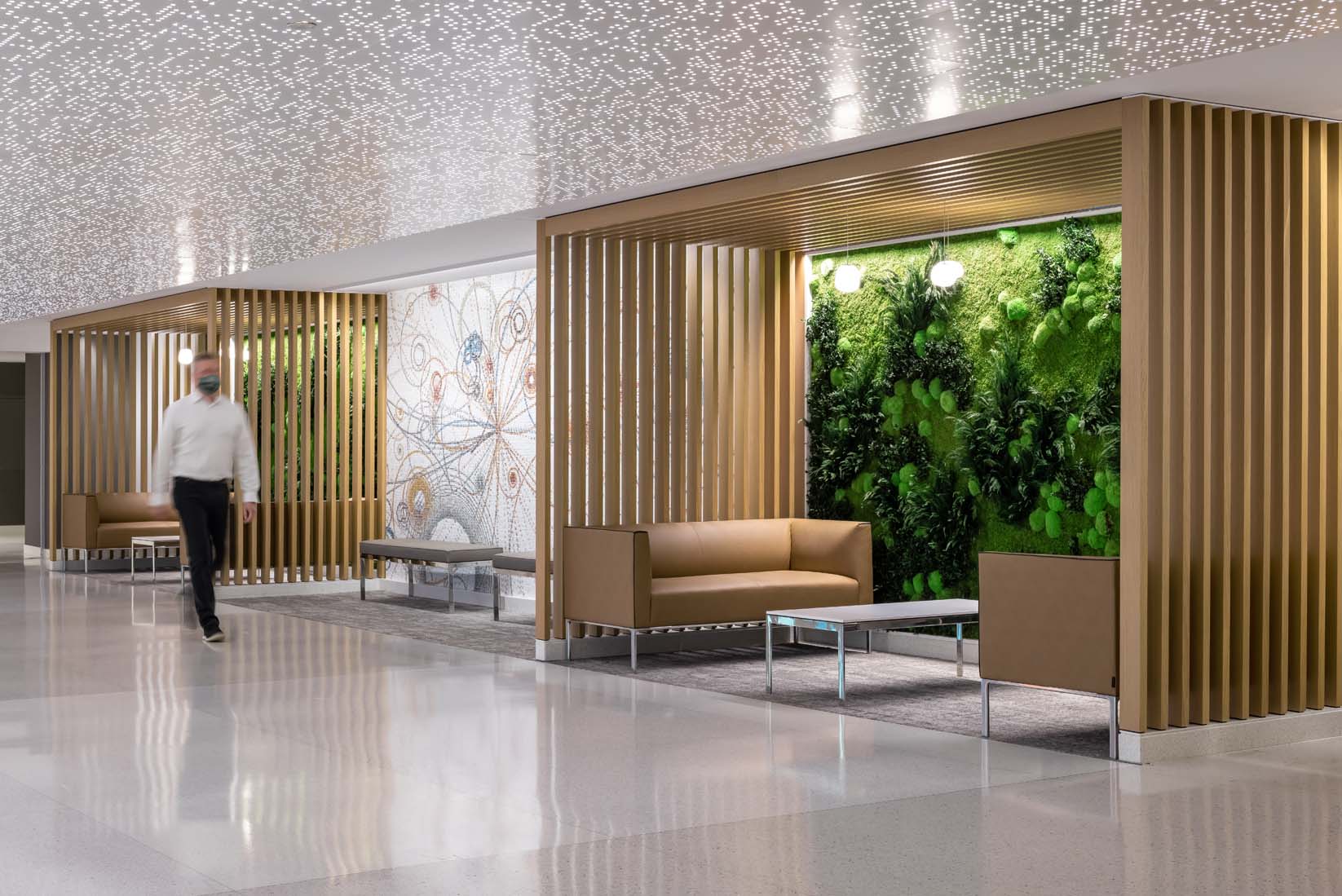
Authentic Nature. Enduring Restoration.
Wellness environments must align the materials they specify with the health and well-being values they communicate. Garden on the Wall® preserved botanical systems combine authentic natural materials with third-party verified material-health, indoor air quality, environmental, and fire-performance documentation. With a 7-year warranty and an expected 20+ year lifecycle under appropriate conditions, these installations provide a long-term approach to biophilic design in suitable climate-controlled environments, without the ongoing horticultural demands of living systems.
Access the Full White Paper
The Restoration Economy examines how biophilic design intersects with physiological recovery, heart rate variability, green exercise, multisensory experiences, and the growing wellness real estate market. Explore the research behind restorative environments and the practical specification considerations shaping wellness, spa, and fitness design.