
The Renewal Premium: How Lobby and Amenity Design Shapes Multifamily Value
Multifamily communities increasingly compete on more than location, unit finishes, and amenity offerings. As resident expectations evolve, the quality of shared spaces has become an important differentiator in the leasing experience and everyday residential life.
Biophilic design offers an evidence-informed approach to creating welcoming, restorative environments that extend the experience of home beyond the apartment itself. For developers, property owners, and design professionals, thoughtfully designed lobbies and amenities can contribute to community identity, resident satisfaction, and long-term property positioning.
The Business Case: Winning the Lease and Earning the Renewal
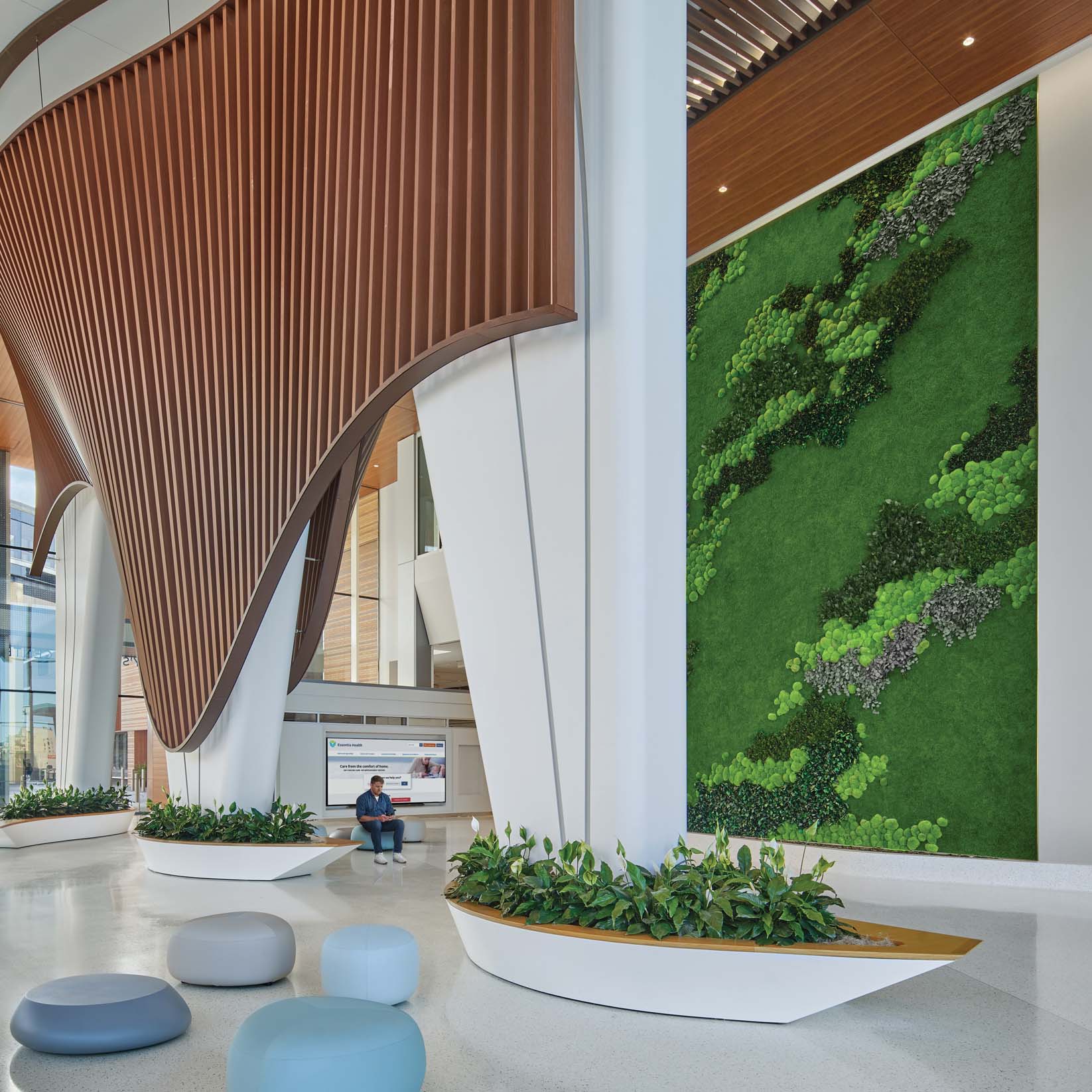
Multifamily performance depends on two important decisions: why a prospective resident chooses a property and why an existing resident decides to stay. Research from the National Apartment Association places the average cost of turning a single apartment at approximately $3,782, before additional vacancy-related expenses. In renter preference research, 29% of residents intending to move cited the desire for better community amenities. These findings reinforce the importance of shared-space quality as an operational consideration. Welcoming lobbies, comfortable lounges, and distinctive amenities can help properties communicate value throughout the resident lifecycle, although the direct financial effect of any specific design intervention must be measured at the property level.

The Science of Home, Restoration, and Well-Being
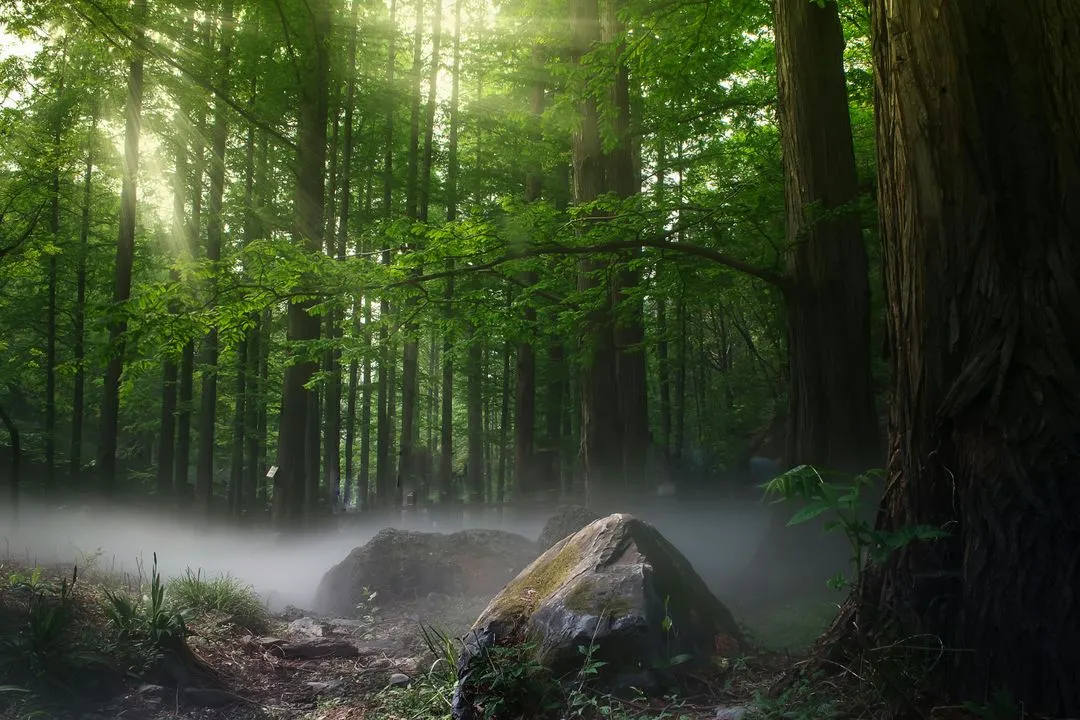
Residential environments serve a distinct psychological purpose. Unlike workplaces or commercial destinations, home is where people return to recover from daily cognitive and emotional demands. Attention Restoration Theory explains how natural environments can help replenish depleted attention through effortless engagement with organic forms and patterns. Research involving 4,205 participants during pandemic confinement also found an association between indoor plants and more positive emotional well-being. Although these findings were not produced specifically in multifamily amenity spaces, they provide a foundation for integrating restorative natural elements into the shared environments residents experience every day.
Designing Shared Spaces Residents Want to Use
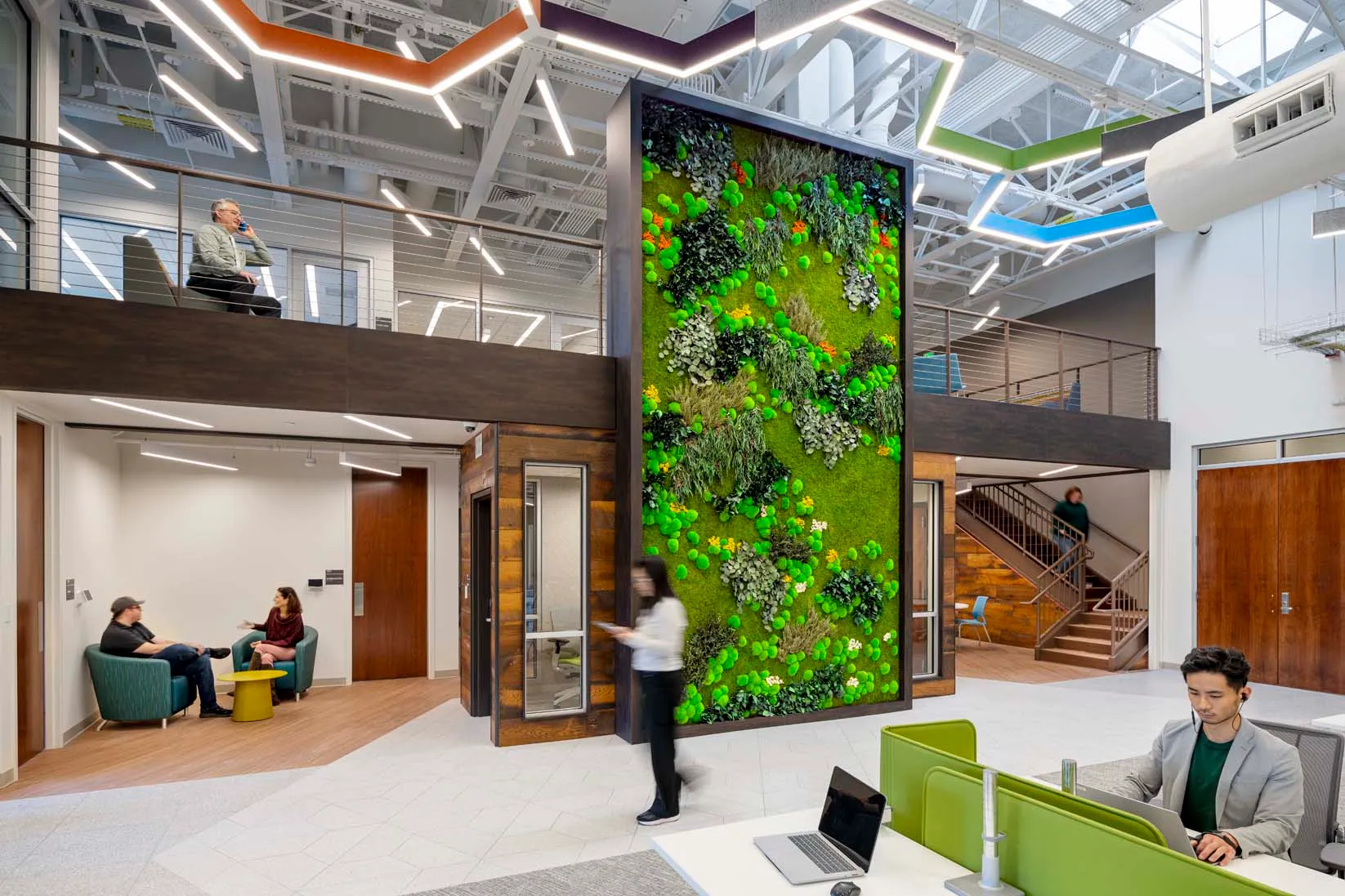
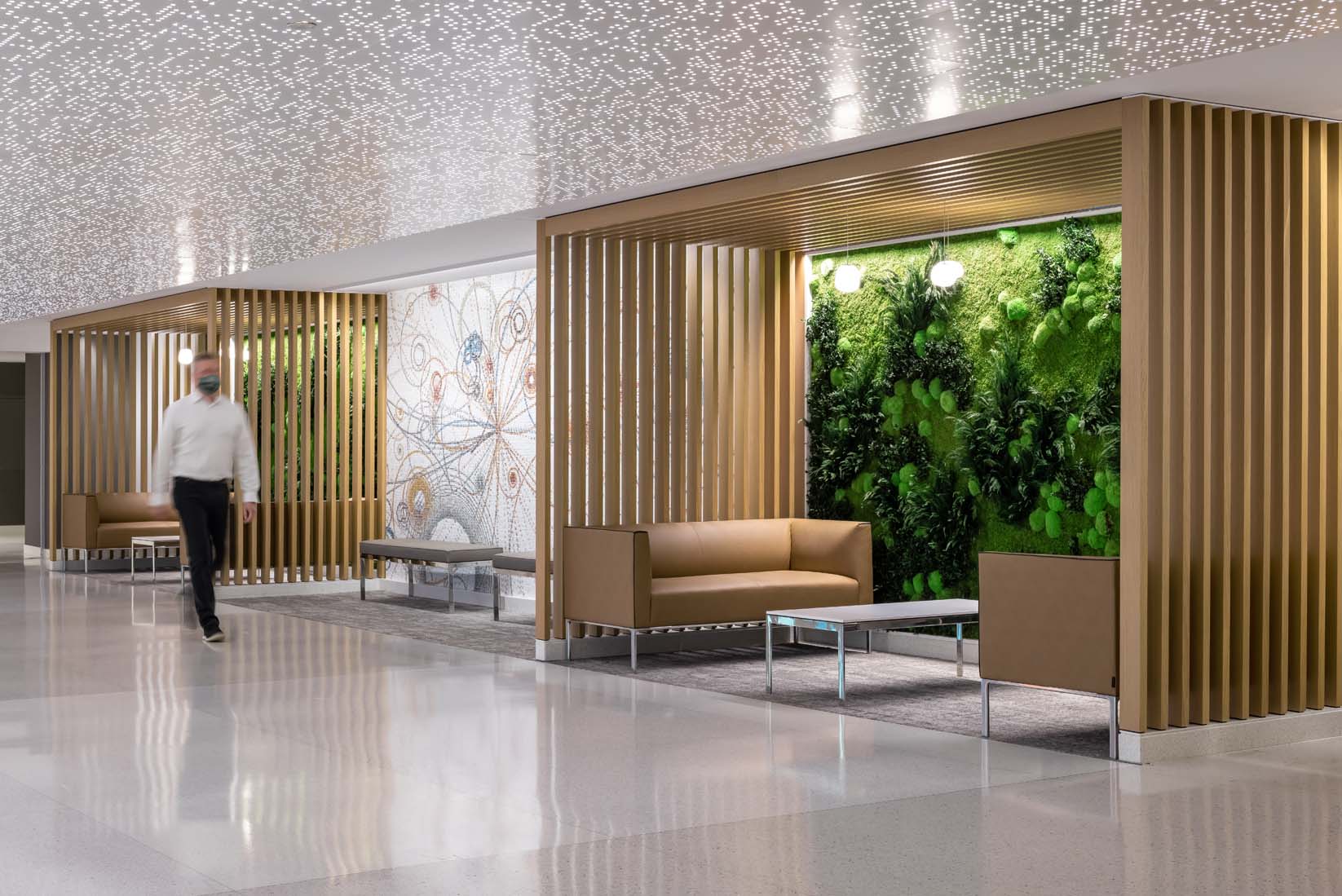
The most valuable amenities are not simply those included in a property's marketing materials. They are the spaces residents choose to use repeatedly. Biophilic design can introduce welcoming natural focal points into lobbies, resident lounges, coworking areas, wellness rooms, and shared circulation spaces. These features can establish a recognizable community identity while creating environments that encourage gathering, relaxation, and everyday interaction. Garden on the Wall® preserved gardens, moss walls, and planter inserts provide authentic natural materials without irrigation, soil, or grow lighting, making them suitable for climate-controlled shared spaces where visual consistency and limited maintenance demands are important.
Lasting Nature. Everyday Value.
Multifamily properties require design elements that remain visually consistent through leasing cycles, resident turnover, and changing amenity expectations. Garden on the Wall® preserved botanical installations offer long-term visual character without the irrigation infrastructure or ongoing horticultural service associated with living plant systems. Supported by third-party verified material-health, environmental, and fire-performance documentation, a 7-year warranty, and an expected 20+ year lifecycle under appropriate conditions, these systems provide a durable architectural feature for shared residential environments.
Access the Full White Paper
The Renewal Premium explores how lobby and amenity design influence the multifamily experience, from first impressions during leasing tours to the everyday environments residents consider when renewing. Discover the research connecting residential greenery with well-being, the economics of resident turnover, and the design strategies shaping competitive multifamily communities.