Built to Learn: Evidence for Biophilic Design as Educational Performance Infrastructure
Educational environments are more than places where learning happens. The physical environment can influence attention, cognitive performance, stress, well-being, and the overall experience of students and educators. Built to Learn examines the evidence behind biophilic design in educational settings and its potential role in creating environments that actively support learning.

The Learning Environment Is a Performance Variable: The Financial Case for Biophilia
Students spend thousands of hours inside educational environments during critical periods of cognitive, social, and emotional development. Within these spaces, they are expected to sustain attention, process complex information, collaborate, regulate emotion, and continually transition between different forms of cognitive demand.
The physical environment is part of that experience.
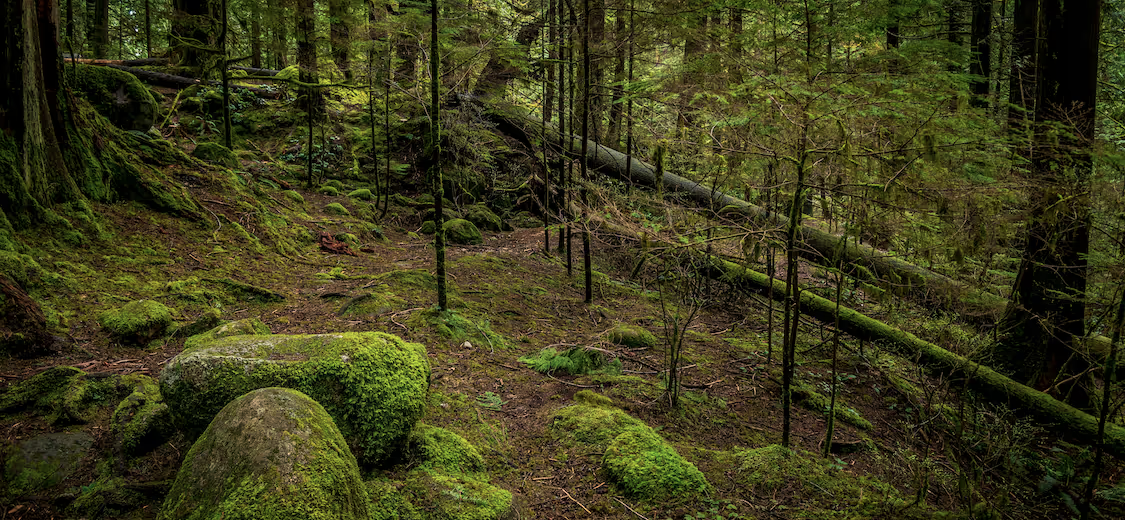
Research examined in Built to Learn connects exposure to nature and biophilic design with outcomes related to attention restoration, stress reduction, cognitive performance, and well-being. For architects, designers, educators, and institutional leaders, this creates an opportunity to consider the learning environment not simply as a backdrop for education, but as part of the infrastructure that supports it.
Designing for the Brain That Learns
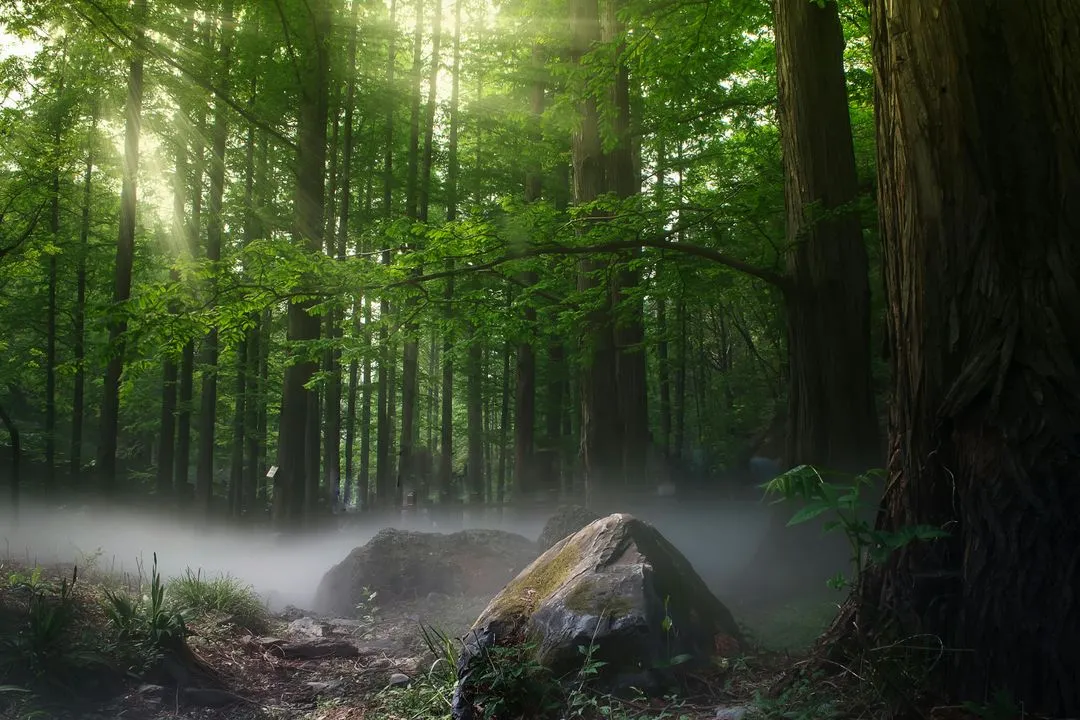
The scientific basis for these outcomes is grounded in Biophilia theory - E.O. Wilson's 1984 formulation of the innate human affinity for nature - and its downstream disciplines of neuroaesthetics and neuroarchitecture. When human beings are in the proximity of authentic natural elements, the autonomic nervous system shifts toward parasympathetic dominance: heart rate and cortisol decline, attentional fatigue reduces, and cognitive performance recovers.
Laboratory and field research consistently demonstrates that this physiological response does not transfer to synthetic replication. The human nervous system distinguishes authentic nature from artificial substitutes. Preserved botanical elements - moss, foliage, fern, lichen - retain the structural and visual complexity that triggers this response. Petrochemical faux plants do not.
Biophilia Built for Educational Environments
For biophilic design to become a practical component of educational infrastructure, it must work within the realities of schools and campuses.
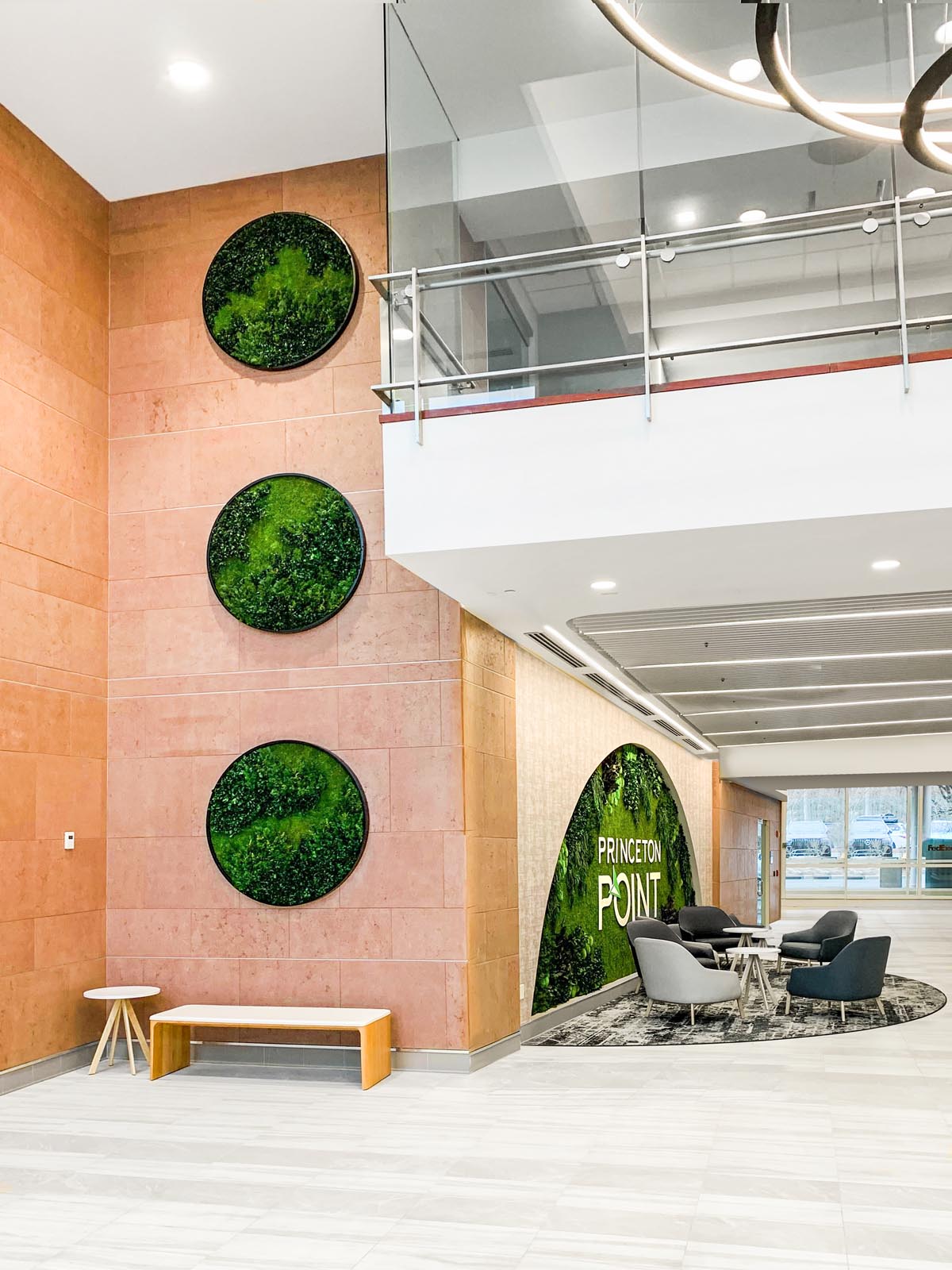
Garden on the Wall® creates biophilic installations using real preserved mosses, foliage, flowers, branches, and other natural botanical materials. Unlike living systems, these installations require no irrigation, soil, sunlight, misting, or routine horticultural maintenance.
This allows educational institutions to introduce authentic natural material into classrooms, libraries, learning commons, student centers, residence halls, corridors, wellness spaces, and faculty environments while addressing long-term maintenance and facility requirements.
Comprehensive third-party documentation -including HPD v3.0, EPD, Declare Label, CDPH 01350, ASTM E84 Class A, ASTM D6866, and verified acoustic performance - provides architects, designers, sustainability teams, and institutional decision-makers with greater transparency during specification.