Garden on the Wall® Blog

Design and trends are ever-changing, but good, human-centered design is always universal.

At Garden on the Wall®, our focus on the universal principles of great design inspired the creation of articles for our Greening Perspectives® brochure in 2023. What began as a curated collection of insights soon evolved into a beautifully crafted publication that embodies one of our core company mottos. Following its release, we continued to expand on these ideas transforming them into blogs where design professionals can find valuable information.

Our blog explores biophilic design, sustainability, neuroaesthetics, mindful design, biomimicry, restorative and regenerative design, salutogenic design, neuro-inclusivity, trauma-informed design, neuroarchitecture, and more. We share how these principles can shape human-centric spaces that enhance well-being and productivity, offering inspiration to stay ahead of trends and create environments that promote health, connection, and happiness through moss walls, preserved gardens, green walls, vertical gardens, hanging plants, and planter inserts crafted with preserved foliage from Garden on the Wall®.
Back
October 8, 2024
The Material Attributes when Specifying/Suggesting an Interior Product for a Commercial Project
When specifying interior products, durability, aesthetics, sustainability, and lead times are key considerations. Trusted products like Garden on the Wall®’s preserved gardens offer unmatched reliability, beauty, and longevity. Their custom designs, minimal maintenance, and industry-leading sustainability credentials make them an ideal choice for meeting both practical and environmental goals.
October 4, 2024
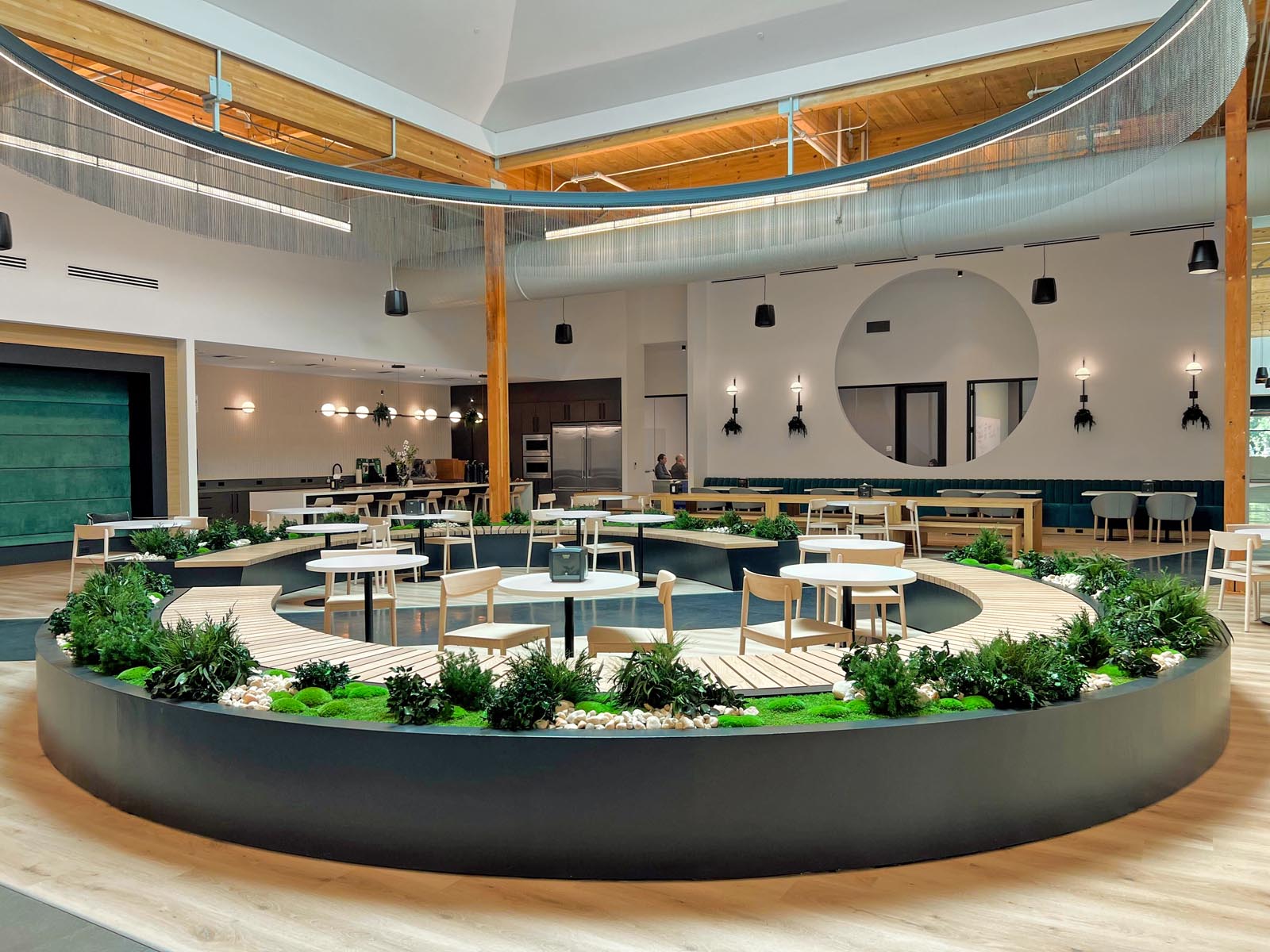
Planter Inserts crafted with Preserved Foliage: Perfect Example of Biophilia in Designed Space
The integration of nature into interior design has evolved from a trend to a well-being necessity. Planter inserts with preserved foliage offer a sustainable, low-maintenance solution that brings biophilic design into commercial spaces. These elements reduce stress, boost productivity, and create a calming, aesthetically consistent environment for all occupants.
October 1, 2024
What Role Do Neuroaesthetics Play in Interior Design?
Neuroaesthetics explores how our brains perceive beauty and how it impacts well-being. By understanding the brain’s response to design elements like color, symmetry, and biophilic features, interior designers can create spaces that promote mental health, reduce stress, and boost productivity. This approach merges science with aesthetics for healthier, more balanced environments
September 27, 2024
Biophilic Design and Biomimicry: Natural Solutions for Healthier Interiors
Biophilic design and biomimicry integrate nature's principles into architecture and interiors, enhancing sustainability and well-being. Biophilia taps into our natural affinity for nature, while biomimicry emulates nature's strategies, from improving air quality to acoustic comfort. Together, these approaches create healthier, efficient spaces, blending beauty with functional design and environmental responsibility.
September 24, 2024
What Is Mindful Design?
Mindful design focuses on creating thoughtful, user-centric environments that enhance well-being. By considering emotional, physical, and environmental impacts, it integrates principles like sustainability, simplicity, and functionality. Whether applied to physical spaces or digital interfaces, mindful design fosters positive experiences, reduces stress, and improves user satisfaction through purposeful, holistic solutions.
September 20, 2024
Why Evidence-Based Design Matters in Modern Interiors
Evidence-based design (EBD) transforms interior spaces by prioritizing functionality and well-being through research and data. By integrating principles like natural light, biophilic elements, and ergonomic layouts, EBD enhances aesthetics while promoting health and productivity. This approach fosters environments that support both mental and physical well-being, creating harmonious living spaces.
March 11, 2025
The Intersection of Mindful Design and Workplace Wellness
Transform workplace wellness with mindful design. Preserved gardens and moss walls enhance focus, creativity, and social connection while reducing stress. Rooted in neuroaesthetics and environmental psychology, these sustainable installations support cognitive health and productivity, creating thriving, nature-inspired spaces with minimal maintenance. Experience the future of workplace well-being with biophilic design.
December 30, 2024
Biophilic Design in Healthcare: Beyond Aesthetics to Healing
Explore how biophilic design transforms healthcare spaces by integrating nature-inspired elements to enhance healing, reduce stress, and improve cognitive function. Discover the role of preserved moss walls and gardens in creating restorative environments for patients, staff, and families. Combining nature’s therapeutic benefits with advanced technology, this approach supports wellness, sustainability, and holistic healing while overcoming traditional challenges of maintaining living plants in medical settings.
December 10, 2024
Preserved Gardens / Moss Walls and Heart Rate Variability: The Science of Natural Wellness
Preserved gardens and moss walls enhance well-being by aligning with our innate connection to nature. They boost heart rate variability (HRV), reduce stress, and stimulate beneficial neurochemicals like oxytocin and serotonin. Authentic and sustainable, these biophilic elements bridge aesthetics and health, creating restorative environments that promote human flourishing.
November 5, 2024
What Makes a Design Human-Centric?
Human-centric design focuses on creating spaces that prioritize user needs, emotions, and behaviors. By integrating empathy, accessibility, and intuitive functionality, it enhances the user experience. Elements like biophilic design—incorporating preserved gardens and moss walls—reduce stress and improve mood while promoting productivity.
October 4, 2024
Planter Inserts crafted with Preserved Foliage: Perfect Example of Biophilia in Designed Space
The integration of nature into interior design has evolved from a trend to a well-being necessity. Planter inserts with preserved foliage offer a sustainable, low-maintenance solution that brings biophilic design into commercial spaces. These elements reduce stress, boost productivity, and create a calming, aesthetically consistent environment for all occupants.
August 9, 2024
The Psychological Benefits of Creating Places with Salutogenic Approach
Salutogenic design, integrating Biophilia, Neuroaesthetics, and Neuroarchitecture, emphasizes creating environments that enhance human health and well-being. Green office design exemplifies this approach, utilizing natural elements and preserved greenery to boost productivity and tranquility. By prioritizing mental and emotional wellness, these spaces transform workplaces into nurturing sanctuaries.