Garden on the Wall® Blog

Design and trends are ever-changing, but good, human-centered design is always universal.

At Garden on the Wall®, our focus on the universal principles of great design inspired the creation of articles for our Greening Perspectives® brochure in 2023. What began as a curated collection of insights soon evolved into a beautifully crafted publication that embodies one of our core company mottos. Following its release, we continued to expand on these ideas transforming them into blogs where design professionals can find valuable information.

Our blog explores biophilic design, sustainability, neuroaesthetics, mindful design, biomimicry, restorative and regenerative design, salutogenic design, neuro-inclusivity, trauma-informed design, neuroarchitecture, and more. We share how these principles can shape human-centric spaces that enhance well-being and productivity, offering inspiration to stay ahead of trends and create environments that promote health, connection, and happiness through moss walls, preserved gardens, green walls, vertical gardens, hanging plants, and planter inserts crafted with preserved foliage from Garden on the Wall®.
Back
May 27, 2025
Potted Plants vs Preserved Planter Inserts in Commercial Spaces
Preserved planter inserts deliver long-lasting biophilic benefits without pests, water damage, or high upkeep. They are perfect for future-ready commercial interiors that prioritize occupant well-being, aesthetics, and environmental responsibility. Discover the sustainable, maintenance-free alternative to potted plants.
May 23, 2025
Understanding Neuroarchitecture, Neuroinflammation, Neuroimmunology and the Role of Biophilic Design
Biophilic design informed by neuroimmunology fosters healthier environments by reducing stress and inflammation through exposure to preserved natural elements, enhancing well-being without the upkeep or risks of live plants.
May 20, 2025
Designing for Human Experience: The Intersection of 2025 Workplace Trends and Biophilic Elements for Commercial Real Estate Professionals
Transform your space into a high-impact, human-centered environment. Nature-inspired design elements elevate wellbeing, foster connection, and meet sustainability goals proven to boost engagement and retention. Make every square foot work harder, smarter, and more meaningfully.
May 15, 2025
Trauma-Informed Design and the Healing Power of Biophilia
Create healing environments with preserved nature. Trauma-informed biophilic design fosters safety, resilience, and emotional well-being through natural elements that soothe, regulate, and restore—offering consistent, sensory-rich support without the upkeep of living plants or the drawbacks of artificial alternatives.
May 13, 2025
Holistic Design Approach: Integrating Mind, Body, and Environment with Biophilic Design
Holistic design integrates biophilia, neuroscience, and sustainability to create spaces that support well-being, reduce stress, and foster inclusion—transforming interiors into multi-sensory environments where people feel connected, focused, and at ease.
May 9, 2025
Salutogenic Design and the Future of Sustainable Architecture & Interior Design
Transform your space with salutogenic design—where preserved nature meets sustainable innovation to enhance well-being, reduce stress, and elevate building performance. Create healthier, more inspiring environments without the upkeep of living plants.
March 11, 2025
The Intersection of Mindful Design and Workplace Wellness
Transform workplace wellness with mindful design. Preserved gardens and moss walls enhance focus, creativity, and social connection while reducing stress. Rooted in neuroaesthetics and environmental psychology, these sustainable installations support cognitive health and productivity, creating thriving, nature-inspired spaces with minimal maintenance. Experience the future of workplace well-being with biophilic design.
December 30, 2024
Biophilic Design in Healthcare: Beyond Aesthetics to Healing
Explore how biophilic design transforms healthcare spaces by integrating nature-inspired elements to enhance healing, reduce stress, and improve cognitive function. Discover the role of preserved moss walls and gardens in creating restorative environments for patients, staff, and families. Combining nature’s therapeutic benefits with advanced technology, this approach supports wellness, sustainability, and holistic healing while overcoming traditional challenges of maintaining living plants in medical settings.
December 10, 2024
Preserved Gardens / Moss Walls and Heart Rate Variability: The Science of Natural Wellness
Preserved gardens and moss walls enhance well-being by aligning with our innate connection to nature. They boost heart rate variability (HRV), reduce stress, and stimulate beneficial neurochemicals like oxytocin and serotonin. Authentic and sustainable, these biophilic elements bridge aesthetics and health, creating restorative environments that promote human flourishing.
November 5, 2024
What Makes a Design Human-Centric?
Human-centric design focuses on creating spaces that prioritize user needs, emotions, and behaviors. By integrating empathy, accessibility, and intuitive functionality, it enhances the user experience. Elements like biophilic design—incorporating preserved gardens and moss walls—reduce stress and improve mood while promoting productivity.
October 4, 2024
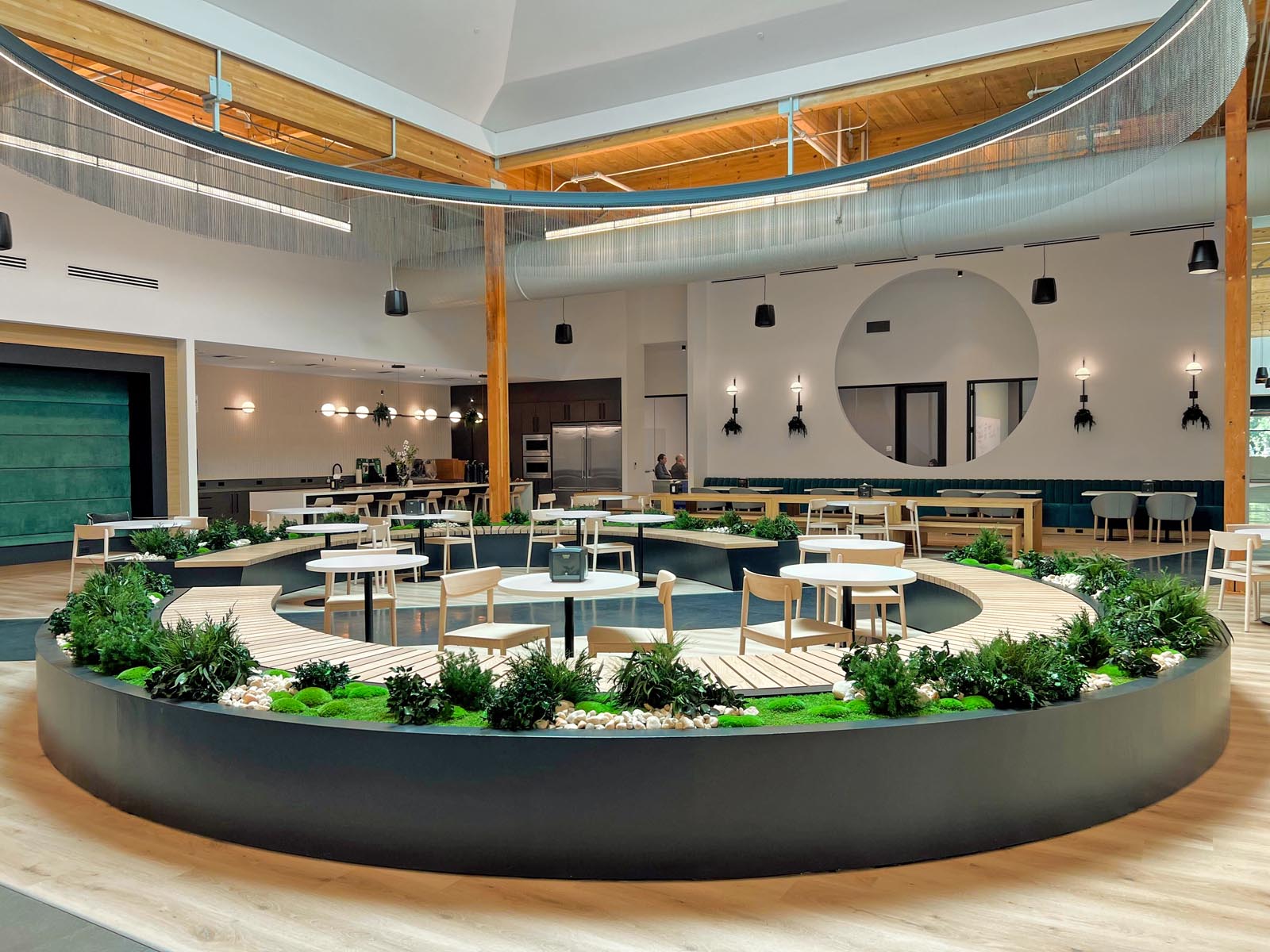
Planter Inserts crafted with Preserved Foliage: Perfect Example of Biophilia in Designed Space
The integration of nature into interior design has evolved from a trend to a well-being necessity. Planter inserts with preserved foliage offer a sustainable, low-maintenance solution that brings biophilic design into commercial spaces. These elements reduce stress, boost productivity, and create a calming, aesthetically consistent environment for all occupants.
August 9, 2024
The Psychological Benefits of Creating Places with Salutogenic Approach
Salutogenic design, integrating Biophilia, Neuroaesthetics, and Neuroarchitecture, emphasizes creating environments that enhance human health and well-being. Green office design exemplifies this approach, utilizing natural elements and preserved greenery to boost productivity and tranquility. By prioritizing mental and emotional wellness, these spaces transform workplaces into nurturing sanctuaries.