Wholesome, Human Centric Design is the Future of Interior Design
Key Takeaways Before You Read the Full Article:
30 Second Executive Summary
This article explores the principles of human-centric (wholesome) design and how preserved gardens, moss walls, and planter inserts bring the benefits of nature into interior spaces. By integrating biophilic elements with thoughtful, evidence-based design strategies, designers can create environments that enhance well-being, productivity, and emotional balance.
🌿 Human-Centric Design Principles: This approach places people at the center, considering mental, emotional, and physical health in every design decision. Biophilic elements like greenery, natural light, and organic materials are essential for creating restorative environments.
🪴 Biophilic Benefits: Exposure to preserved nature reduces stress, supports focus and creativity, and fosters overall well-being. Moss walls additionally provide acoustic comfort, absorbing sound in open spaces.
🎨 Low-Maintenance Solutions: Preserved plants offer the beauty and sensory experience of living greenery without the upkeep, making them ideal for commercial, residential, and healthcare environments. Planter inserts allow flexible and creative integration throughout spaces.
💡 Sustainable & Versatile Design: Unlike synthetic alternatives, preserved plants are natural, biodegradable, and long-lasting. Their integration aligns with environmentally responsible design while delivering a visually rich experience.
✅ Supporting Diverse Human Needs: Human-centric interiors cater to multiple activities and moods. From quiet retreats to collaborative spaces, preserved gardens and moss walls create environments that support both focus and social interaction.
🌱 Future-Focused Design: The growing focus on well-being, accelerated by recent global events, positions human-centric design at the forefront of interior architecture. Evidence-based strategies and technology integration, such as circadian lighting, enhance the restorative effects of nature indoors.
Ready to explore how preserved gardens and moss walls can transform interiors into sustainable, restorative, and human-centered spaces? The full article details strategies, applications, and design insights for workplaces, healthcare, education, and residential interiors.
Introduction to Human-Centric Design
In the ever-evolving world of interior design, a profound shift is taking place. The future of our built environments is being shaped by a philosophy that puts human well-being at its core: wholesome, human-centric design. This approach goes beyond mere aesthetics, delving deep into how our surroundings affect our mental, emotional, and physical health. At the forefront of this revolution are preserved gardens, moss walls, and planter inserts crafted with preserved foliage, offering a perfect blend of nature's beauty and modern design sensibility.
Human-centric design is not just a trend; it's a response to our innate need for connection with nature, even in our most urban environments. This concept, known as biophilia, recognizes that humans have an inherent affinity for natural elements. By incorporating these elements into our interior spaces, we can create environments that not only look beautiful but also promote well-being, productivity, and overall happiness.
The Science Behind Biophilic Design
The power of biophilic design lies in its ability to reduce stress, enhance mood, and improve cognitive function. Research in neuroaesthetics and neuroarchitecture has shown that exposure to natural elements can significantly impact our brain's response to our environment. For instance, the presence of greenery has been linked to reduced cortisol levels, increased creativity, and improved focus.
However, integrating living plants into commercial and residential spaces comes with its own set of challenges. Maintenance issues, such as watering, pruning, and pest control, can be time-consuming and costly, especially in large-scale installations. This is where preserved gardens and moss walls shine as an innovative solution.
Preserved Gardens: A Low-Maintenance Biophilic Solution
Preserved gardens offer all the visual and psychological benefits of living plants without the high maintenance requirements. These natural elements are carefully treated to maintain their fresh appearance and soft texture for years, requiring no water, sunlight, or regular care. This makes them an ideal choice for busy commercial environments, healthcare facilities, and modern homes alike.
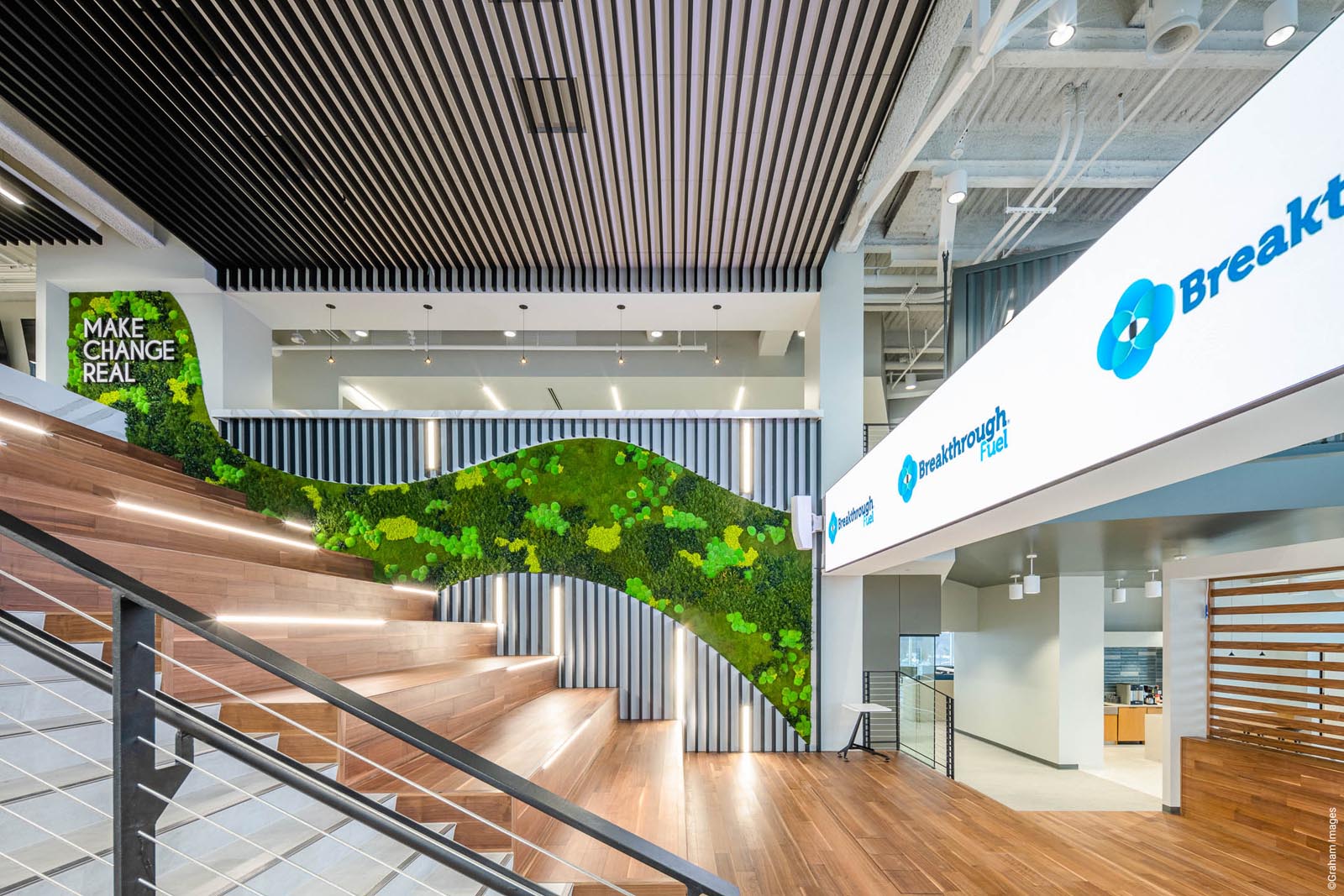
Moss walls, in particular, have gained popularity as a striking biophilic design element. These vertical installations not only serve as beautiful focal points but also contribute to acoustic comfort by absorbing sound and reducing noise pollution in open spaces. The tactile quality of moss adds depth and interest to interiors, inviting touch and creating a multi-sensory experience that connects occupants with nature.

Versatility and Sustainability of Preserved Plants
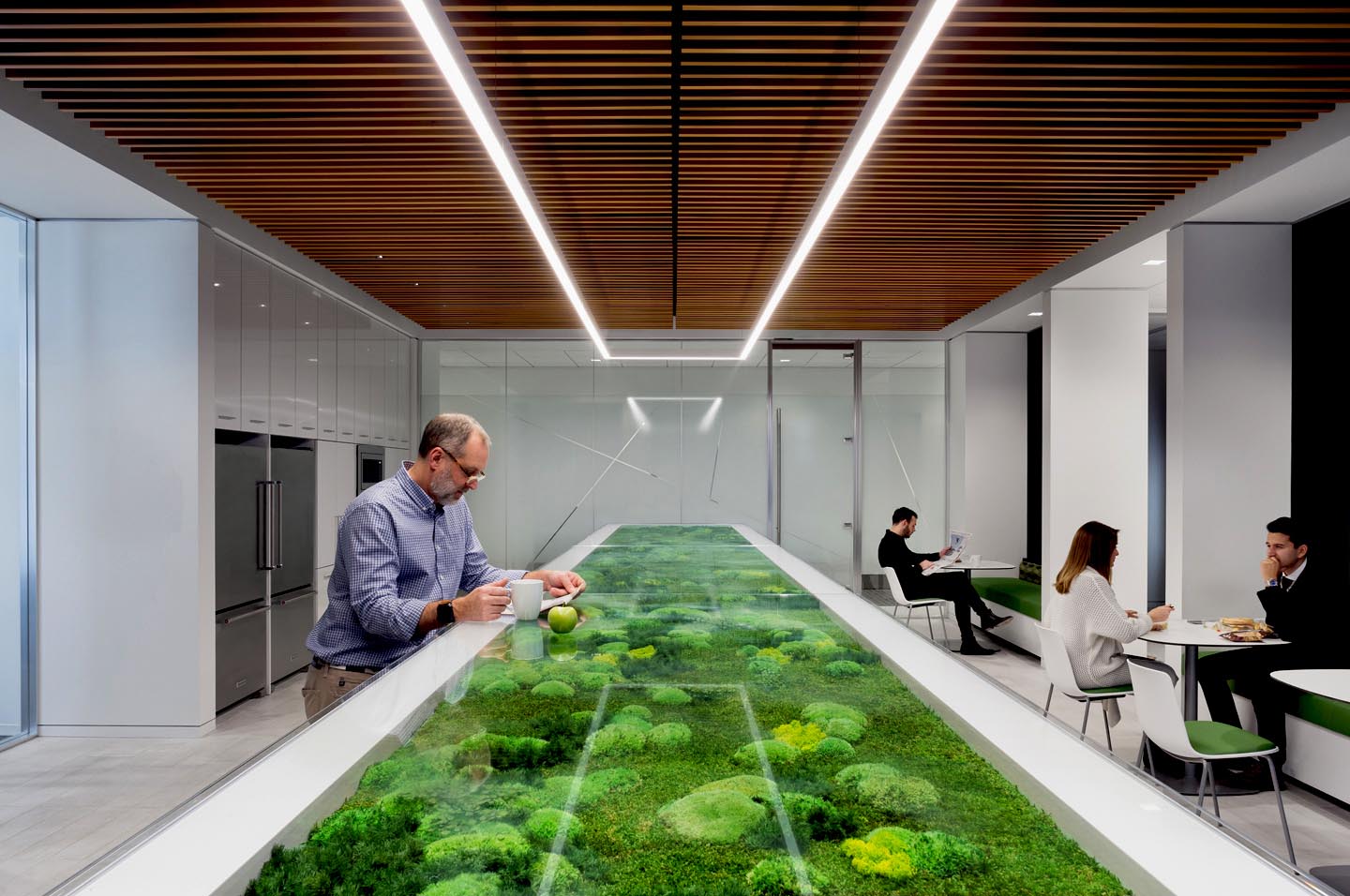
Planter inserts with preserved foliage offer another versatile option for incorporating nature into various design schemes. These can be easily integrated into existing furniture or architectural elements, allowing for creative and flexible biophilic design solutions. From reception areas to office cubicles, these inserts bring a touch of nature to every corner of a space.
The use of preserved plants in interior design also aligns with the growing emphasis on sustainability in architecture and design. Unlike faux plants made from synthetic materials, preserved plants are natural and biodegradable. They offer a more authentic connection to nature without the environmental impact associated with plastic alternatives.
Creating Diverse, Nature-Inspired Spaces
Human-centric design also takes into account the diverse needs of individuals in space. By creating varied environments that incorporate natural elements, designers can cater to different work styles, moods, and activities. Quiet, plant-filled nooks can serve as retreats for focused work or relaxation, while larger preserved garden installations in common areas can foster social interaction and collaboration.
The integration of technology with biophilic design is another exciting frontier in human-centric interiors. Smart lighting systems that mimic natural daylight cycles, coupled with preserved plant installations, can create dynamic environments that support our circadian rhythms and enhance our connection to the natural world.
The Future of Human-Centric Interior Design
As we look to the future of interior design, the importance of creating spaces that nurture human well-being cannot be overstated. TheCOVID-19 pandemic has highlighted the critical role our built environments play in our health and happiness, accelerating the adoption of human-centric design principles.
Designers and architects are increasingly turning to evidence-based design strategies, incorporating research from fields such as environmental psychology and neuroscience to create spaces that truly support human flourishing. Preserved gardens, moss walls, and planter inserts are at the forefront of this movement, offering a tangible way to bring the benefits of nature into our daily lives.
Conclusion: Embracing Nature for Better Living
The wholesome, human-centric approach to design is not just about creating beautiful spaces; it's about fostering environments that enhance our quality of life. By prioritizing the integration of natural elements through preserved plant installations, we can create interiors that are not only aesthetically pleasing but also restorative, inspiring, and health-promoting.
As we continue to spend more time indoors, the need for spaces that connect us with nature becomes ever more crucial. Preserved gardens and moss walls offer a sustainable, low-maintenance solution to this challenge, allowing us to reap the benefits of biophilic design without the drawbacks of traditional live plants.
In conclusion, the future of interior design lies in creating wholesome, human-centric spaces that prioritize well-being alongside functionality and aesthetics. By embracing preserved nature elements, we can transform our built environments into havens that nurture our innate connection to the natural world. As we move forward, let us design not just for the eye, but for the mind, body, and soul, creating spaces that truly enhance the human experience.
For more information on this subject and other related information, please visit our website: www.gardenonthewall.com