
The Intersection of Neuroaesthetics and Healthcare Design with Preserved Gardens
Key Takeaways Before You Read the Full Article:
30 Second Executive Summary
This article explores how neuroaesthetics and preserved gardens can transform healthcare environments into calming, healing, and supportive spaces for both patients and staff.
🌿 Neuroaesthetics in Action: Thoughtfully designed environments using preserved nature elements reduce stress, improve mood, and enhance overall well-being by engaging the brain’s natural responses to beauty and nature.
🪴 Preserved Gardens for Healing: Moss walls and preserved foliage provide consistent, low-maintenance access to natural elements, supporting infection control, minimizing upkeep, and delivering year-round therapeutic benefits.
🎨 Evidence-Based Recovery: Exposure to preserved nature can accelerate healing, reduce pain medication usage, shorten hospital stays, and improve patient satisfaction. Healthcare staff also experience lower stress and higher job satisfaction.
💡 Practical, Functional Design: Preserved gardens can be integrated throughout healthcare facilities as wall installations, room dividers, or accent pieces, balancing aesthetic appeal with hygiene, safety, and regulatory compliance.
🏥 The Future of Healing Spaces: As healthcare design evolves, preserved gardens will play an increasingly important role in creating patient-centered, restorative environments that promote recovery, reduce stress, and enhance staff performance.
Ready to see how neuroaesthetics and biophilic design can transform healthcare spaces into healing environments? The full article explores practical strategies, real-world applications, and the science behind these innovative designs.
Understanding Neuroaesthetics in Healthcare Environments
Neuroaesthetics, pioneered by researchers including neuroscientist Semir Zeki, is revolutionizing healthcare design. This discipline reveals that our neural responses to aesthetic experiences can significantly impact healing and recovery. When applied to healthcare environments, neuroaesthetics principles can create spaces that not only look welcoming but actively contribute to the healing process through scientifically proven design elements.
Research from the Penn Center for Neuroaesthetics, led by Dr. Anjan Chatterjee, demonstrates that exposure to natural elements can reduce stress, improve mood, and enhance overall well-being. These findings are particularly relevant in healthcare settings, where creating a calming and supportive environment is crucial for both patients and staff. The integration of neuroaesthetics principles in healthcare design represents a shift from purely functional spaces to environments that promote healing through their very design elements.
The Role of Preserved Gardens in Healing Spaces
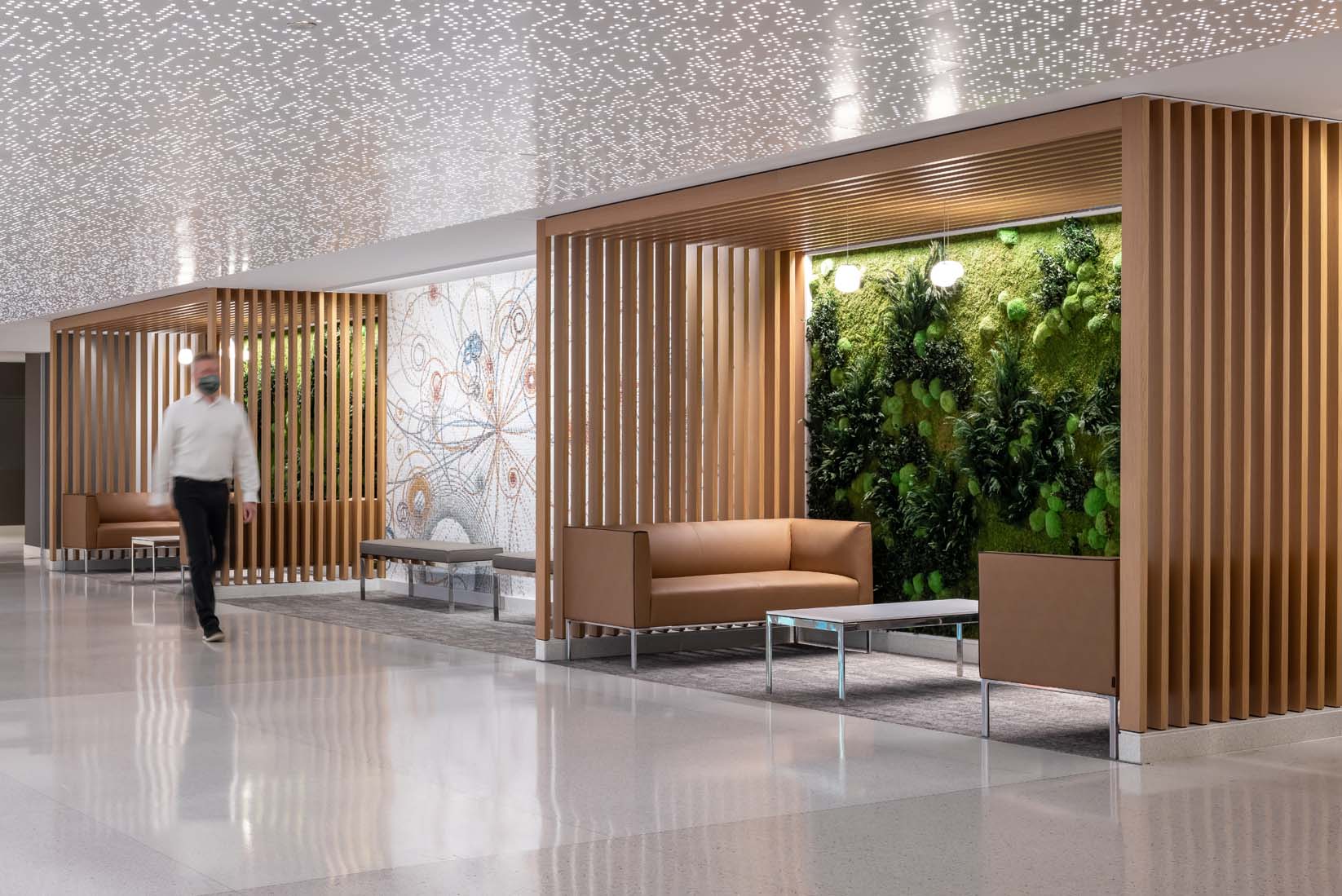
Preserved gardens offer an innovative solution for incorporating nature into healthcare environments without the maintenance challenges associated with living plants. These installations provide the psychological benefits of biophilic design while meeting the stringent requirements of medical facilities, creating spaces that support both physical and emotional healing.
Unlike traditional plants that require constant care and can harbor allergens or pests, preserved gardens maintain their beauty and therapeutic benefits without compromising infection control protocols. This makes them ideal for healthcare settings where cleanliness and low maintenance are paramount. Furthermore, preserved gardens create consistent, year-round connections to nature, providing a stable and reliable element in the healing environment that patients and staff can count on for comfort and inspiration.
Scientific Evidence Supporting Nature's Impact on Recovery
Studies consistently show that exposure to nature, even in preserved form, can accelerate healing processes. Patients with access to natural elements often require less pain medication and experience shorter hospital stays. The presence of greenery can lower cortisol levels, reduce anxiety, and create a more positive healthcare experience, leading to improved patient outcomes and satisfaction scores.
Research in neuroaesthetics has revealed that our brains process natural elements in ways that promote relaxation and healing. Even brief exposure to nature can trigger the release of beneficial neurochemicals that support recovery and reduce stress for both patients and healthcare providers. This biological response to nature, whether living or preserved, demonstrates the profound impact that thoughtfully designed environments can have on the healing process.
Practical Applications in Healthcare Settings
Healthcare facilities are incorporating preserved gardens strategically throughout their spaces to maximize their therapeutic potential. From waiting areas to patient rooms, these installations create focal points that provide visual relief and emotional support during stressful medical experiences. The careful placement of these elements can guide patients and visitors through the space while offering moments of respite and connection to nature.
The versatility of preserved gardens allows for creative applications that enhance the healing environment while meeting practical healthcare requirements. Whether used as wall installations, room dividers, or accent pieces, these elements can transform sterile medical spaces into more nurturing environments. The flexibility of preserved gardens also allows healthcare facilities to adapt their biophilic elements to specific departmental needs, creating customized healing environments throughout the facility.

Benefits for Patients and Healthcare Providers
The impact of preserved gardens extends beyond patient care to benefit healthcare staff as well. Medical professionals working in environments enhanced with natural elements report lower stress levels and higher job satisfaction. This improved working environment can lead to better patient care and reduced staff burnout. Studies have shown that exposure to natural elements can reduce medical errors and improve overall healthcare delivery quality.
For patients, the presence of preserved gardens can create a more positive healthcare experience, potentially leading to better outcomes. The calming effect of natural elements can help reduce anxiety before procedures and support the recovery process afterward. Research indicates that patients with access to natural views or elements require less pain medication and experience shorter hospital stays.
Designing with Both Beauty and Function in Mind
When incorporating preserved gardens into healthcare spaces, designers must balance aesthetic appeal with practical considerations. The installations must be easy to clean, meet fire safety standards, and comply with healthcare regulations while maintaining their therapeutic benefits. This careful balance ensures that the biophilic elements enhance rather than complicate the healthcare environment.
Garden on the Wall's preserved gardens exemplify this balance, offering installations that are both beautiful and functional. Their products undergo rigorous testing to ensure they meet healthcare facility requirements while providing the maximum beneficial impact on occupants. The attention to both form and function makes these installations particularly valuable in healthcare settings.
The Future of Healthcare Design
As our understanding of neuroaesthetics grows, the integration of preserved gardens in healthcare design will likely become increasingly sophisticated. Future developments may include more targeted applications based on specific medical conditions and customized installations that adapt to different healthcare settings. The evolution of healthcare design continues to emphasize the importance of creating environments that actively support healing.
The trend toward more humanistic healthcare environments suggests that preserved gardens will play an increasingly important role in medical facility design. Their ability to create calming, nature-inspired spaces without compromising medical standards makes them an invaluable tool in modern healthcare design. This integration represents a significant shift from traditional institutional environments to more nurturing, patient-centered spaces.
Conclusion: Creating Healing Environments Through Design
The intersection of neuroaesthetics and healthcare design, enhanced by preserved gardens, represents a powerful approach to creating healing environments. By understanding how our brains respond to natural elements and incorporating this knowledge into healthcare spaces, we can create environments that actively support the healing process and improve patient outcomes.
As healthcare facilities continue to evolve, the thoughtful integration of preserved gardens will remain crucial in designing spaces that promote healing, reduce stress, and support both patients and healthcare providers. This marriage of science and design demonstrates how carefully chosen aesthetic elements can contribute to better healthcare outcomes and experiences, transforming medical environments into spaces that nurture both body and mind.
Want to learn more? Read Multisensory Design Engaging All Five Senses in Commercial Spaces for additional research and insights. Then explore Evidence-Based Design: Restorative Nature for Clinical Outcomes for workplace design strategies, specification resources, and a portfolio of award-winning commercial installations.

_1.jpg)
