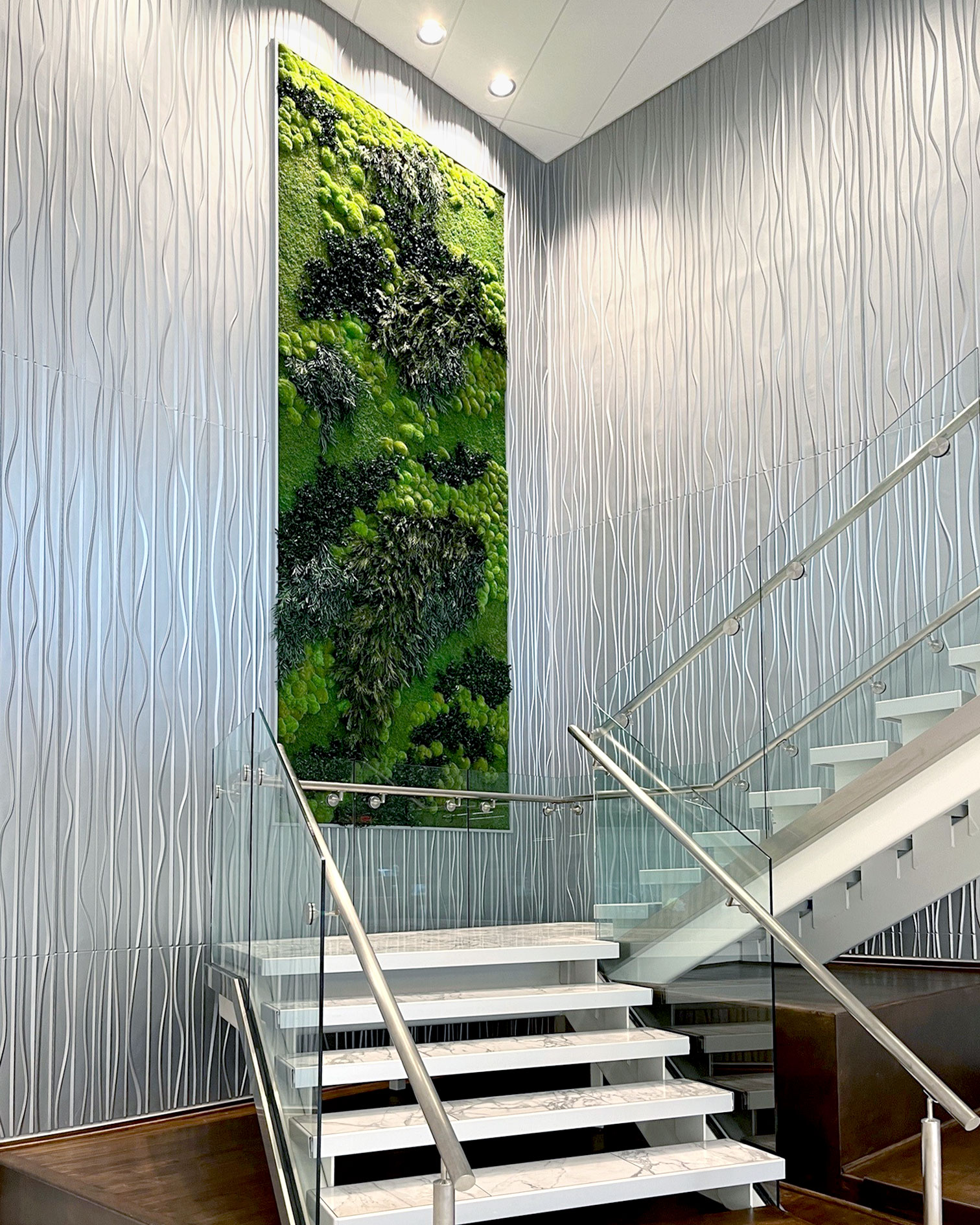
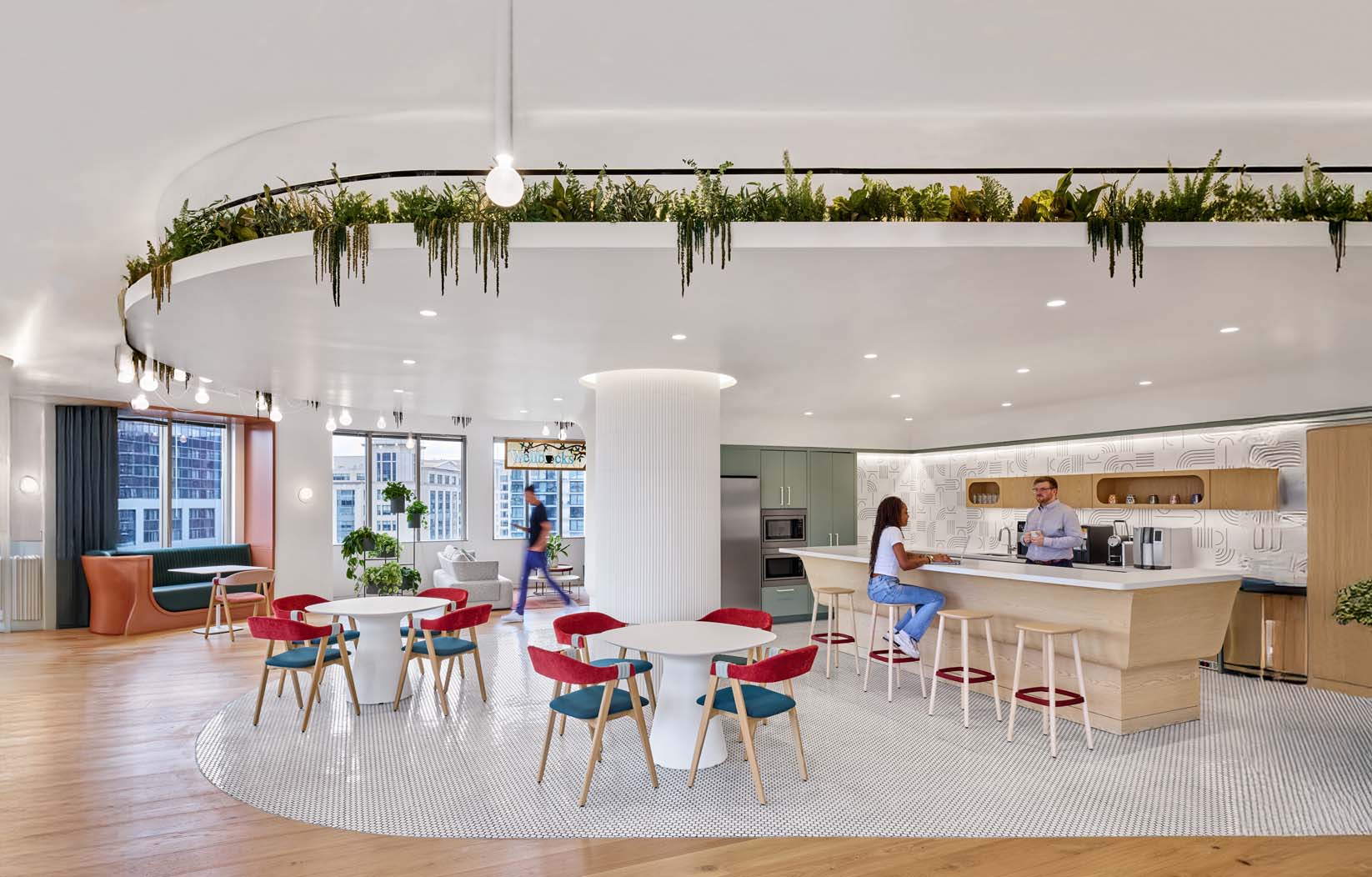
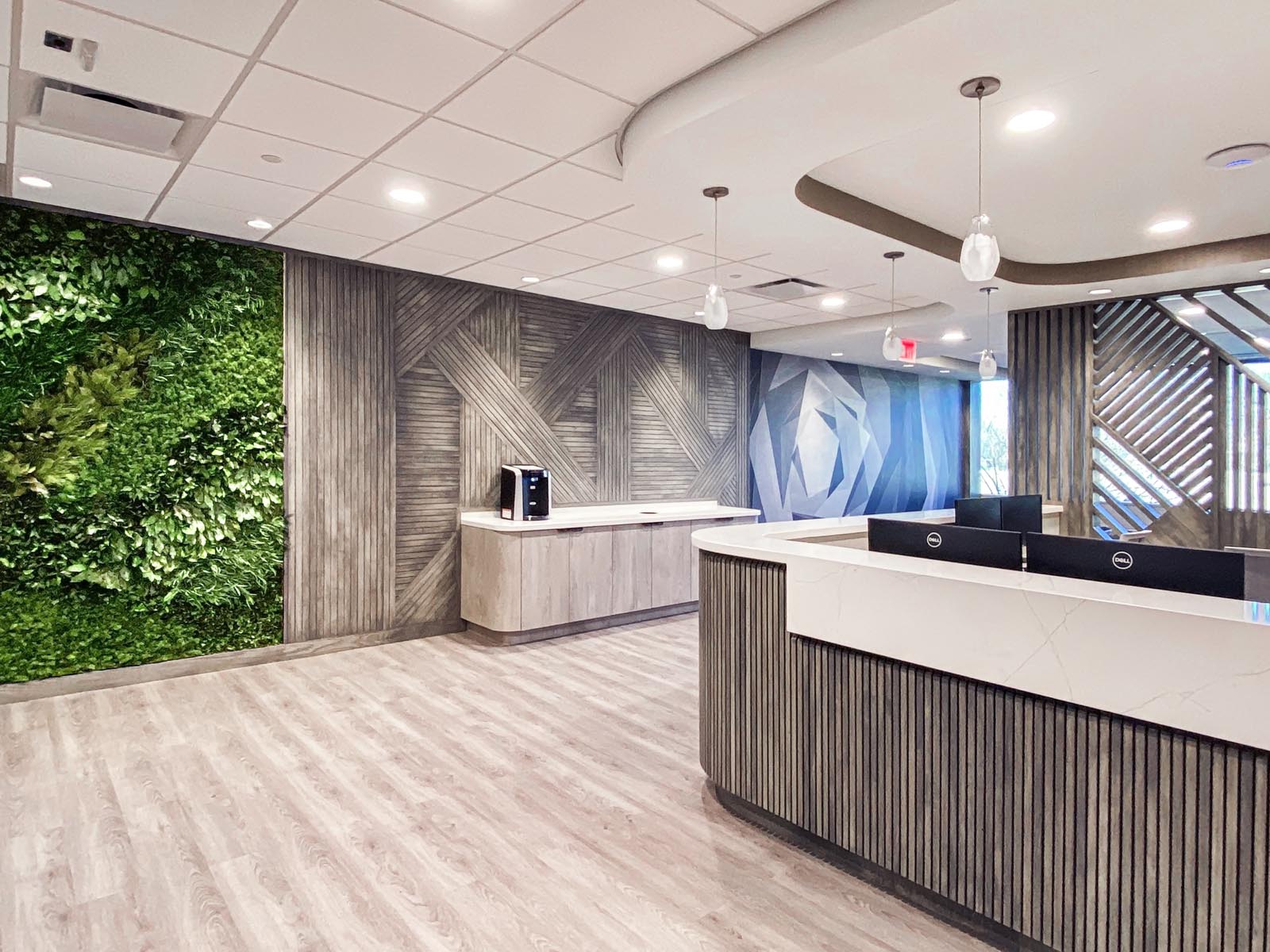
How Preserved Greenery Supports Patient Recovery in Healthcare Design

Key Takeaways Before You Read the Full Article:
30 Second Executive Summary
Evidence-based healthcare design demonstrates that preserved greenery does more than enhance aesthetics it measurably accelerates patient recovery and improves clinical outcomes. Through strategic integration of preserved gardens and moss walls, healthcare environments become active contributors to healing rather than passive backdrops to care.
💼 Clinical & Operational Impact: Healing as a Performance Metric
Preserved greenery reduces patient stress, shortens hospital stays, and lowers pain medication requirements while simultaneously supporting staff focus and resilience. These therapeutic environments improve satisfaction scores and operational efficiency without introducing maintenance or infection-control risks.
🔬 Research Foundation: Nature as a Clinical Intervention
Decades of research confirm that exposure to natural patterns regulates cortisol, improves immune response, and supports cardiovascular balance. Preserved gardens deliver these benefits consistently by maintaining authentic visual complexity without the risks associated with living systems.
🎯 Strategic Implementation: Safe, Scalable, and Compliant
Preserved installations integrate seamlessly into patient rooms, waiting areas, emergency departments, and staff wellness spaces. Their maintenance-free, tested, and compliant nature allows healthcare facilities to implement biophilic design without compromising safety or operations.
📊 Long-Term Value: Sustainable Therapeutic Environments
With lifecycles exceeding a decade and extendable beyond 20 years preserved greenery provides continuous therapeutic value while reducing replacement, maintenance, and disruption costs. Over time, these environments support better outcomes for patients, staff, and healthcare organizations alike.
Ready to see how evidence-based design can actively support healing? The full article explores how preserved greenery transforms healthcare spaces into measurable, health-generating environments.
Patients in rooms with preserved nature elements require 25% less pain medication and experience measurably shorter hospital stays. This isn't wishful thinking - it's the documented power of evidence-based design transforming healthcare outcomes through strategic integration of moss walls and preserved foliage gardens. As healthcare facilities embrace environments that actively promote healing rather than merely providing clinical functionality, preserved greenery elements emerge as infection-control compliant solutions that deliver measurable therapeutic benefits.
Clinical Evidence: Nature's Healing Power Quantified
Healthcare design directly impacts patient outcomes, staff performance, and overall healing experiences in ways that can be precisely measured and optimized. Research spanning decades demonstrates that thoughtfully designed spaces incorporating natural elements can reduce recovery times by 15-30%, lower medication requirements by up to 25%, and significantly improve patient satisfaction scores. Studies consistently show that exposure to preserved nature elements triggers profound physiological responses that support healing, with patients experiencing measurable reductions in cortisol levels, the primary stress hormone that impedes healing and immune function.
The cardiovascular benefits extend beyond immediate stress reduction, with research indicating that preserved garden installations help regulate heart rate variability, a key indicator of autonomic nervous system balance. This regulation supports the body's natural healing processes while reducing the likelihood of complications that extend hospital stays and increase treatment costs. Perhaps most remarkably, patients in rooms with preserved garden views demonstrate enhanced immune function markers, including increased natural killer cell activity and improved inflammatory response regulation, translating directly into faster wound healing and accelerated recovery trajectories.
Neuroaesthetics in Healing Spaces: The Brain Science of Recovery
The emerging field of neuroaesthetics reveals how our neural responses to aesthetic experiences significantly impact healing and recovery processes. When applied to healthcare environments enhanced with preserved gardens and moss walls, these principles create spaces that actively contribute to therapeutic outcomes through scientifically proven design interventions. Garden on the Wall®'s preserved installations trigger specific neural pathways associated with relaxation and healing, activating the release of beneficial neurochemicals including oxytocin while suppressing stress hormones that impede recovery.
The brain's response to preserved nature elements differs remarkably from artificial alternatives, as preserved installations maintain the authentic complexity and subtle variations that engage our evolved neural systems. Garden on the Wall®'s superior preservation techniques retain these critical characteristics while eliminating maintenance concerns that could introduce stress or contamination risks in clinical environments. Healthcare staff benefit equally from these neurological advantages, with medical professionals working in environments enhanced with preserved foliage reporting significantly lower burnout rates, improved focus during complex procedures, and enhanced job satisfaction that translates directly into better patient care quality.
Infection Control Excellence: Safety Without Compromise
Healthcare environments demand the highest safety standards, making preserved nature elements ideal solutions for therapeutic biophilic design. Unlike living plants that can harbor pathogens, allergens, or pests, Garden on the Wall®'s properly preserved installations maintain their therapeutic benefits while meeting stringent infection control protocols. Premium preserved gardens undergo comprehensive third-party testing to ensure they exceed healthcare safety requirements, including compliance with Healthy Hospitals Initiative standards, Class 1 and Class A flame spread ratings, and verification of zero volatile organic compound emissions.
The maintenance-free nature of preserved installations eliminates another potential source of contamination, with no soil, water, or ongoing care requirements meaning zero risk of introducing pathogens or allergens into clinical spaces. This allows healthcare facilities to capture the full therapeutic benefits of biophilic design without compromising their primary mission of patient safety. Garden on the Wall®'s Red List Free certification ensures that preserved garden systems contain no materials known to be harmful to human health, providing healthcare administrators with confidence that their therapeutic installations support rather than compromise patient outcomes.
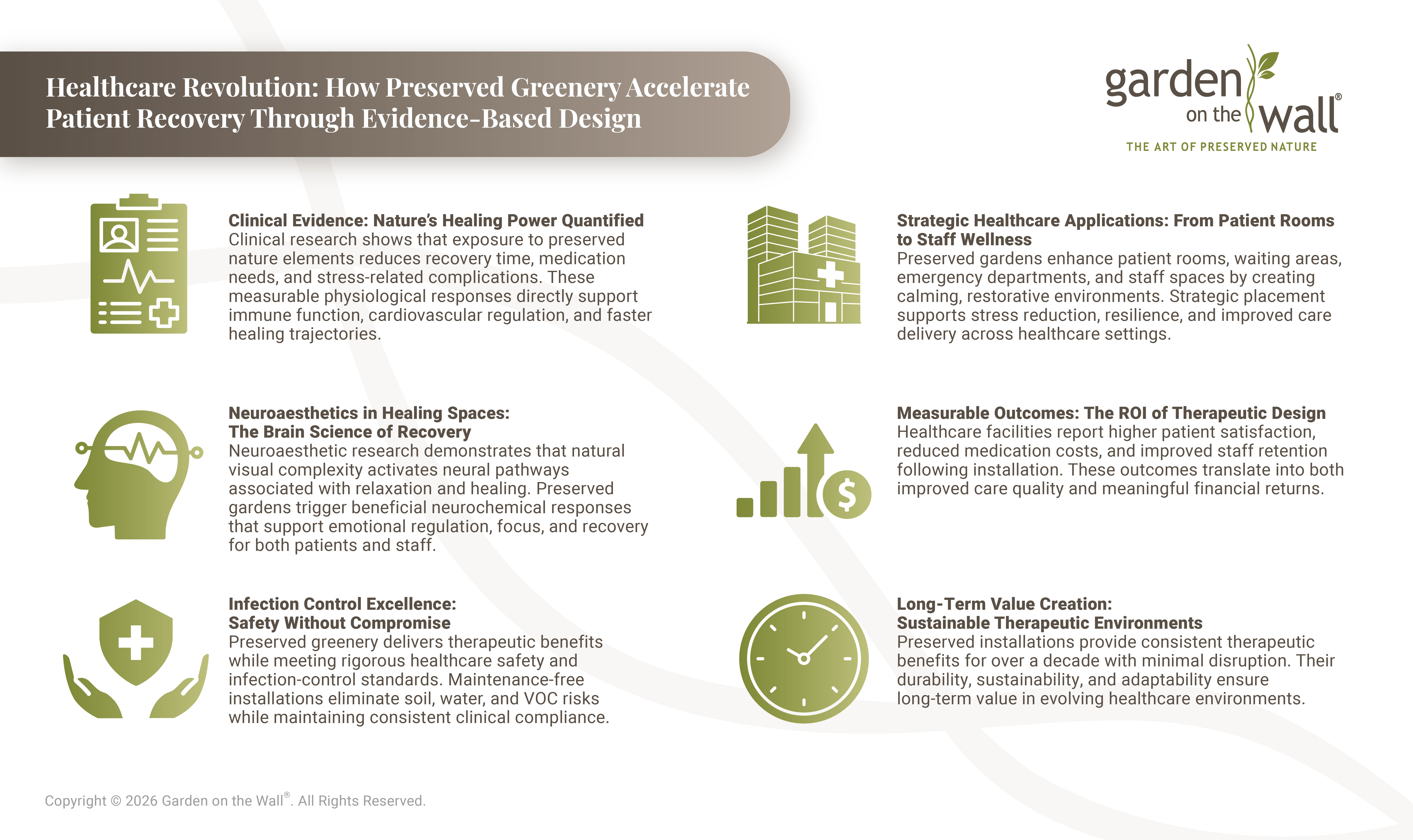
Strategic Healthcare Applications: From Patient Rooms to Staff Wellness
Healthcare facilities implement preserved gardens and moss walls strategically throughout their spaces to maximize therapeutic potential while maintaining operational efficiency. Patient rooms enhanced with preserved installations create immediate stress reduction environments that support faster recovery while providing families with more comforting spaces during difficult times. Waiting areas represent perhaps the most impactful application, where these high-anxiety environments benefit dramatically from visual connections to nature that help regulate stress responses during uncertain periods.
Staff wellness areas enhanced with moss walls and preserved foliage gardens become crucial for supporting healthcare worker resilience, providing opportunities for mental restoration between demanding procedures while helping prevent burnout. Emergency departments gain particular benefit from preserved garden installations that help create de-escalating environments, with the calming influence of natural elements reducing patient agitation while supporting staff focus during high-pressure situations. Research indicates that preserved nature elements in emergency settings correlate with reduced violence incidents and improved patient cooperation.
Measurable Outcomes: The ROI of Therapeutic Design
Healthcare facilities investing in preserved garden installations document significant returns across multiple metrics. Patient satisfaction scores improve by an average of 15-20% following installation, while staff retention rates increase measurably in departments enhanced with preserved nature elements. The financial benefits extend beyond soft metrics to hard cost savings, with reduced medication requirements translating into lower pharmaceutical costs while shorter average stays free up bed capacity and reduce overall treatment expenses.
Staff recruitment benefits become increasingly important as healthcare organizations compete for qualified professionals, with facilities enhanced with preserved installations gaining competitive advantages in attracting top talent who prioritize wellness-focused work environments. Garden on the Wall®'s award-winning aesthetic excellence provides healthcare facilities with installations that support both therapeutic outcomes and professional image enhancement. Insurance and liability benefits provide additional value as facilities with therapeutic design elements often qualify for reduced premiums based on improved safety records and patient outcomes.
Long-Term Value Creation: Sustainable Therapeutic Environments
Premium preserved garden installations deliver sustained therapeutic benefits for 10-12 years, with Garden on the Wall®'s rejuvenation programs extending lifecycles to 20+ years. This longevity ensures consistent therapeutic value while minimizing replacement costs and operational disruption in sensitive healthcare environments. The sustainability advantages align with healthcare's growing environmental consciousness, as preserved installations eliminate water consumption, chemical treatments, and ongoing maintenance visits that characterize traditional plant care.
Healthcare facilities gain future-proofing benefits as preserved gardens and moss walls adapt easily to changing space configurations without requiring specialized maintenance protocols or environmental conditions. This flexibility protects long-term investments while ensuring therapeutic benefits remain accessible throughout facility evolution. Garden on the Wall®'s expertise across over 1,880 projects provides healthcare facilities with proven strategies for implementing effective therapeutic environments that deliver measurable improvements in patient outcomes, staff wellness, and operational efficiency while maintaining the highest safety and sustainability standards.
For more information on this subject, read this article: Why Preserved Gardens are the Future of Biophilic Design in Architecture and other related information, please visit our website: www.gardenonthewall.com