Greening Perspectives in Commercial Interior Design with Biophilia

Key Takeaways Before You Read the Full Article:
30 Second Executive Summary
Biophilic design is revolutionizing commercial interiors by integrating nature into workplaces, healthcare facilities, retail, and hospitality environments. Preserved gardens and moss walls deliver natural beauty, wellness benefits, and sustainability while eliminating the complexity and upkeep of traditional living systems.
🔬 Research Foundation: Studies in neuroaesthetics and environmental psychology confirm that natural design elements boost productivity, creativity, and well-being. Preserved installations create stress-relieving “micro-restoration” moments without the allergens or maintenance of live plants.
💡 Innovation Edge: Preserved greenery offers 10–20+ years of use, compostable materials, and compatibility with LEED and WELL certifications, making it a low-maintenance and future-ready design solution.
📊 Performance Metrics: Biophilic design delivers measurable ROI through higher employee retention, reduced absenteeism, improved tenant attraction, and long-term cost savings compared to living walls.
🏗️ Project Integration: Customizable palettes, patterns, and layouts allow preserved gardens to align seamlessly with brand identity, enhance acoustics, define spaces, and meet building safety and accessibility requirements.
Ready to see how commercial interiors can nurture people and the planet?
The full article explores how preserved greenery creates environments that support wellness, sustainability, and performance, shaping the future of design.
In the evolving landscape of commercial interior design, a shift is underway that extends far beyond aesthetics. The integration of biophilic design is reshaping how we conceive and experience indoor spaces, reflecting a growing recognition of the deep connection between nature and human well-being.
As organizations prioritize wellness, productivity, and environmental responsibility, biophilic design has emerged as a powerful strategy. It’s not just about bringing the outdoors inside it’s about creating environments that support human flourishing.
Understanding Biophilia in Commercial Contexts
Biophilia, our innate affinity for nature, manifests differently in commercial spaces than in residential ones. In offices, retail, healthcare, and hospitality, natural elements must balance aesthetics with functionality, maintenance, and long-term sustainability.
Research in environmental psychology shows that exposure to natural elements improves employee performance, customer satisfaction, and overall well-being. Workers in biophilia-focused environments report up to 15% higher productivity and 25% greater comfort compared to traditional settings.
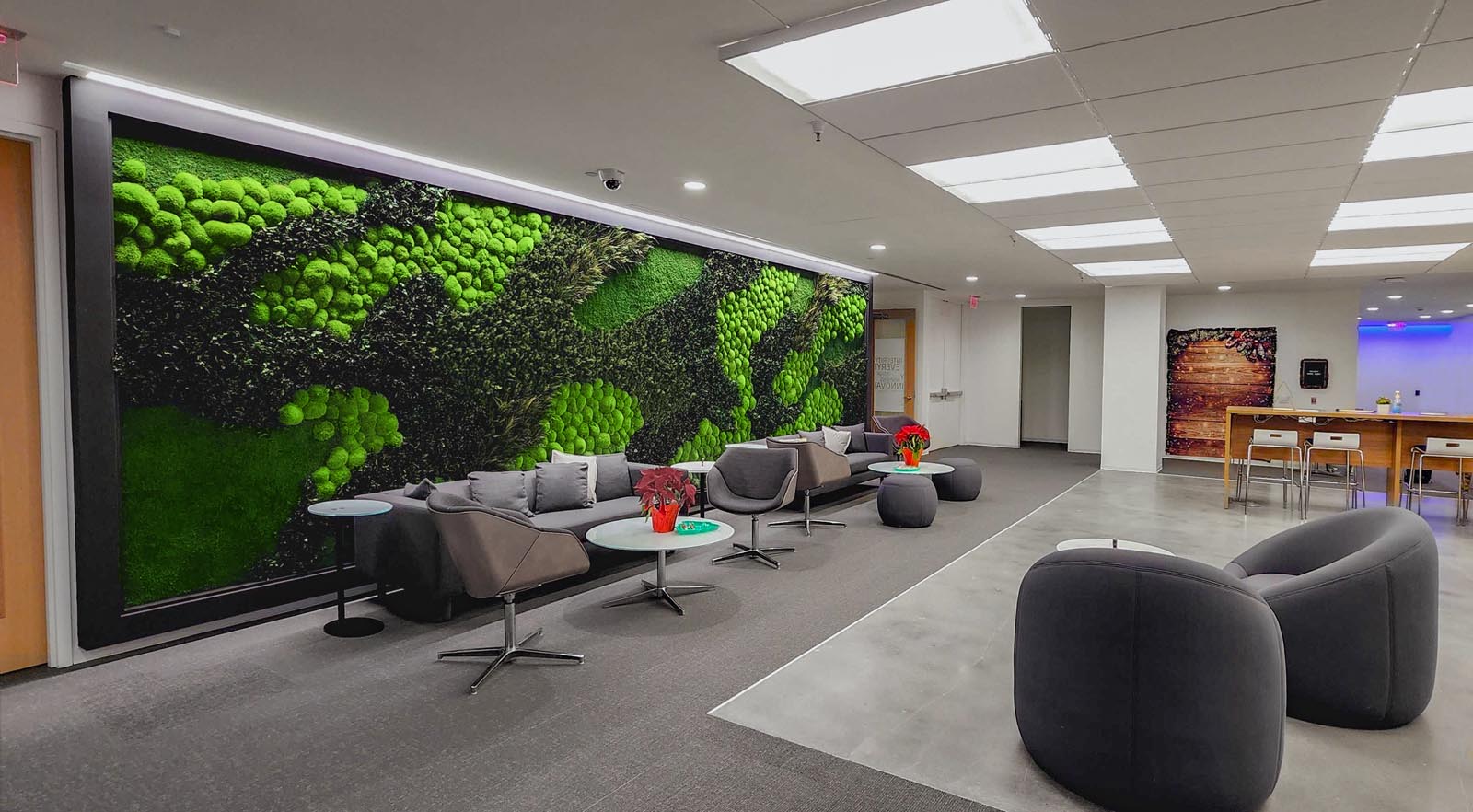
Commercial applications extend far beyond potted plants. Natural lighting, organic materials, and preserved gardens such as installations by Garden on the Wall® deliver nature’s benefits without the maintenance challenges of living systems.
The Evolution of Green Commercial Interiors
Green design in commercial spaces began with energy efficiency and waste reduction. Today, it embraces occupant health, psychological well-being, and environments that actively support human performance.
Preserved gardens and moss walls are a key advancement. Unlike living walls that demand irrigation, plant replacement, and specialized care, preserved installations provide the same aesthetic and psychological benefits while remaining simple to maintain.
Neuroaesthetics and Commercial Environments
Neuroaesthetics the study of how design affects the brain shows that natural forms, patterns, and textures activate neural pathways tied to restoration, creativity, and focus.
In commercial settings, these responses translate into measurable outcomes. Employees experience improved attention, reduced fatigue, and enhanced creativity. Retail customers spend more time in nature-rich environments and report higher satisfaction.
Strategically placed preserved gardens create “micro-restoration moments” brief encounters with nature that provide psychological relief during the day, especially valuable in high-stress workplaces.

Practical Applications Across Sectors
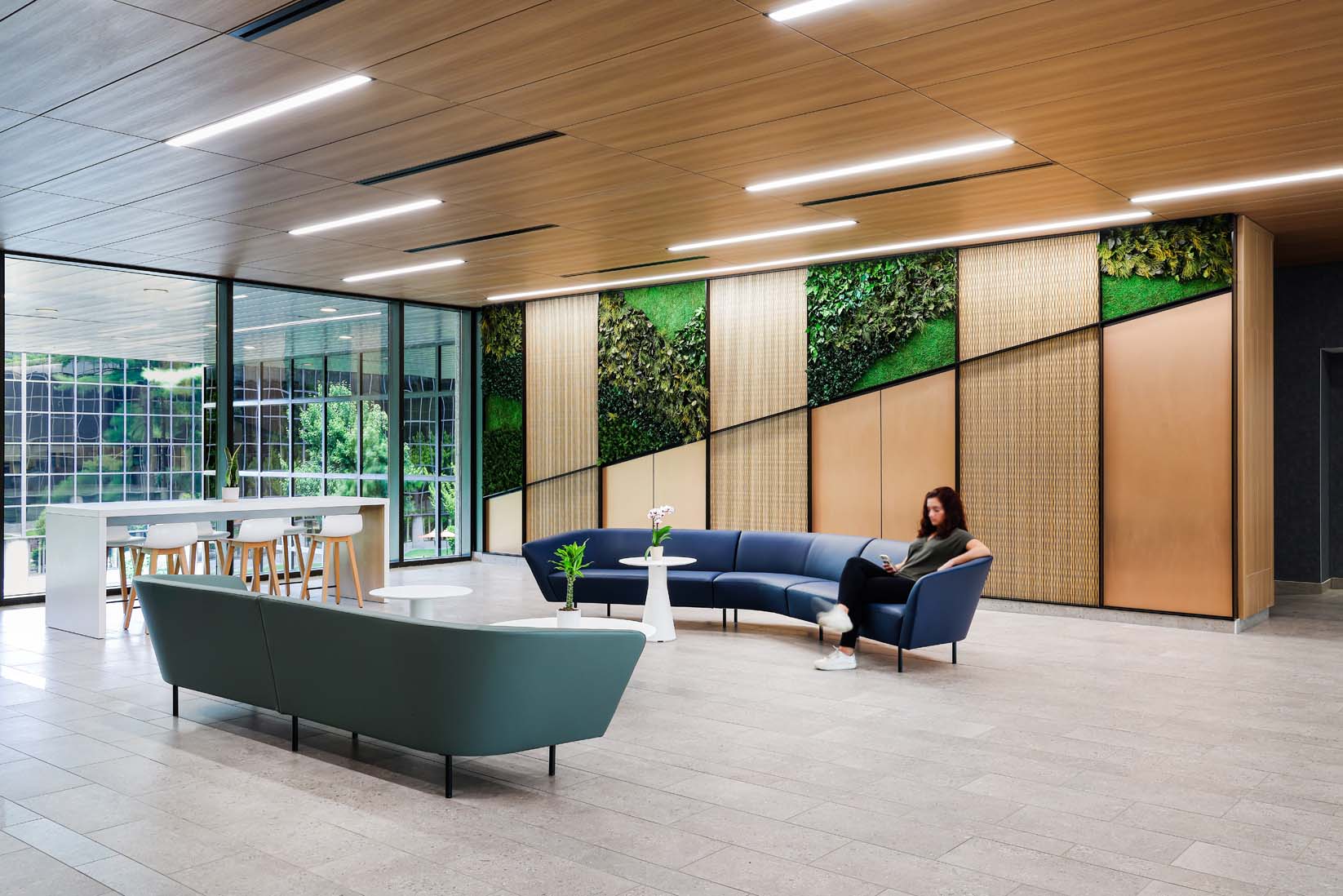
Biophilic design delivers unique benefits across multiple industries, from corporate offices to healthcare, retail, and hospitality. In workplaces, natural elements define zones, ease screen fatigue, and foster collaboration, while preserved gardens integrate seamlessly into lobbies, conference rooms, and break areas ideal for organizations with limited maintenance resources.
In healthcare, exposure to nature has been shown to reduce stress, lower blood pressure, and even accelerate recovery, while preserved gardens provide these restorative effects without concerns about soil, water, or allergens, making them safe for patient rooms, waiting areas, and staff spaces.
In retail and hospitality, biophilic design enhances brand identity, creates memorable customer experiences, and improves staff satisfaction; preserved gardens allow hotels, restaurants, and stores to differentiate their spaces and avoid the upkeep challenges of live plants in high-traffic environments.
The Economics of Biophilic Design
The financial case for biophilia goes beyond visual appeal. Companies investing in biophilic spaces see returns through higher performance, reduced absenteeism, and stronger talent retention.
When comparing total cost of ownership, preserved gardens often outperform living walls. While initial costs may be similar, the absence of watering, fertilizing, and plant replacement creates long-term savings. Trusted suppliers offering warranties—such as Garden on the Wall®’s seven-year coverage add further value.
Property owners also benefit, as biophilic features raise property values, attract tenants, and reduce vacancy rates.
Sustainability and Environmental Responsibility
Sustainability in biophilic design must consider material sourcing, manufacturing, transportation, and end-of-life recycling. High-quality preserved gardens support circular economy principles with extended lifespans of 10–12 years, extendable to 20+ years through rejuvenation programs. At end of life, preserved materials can be composted, minimizing waste.
Preserved installations eliminate the need for water, fertilizers, and pesticides associated with living systems, strengthening their environmental credentials. For buildings seeking LEED or WELL certification, they contribute points across multiple categories.
Design Integration and Implementation
Effective biophilic design requires alignment with overall design concepts and brand identity. Natural elements should enhance architectural features, not appear as add-ons.
Preserved gardens and moss walls provide extensive design flexibility, with customizable palettes, patterns, and compositions tailored to brand requirements. When placed thoughtfully, they serve multiple purposes: visual appeal, acoustic control, wayfinding, and space definition.
Implementation Strategies for Success
A successful approach balances immediate impact with long-term performance. Key strategies include:
- Conducting site analysis and understanding occupant needs.
- Starting with pilot projects in high-visibility areas such as lobbies or main corridors.
- Partnering with experienced providers familiar with HVAC, fire safety, and accessibility requirements in commercial environments.
Conclusion: A New Paradigm in Design
Biophilic principles in commercial interiors represent a fundamental shift toward human-centered, sustainable environments. Successful spaces now serve both business goals and occupant well-being.
As “green” design becomes synonymous with good design, the most impactful environments will seamlessly integrate natural elements to support health, performance, and sustainability across the lifecycle.
For organizations embracing this shift, preserved gardens and moss walls provide a practical entry point—delivering visual impact, long-term value, and adaptability to evolving needs.
The future of commercial interiors is about creating environments that nurture people while respecting nature. This is the essence of “greening perspectives”: recognizing the profound relationship between people, place, and the natural world.
For more information on this subject, read this article: Transforming Workspaces with Maintenance-Free Wall Gardens: Restorative Guide for Commercial Spaces and other related information, please visit our website: www.gardenonthewall.com