Designing for Client, and Designing for Climate
Key Takeaways Before You Read the Full Article:
30 Second Executive Summary
Balancing client satisfaction with climate-conscious design is increasingly critical in today’s architecture and interior design landscape. Preserved gardens and moss walls offer a sustainable, low-maintenance solution that delivers natural beauty while supporting long-term environmental goals.
🔬 Scientific & Design Foundation: Preserved nature elements provide biophilic benefits, enhance indoor environmental quality, and contribute to climate-responsive design strategies by improving insulation, regulating perceived temperature, and reducing resource consumption compared to living or artificial plants.
💡 Sustainable Design Mechanisms: These installations satisfy client aesthetic desires while aligning with eco-conscious principles. Their long lifespan, minimal maintenance requirements, and adaptability across climate zones make them versatile tools for sustainable interior environments.
📊 Measurable Benefits: Preserved gardens reduce waste, lower maintenance costs, maintain consistent visual appeal, and support client satisfaction all while minimizing environmental impact and extending lifecycle performance up to 20+ years with rejuvenation programs.
🏗️ Application Science: Strategic integration of preserved nature into interiors including smart lighting compatibility and lifecycle-focused provider selection ensures both environmental responsibility and enduring design quality, creating spaces that are beautiful, functional, and climate-conscious.
Ready to see how sustainable, client-centered design can transform interiors? The full article explores how preserved gardens and moss walls bridge aesthetic desires with climate responsibility, offering long-term value and ecological benefits.
Understanding Client Needs in Sustainable Design
Designing for both client satisfaction and climate responsibility requires a delicate balance of meeting immediate needs while considering long-term environmental impact. This approach necessitates a deep understanding of the client's requirements, coupled with an awareness of sustainable design practices. Preserved gardens and moss walls offer an innovative solution that can satisfy both client desires for natural aesthetics and the need for environmentally conscious design.
By incorporating preserved nature elements, designers can create visually stunning, nature-inspired spaces that resonate with clients' biophilic needs without the resource demands of living plants. This approach allows for the creation of lush, green environments in any setting, regardless of climate or maintenance limitations. Moreover, it opens up a dialogue with clients about the importance of sustainable design choices, potentially inspiring broader eco-conscious decisions throughout the project.
Climate-Responsive Design Strategies
Climate-responsive design is crucial in creating buildings that are not only comfortable for occupants but also energy-efficient and environmentally sustainable. This approach takes into account local climate conditions to optimize building performance. While traditional climate-responsive design often focuses on elements like building orientation and material selection, the integration of preserved nature elements can play a significant role in enhancing these strategies.
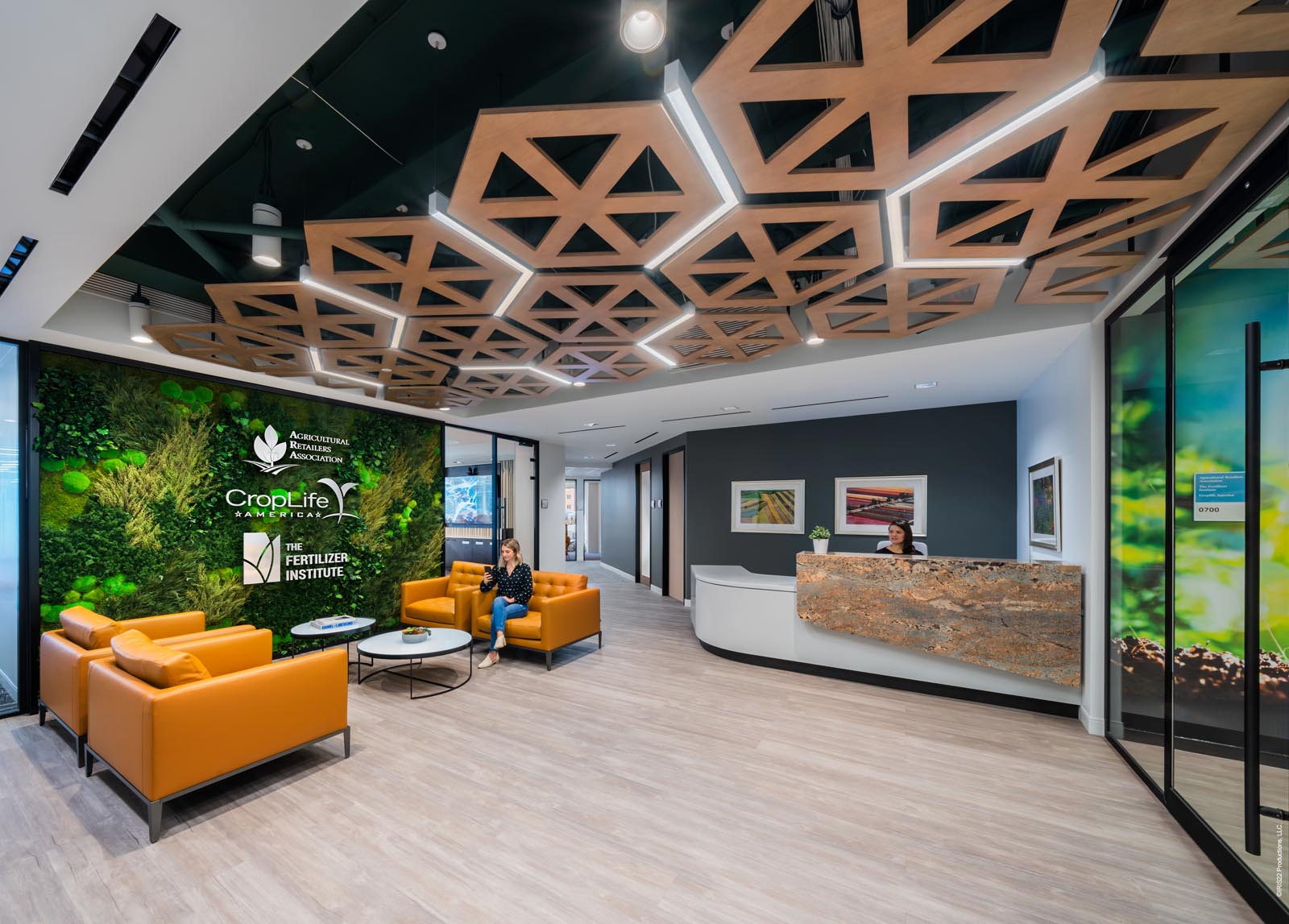
Preserved moss walls and planter inserts can contribute to climate-responsive design by providing additional insulation, helping to regulate indoor temperatures and reduce energy consumption. Unlike living green walls that require constant watering and maintenance, preserved nature elements offer these benefits without additional resource inputs. This makes them an ideal solution for creating climate-responsive interiors that align with both client aesthetic preferences and environmental considerations.
Balancing Aesthetics and Sustainability
One of the challenges in designing for both client and climate is finding solutions that are aesthetically pleasing while also being environmentally responsible. Preserved nature elements offer a unique way to bridge this gap. They provide the lush, vibrant appearance that many clients desire, while also aligning with sustainable design principles.
Unlike artificial plants that are often made from non-biodegradable materials, preserved plants are natural products that have been treated to maintain their appearance. This allows designers to create stunning biophilic interiors that satisfy client aesthetic preferences without compromising on sustainability. The long-lasting nature of preserved plants also means fewer replacements over time, further reducing the environmental impact of the design.
Adapting to Different Climate Zones
Designing for climate requires an understanding of different climate zones and their unique challenges. Preserved nature elements offer a versatile solution that can be adapted to various climate conditions. In hot, arid climates, preserved moss walls can create a cooling visual effect without the water demands of living plants. In cold climates, they can add a touch of greenery to interiors during long winter months when outdoor vegetation is scarce.
This adaptability allows designers to create consistent, nature-inspired environments across different geographic locations, which can be particularly valuable for clients with multiple properties or for businesses looking to maintain a cohesive brand aesthetic across various climate zones. By using preserved nature elements, designers can ensure that the benefits of biophilic design are accessible regardless of local climate conditions.

Educating Clients on Sustainable Choices
Designing for both client and climate often involves educating clients about the benefits of sustainable design choices. Preserved nature elements can serve as a tangible example of how eco-friendly options can also be aesthetically pleasing and functionally beneficial. This can open up conversations about other sustainable design choices, potentially influencing the client's decisions throughout the project.
Designers can use preserved gardens and moss walls as a starting point to discuss broader sustainability concepts, such as energy efficiency, resource conservation, and indoor environmental quality. By demonstrating how these elements contribute to both the visual appeal and environmental performance of a space, designers can help clients understand the value of holistic, climate-conscious design approaches.
Integrating Technology for Climate-Responsive Interiors
As technology continues to advance, there are increasing opportunities to create smart, climate-responsive interiors that integrate preserved nature elements. For example, preserved moss walls could be combined with smart lighting systems that adjust based on natural light levels, enhancing energy efficiency while maintaining the biophilic benefits of the installation.
Similarly, preserved nature elements could be incorporated into smart building management systems, contributing to overall climate control strategies. While the preserved plants themselves don't actively participate in air filtration or humidity control, their presence can be part of a broader system that optimizes indoor environmental conditions for both occupant comfort and energy efficiency.
Long-Term Sustainability and Lifecycle Considerations
When designing for both client and climate, it's essential to consider the long-term sustainability and lifecycle of design elements. Preserved nature installations offer significant advantages in this regard as long as the right providers chosen to execute these installations. While some providers offer 1 year warranty for their installations, the leading company Garden on the Wall offers 7 years warranty for their installations with life expectancy of 10 to 12 years. Long life cycle is directly related to sustainability, where the resources are used for long term and not wasted. With the rejuvenation technique they offer, Garden on the Wall also offers a rejuvenation program to increase the lifecycle of their moss walls and preserved gardens upto 20 plus years. This in itself is an unmatched proposition, not only making their installations the longest longevity, but also most sustainable use of resources, and last but not least offering the lowest cost of ownership for these installations. Unlike living plants that may need to be replaced regularly, or artificial plants that contribute to plastic waste, preserved plants provide along-lasting, low-impact solution.
Designers can discuss with clients the lifecycle benefits of preserved nature elements, including reduced maintenance costs, consistent appearance over time, and minimal waste generation. This long-term perspective aligns with climate-conscious design principles and can help clients understand the value of investing in sustainable design solutions.
Conclusion: Harmonizing Client Needs with Climate Responsibility
Designing for both client satisfaction and climate responsibility is not just a challenge but an opportunity to create spaces that are both beautiful and sustainable. By incorporating preserved nature elements like moss walls and gardens, designers can offer solutions that meet aesthetic demands while also contributing to environmentally conscious design practices.
As we face increasing environmental challenges, the ability to balance client needs with climate considerations will become ever more critical in the design industry. Preserved nature elements offer a promising pathway to achieve this balance, allowing for the creation of inspiring, nature-connected spaces that stand the test of time while minimizing environmental impact. This approach not only satisfies immediate design goals but also contributes to a more sustainable, climate-resilient future.
For more information on this subject and other related information, please visit our website: www.gardenonthewall.com