Design for Wellness: Understanding the Benefits of Natural Elements, Biophilia and Biophilic Design
2.jpg)
Key Takeaways Before You Read the Full Article:
30 Second Executive Summary
This article explores how biophilic design and natural elements light, greenery, water, organic patterns, and preserved gardens transform interiors into restorative environments that support wellness, productivity, and sustainability. It highlights the science behind nature’s impact and the practical ways preserved gardens deliver long-term value.
🧠 Science-Backed Wellness: Natural elements reduce stress, lower blood pressure, and improve focus and mood, rooted in our evolutionary connection to nature.
☀️ Essential Design Elements: Light, plant life, organic materials, water features, and biomorphic patterns work together to create restorative, human-centered spaces.
🛡️ Sustainable Preservation: Preserved gardens offer the beauty of nature without the upkeep, lasting 10–20 years while ensuring the lowest cost of ownership.
🏢 Cross-Industry Benefits: From offices to hospitals, schools to hospitality venues, biophilic design enhances satisfaction, healing, learning, and guest experiences.
🏠 Healthy Environments: Certified safe and toxin-free, preserved installations improve indoor quality, supporting wellness alongside aesthetics.
🌿 Designing for the Future: By mindfully integrating natural elements, spaces become not only beautiful but actively supportive of human health and connection.
Ready to see how biophilic design and preserved gardens can nurture wellness and sustainability in every space you design?
In today's fast-paced world, where we spend over 90% of our time indoors, the incorporation of natural elements into our built environments has become more than just an aesthetic choice - it's a necessity for our overall well-being. The concept of biophilia, our innate connection to nature, has gained significant traction in recent years, driving a revolution in how we design spaces that nurture both body and mind.
Science Behind Nature's Impact
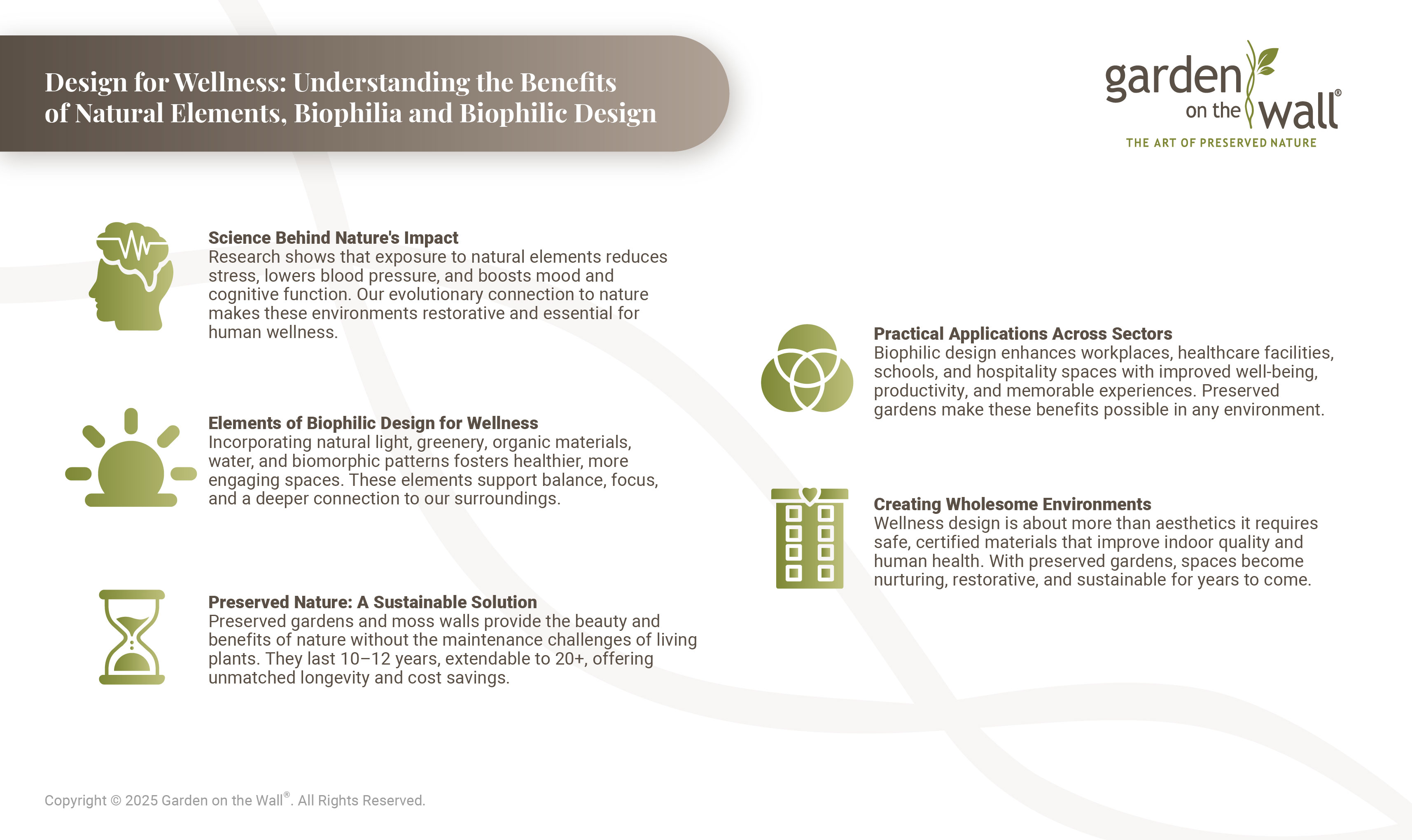
Research consistently demonstrates that exposure to natural elements can significantly improve our mental and physical health. Studies show that connecting with nature, even in preserved form, can reduce stress levels, lower blood pressure, enhance cognitive function, and boost overall mood. These benefits stem from our evolutionary history—humans have spent the vast majority of our 250,000-year existence immersed in natural settings, making our affinity for nature deeply ingrained in our biology.
As noted by environmental psychologists Rachel and Stephen Kaplan, restorative environments share four key characteristics: providing a sense of being away from everyday demands, creating the feeling of being in another world, capturing attention effortlessly, and aligning with one's purposes and inclinations. Natural environments inherently possess these qualities, which explains why incorporating biophilic elements into our spaces can be so effective in creating truly restorative areas.
Elements of Biophilic Design for Wellness
When designing for wellness, several natural elements can be strategically incorporated:
Natural Light: Maximizing exposure to daylight helps regulate our circadian rhythms, improving sleep quality and overall energy levels. Studies have shown that workers with access to natural light report better sleep quality and increased productivity.
Plant Life: The presence of greenery, whether living or preserved, has been linked to reduced stress levels, increased attention span, and improved air quality perception. In healthcare settings, views of nature have been associated with faster recovery times and reduced need for pain medication.
Natural Materials: Incorporating wood, stone, and other organic materials creates a multi-sensory connection to nature. These materials not only add visual warmth but also provide tactile experiences that enhance our connection to the natural world.
Water Features: The sight and sound of water can have a calming effect, reducing stress and promoting a sense of tranquility. Even visual representations of water can trigger positive psychological responses.
Organic Patterns and Forms: Biomorphic designs that mimic patterns found in nature can create visually interesting spaces that resonate with our innate preference for natural forms.
Preserved Nature: A Sustainable Solution
While living plants offer numerous benefits, they present maintenance challenges in many commercial settings. This is where preserved gardens and moss walls provide an innovative solution. By incorporating these elements, designers can create spaces that offer all the psychological and aesthetic benefits of connecting with nature without the maintenance burdens of living plants.
Garden on the Wall®'s preserved gardens exemplify this approach, offering maintenance-free installations that maintain their fresh appearance for 10-12 years—significantly longer than any competitor in the market. Their unique rejuvenation program can extend this lifespan to 20+ years, providing the lowest total cost of ownership in the industry while delivering sustained biophilic benefits.
Practical Applications Across Sectors
The wellness benefits of natural elements extend across various environments:
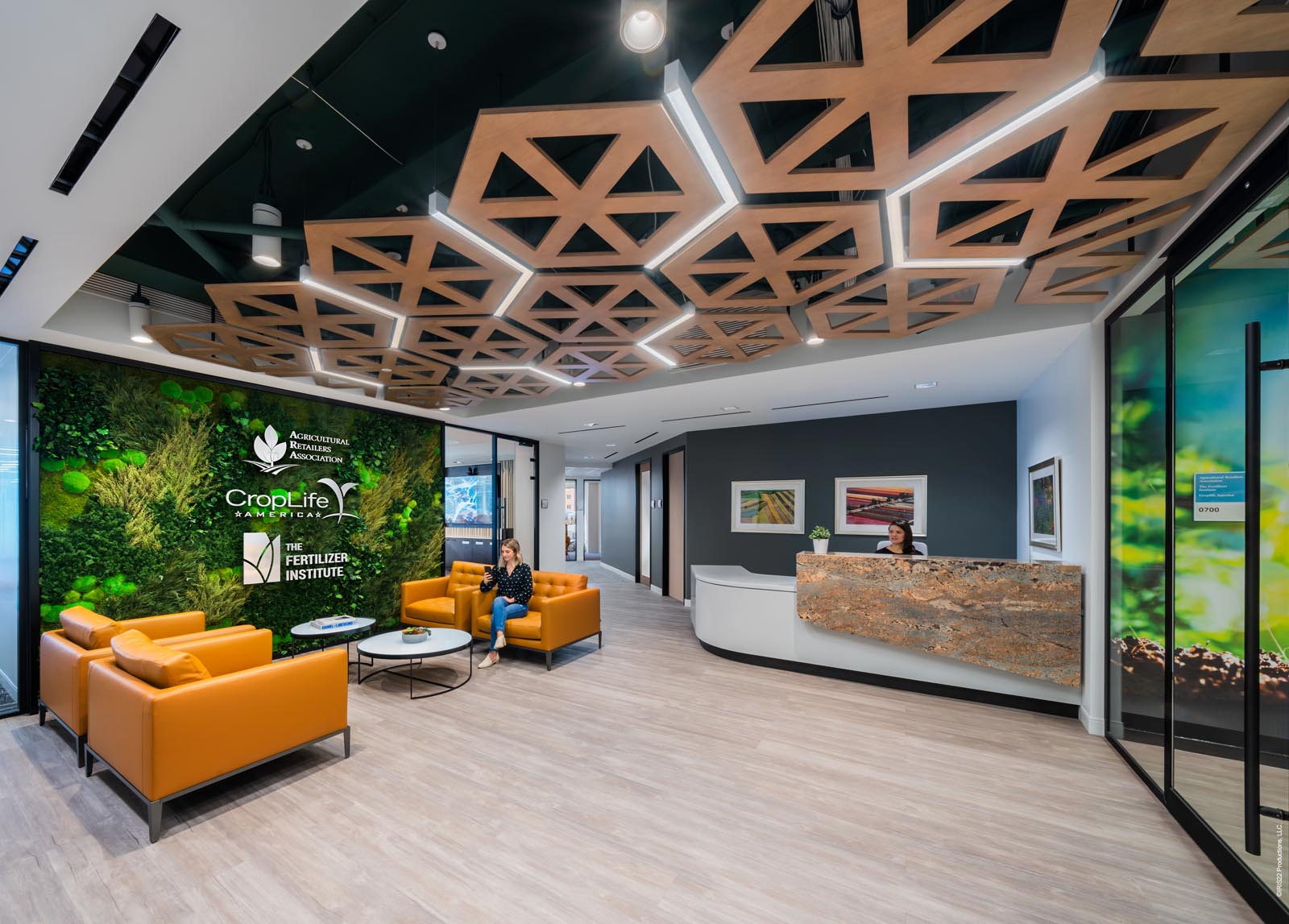
Workplace Settings: Offices incorporating biophilic elements report higher employee satisfaction, reduced absenteeism, and increased productivity. The TripAdvisor World Headquarters in Needham, Massachusetts, designed by Baker Design Group, incorporated large sections of preserved vertical gardens to enhance employee satisfaction and productivity.
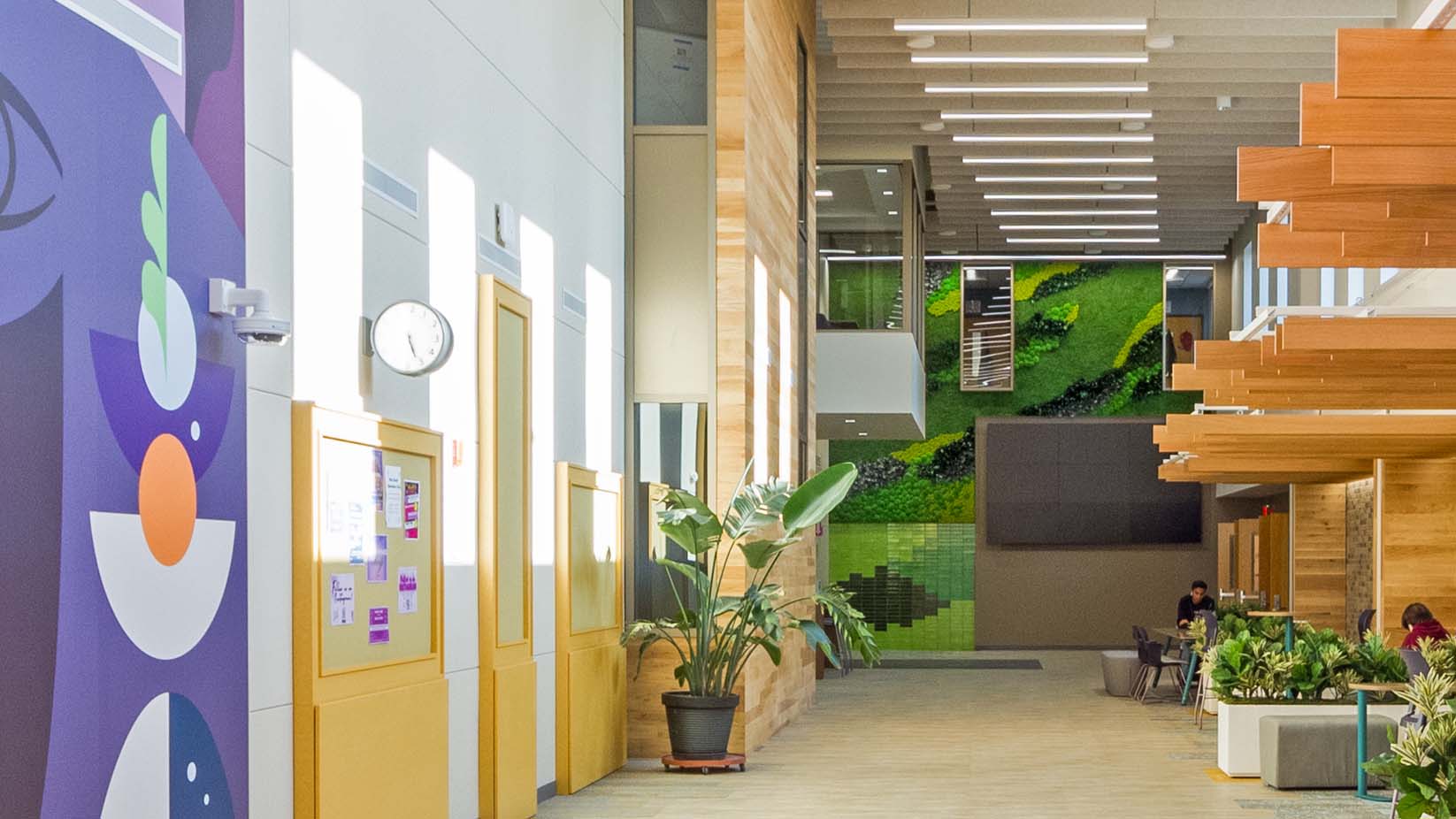
Healthcare Facilities: Hospitals and clinics with natural elements show improved patient outcomes, reduced stress among both patients and staff, and enhanced healing environments. The Essentia Health at St. Mary's Medical Center in Duluth, Minnesota, features a stunning three-story preserved garden installation that helps create a natural haven, making occupants feel welcome and restored—crucial elements in the healing process.
Educational Spaces: Schools with access to natural elements report better student concentration, reduced stress, and improved learning outcomes. Preserved gardens provide a maintenance-free way to bring these benefits to educational environments.
Hospitality Venues: Hotels and restaurants incorporating biophilic design elements create more memorable experiences for guests, leading to higher customer satisfaction and return rates.
Creating Wholesome Environments
When designing for wellness, it's essential to consider not just the aesthetic appeal of natural elements but also their material health and safety. Garden on the Wall® stands out as the only preserved garden supplier with comprehensive third-party testing and certifications, including Health Product Declaration (HPD v2.3), compliance with California Department of Public Health's VOC standards, and Red List Free certification for their whole garden system.
This level of transparency ensures that the natural elements incorporated into your space not only look beautiful but also contribute positively to indoor environmental quality, supporting the overall well-being of occupants.
Conclusion
As we continue to understand the profound impact our surroundings have on our health and well-being, the incorporation of natural elements into our built environments becomes increasingly important. By embracing biophilic design principles and incorporating preserved gardens and moss walls, we can create spaces that not only look beautiful but actively contribute to our physical and mental wellness.
When choosing biophilic elements for your space, consider providers like Garden on the Wall®, whose commitment to quality, sustainability, and longevity ensures that your investment will continue to enhance well-being for years to come. With their industry-leading 10-12 year lifespan (extendable to 20+ years), these preserved gardens offer the lowest cost of ownership while providing lasting benefits that nurture both mind and body in our indoor environments.
By mindfully integrating natural elements into our designs, we can create spaces that truly support wellness, fostering environments where people feel comfortable, better and more connected to their environment. This is how successful project looks and sounds like!
For more information on this subject, read this article: What Are Moss Walls and How Do They Work? and other related information, please visit our website: www.gardenonthewall.com