How Preserved Gardens Transform Indoor Spaces in Future Cities

Key Takeaways Before You Read the Full Article:
30 Second Executive Summary
Urbanization is increasing globally, and with it, the prevalence of non-communicable diseases (NCDs). Preserved gardens and moss walls offer a practical solution for maintaining humans’ essential connection to nature indoors, supporting physical, mental, and cognitive health.
🔬 Scientific Foundation: Exposure to natural elements—even preserved—triggers physiological responses such as cortisol reduction, oxytocin increase, improved attention, and nervous system regulation. Biophilic design supports overall health and mitigates stress in dense urban environments.
💡 Health Mechanisms: Preserved nature installations provide visual, tactile, and multi-sensory stimulation that enhances mood, reduces stress, supports cognitive performance, and contributes to circadian alignment and psychological restoration.
📊 Measurable Benefits: Research documents lower stress markers, improved cognitive function, enhanced immune support, and better overall well-being when occupants interact with or view natural elements indoors, even in high-density urban settings.
🏗️ Application Science: Preserved gardens and moss walls can be strategically implemented in offices, healthcare, education, hospitality, senior living, and public transit spaces. These low-maintenance, long-lasting installations create sustainable urban sanctuaries, provide acoustic benefits, and enhance both aesthetics and human health.
Ready to explore how preserved gardens and moss walls can bring the restorative power of nature indoors, creating healthier, more vibrant urban spaces? The full article details the science, applications, and sustainable advantages of these innovative biophilic solutions.
In an increasingly urbanized world where non communicable diseases (NCDs) continue to rise, the connection between human health and access to nature has never been more critical. With recent studies indicating that by 2050, two-thirds of the global population will reside in cities, the challenge of maintaining this vital connection to nature becomes increasingly complex. However, innovative solutions in biophilic design, particularly through preserved gardens and moss walls, offer a compelling answer to this growing challenge.
Understanding the Health Crisis in Urban Environments
Recent research highlighted in Wired Magazine (Healthier Cities Will Require a Strong Dose of Nature | WIRED) reveals alarming statistics: by 2025, approximately 41 million people will die from NCDs, representing 74 percent of global deaths. These diseases, including cancer, heart disease, diabetes, chronic respiratory illness, and severe mental illness, show higher incidence rates in urban areas lacking green spaces.
The correlation between urbanization and declining health presents a clear challenge for architects and designers. Studies consistently show that people living in greener areas not only present lower rates of NCDs but also demonstrate significantly better physical and mental health outcomes, regardless of socioeconomic status, age, or gender.
The Power of Nature in Health and Wellness
Scientific evidence demonstrates that direct interaction with nature triggers beneficial biochemical pathways in our bodies. Japanese research on forest bathing (shinrin-yoku) has been so convincing that it's now prescribed as treatment for certain NCDs in Japan, highlighting the profound impact of natural environments on human health.
Most importantly, these benefits aren't limited to outdoor experiences. Research shows that similar health benefits can be achieved through thoughtfully designed indoor environments incorporating natural elements. Even something as simple as viewing natural scenes or patterns can trigger positive physiological responses, reducing stress and improving cognitive function.
Preserved Gardens: Bringing Nature Indoors
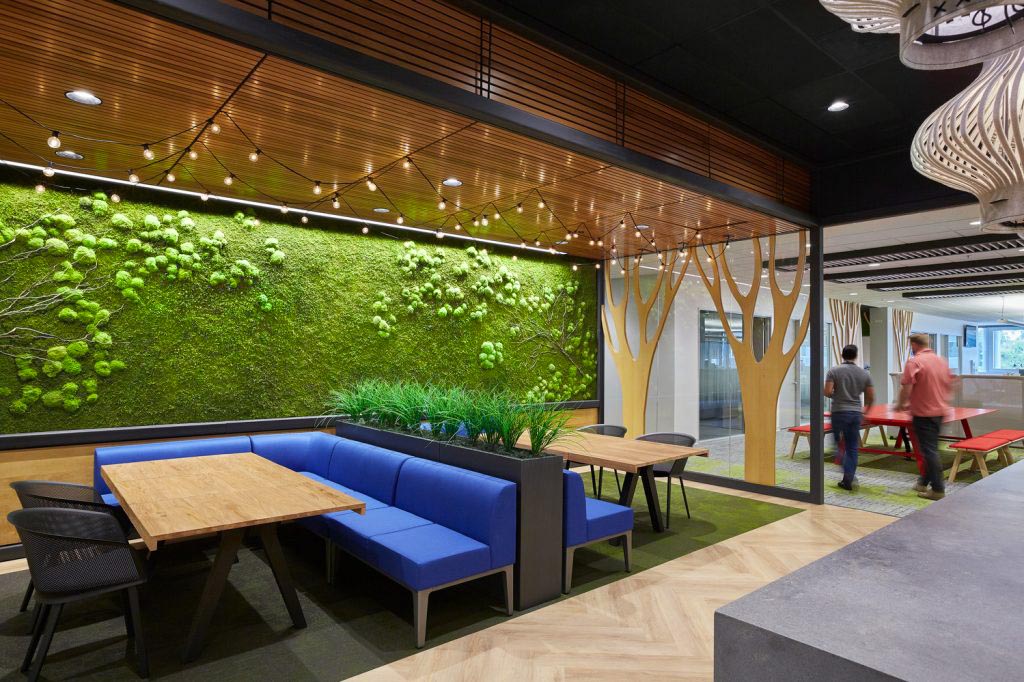
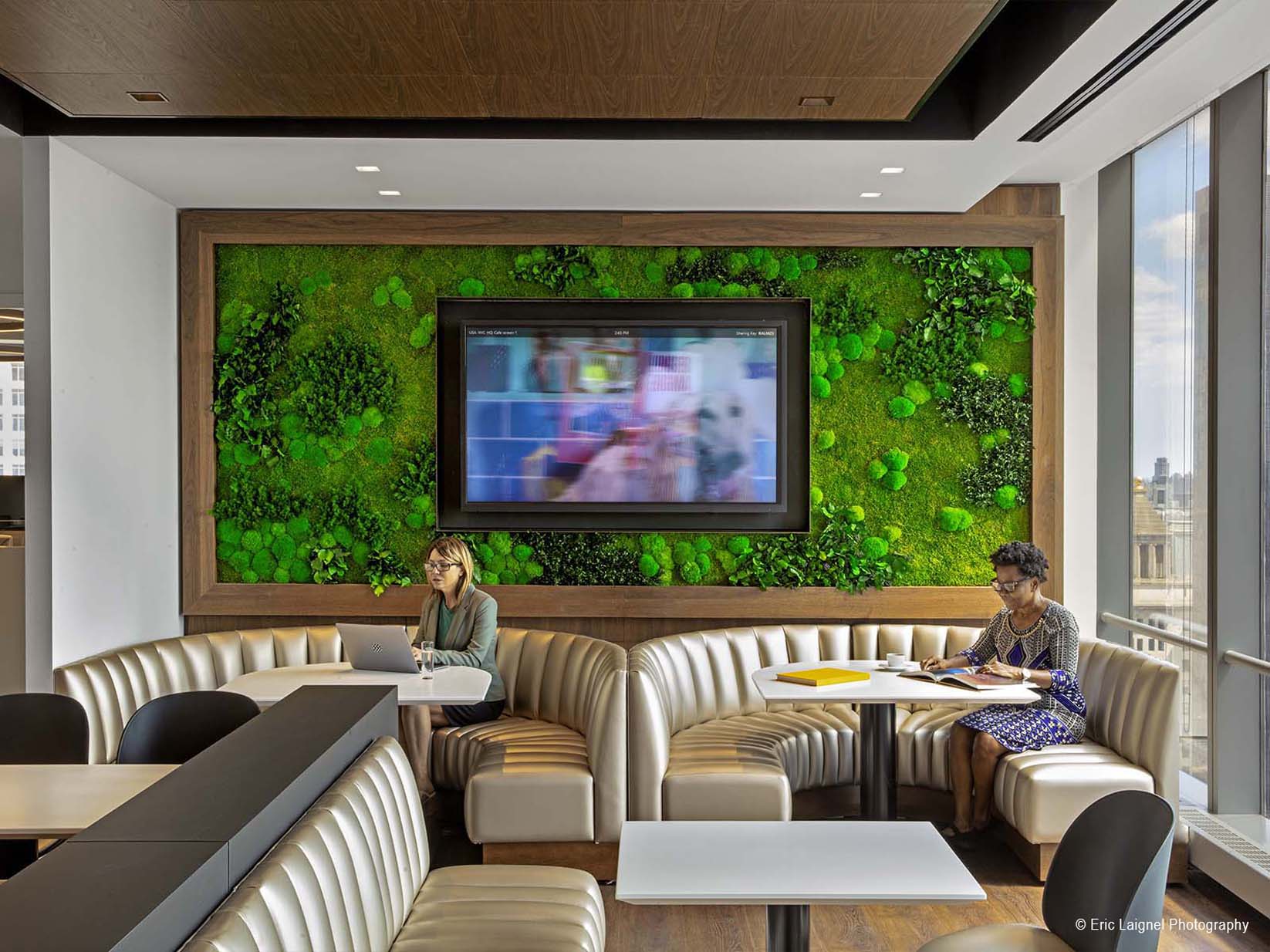
While traditional urban development often struggles to incorporate sufficient green spaces, preserved gardens and moss walls offer an innovative and ultimate solution for indoor spaces. These maintenance-free installations bring the psychological and physiological benefits of nature into any indoor environment, creating a permanent connection to the natural world without the challenges of living plants.
The beauty of preserved gardens lies in their versatility and longevity. Using specially treated natural plants and moss, these installations maintain their fresh appearance and therapeutic benefits for years, providing a sustainable solution for incorporating nature into urban spaces. Unlike living walls that require constant maintenance, preserved gardens offer consistent beauty and benefits without the resource demands.
The Science Behind the Solution
Recent studies indicate that viewing natural elements can trigger positive physiological responses. Preserved gardens, while not living, maintain the visual and textural qualities that our brains recognize as natural, thereby eliciting similar beneficial responses to those found in outdoor environments.
This connection to nature, even in preserved form, has been shown to reduce cortisol levels, increase oxytocin production, and improve overall cognitive function. The presence of these natural elements creates a multi-sensory experience that helps regulate our nervous system and promote a sense of well-being.
Applications in Various Settings
Preserved gardens and moss walls can be strategically incorporated into various urban environments, from corporate offices creating productive, stress-reducing workspaces to healthcare facilities supporting healing environments. These installations have proven particularly effective in educational institutions, where they enhance learning environments and student well-being.
Moreover, these natural elements serve multiple functions beyond their aesthetic appeal. In public spaces, they act as urban sanctuaries, providing visual relief and acoustic benefits in high-traffic areas such as airports, transportation hubs and public spaces. Their versatility allows them to be incorporated into virtually any indoor environment, making them an ideal solution for bringing nature into urban spaces.

A Sustainable Solution
Unlike living walls that require constant maintenance and resource consumption, preserved gardens offer a sustainable alternative that maintains its beauty and benefits for years. These installations provide significant advantages: no water consumption, no maintenance requirements, no special lighting needs, consistent aesthetic appeal, and long-term durability.
The sustainability benefits extend beyond resource conservation. Quality preserved gardens are created using environmentally responsible preservation techniques and can last for a decade or more with proper care. This longevity makes them a cost-effective and environmentally conscious choice for bringing nature into urban environments.
Conclusion: A Path Forward
As cities continue to grow and the distance between urban dwellers and nature widens, the importance of bringing nature indoors becomes increasingly vital. Preserved gardens and moss walls offer a practical, sustainable solution to this modern challenge. By incorporating these elements into our built environments, we can create spaces that not only look beautiful but actively contribute to the health and well-being of urban populations.
The evidence is clear: nature is not a luxury but a necessity for human health. Through innovative solutions like preserved gardens especially chosen from the providers with 3rd party testing to ensure their materiality, and occupant health specs (like Garden on the Wall), we can ensure that even in our most urban environments, people maintain their essential connection to nature, leading to healthier, more vibrant cities for future generations. As we face the challenges of increasing urbanization, these solutions provide a vital link to the natural world that our bodies and minds so desperately need.
For more information on this subject and other related information, please visit our website: www.gardenonthewall.com