Building Better Spaces: The Integration of Nature in Commercial Design
Key Takeaways Before You Read the Full Article:
30 Second Executive Summary
Building better spaces through nature integration in commercial design using preserved moss walls creates environments that support business objectives while enhancing occupant wellness through strategic biophilic implementation.
💼 Business Enhancement: Nature integration in commercial spaces supports business goals through improved employee performance, enhanced customer satisfaction, increased space value, and competitive differentiation that drives measurable business results.
🔬 Research Foundation: Commercial design research validates that spaces with natural elements demonstrate superior performance metrics including productivity, satisfaction, retention, and customer engagement compared to conventional environments.
🏗️ Project Integration: Preserved nature installations integrate seamlessly into various commercial applications including offices, retail, healthcare, and hospitality while providing scalable solutions that adapt to different business requirements.
📊 Performance Metrics: Commercial spaces with integrated nature demonstrate improved occupant satisfaction, enhanced environmental comfort, increased space utilization, and elevated brand perception that supports business objectives.
Ready to build better commercial spaces through strategic nature integration? The complete article reveals how preserved gardens enhance business performance while creating environments that support both human wellness and commercial success.
Building Better Spaces: The Integration of Nature in Commercial Design
The landscape of commercial design is undergoing a profound transformation. Beyond functionality and aesthetics, today’s most successful spaces integrate nature deliberately and strategically. This shift is driven by mounting evidence that biophilic design incorporating natural elements into built environments delivers measurable benefits for businesses, employees, customers, and the built environment itself. From retail to corporate offices, healthcare to hospitality, the integration of nature is redefining what makes a space truly successful.
The Business Case for Nature in Commercial Design
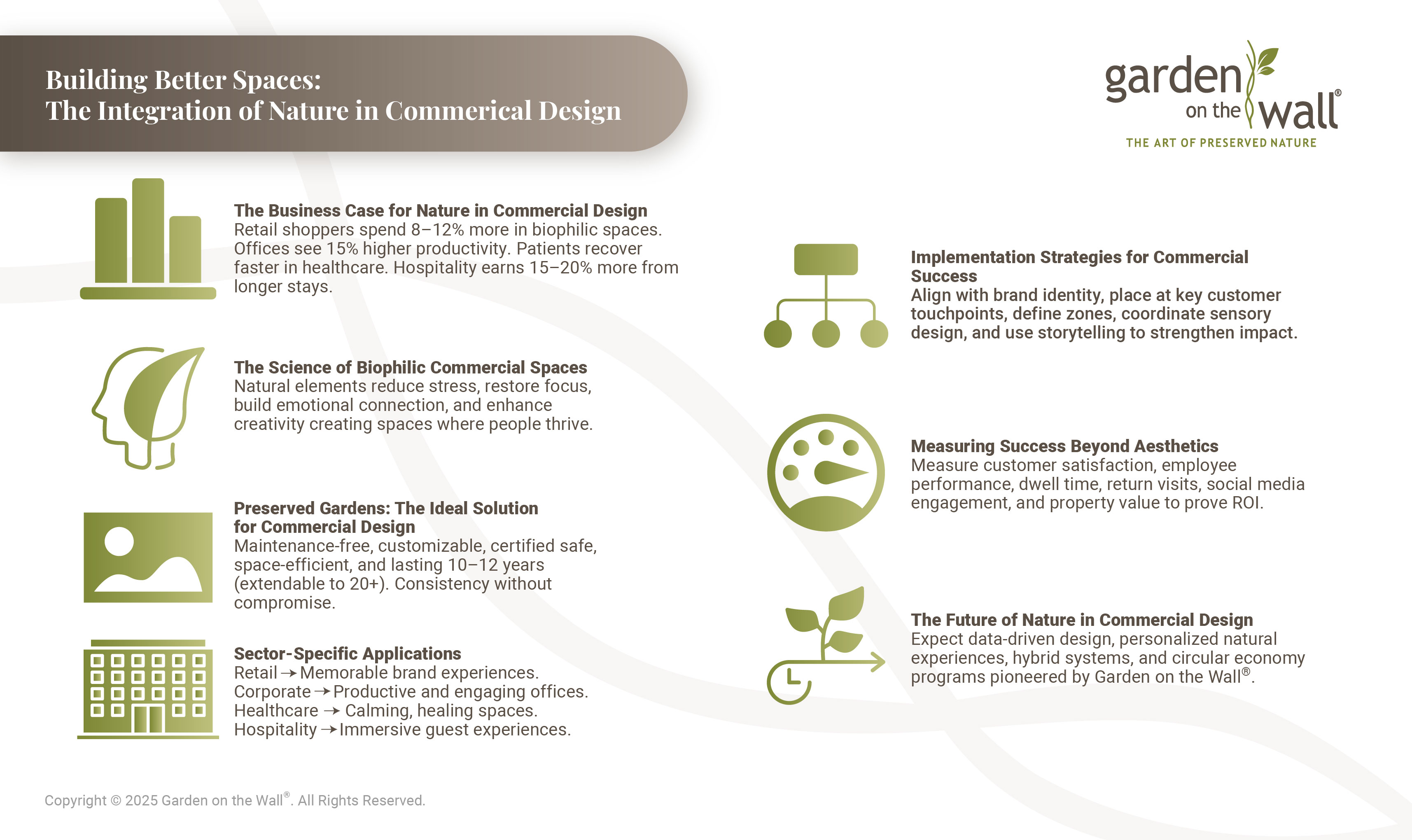
Natural elements in commercial spaces are increasingly viewed as a sound business strategy. Research highlights strong ROI from biophilic design. In retail, studies from the University of Washington show that customers perceive businesses with natural features as offering higher-quality products, with shoppers willing to pay 8–12% more. Workplaces with natural elements see significant boosts as well. Research published in the Journal of Experimental Psychology found that employees in biophilic environments experienced a 15% increase in productivity an impact that can translate to millions in revenue for large organizations. In healthcare, patients with views of nature recover faster, require less pain medication, and experience shorter hospital stays by nearly 9%, according to research in Science. Hospitality venues also benefit from this approach, with natural elements increasing customer dwell time and raising food and beverage revenue by 15–20%. Together, these outcomes show that biophilic design is no longer a luxury but a strategic necessity.
The Science of Biophilic Commercial Spaces
The effectiveness of natural elements is rooted in our neurological and psychological responses to nature. Exposure to greenery reduces cortisol and activates the parasympathetic nervous system, lowering stress and creating environments where people feel more comfortable. At the same time, nature supports attention restoration by offering “soft fascination,” allowing mental focus to recover an invaluable benefit in commercial spaces where decision-making and information processing are constant. Natural elements also foster emotional connections with spaces, creating positive brand associations that often last longer than those formed in conventional settings. Additionally, studies show improved creativity, memory, and problem-solving in biophilic environments, directly boosting both employee performance and customer experiences. By addressing these psychological mechanisms, designers move beyond aesthetics and create spaces that actively support human well-being.
Preserved Gardens: The Ideal Solution for Commercial Design
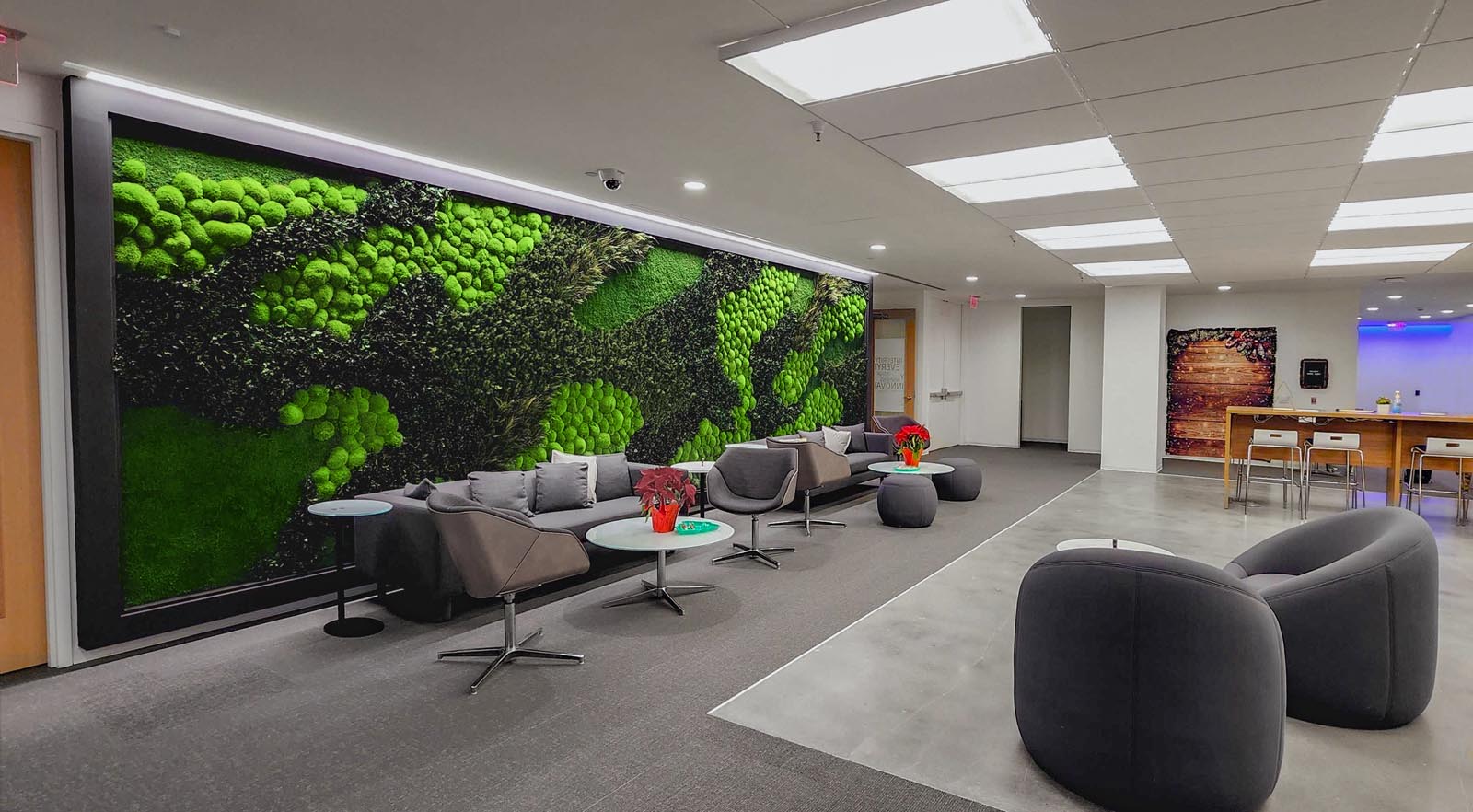
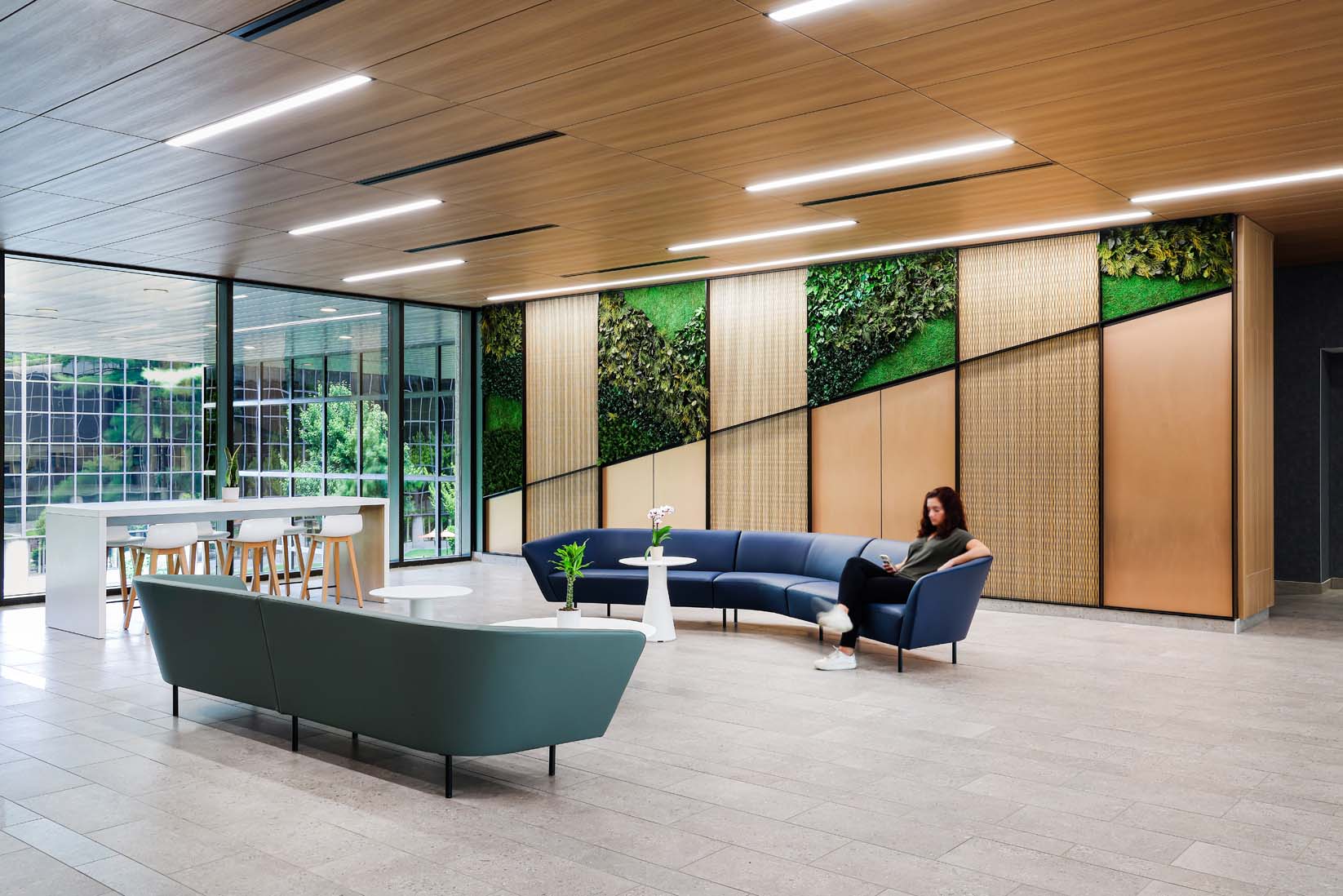
While there are many ways to introduce natural elements into design, preserved gardens and moss walls offer unmatched advantages in commercial settings. Garden on the Wall® provides installations that are maintenance-free, requiring no watering, pruning, or special lighting, which ensures consistent performance without disruption. These installations are also highly customizable, allowing designers to integrate brand colors, logos, and themes to reinforce identity while delivering the benefits of nature. Unlike many natural design features, GOTW’s preserved gardens are engineered for longevity, lasting 10–12 years and extendable to over 20 years with their rejuvenation program well beyond industry standards. Importantly, they are the only preserved gardens tested with third-party certifications, including HPD v2.3 and compliance with California’s VOC standards, supporting health-focused design goals. By maximizing vertical space, they deliver high-impact natural elements without compromising valuable floor area, making them especially suited to dense urban environments.
Sector-Specific Applications
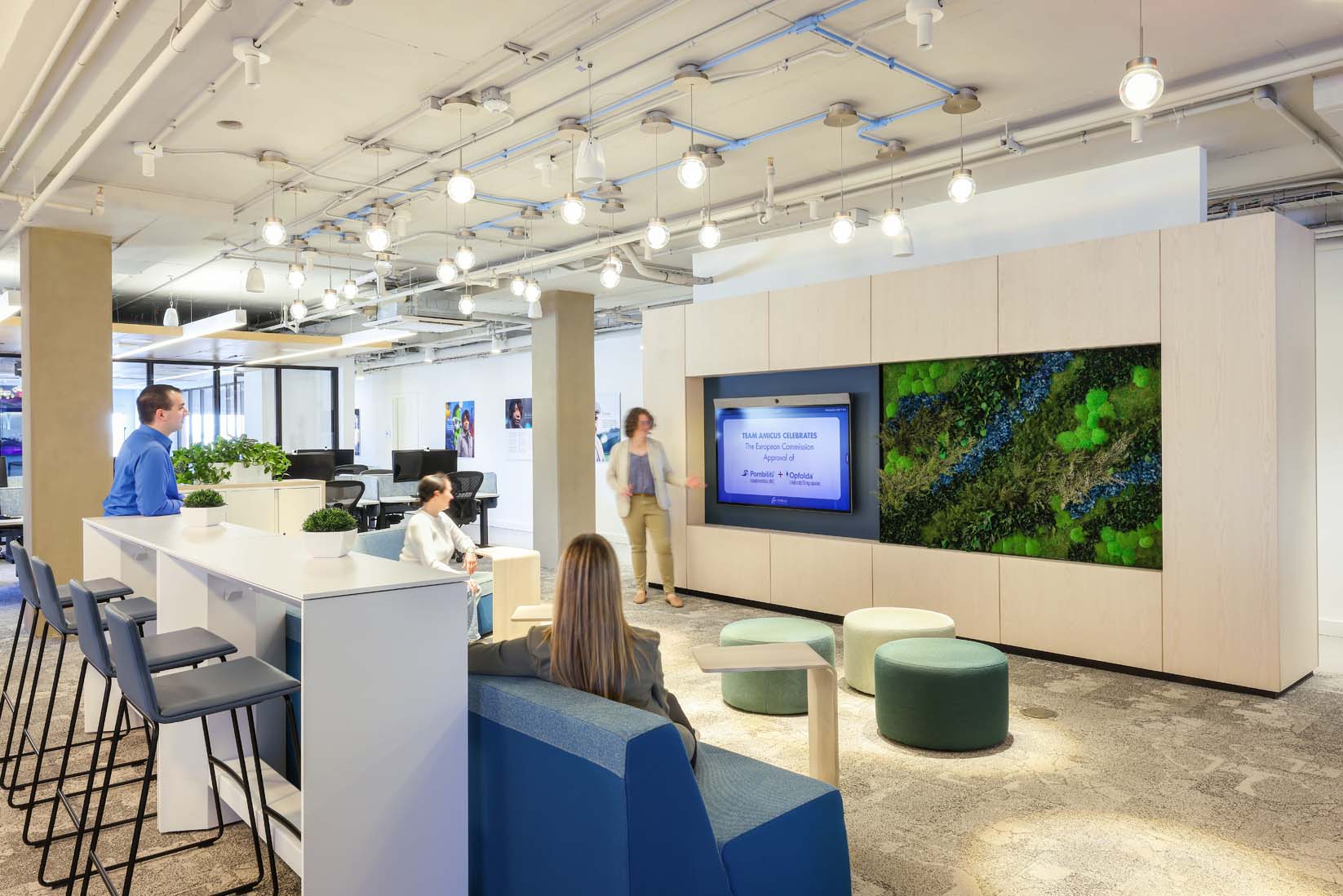
Preserved gardens can be tailored to the unique needs of different industries. In retail, they enhance branding, provide wayfinding, and create memorable displays, as seen in the large-scale installation at Nashville International Airport, which improves the experience for 20 million travelers annually while promoting local identity. In corporate offices, they reduce stress and increase productivity, with installations like the one at TripAdvisor’s World Headquarters demonstrating their value in creating engaging workplaces. Healthcare environments also benefit, as preserved gardens reduce patient anxiety and contribute to healing, illustrated by the installation at Essentia Health St. Mary’s Medical Center. Hospitality venues, from hotels to restaurants, use preserved gardens to create immersive, memorable experiences that foster loyalty and set them apart in competitive markets.
Implementation Strategies for Commercial Success
The most successful applications of preserved gardens align carefully with brand and user experience. Installations should reflect brand identity and values, reinforcing company narratives through natural elements. Strategic placement along the customer journey especially at high-stress or decision-making points can significantly improve the experience. Preserved gardens can also define activity zones within commercial spaces, offering natural transitions between areas with distinct purposes. Coordinating installations with lighting, acoustics, and material choices creates a cohesive multisensory environment, while storytelling through design whether connected to brand heritage, local culture, or spatial purpose deepens customer and employee engagement.
Measuring Success Beyond Aesthetics
To fully capture the impact of preserved gardens, businesses should measure outcomes beyond visual appeal. Shifts in customer satisfaction scores, reviews, and direct feedback often reveal immediate improvements. In workplaces, monitoring productivity, absenteeism, and job satisfaction offers insight into employee benefits. Commercial spaces can also track dwell time and return visits, comparing these metrics before and after installation. Social media engagement serves as another valuable measure, as preserved gardens often become “Instagram moments” that extend brand reach organically. Even property values and lease rates can reflect the financial advantage of incorporating biophilic elements, proving their long-term return on investment.
The Future of Nature in Commercial Design
As the field evolves, new trends will amplify the role of natural elements. Data-driven design will allow organizations to measure how biophilic features affect outcomes with greater precision. Advances in technology may enable natural elements that adapt to individual preferences, creating more personalized experiences. Hybrid approaches that blend preserved and living systems could expand design possibilities, while circular economy practices will ensure sustainability. Garden on the Wall® is already pioneering in this area through take-back programs and industrial composting initiatives, aligning preserved gardens with broader sustainability goals.
Conclusion: Nature as a Commercial Advantage
Nature in commercial design has evolved from a decorative feature to a strategic business advantage. Spaces enriched with biophilic elements foster better customer experiences, elevate employee performance, and create differentiation in competitive markets. Garden on the Wall® installations with proven longevity, robust health certifications, and unmatched reliability deliver these advantages with the lowest total cost of ownership. They represent a long-term investment that continues to pay dividends in performance, perception, and well-being.
As biophilic design becomes an expectation rather than a trend, businesses that embrace this connection between nature and commercial performance will build environments that do more than house activity they will actively enhance it.
For more information on this subject, read this article: Transforming Workspaces with Maintenance-Free Wall Gardens: Restorative Guide for Commercial Spaces and other related information, please visit our website: www.gardenonthewall.com