Biophilic Design for Urban Environments: Bringing Nature to the Concrete Jungle
Key Takeaways Before You Read the Full Article:
30 Second Executive Summary
Urban biophilic design reconnects city dwellers with nature, enhancing well-being, productivity, and emotional health through preserved gardens, moss walls, and planter inserts that overcome urban design challenges like limited space, light, and maintenance constraints.
🔬 Research Foundation: Studies show that integrating nature into urban interiors reduces stress, boosts cognitive function, and improves overall mental health. Preserved nature elements deliver these benefits consistently, even in dense, low-light, high-traffic urban environments.
🏙️ Urban Impact: Cities with biophilic design interventions report improved public satisfaction, more inviting office and retail spaces, and enhanced commuter experience. Preserved walls and gardens provide a lasting, low-maintenance greenery solution in challenging urban conditions.
📊 Performance Metrics: Documented benefits include reduced occupant stress, increased productivity in offices, and more visually appealing, calming public and commercial spaces. These measurable outcomes demonstrate both aesthetic and functional value.
🏗️ Project Integration: Vertical moss walls, preserved planter inserts, and moss gardens can transform sterile building interiors, transit hubs, and facades into restorative, human-centered environments that support health, creativity, and well-being.
Ready to bring nature back into the city? The full article explores practical strategies to implement preserved gardens and moss walls, creating healthier, more livable, and sustainable urban spaces.
In the heart of bustling cities, where glass, steel, and concrete dominate the landscape, there's a growing recognition of the need to reconnect with nature. Biophilic design, which incorporates natural elements into the built environment, offers a solution to this urban challenge. This blog post explores how preserved gardens, moss walls, and planter inserts with preserved foliage can bring the benefits of nature to the concrete jungle, creating more livable, sustainable, and human-centric urban spaces.
The Urban Disconnect: Challenges of City Living
Urban environments, while offering numerous opportunities, often create a significant disconnect between humans and nature.
This separation can lead to various issues:
• Increased stress levels and mental health concerns
• Reduced productivity and creativity
• Poor air quality and related health problems
• Lack of connection to natural cycles and rhythms
These challenges highlight the importance of integrating nature into urban design. However, traditional green spaces in cities face limitations such as space constraints, maintenance issues, and the harsh conditions of urban environments.
Biophilic Design: A Bridge to Nature in Urban Settings
Biophilic design offers a way to address these urban challenges by incorporating natural elements into buildings and cityscapes. This approach is rooted in the concept of biophilia, our innate affinity for nature, and seeks to satisfy our need for natural connections even in the most artificial of environments.
Key principles of biophilic design include:
• Visual connections with nature
• Non-visual connections (such as textural elements)
• Non-rhythmic sensory stimuli
• Thermal and airflow variability
• Presence of water
• Dynamic and diffuse light
• Connection with natural systems
While implementing all these principles in urban environments can be challenging, preserved nature elements offer a versatile and effective solution.
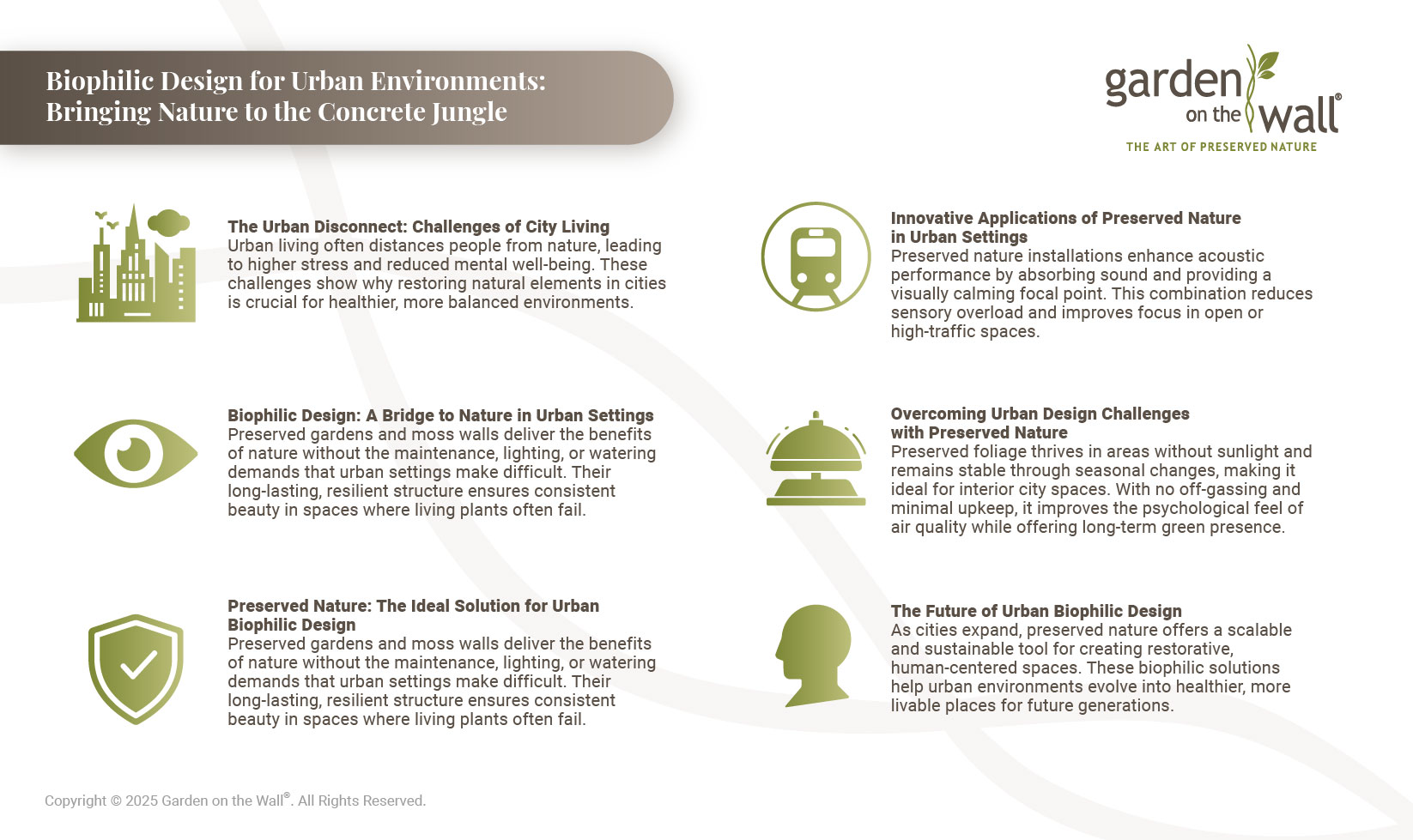
Preserved Nature: The Ideal Solution for Urban Biophilic Design
Preserved gardens, moss walls, and planter inserts with preserved foliage present a unique opportunity to bring nature into urban spaces without the limitations associated with living plants. Here's why they're particularly well-suited for urban environments:
- Low Maintenance Requirements
Urban environments often lack the resources or personnel for extensive plant maintenance. Preserved nature elements require minimal upkeep, needing only occasional dusting to maintain their appearance. This makes them ideal for busy urban settings where time and resources are at a premium.
- Durability in Harsh Urban Conditions
City environments can be challenging for living plants due to pollution, inconsistent light, and extreme temperatures. Preserved plants, having undergone a special preservation process, can withstand these conditions without wilting, dying, or requiring replacement.
- Space Efficiency
In cities where every square foot counts, preserved nature elements offer flexible design options. Vertical moss walls can transform unused wall space into vibrant green features, while preserved planter inserts can be incorporated into existing furniture or structures without requiring additional floor space.
- Consistent Aesthetic Appeal
Unlike living plants that may change appearance with the seasons or due to varying care, preserved nature maintains a consistent, lush appearance year-round. This reliability is crucial in maintaining the aesthetic integrity of urban design projects.
Innovative Applications of Preserved Nature in Urban Settings
Green Facades for Urban Buildings
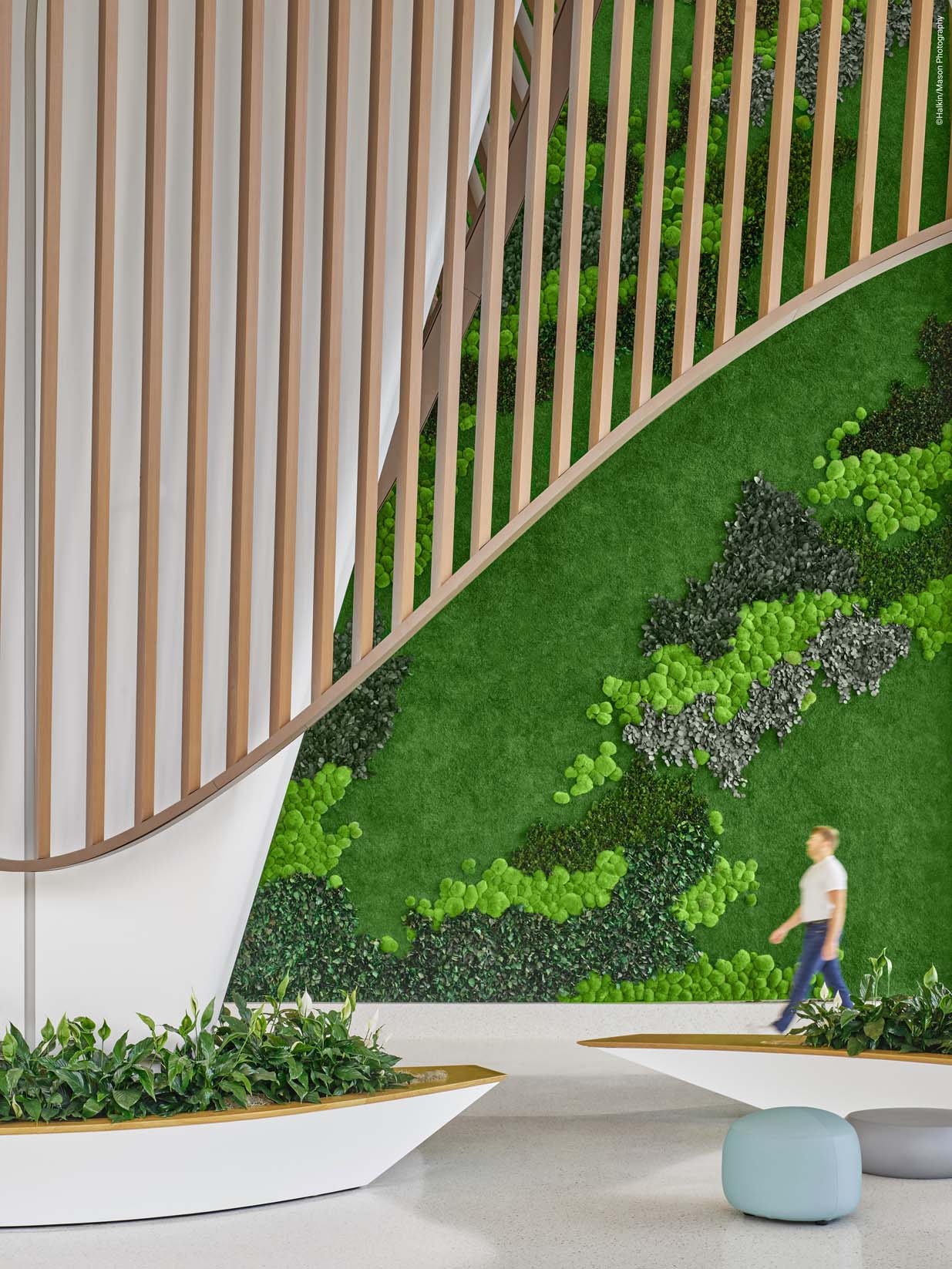
Preserved moss walls can be used to create stunning green facades on urban buildings. These installations not only enhance the visual appeal of city structures but also contribute to improved air quality and noise reduction. The low weight of preserved moss makes it suitable for a wide range of building types without requiring structural modifications.
Biophilic Office Interiors
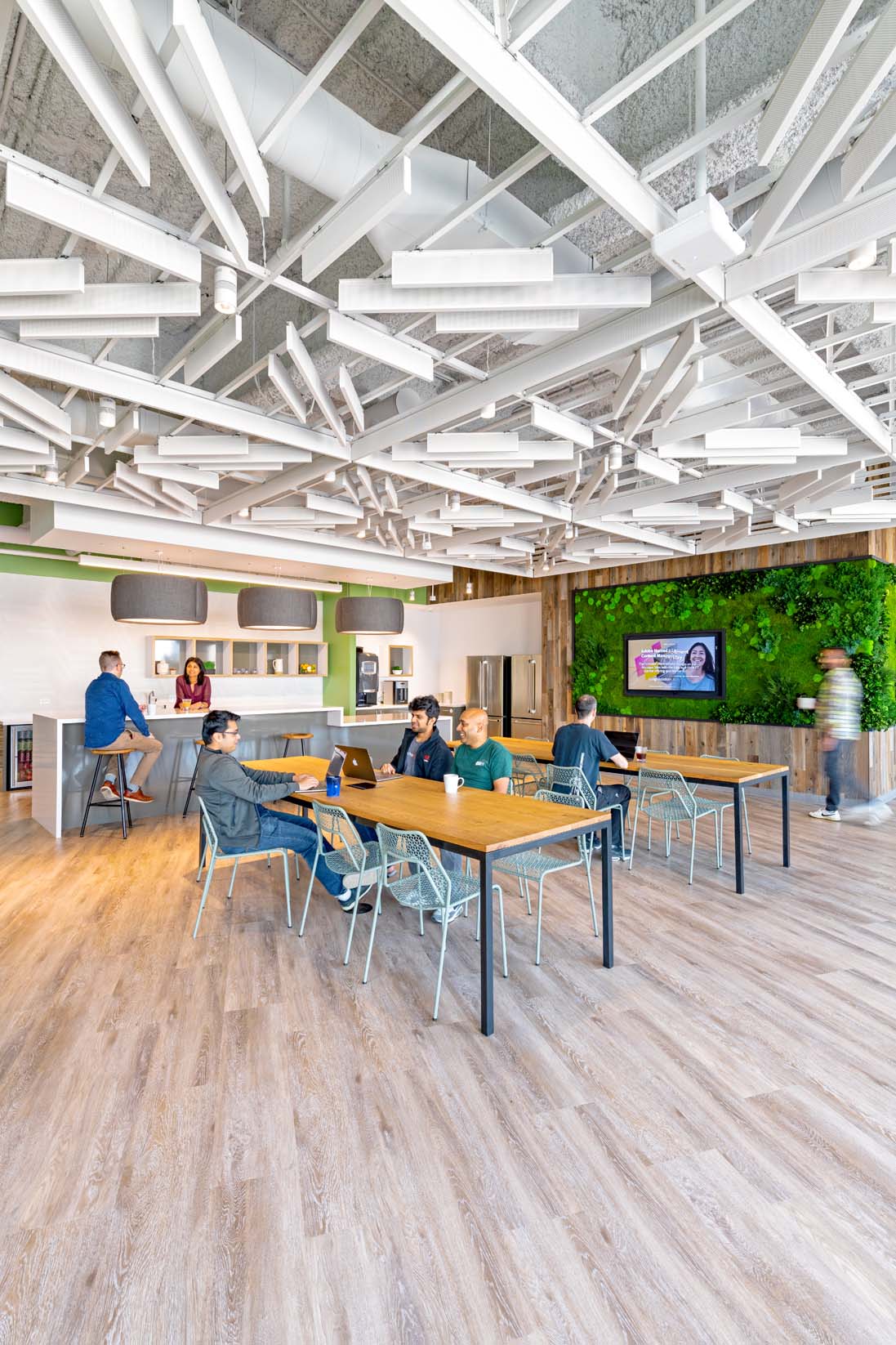
In urban office buildings, where employees spend long hours indoors, preserved nature elements can create a more pleasant and productive work environment. Moss walls in reception areas, preserved planter inserts in workstations, and hanging preserved gardens in common areas can transform sterile office spaces into nature-inspired environments that reduce stress and enhance creativity.
Public Transportation Hubs
Bus stations, train platforms, and airport terminals are often stark, utilitarian spaces. Incorporating preserved nature elements in these high-traffic areas can create moments of calm and connection with nature for busy commuters. For example, a preserved moss wall in a subway station can provide a visually soothing focal point amidst the chaos of rush hour.
Retail and Hospitality Spaces
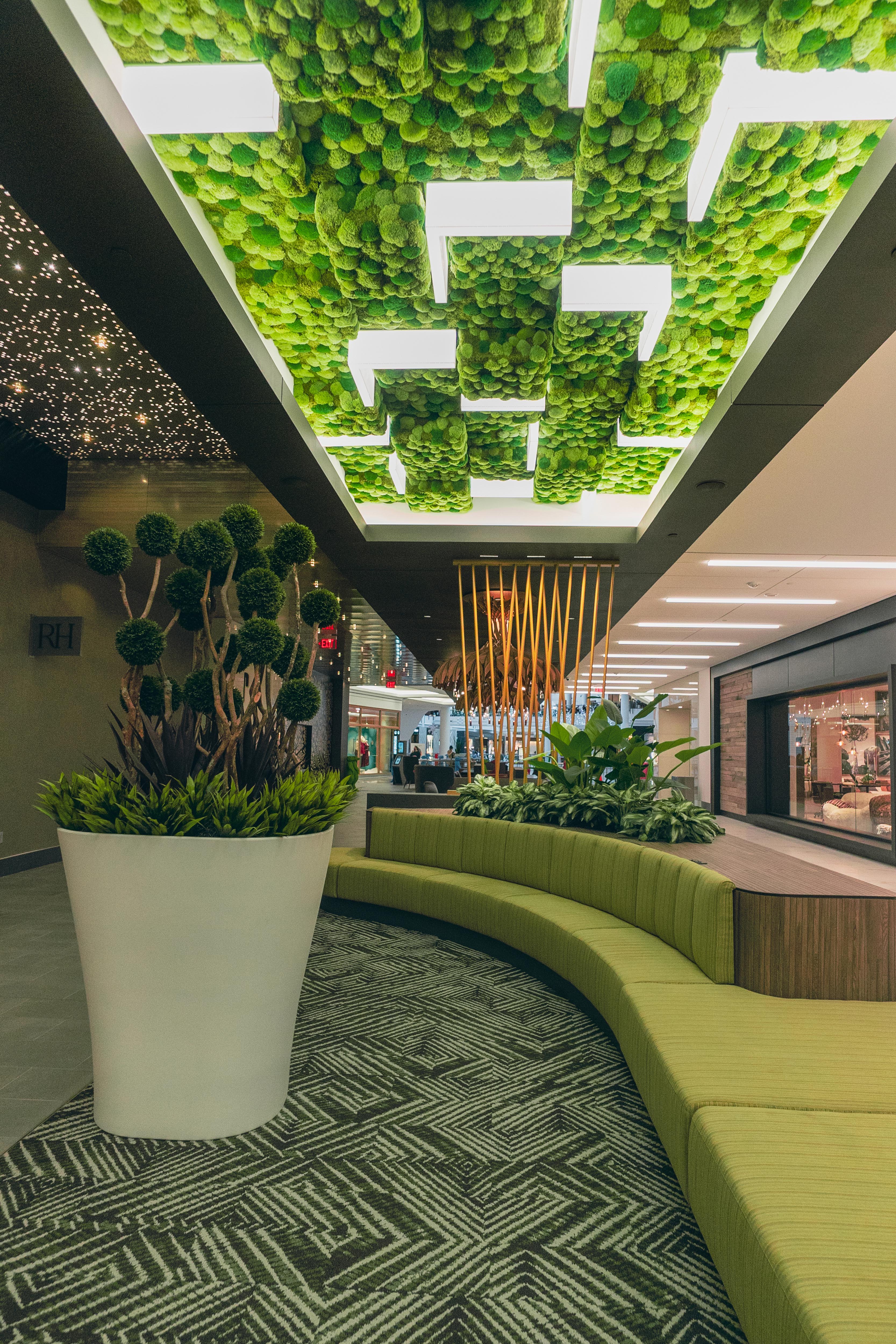
Urban retail and hospitality environments can benefit greatly from the incorporation of preserved nature. Moss walls and preserved gardens in shopping centers, hotels, and restaurants can create unique, Instagram-worthy features that attract customers while providing the calming benefits of biophilic design.
Overcoming Urban Design Challenges with Preserved Nature
Limited Natural Light
Many urban interiors suffer from a lack of natural light, which can be problematic for living plants. Preserved nature elements thrive in any lighting condition, allowing designers to bring green elements into even the darkest urban spaces.
Air Quality Concerns
While preserved plants don't actively filter air like their living counterparts, they don't contribute to indoor air pollution either. Unlike artificial plants which can off-gas harmful chemicals, high-quality preserved nature elements are treated with non-toxic preservatives, making them a safe choice for improving the aesthetic and psychological aspects of air quality in urban environments.
Seasonal Changes
Urban environments in variable climates pose challenges for maintaining consistent green spaces year-round. Preserved nature offers a solution by providing a permanent green presence regardless of seasonal changes, ensuring that the biophilic benefits are available to urban dwellers throughout the year.
The Future of Urban Biophilic Design
As cities continue to grow and evolve, the integration of nature into urban environments will become increasingly crucial. Preserved nature elements offer a sustainable, adaptable, and effective means of implementing biophilic design principles in even the most challenging urban settings.
By embracing these innovative solutions, urban planners, architects, and designers can create cities that not only accommodate our need for efficiency and functionality but also nurture our innate connection to the natural world. The result will be urban environments that support human health, well-being, and productivity while fostering a deeper appreciation for nature in the heart of our concrete jungles.
In conclusion, preserved gardens, moss walls, and planter inserts with preserved foliage represent a powerful tool in the quest to bring nature to urban environments. By leveraging these elements, we can create more livable, sustainable, and biophilic cities that meet the needs of both current and future generations of urban dwellers.
For more information on this subject, read this article: Biophilic Design in the Workplace: Nature's Recipe for Health and Well-Being and other related information, please visit our website: www.gardenonthewall.com