Beyond Stress Reduction: How Salutogenic Design with Preserved Gardens Creates Health-Generating Environments

Key Takeaways Before You Read the Full Article:
30 Second Executive Summary
This approach to workplace design shows how preserved gardens move beyond stress reduction to actively generate health, resilience, and vitality. By applying salutogenic principles, biophilic environments become continuous sources of well-being rather than reactive solutions to workplace strain.
💼 Business Impact: Health-Generating Environments as Strategic Assets
Salutogenic design reframes preserved gardens as long-term wellness infrastructure that supports employee resilience, engagement, and retention. Instead of mitigating harm, these environments create positive health resources that strengthen organizational performance over time.
🔬 Research Foundation: Environments That Actively Support Health
The model aligns with research demonstrating that biophilic environments enhance immune response, cardiovascular regulation, and stress resilience. Preserved gardens and moss walls provide stable, restorative stimuli that support both physiological and psychological health.
🎯 Strategic Implementation: Designing for Sense of Coherence
Thoughtful placement and consistency ensure environments feel understandable, manageable, and meaningful to occupants. Preserved gardens offer reliable, maintenance-free biophilic benefits that integrate seamlessly into daily routines without disruption.
📊 Long-Term Value: Compounding Wellness Returns
Health-generating environments deliver cumulative benefits through improved vitality, reduced burnout risk, and sustained cognitive performance. Over time, these outcomes reinforce why salutogenic design outperforms conventional, problem-focused workplace strategies.
Ready to see how workplaces can move from reducing stress to actively creating health? The full article explores how salutogenic design with preserved gardens establishes environments where human flourishing becomes the baseline.
Beyond Stress Reduction: How Salutogenic Design with Preserved Gardens Creates Health-Generating Environments
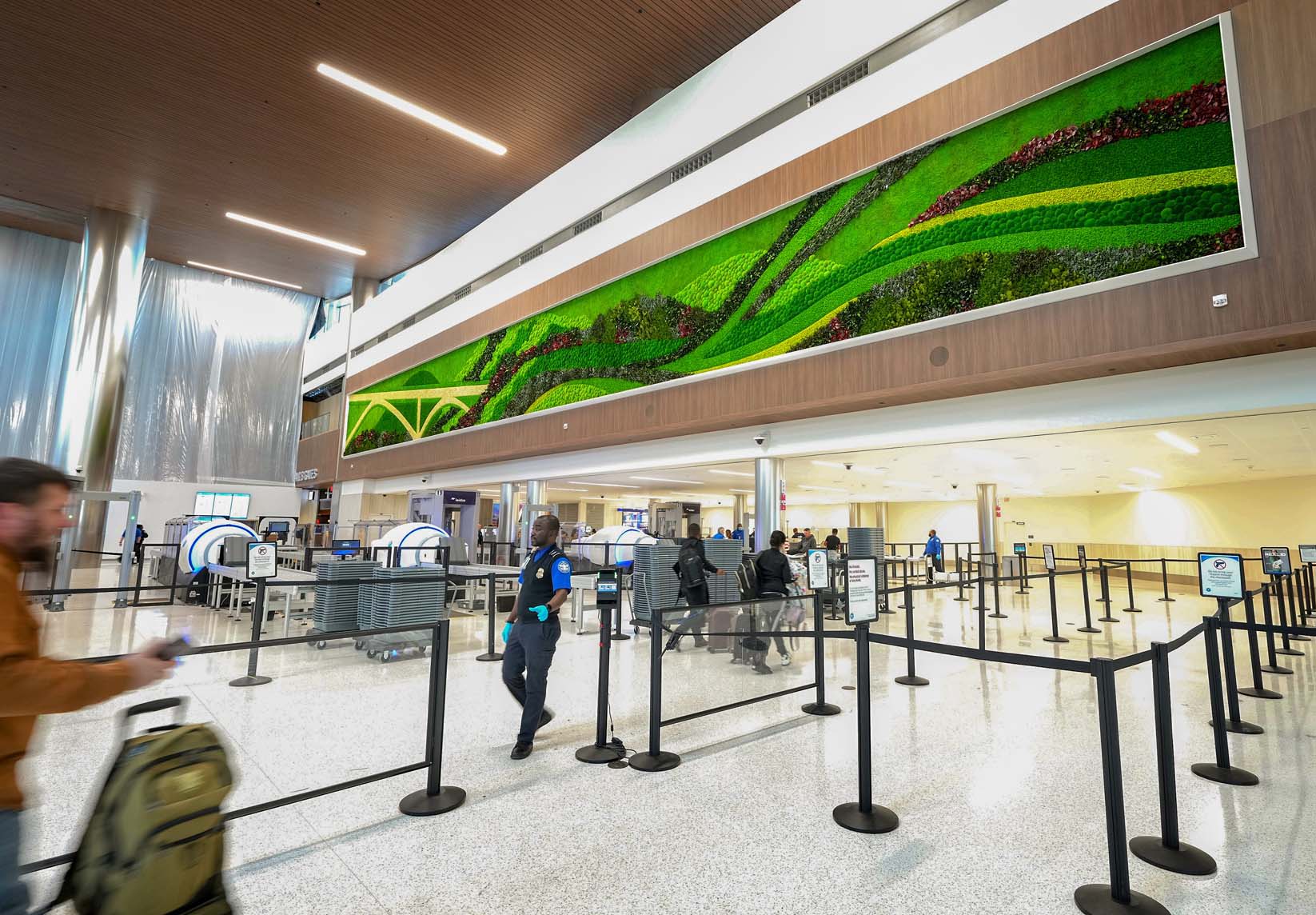
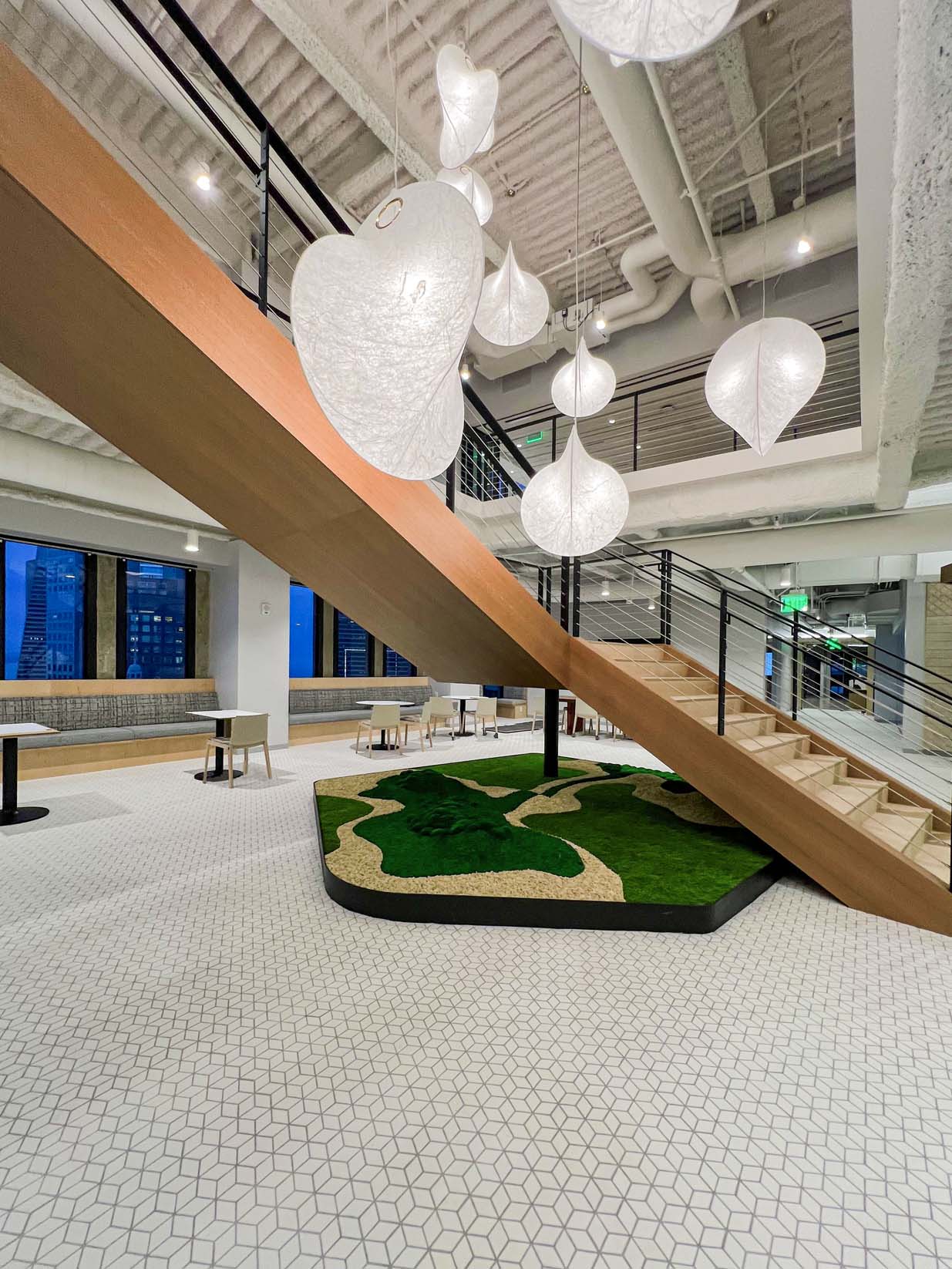
What if your office didn't just reduce stress, but actively generated health and vitality? While conventional workplace design focuses on preventing problems, salutogenic design with preserved gardens, moss walls, and planter inserts crafted with preserved foliage creates environments that actively promote health, resilience, and human flourishing. This revolutionary approach moves beyond pathogenic thinking to embrace the salutogenic question: "what actively creates and maintains health?"
Salutogenic Design Principles: The Health Generation Revolution
Salutogenic design, rooted in medical sociologist Aaron Antonovsky's research, represents a fundamental paradigm shift from illness prevention to active health promotion. Rather than simply removing stressors, salutogenic approaches create conditions that actively strengthen human resilience, enhance immune function, and promote psychological well-being.
The core principle centers on developing "sense of coherence" - the extent to which individuals perceive their environment as comprehensible, manageable, and meaningful. Preserved gardens, moss walls, and planter inserts excel at supporting all three components: their natural patterns provide visual comprehensibility, their maintenance-free nature ensures manageability, and their biophilic connections create meaningful relationships with nature.
Research demonstrates that salutogenic environments can measurably enhance immune function, improve cardiovascular health, and strengthen stress resilience systems. Unlike pathogenic approaches that merely reduce negative impacts, salutogenic design with preserved gardens, moss walls, and planter inserts create positive health resources that compound over time.
Physiological Health Generation: Beyond Symptom Management
Salutogenic environments enhanced with preserved gardens, moss walls, and planter inserts trigger measurable improvements in multiple physiological systems that support long-term health and vitality. Unlike interventions that simply manage symptoms, these installations address root causes of health decline while actively building biological resilience.
Immune system enhancement represents one of the most significant benefits. Research indicates that regular exposure to biophilic elements can increase natural killer cell activity by 15-20%, strengthen antibody responses, and improve overall immune surveillance capabilities. These improvements provide protection against both infectious diseases and chronic health conditions.
Cardiovascular benefits extend beyond immediate stress reduction to include long-term heart health improvements. Employees in environments with preserved gardens, moss walls, and planter inserts show measurable reductions in resting blood pressure and improved heart rate variability. Garden on the Wall®'s installations help normalize cortisol patterns, reduce inflammatory markers, and support better sleep quality through improved circadian rhythm regulation.

Psychological Wellness Creation: Building Resilience Resources
Salutogenic design with preserved greenery actively builds psychological resources that enable individuals to thrive under pressure while maintaining emotional well-being. These environments create "positive affect spirals" - upward cycles of improved mood, enhanced optimism, and increased life satisfaction.
Resilience building occurs through regular exposure to environments that provide restoration opportunities without requiring conscious effort. Preserved gardens, moss walls, and planter inserts offer "effortless restoration" that allows psychological resources to replenish naturally during normal work activities, preventing resource depletion that leads to burnout.
Emotional regulation improvements emerge as individuals develop stronger connections to calming, stable environmental elements. The predictable presence of preserved gardens, moss walls, and planter inserts provides emotional anchoring that helps maintain equilibrium during challenging periods. Garden on the Wall®'s installations enhance mental clarity and creative thinking while creating shared positive experiences that build social support networks.
Preserved Gardens as Salutogenic Tools: Active Health Creation
Preserved foliage placed judiciously in the designed space offer unique advantages as salutogenic design tools through their combination of authentic natural elements and environmental stability. Unlike artificial alternatives, Garden on the Wall®'s installations maintain complex visual patterns and authentic textures that trigger positive physiological responses.
The consistency of preserved gardens, moss walls, and planter inserts provides crucial support for salutogenic principles by creating reliable positive environmental resources. Unlike living plants that may decline or require disruptive maintenance, preserved installations provide steady biophilic benefits that individuals can depend upon for ongoing health support.
Long-term wellness investment through preserved gardens, moss walls, and draping preserved foliage represents a shift from episodic health interventions to continuous wellness generation. These environments provide health benefits for 10-12 years, with Garden on the Wall®'s solutions offering rejuvenation programs extending beneficial lifecycles to 20+ years.
Implementation Across Settings: Universal Health Generation
Corporate wellness programs gain significant enhancement through salutogenic design integration with preserved gardens, moss walls, and planter inserts. These installations provide continuous wellness support that complements traditional programs while reducing costly external interventions. Garden on the Wall®'s expertise across over 1,880 projects demonstrates proven success in creating health-generating workplace environments.
Healthcare facilities implementing salutogenic design create therapeutic environments that support healing while protecting staff wellness. The health-generating properties benefit patients, families, and healthcare workers simultaneously without infection control concerns associated with living plants.
Educational institutions benefit from salutogenic design as preserved gardens and planter inserts create learning environments that actively support wellness while enhancing cognitive performance. Senior living communities gain particular value as these environments provide ongoing wellness support while creating meaningful nature connections.
Measuring Salutogenic Impact: Health Generation Metrics
Evaluating salutogenic design effectiveness requires metrics that capture positive health generation rather than simply measuring problem reduction. Vitality assessments, energy level tracking, and resilience indicators provide more appropriate measures than traditional pathogenic metrics focused on symptom management.
Wellness trend analysis over extended periods reveals cumulative benefits as health improvements compound over time. Organizations implementing preserved greenery elements often observe steadily improving wellness metrics rather than simple maintenance of baseline health levels.
Performance correlation studies demonstrate how salutogenic environments enhance rather than simply protect work performance. Employees in health-generating environments often show continuous improvement in creativity, problem-solving, and collaborative capabilities while healthcare utilization patterns frequently improve as employees develop stronger health resources.
Future of Health-Generating Design: Expanding Possibilities
Technology integration opportunities will likely enhance the salutogenic benefits of preserved gardens, moss walls, and planter inserts through innovations like circadian lighting systems and biometric feedback that personalizes health-generating experiences while maintaining natural aesthetic appeal.
Research advancement continues revealing new mechanisms through which preserved gardens, moss walls, and planter inserts generate health benefits, supporting increasingly sophisticated applications that maximize positive health impacts while maintaining aesthetic excellence.
Conclusion: The Evolution of Health-Promoting Environments
Salutogenic design with preserved botanical elements represents fundamental evolution in how we conceive relationships between environments and human health. Garden on the Wall®'s installations offer pathways to workplaces where human flourishing becomes the natural outcome of thoughtful design, supported by proven expertise and long-term reliability.
Want to learn more? Read Salutogenic Design and the Future of Sustainable Architecture & Interior Design for additional research and insights. Then explore The Destination Office: Human-Centric Biophilia for Workplace Excellence for workplace design strategies, specification resources, and a portfolio of award-winning commercial installations.